Are Electric Cars All Automatic Or Can You Get Manual
Are electric cars all automatic? The short answer is yes, most electric vehicles come with automatic transmissions, but you can still find manual options in rare cases. Electric cars automatic systems work differently from traditional gearboxes, making the driving experience smoother and simpler for most people.
If you have ever wondered are electric cars all automatic, you are not alone. This question comes up a lot among new car buyers and driving enthusiasts alike. The world of electric vehicles can feel confusing, especially when it comes to how they shift gears. Many people assume all EVs are fully automatic, and for the most part, that is true. But the full story is a bit more interesting than that.
In this guide, we will break down everything you need to know about electric cars automatic systems and manual options. We will look at how EV transmissions work, whether you can find a manual electric car, and what this means for your next purchase. By the end, you will have a clear picture of the automatic vs manual cars debate in the EV world.
Key Takeaways
- Most electric cars are automatic: The vast majority of EVs use a single-speed transmission with no manual shifting option.
- Manual electric cars do exist: A few niche manufacturers and custom builds offer manual gearbox options for driving enthusiasts.
- Electric motors deliver power differently: Unlike gas engines, electric motors provide instant torque across a wide RPM range.
- No clutch pedal needed: Most EVs have no clutch, making them easier to drive in stop-and-go traffic.
- Manual EVs are rare but growing: Companies like Porsche and standalone builders are exploring manual transmission options for EVs.
- Driving an automatic EV is simple: If you know how to drive an automatic car, you can drive an electric car with no extra learning.
📑 Table of Contents
The Short Answer: Are Electric Cars All Automatic?
The short answer is no, not all electric cars are automatic. But here is the catch: almost all of them are. The vast majority of electric vehicles on the market today come with automatic transmissions. In fact, most EVs use what is called a single-speed transmission. This means there are no gears to shift at all. You press the accelerator, and the car moves forward smoothly.
So why do people ask this question so often? It is because traditional cars give you a choice between automatic and manual. When people buy an electric car, they often expect the same choice. But the technology inside an EV is very different from a gasoline engine. That difference changes everything about how the car shifts and moves.
What People Usually Assume
Many drivers grew up learning to drive with a manual gearbox. They are used to a clutch pedal and a gear stick. When they see an electric car, they assume it must be automatic because there is no clutch. That assumption is mostly correct. Most EVs do not have a manual option from the factory.
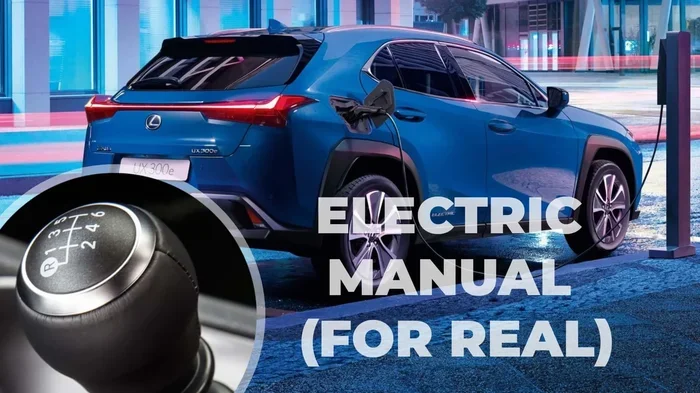
But there are exceptions. A small number of manufacturers and custom builders have created manual transmission electric car models. These are rare, but they do exist. If you are a fan of manual driving, there may still be a way to get that experience in an EV.
The Real Answer
The real answer is this: are electric cars all automatic is not a simple yes or no question. Most EVs are automatic by design. The electric motor does not need a complex gearbox to work well. But a few brands and custom builders offer manual-style EVs for people who want that driving feel.
Why Most Electric Cars Are Automatic
To understand why most EVs are automatic, you need to understand how an electric motor works. It is very different from a gas engine. A gasoline motor needs multiple gears to stay efficient at different speeds. An electric motor does not need that.
How Electric Motors Work
An electric motor delivers power in a very direct way. It spins and produces torque from zero RPM. That means the motor is already pulling hard even at low speeds. A gas engine, on the other hand, needs to rev up to produce usable power. That is why gas cars need multiple gears.
Because an electric motor works so efficiently across a wide range of speeds, it does not need a multi-speed gearbox. A single-speed transmission types electric setup is enough to handle everything from city driving to highway cruising. This is the main reason most EVs are automatic.
The Single-Speed Advantage
Single-speed transmissions have several benefits. They are simpler, lighter, and cheaper to build. There are fewer moving parts, which means less can go wrong. Drivers also enjoy a smooth, seamless acceleration with no gear shifts to interrupt the flow.
Here are some key advantages of the single-speed setup found in most electric cars automatic models:
- Smoother acceleration with no jerky gear changes
- Fewer moving parts means lower maintenance costs
- Lighter weight improves range and efficiency
- Simpler design makes the car more reliable
- Instant torque delivery for quick EV acceleration
Quick Tips
If you are used to driving a manual car, the switch to an automatic EV will feel very easy. There is no clutch to manage and no gears to shift. Just press the pedal and go. Many former manual drivers actually prefer the simplicity of an EV.
Quick Tips for Understanding EV Drivetrains
Here are a few simple tips to help you understand how electric vehicle drivetrain systems work:
- Think of the electric motor as a very powerful and efficient engine that does not need gears.
- The single-speed transmission connects the motor to the wheels directly.
- Regenerative braking helps recharge the battery when you slow down, replacing the need for engine braking.
- Most EVs have two pedals: accelerator and brake. No clutch pedal is needed.
Are There Any Manual Electric Cars?
Yes, manual electric cars do exist, but they are very rare. Most EV manufacturers have chosen to go with automatic-only designs. However, a few companies and custom builders have created vehicles that offer a more traditional driving experience with a clutch pedal and a gear stick.
Rare Manual EV Models
One of the most notable examples of a manual electric vehicle is the Porsche Taycan. Porsche offers a two-speed gearbox on the rear axle of the Taycan. While it is not a full manual transmission, it does use a clutch system and allows for a more engaged driving feel. This is one of the closest things you will find to a manual experience in a production EV.
Some smaller manufacturers and startups are also experimenting with manual EV gearbox designs. These cars aim to give driving enthusiasts the tactile feel of shifting gears, even though the power comes from an electric motor.
Custom and Aftermarket Builds
If you cannot find a factory manual EV, there is another option. Some builders create custom manual EV models by swapping in a manual transmission from a conventional car. These projects are complex and expensive, but they exist. They are popular among car hobbyists who love the feel of a manual gearbox but want the benefits of electric power.
These custom builds are not for everyone. They require a lot of work and technical knowledge. But they do prove that it is possible to have a manual transmission electric car if you are willing to put in the effort.
Common Mistakes People Make About Manual EVs
Here are some mistakes to avoid when thinking about manual electric cars:
- Assuming all EVs are the same: Not every electric car is built the same way. Some offer more driver engagement than others.
- Thinking manual EVs are widely available: They are not. You may need to look hard or pay a premium to find one.
- Ignoring the driving feel: A manual EV still feels different from a manual gas car. The power delivery is smoother and more immediate.
- Overlooking aftermarket options: If a factory manual EV is not available, a custom build might be your best bet.
Expert Insight: The EV Drivetrain Explained
According to EV engineers, the reason most electric cars do not need a manual transmission comes down to how electric motors deliver power. A gas engine has a narrow band where it works best. That is why it needs multiple gears. An electric motor, however, works well across a very wide RPM range. This natural efficiency eliminates the need for a complex gearbox in most cases.
How Does an Electric Car Transmission Work?
The transmission in an electric car is much simpler than what you find in a gas car. Understanding how it works can help you appreciate why most EVs are automatic and why manual options are so rare.
No Gearbox? No Problem
In a traditional car, the engine connects to a multi-speed gearbox. The gearbox helps the engine work efficiently at different speeds. In an EV, the electric motor connects directly to the wheels through a single-speed reduction gear. There is no need for a complex gearbox because the motor can handle the full range of driving speeds on its own.
This is the core difference between a conventional car transmission and what you find in an electric vehicle. The no gearbox electric car design is one of the biggest advantages of going electric. It means fewer parts, less maintenance, and a smoother driving experience.
Regenerative Braking and Its Role
One unique feature of EVs is regenerative braking. When you take your foot off the accelerator, the electric motor reverses its role and acts as a generator. This slows the car down and sends energy back to the battery.
Regenerative braking replaces some of the functions that engine braking does in a manual car. This is another reason why EVs do not need a manual transmission. The motor handles both acceleration and deceleration in a seamless way.
Here is how regenerative braking benefits your EV driving experience:
- It helps extend your driving range
- It reduces wear on brake pads
- It provides smooth, predictable deceleration
- It eliminates the need for engine braking in most situations
Expert Insight: The Electric Motor Transmission
When people ask about electric car clutch systems, the answer is usually simple: most EVs do not have one. The electric motor connects directly to the wheels. There is no clutch to engage or disengage. This is why the electric car shifting experience is so smooth and effortless compared to a manual gas car.
However, some high-performance EVs are starting to experiment with two-speed or even clutch-based systems. These designs aim to improve top-end speed and acceleration while still keeping the simplicity of electric power. As technology evolves, we may see more hybrid transmission designs in future EVs.
Automatic vs Manual Cars: The EV Perspective
The debate between automatic vs manual cars has been going on for decades. In the world of electric vehicles, this debate takes on a new shape. Let us compare the two approaches and see what makes sense for different types of drivers.
| Feature | Automatic EV | Manual EV |
|---|---|---|
| Gears | Single-speed or two-speed | Multiple gears with clutch |
| Clutch Pedal | No | Yes |
| Ease of Driving | Very easy | Requires more skill |
| Availability | Widely available | Very rare |
| Maintenance | Low | Higher due to more parts |
| Driving Feel | Smooth and seamless | More engaging and tactile |
| Range Efficiency | Slightly better | Slightly lower |
| Price | Standard pricing | Higher due to rarity |
Pros and Cons of Each Approach
Automatic EVs:
- Pros: Easy to drive, low maintenance, widely available, smooth acceleration
- Cons: Less engaging for driving enthusiasts, no manual shifting option
Manual EVs:
- Pros: More driver engagement, unique driving feel, appeals to car enthusiasts
- Cons: Rare, harder to find, more complex, potentially lower range
Which One Is Right for You?
If you want a simple, easy-to-drive car for daily commuting, an automatic EV is the clear choice. Most people will never need or want a manual electric car. The automatic experience is smooth, quiet, and effortless.
But if you love the feeling of shifting gears and being more connected to the driving experience, a manual EV might be worth seeking out. Just be prepared to do some extra research and potentially pay more for a rare model.
Quick Tips for Choosing Your EV
Before buying an electric car, ask yourself these questions:
- Do I prefer simplicity or driving engagement?
- Will I mainly drive in city traffic or on open roads?
- Am I willing to search for a rare manual model?
- Do I want the lowest maintenance possible?
- Is the EV driving experience more important to me than the type of transmission?
What This Means for You as a Driver
Whether you are a new EV buyer or someone considering making the switch, understanding the transmission situation is important. It affects how you drive, how you maintain the car, and what you can expect from the overall experience.
Driving Lessons and EV Training
If you are used to driving a manual gas car, switching to an automatic EV is very easy. You do not need special training. Just sit down, press the start button, and drive. The car handles all the gear changes for you. There is no clutch to manage and no gears to worry about.
For people taking electric car driving lessons, the learning curve is very gentle. Most driving instructors will tell you that EVs are among the easiest vehicles to learn in. The smooth power delivery and simple controls make the experience less stressful for new drivers.
The Future of Electric Car Transmissions
The EV market is evolving fast. As technology improves, we may see more variety in transmission options. Some manufacturers are already experimenting with two-speed gearboxes for performance models. Others are exploring multi-speed manual setups for niche markets.
One thing is clear: the trend is toward simpler, more efficient drivetrains. The electric car maintenance benefits of fewer moving parts will likely keep most EVs in the automatic category for the foreseeable future.
Key Takeaways for New EV Buyers
- Almost all electric cars sold today are automatic
- Manual EVs exist but are very rare and often custom-built
- The single-speed transmission in most EVs is simple, reliable, and efficient
- Switching from a manual gas car to an automatic EV is very easy
- If you want a manual feel, look for performance models or custom builds
- The future of EV transmissions will likely stay simple and automatic
Conclusion
So, are electric cars all automatic? The answer is almost yes. The vast majority of electric vehicles on the road today use automatic transmissions, typically single-speed setups that require no gear changing at all. This design choice comes from how electric motors work and the advantages they offer over traditional gas engines.
That said, manual options do exist for those who seek them. From Porsche’s two-speed Taycan to custom aftermarket builds, the manual electric vehicle market is small but growing. If you are a driving enthusiast who loves the feel of a clutch pedal and a gear stick, there are still ways to get that experience in an EV.
For most people, though, an automatic EV is the way to go. It is simpler, easier to drive, and requires less maintenance. The electric cars automatic experience is smooth, quiet, and incredibly user-friendly. Whether you are a first-time car buyer or someone switching from a gasoline car, an automatic electric vehicle will serve you well.
The bottom line is this: the world of electric cars automatic and manual options is evolving. As technology advances, we will likely see even more choices emerge. But for now, if you want the easiest and most practical EV experience, go with automatic. If you want a unique driving challenge, seek out a manual build. Either way, electric vehicles are changing the way we think about driving, and that is something worth excited about.
Frequently Asked Questions
Can you get a manual electric car?
Yes, you can get a manual electric car, but they are very rare. Most EVs come with automatic transmissions by default. A few manufacturers like Porsche offer two-speed setups, and some custom builders create manual electric vehicles for enthusiasts who want a more engaging driving experience.
Why are most electric cars automatic?
Most electric cars are automatic because electric motors deliver power efficiently across a wide range of speeds without needing multiple gears. A single-speed transmission is simpler, lighter, and more reliable than a multi-speed gearbox. This design reduces maintenance costs and provides smooth, seamless acceleration.
Do electric cars have a clutch pedal?
Most electric cars do not have a clutch pedal. The electric motor connects directly to the wheels through a single-speed transmission, eliminating the need for a clutch. This is why EVs feel so easy to drive compared to manual gas cars. Only a few specialized or custom-built manual EVs include a clutch pedal.
Is it hard to switch from a manual car to an electric car?
No, it is not hard at all. Switching from a manual car to an electric car is actually very easy. You just have two pedals: accelerator and brake. There is no clutch to manage and no gears to shift. Most former manual drivers find the transition to an EV quick and effortless.
Are there any electric cars with a manual gearbox?
A few electric cars feature a manual gearbox or a similar system. The Porsche Taycan offers a two-speed setup on the rear axle that provides a more engaged feel. Additionally, some aftermarket builders and custom projects create manual gearbox EVs, though these are niche and not widely available.
What is the difference between an automatic EV and a traditional automatic car?
The main difference is the drivetrain. A traditional automatic car uses a multi-speed gearbox connected to a gas engine. An automatic EV uses a single-speed transmission connected to an electric motor. This makes the EV simpler, smoother, and more efficient. There are fewer parts to maintain and no gear shifts to feel.
=== CONCLUSION ===
Are electric cars all automatic? For the most part, yes. The vast majority of EVs on the market today are automatic, and for good reason. The electric motor does not need a complex multi-speed gearbox to deliver excellent performance. A single-speed transmission keeps things simple, reliable, and efficient.
But if you are a driving enthusiast who craves the feel of shifting gears, do not lose hope. Manual electric cars do exist, even if they are rare. From factory-built options like the Porsche Taycan to custom aftermarket projects, there are ways to get a manual EV driving experience.
Whether you choose an automatic or seek out a manual option, the most important thing is to find an electric car that fits your needs and driving style. The EV market is growing fast, and more choices will likely emerge in the years ahead. Embrace the future of driving, and enjoy the smooth, quiet, and efficient world of electric vehicles.