Can You Put Chains on a Subaru for Safe Winter Driving
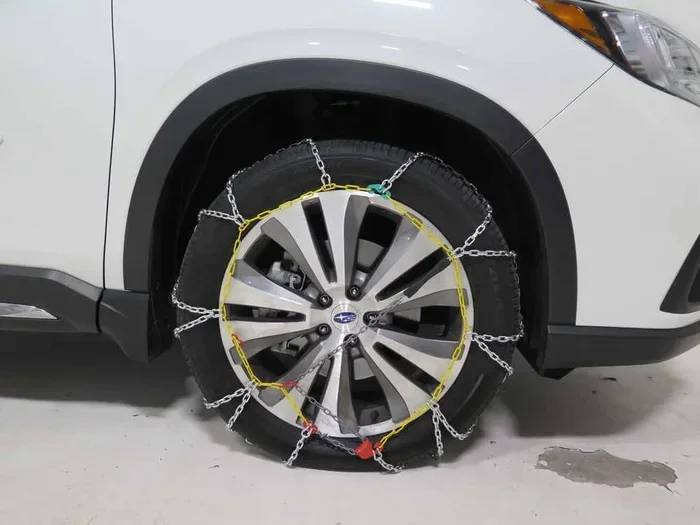
Yes, you can put chains on a Subaru, but compatibility depends on your model, drivetrain, and chain type. Subaru owners driving in snowy regions need the right chains for safe winter driving. This guide covers Subaru chain fitment, best practices, and essential tips to keep you safe on icy roads.
Winter driving demands respect. Snow, ice, and freezing rain turn familiar roads into unpredictable hazards. If you own a Subaru, you already know the brand builds vehicles with confidence in mind. But even the best Subaru AWD system needs help when roads get really bad.
Chains on a Subaru can make all the difference between a smooth commute and a dangerous skid. But not every chain fits every model. Not every driver needs them every day. Understanding what works, what fits, and how to use chains safely keeps you rolling through the winter months.
This guide answers the big question: Can you put chains on a Subaru? We will walk through every detail. From compatibility checks to installation tips, you will have everything you need to make an informed decision. Let us dive in.
Key Takeaways
- Subaru models vary in chain compatibility: Always check your owner’s manual before installing chains.
- Symmetrical AWD systems benefit from proper chain use but require correct fitment to avoid damage.
- Cable chains and automatic chains are popular options for Subaru owners who want ease of use.
- Speed limits apply when driving with chains on a Subaru — typically 30 mph maximum.
- Chain laws vary by state: Know your local regulations before hitting snow-covered roads.
- Practice installing chains before winter arrives so you are prepared for emergencies.
- Remove chains on clear roads: Driving without chains on dry pavement damages both the chains and your tires.
📑 Table of Contents
- Why Chains Matter for Subaru Owners in Winter
- Subaru Models and Chain Compatibility
- Types of Chains That Work on a Subaru
- How to Install Chains on Your Subaru Safely
- Driving With Chains on a Subaru: Best Practices
- Common Mistakes Subaru Owners Make With Chains
- Winter Driving Safety Beyond Chains
- Frequently Asked Questions
Why Chains Matter for Subaru Owners in Winter
Subaru vehicles come standard with all-wheel drive on most models. This gives them excellent grip in light snow and rain. But AWD is not a magic shield against deep snow, black ice, or steep hills covered in ice. Chains add a physical gripping layer that no electronic system can replace.
When temperatures drop and icy roads become the norm, tire traction becomes your number one safety feature. Chains bite into snow and ice. They give your tires something to grab onto. Without them, even a powerful Subaru Outback or Subaru Forester can slide through an intersection or get stuck on a hill.
Here is a quick look at why chains matter:
- Traction boost: Chains increase grip on snow and ice dramatically.
- Braking improvement: Stopping distances shorten with chains on tires.
- Hill climbing: Chains prevent wheel spin on steep inclines.
- Legal compliance: Some mountain passes and states require chains by law.
- Emergency readiness: Chains can save you from getting stranded in a snowstorm.
Think of chains as your Subaru’s winter insurance policy. You hope you never need them, but you will be grateful they are there when conditions turn ugly.
Subaru Models and Chain Compatibility
Not all Subarus accept chains the same way. Chain compatibility depends on several factors. These include tire size, suspension clearance, and drivetrain type. Before buying any chains, you need to know your specific model and year.
Subaru Outback
The Subaru Outback is one of the most popular wagons for winter driving. Its raised suspension offers decent clearance for chain installation. Most Outback models from the last 15 years accept standard cable chains. However, you should always measure the tire clearance between the tire and the fender or suspension components.
owners often find that link chains work well because they conform closely to the tire shape. This reduces the risk of rubbing against the body or suspension parts.
Subaru Forester
The Subaru Forester sits higher than many compact SUVs, which helps with chain fitment. Standard cable chains generally fit the Forester without issues. The key is to match the chain size to your tire dimensions exactly. Check the tire sidewall for the correct size code — it looks something like 225/60R17.
Forester owners who use winter tires alongside chains get the best of both worlds. The winter rubber provides flexible grip, while the chains add mechanical biting power on sheer ice.
Subaru Impreza and Crosstrek
The Subaru Impreza and Crosstrek are smaller vehicles with less tire clearance. Chain selection matters even more here. Low-profile cable chains or automatic chains (also called self-tightening chains) work best. These chains adjust tension automatically, reducing the risk of rubbing on the wheel well.
If you drive a Crosstrek, you likely appreciate its rugged stance. That extra ground clearance gives you a bit more room for chain installation compared to the standard Impreza sedan.
Subaru WRX and STI
The Subaru WRX and STI are performance-oriented vehicles. They have wider tires and sport suspensions that sit lower. Chain fitment can be trickier. Many WRX and STI owners prefer V-bar chains or diamond pattern chains because they provide aggressive traction without requiring as much vertical clearance.
Always check the manufacturer’s fitment guide. A chain that works on a stock WRX may not fit one with aftermarket wheels or lowered suspension.
Types of Chains That Work on a Subaru
Not all chains are created equal. Different types serve different needs. Understanding your options helps you pick the right one for your Subaru and your winter driving habits.
Cable Chains
Cable chains use steel cables instead of heavy links. They are lighter, easier to install, and gentler on your Subaru’s body. Cable chains work great for light to moderate snow. They are the go-to choice for most Subaru owners who face occasional winter storms.
Benefits of cable chains include:
- Lighter weight for easier handling
- Less damage to wheel wells and suspension
- Easier storage in your trunk
- Quieter operation on clean roads
Link Chains
Link chains use traditional metal links that form a thick, heavy chain. They provide the strongest traction and work best in deep snow and severe ice. If you live in an area with heavy snowfall or drive mountain passes regularly, link chains give you maximum grip.
The trade-off is weight and noise. Link chains are heavier and can be louder on pavement. They also require more careful installation to avoid contact with your Subaru’s body panels.
Automatic Chains (Self-Tightening)
Automatic chains are a modern solution that eliminates the need for manual tightening. They mount on the tire and tighten themselves as you drive. This makes them incredibly convenient, especially for drivers who do not want to get out in the cold to install chains.
Automatic chains work well on Subarus because they maintain consistent tension. This reduces the risk of the chain coming loose while driving. They are an excellent choice for the Subaru Forester and Outback owners who want a hassle-free winter driving experience.
Diamond Pattern and V-Bar Chains
Diamond pattern chains and V-bar chains offer superior traction on ice. The V-bars extend beyond the tire surface and dig into ice for incredible grip. These chains work well on performance models like the Subaru WRX and STI where aggressive winter driving is common.
However, V-bar chains can be rough on pavement. Remove them as soon as you reach clear roads to protect your tires and the road surface.
How to Install Chains on Your Subaru Safely
Installing chains on a Subaru takes practice. Doing it for the first time in a snowstorm is stressful and potentially dangerous. Practice in your driveway before winter arrives.
Step-by-Step Installation
Follow these steps to install chains safely on your Subaru:
- Park on a flat, stable surface. Avoid slopes or soft ground. Turn off the engine and engage the parking brake.
- Remove the chains from the bag. Untangle them completely before you start. Lay them flat on the ground behind the tire.
- Drape the chain over the tire. Make sure the hooks face outward. Center the chain evenly on the tire tread.
- Pull the chains tight. For cable chains, use the tightening tool provided. For automatic chains, drive forward slowly to engage the tension mechanism.
- Check the fit. Get out and look at the chains. They should sit snugly on the tire with no slack touching the body or suspension.
- Drive slowly. Drive no faster than 30 mph for the first mile. Stop and re-check chain tightness after a short distance.
Quick Tips for Easy Installation
- Wear gloves: Cold hands make the job harder and more dangerous.
- Use tire chains boots: Some Subaru owners prefer chain boots for faster installation.
- Keep chains clean: Wipe off salt and debris after each use to extend their life.
- Store chains properly: Keep them in a dry bag in your trunk all winter long.
Driving With Chains on a Subaru: Best Practices
Chains change how your Subaru drives. Understanding these changes keeps you safe and prevents damage to your vehicle.
Speed limits are the most important rule. Never drive faster than 30 mph with chains on. Higher speeds cause the chains to bounce, which can damage your tires, wheels, and Subaru’s body panels. On icy roads, 20 mph or less is often the safest choice.
Avoid sudden braking, sharp turns, and hard acceleration when chains are installed. Chains reduce your ability to maneuver smoothly. Smooth inputs keep the chains seated properly and prevent skidding.
Remove chains as soon as you reach clear pavement. Driving with chains on dry roads destroys the chains and wears your tires unevenly. It can also damage your Subaru’s suspension components and wheel wells over time.
If you ever notice unusual vibrations or noises while driving with chains, pull over safely. Check for loose connections, broken links, or chains that have shifted position. A damaged chain can cause serious harm if it comes loose while driving at speed.
Common Mistakes Subaru Owners Make With Chains
Even experienced drivers make errors with chains. Avoiding these mistakes saves time, money, and frustration.
Buying the Wrong Size
The most common mistake is purchasing chains that do not fit. Tire sizes vary even within the same Subaru model. Always check your tire sidewall for the exact size before ordering chains. A chain that is too tight can damage your tires. One that is too loose can fly off while driving.
Forgetting to Practice
Installing chains in a snowstorm with freezing hands is miserable. Practice at home in warm weather. You will learn the process and build confidence. This preparation matters, especially if you ever need chains in an emergency situation. If you have ever dealt with unexpected car troubles, you know how important it is to be prepared — much like knowing whether you can safely drive with a known issue before reaching a mechanic.
Leaving Chains On Too Long
Chains are for snow and ice only. Leaving them on for extended drives on clear roads damages your tires, the chains themselves, and potentially your Subaru’s body. Some states also fine drivers for leaving chains on dry pavement. Treat chains as temporary winter tools, not permanent accessories.
Ignoring State Chain Laws
Many mountain states have strict chain laws during winter months. Some require chains on all vehicles regardless of drivetrain. Others exempt AWD vehicles with snow tires. Know the laws for the states and passes you will be traveling through. Ignorance of chain laws can lead to fines or, worse, being stranded on a mountain road.
Winter Driving Safety Beyond Chains
Chains are one tool in your winter safety kit. They work best alongside other preparations. Winter tires provide excellent grip on their own and complement chains when conditions worsen. Check your battery health before winter — cold temperatures reduce battery performance, and a dead battery in a snowstorm is no fun, much like dealing with unexpected electrical issues that can leave you wondering about car safety in general.
Keep an emergency kit in your Subaru. Include a blanket, flashlight, water, snacks, and a small shovel. If you ever find yourself stuck, these items can make the difference between a minor inconvenience and a dangerous situation. Also, make sure your Subaru’s heating system works properly before winter arrives. A warm cabin keeps you alert and comfortable during long drives in bad weather.
Monitor road conditions before every trip. Weather apps and state DOT websites provide real-time updates. If conditions look dangerous, stay home. Chains help you drive safely, but they do not make winter driving risk-free. Use good judgment and prioritize safety above all else.
Taking care of your vehicle year-round also matters. Regular maintenance keeps your Subaru running strong through every season. Whether you are dealing with winter weather or planning ahead, proper vehicle care is always the foundation of safe driving.
Frequently Asked Questions
Can I put chains on any Subaru model?
Most Subaru models accept chains, but fitment varies by model, year, and tire size. Always check your owner’s manual and measure your tire clearance before purchasing chains. Models like the Subaru Outback and Forester generally have good chain compatibility, while performance models like the WRX may need specific low-profile chains.
Do I need chains if my Subaru has AWD?
AWD helps with traction but does not replace chains in severe conditions. AWD distributes power to all four wheels, which helps on slippery surfaces. However, chains provide mechanical grip that AWD alone cannot match on deep snow or ice. If you live in an area with heavy snowfall or frequently drive mountain passes, chains are a smart addition to your AWD system.
How fast can I drive with chains on a Subaru?
Never exceed 30 mph when driving with chains on your Subaru. Most manufacturers recommend staying at or below 20 mph on icy roads. Driving too fast with chains can cause the chains to bounce, damage your vehicle, or come loose and create a hazard for other drivers.
Can I use automatic chains on my Subaru?
Yes, automatic chains work well on most Subaru models. They are especially popular for vehicles with less tire clearance, such as the Impreza and Crosstrek. Automatic chains tighten themselves and provide consistent tension, making them convenient and safe for daily winter use.
Are chains required by law for Subarus in winter?
Chain laws vary by state and sometimes by specific road or mountain pass. Some states require chains on all vehicles during certain conditions, while others exempt AWD vehicles with proper snow tires. Always check the chain laws for the areas you plan to drive through before your trip.
What is the best chain type for a Subaru Outback?
Cable chains and automatic chains are the best choices for the Subaru Outback. They offer good traction, are relatively easy to install, and fit well within the Outback’s tire clearance. For severe snow conditions, link chains provide maximum gripping power, though they require more careful installation.