Car Front Bumper Lights That Make Your Ride Stand Out
Car front bumper lights are a simple yet powerful way to boost both safety and style on your vehicle. Whether you need better ground illumination for night driving or want a bold custom look, the right LED bumper lights make all the difference. This guide covers types, benefits, installation steps, and top brands so you can choose with confidence.
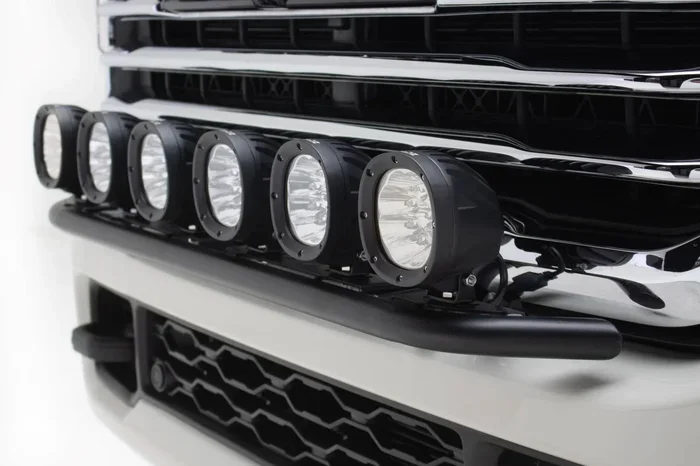
Car front bumper lights have become one of the most popular upgrades for drivers who want better visibility and a standout look. These lights mount right on the front bumper of your vehicle and throw extra light onto the road or trail ahead. They come in many shapes, sizes, and styles, from slim LED strips to heavy-duty light bars.
Whether you commute through dark city streets or explore remote off-road trails, adding car front bumper lights can transform your driving experience. They help you see obstacles earlier, signal other drivers more clearly, and give your truck, SUV, or car a customized appearance that turns heads. In this article, we will cover everything you need to know about choosing, installing, and enjoying the best car front bumper lights for your ride.
Key Takeaways
- Visibility First: Car front bumper lights significantly improve nighttime and off-road visibility, making every drive safer.
- Multiple Options: From LED strips to full light bars, there is a bumper light style for every vehicle and budget.
- Easy Installation: Most car front bumper lights can be installed at home with basic tools and a wiring kit.
- Style Meets Function: These lights add a rugged, modern, or aggressive look while serving a real purpose.
- Durability Matters: Look for waterproof, shock-resistant options built to handle rough terrain and harsh weather.
- Right Fit: Always match your lights to your vehicle size, driving conditions, and local regulations.
📑 Table of Contents
What Are Car Front Bumper Lights?
Car front bumper lights are auxiliary lighting units designed to mount on or near the front bumper of a vehicle. They serve as extra light sources beyond your standard headlights and fog lights. These lights come in many forms, including LED bumper strips, round or rectangular pods, and full-width light bars.
How Do They Work?
Most car front bumper lights use LED technology, which produces bright light while drawing very little power. The LEDs are housed in a durable casing, usually made from aluminum or polycarbonate, that protects them from dust, water, and impacts. They connect to your vehicle’s electrical system through a simple wiring harness, often with a switch mounted inside the cabin for easy control.
Common Types of Bumper Lights
Not all bumper lights are the same. Here are the most common types you will find on the market:
- LED Strip Lights: Thin, flexible strips that mount along the bumper edge. Great for a sleek, modern look.
- Round Pod Lights: Compact circular units that provide focused beams. Popular for off-road use.
- Light Bars: Long, rectangular units that span the width of the bumper. They offer the widest coverage.
- Bumper Grill Lights: Small lights that replace or sit behind the front grille openings. They give a clean, integrated look.
- Fog Light Style Bumper Lights: Designed to cut through fog, rain, and snow with a wide, low-angle beam pattern.
Why Install Car Front Bumper Lights?
Adding car front bumper lights to your vehicle is about more than just looks. These lights deliver real-world benefits that every driver can appreciate. Let us break down the main reasons people choose to install them.
Safety and Visibility
The number one reason drivers add front bumper lights is safety. Standard headlights often fall short when driving on dark rural roads, construction zones, or unpaved trails. Car front bumper lights fill in the dark areas around your vehicle, giving you a much wider field of view. This extra ground illumination helps you spot potholes, animals, debris, and pedestrians much sooner.
Many drivers also use off-road lighting to navigate trails at night. A bright LED light bar mounted on the front bumper can light up the path 100 feet or more ahead, giving you time to react to obstacles. This is especially important when driving at higher speeds on unlit roads.
Style and Appearance
Let us be honest, a big part of why people buy car front bumper lights is the look. These lights give your vehicle a bold, aggressive, or rugged appearance depending on the style you choose. A sleek LED bumper strip gives a modern, premium feel, while a chunky light bar screams off-road capability.
Custom bumper grill lights can also make your car look more aggressive without being over the top. They fill the empty space around the grille and create a cohesive front-end design. Many car enthusiasts consider vehicle lighting upgrades one of the easiest and most affordable ways to completely change the look of their ride.
Added Value to Your Vehicle
Beyond safety and style, car front bumper lights can also increase the resale value of your vehicle. Buyers often look for vehicles that already have quality auxiliary lighting installed. A professional-looking aftermarket lighting setup signals that the owner takes care of their vehicle and has invested in its capability.
Expert Insight
According to automotive lighting specialists, pairing car front bumper lights with your existing projector headlights creates a layered lighting system. This setup provides both long-range visibility and wide-area coverage, which is ideal for mixed driving conditions.
Types of Car Front Bumper Lights Compared
With so many options available, choosing the right type of car front bumper lights can feel overwhelming. The table below compares the most popular types to help you decide.
| Type | Brightness | Best For | Ease of Install | Price Range |
|---|---|---|---|---|
| LED Strip Lights | Medium | Style, city driving, accent lighting | Very Easy | $20 – $80 |
| Round Pod Lights | High | Off-road, trail driving | Easy | $30 – $120 |
| Light Bars | Very High | Off-road, long-range illumination | Moderate | $50 – $300 |
| Bumper Grill Lights | Low to Medium | Clean look, urban driving | Easy | $25 – $100 |
| Fog Style Bumper Lights | Medium | Rain, fog, snow driving | Easy | $30 – $90 |
LED Bumper Lights
LED bumper lights are the most popular choice for a reason. They are energy efficient, last for thousands of hours, and produce very little heat. You can find LED bumper lights in almost any color, size, and beam pattern. Whether you want a subtle accent strip or a powerful driving light, there is an LED option that fits.
One of the biggest advantages of LED automotive lights is their low power draw. You can run multiple LED bumper lights without worrying about draining your battery. This makes them perfect for vehicles that sit parked for long periods or for drivers who use their lights frequently.
Light Bars
Light bars are the heavy hitters of the car front bumper lights world. They produce an intense, focused beam that can reach hundreds of feet ahead. Most light bars are designed for off-road use, where seeing far down the trail is essential.
When shopping for a light bar, pay attention to the lumen rating. Higher lumens mean brighter light, but they also use more power. A light bar with 5,000 to 10,000 lumens is a good range for most off-road applications. Make sure your vehicle’s electrical system can handle the load, or consider adding a dedicated light bar wiring harness.
Bumper Grill Lights
Bumper grill lights offer a clean, factory-integrated look. They sit behind the front grille and provide illumination without adding bulky external fixtures. These lights are perfect for drivers who want a subtle upgrade rather than a bold, aggressive look.
Bumper grill lights work well as daytime running lights or as supplementary driving lights. They are compact, durable, and blend seamlessly with your vehicle’s front end. Many premium truck and SUV models come with factory bumper grill lights as part of their trim packages.
How to Choose the Right Car Front Bumper Lights
Picking the perfect car front bumper lights requires a few key considerations. Not every light is right for every vehicle or every driver. Here is what you should think about before making a purchase.
Brightness and Lumens
The brightness of your bumper lights is measured in lumens. For city and highway driving, 2,000 to 4,000 lumens is usually plenty. If you plan to use your lights off-road or on dark rural roads, look for 5,000 lumens or more. Keep in mind that brighter is not always better, as overly bright lights can blind oncoming traffic and may be illegal in some areas.
Beam Pattern
Car front bumper lights come with different beam patterns. A flood beam spreads light wide, which is great for close-range visibility and off-road trails. A spot beam focuses light into a narrow, long-distance beam, ideal for highway driving. Some lights offer a combo beam that provides both flood and spot coverage.
Durability and Weather Resistance
Since car front bumper lights sit exposed to the elements, durability is critical. Look for lights with an IP67 or IP68 waterproof rating. This ensures they can handle rain, mud, snow, and even full submersion. Shock resistance is also important, especially if you use your vehicle for off-roading where bumps and vibrations are constant.
Ease of Installation
Most car front bumper lights on the market today are designed for DIY installation. You will typically need basic hand tools, a drill for mounting holes, and a wiring kit. Many kits come with everything you need, including brackets, wiring harnesses, and switches. If you are not comfortable with electrical work, a local auto shop can install them for you in about an hour.
Quick Tips for Choosing
- Check your vehicle’s bolt pattern and bumper clearance before buying.
- Choose lights with a color temperature between 5000K and 6000K for the best white light.
- Buy a wiring kit that includes a relay and fuse for safe, clean installation.
- Read customer reviews to learn about real-world performance and durability.
- Make sure the lights comply with local regulations on auxiliary lighting.
Installation Guide for Car Front Bumper Lights
Installing car front bumper lights is a satisfying DIY project that most people can complete in one to two hours. Here is a step-by-step guide to help you through the process.
What You Will Need
Before you start, gather these tools and materials:
- Car front bumper lights of your choice
- Mounting brackets (usually included with the lights)
- Drill with appropriate drill bits
- Wire strippers and crimping tools
- Relay and fuse kit
- Electrical tape and heat shrink tubing
- Wire connectors and zip ties
- Owner’s manual for your vehicle
Step-by-Step Installation Process
Step 1: Plan Your Layout. Hold the lights against your bumper and mark the mounting hole positions. Make sure the lights are level and evenly spaced. Take your time with this step, as proper positioning affects both appearance and light spread.
Step 2: Drill Mounting Holes. Use your drill to create holes for the mounting bolts. Be careful not to drill into any sensors, cameras, or wiring that may be behind the bumper. If you are unsure, consult your vehicle’s manual or a mechanic.
Step 3: Mount the Lights. Secure the lights to the bumper using the provided brackets and bolts. Tighten them firmly but do not over-tighten, as this can crack the bumper or the light housing.
Step 4: Wire the Electrical Connection. Run the wiring from the lights to the battery. Install a relay between the battery and the lights to handle the current safely. Connect the relay to a switch inside your cabin so you can turn the lights on and off easily.
Step 5: Test and Secure. Before finalizing everything, turn on the lights and check that they work properly. Adjust the angle if needed. Once you are satisfied, use zip ties to secure the wiring neatly along the bumper and frame. Apply heat shrink tubing to all exposed connections to protect them from moisture.
Common Mistakes to Avoid
- Skipping the relay: Running high-power lights directly without a relay can blow fuses and damage your electrical system.
- Poor waterproofing: Always use dielectric grease on electrical connections and seal any gaps with silicone to prevent water damage.
- Wrong mounting height: Mounting lights too low can blind oncoming drivers. Position them at bumper height or slightly above for the safest beam pattern.
- Ignoring local laws: Some areas have strict regulations on the color and brightness of auxiliary lights. Check your local rules before installing.
Expert Insight
Professional installers recommend always using a light bar wiring harness with an inline fuse. This protects both your vehicle and your new car front bumper lights from electrical issues. A proper relay setup also ensures the lights get full power without dimming your dashboard lights or draining your battery.
Top Brands and Picks for Car Front Bumper Lights
The market for car front bumper lights is filled with options, but some brands stand out for quality, durability, and performance. Here are a few brands worth checking out:
- Rigid Industries: Known for premium light bars and LED bumper lights with excellent build quality and long warranties.
- KC HiLiTES: A trusted name in off-road lighting with a wide range of auxiliary lights for every budget.
- Fog Light Factory: Offers great value bumper grill lights and fog-style bumper lights that look and perform well.
- Cougar Motor: A popular budget-friendly option for LED bumper strips and simple pod lights.
- PIAA: Known for reliable fog lights and driving lights that work well in wet and foggy conditions.
When choosing a brand, consider warranty coverage, customer support, and the availability of replacement parts. A good brand will stand behind their car front bumper lights with at least a one-year warranty and responsive service.
What to Look for in a Quality Product
Beyond brand reputation, here are specific features to look for in quality car front bumper lights:
- Lens Material: Polycarbonate lenses are more durable and scratch-resistant than glass or plastic.
- Housing Finish: Powder-coated aluminum housings resist corrosion better than bare metal or plastic.
- Beam Focus: Quality lights have adjustable beam focus so you can fine-tune the light pattern.
- Wiring Quality: Thick, weather-resistant wiring with quality connectors ensures a long-lasting electrical connection.
- Mounting Hardware: Stainless steel brackets and bolts hold up better than zinc-plated or painted hardware.
Key Takeaways
- Safety Boost: Car front bumper lights dramatically improve your visibility in low-light conditions.
- Style Upgrade: These lights give your vehicle a personalized, aggressive, or modern look.
- Easy to Install: Most bumper light setups can be done at home with basic tools.
- Right Light for the Right Job: Choose between LED strips, pods, light bars, and grill lights based on your needs.
- Quality Matters: Invest in durable, weather-resistant lights from reputable brands for the best long-term results.
- Proper Wiring Is Key: Always use a relay and fuse to protect your vehicle’s electrical system.
Conclusion
Car front bumper lights are one of the smartest upgrades you can make to your vehicle. They improve safety by giving you better visibility on dark roads and trails. They enhance the style of your ride with a bold, customized look that sets your vehicle apart. And they are surprisingly easy to install, even if you are not a professional mechanic.
Whether you choose sleek LED bumper strips, a powerful light bar, or clean bumper grill lights, the key is to pick a product that matches your driving needs and your vehicle’s style. Take the time to research, choose quality products, and follow proper installation steps. The result will be a safer, better-looking ride that you can enjoy every time you hit the road.
Start your vehicle lighting upgrade today and experience the difference that great car front bumper lights can make. Your eyes, your style, and your confidence on the road will all thank you.
Frequently Asked Questions
Are car front bumper lights legal to use on public roads?
In most areas, car front bumper lights are legal as long as they meet certain brightness and color requirements. White or amber lights are generally permitted. Red and blue lights are typically reserved for emergency vehicles. Always check your local and state regulations before installing auxiliary lights to ensure compliance.
Can I install car front bumper lights myself?
Yes, most car front bumper lights are designed for DIY installation. You will need basic hand tools, a drill, and some electrical wiring knowledge. Many kits come with detailed instructions and all necessary hardware. If you are not comfortable with wiring, a professional auto electrician can complete the installation in about an hour.
How bright should my car front bumper lights be?
Brightness depends on your driving conditions. For city and highway driving, 2,000 to 4,000 lumens is usually sufficient. For off-road use or dark rural roads, look for 5,000 lumens or more. The key is to choose a brightness that improves your visibility without blinding other drivers on the road.
What is the difference between LED bumper lights and traditional halogen bumper lights?
LED bumper lights are far more energy efficient, last longer, and produce brighter light per watt compared to traditional halogen lights. LEDs also run cooler and are more resistant to vibration and shock. While halogen lights may cost less upfront, LED automotive lights offer better long-term value and performance.
Do car front bumper lights drain my car battery?
Modern LED bumper lights draw very little power and should not drain your battery under normal use. However, if you plan to run lights for extended periods with the engine off, you may want to install a dedicated battery or use a light bar wiring setup with a cutoff switch to protect your battery.
What is the best color temperature for car front bumper lights?
A color temperature between 5000K and 6000K produces a clean white light that offers the best visibility and looks great on any vehicle. Lower temperatures (3000K-4000K) produce a warmer yellowish light, while higher temperatures (6500K+) produce a bluish tint. White light in the 5000K-6000K range is the most popular choice for off-road lighting and daily driving.