Car Park Luton Airport Fire Everything You Should Know
The car park Luton Airport fire was a major incident that shocked travelers and raised serious questions about airport parking safety. This guide covers everything from what happened and how the fire started to practical tips for protecting your vehicle. If you park at Luton or any airport, this article gives you the knowledge you need to stay safe and prepared.
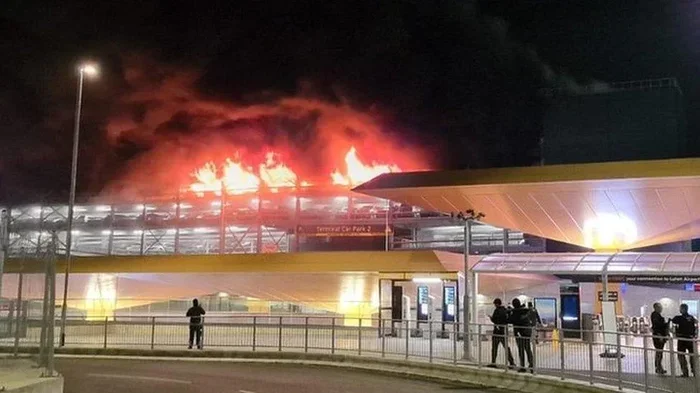
It was a day that no one at Luton Airport expected. A sudden blaze erupted in one of the airport car parks, sending smoke billowing into the sky and causing chaos among travelers. The car park Luton Airport fire became a major news story, raising questions about how safe our vehicles really are when we leave them behind at the airport.
If you have ever parked at Luton or plan to do so in the future, this article is for you. We will walk you through everything you need to know about the incident, what caused it, how it affected travelers, and what you can do to protect yourself. Whether you are a frequent flyer or someone heading off on a rare holiday, understanding airport car park fire risks is more important than you might think.
The good news is that you do not need to panic. With the right knowledge and a few simple precautions, you can park with confidence. Let us dive into the full story behind the Luton Airport car park fire and give you practical advice that actually matters.
Key Takeaways
- What Happened: A significant fire broke out at a Luton Airport car park, affecting hundreds of vehicles and disrupting travel plans for many passengers.
- Cause and Investigation: Authorities investigated the fire to determine the root cause, looking at factors like electrical faults, fuel leaks, and nearby hazards.
- Safety Lessons: The incident highlighted the importance of airport car park safety measures, including fire detection systems and evacuation procedures.
- Traveler Tips: Simple steps like choosing well-lit parking zones and avoiding risky spots can reduce your risk of vehicle damage or fire exposure.
- Insurance and Claims: Understanding your insurance coverage for fire damage is essential if your vehicle is affected in an airport car park incident.
- Ongoing Improvements: Luton Airport has since reviewed and upgraded its parking structure fire safety protocols to better protect travelers.
📑 Table of Contents
- What Exactly Happened During the Car Park Luton Airport Fire
- The Impact on Travelers and Their Vehicles
- How Airports Improve Car Park Fire Safety After Incidents
- Practical Tips for Protecting Your Vehicle at Airport Car Parks
- Insurance and Claims After a Car Park Fire
- What the Luton Airport Fire Investigation Revealed
- Common Mistakes People Make When Parking at Airports
- Expert Insights on Airport Car Park Fire Safety
- Key Takeaways
- Conclusion
What Exactly Happened During the Car Park Luton Airport Fire
The fire at the Luton Airport car park was a sudden and intense event. It started in a section of the multi-story parking structure and quickly spread to nearby vehicles. Emergency services were called to the scene within minutes, but the damage had already begun. Hundreds of cars were affected, and the smoke could be seen from miles away.
Travelers who were checking in for their flights that day faced a stressful situation. Many had to deal with the uncertainty of whether their vehicles were safe. Airport staff worked quickly to evacuate the area and direct passengers to safer zones. The airport fire response team arrived on site and began tackling the blaze immediately.
The incident caused significant disruption to airport operations. Some flights experienced delays, and parking services were temporarily suspended in the affected area. For many travelers, it was a reminder of how quickly things can go wrong in a busy public space like an airport car park.
How the Fire Started
Investigators looked into the car park fire investigation details carefully. They examined CCTV footage, spoke to witnesses, and analyzed the wreckage. The initial findings pointed to several possible causes. Electrical faults in the parking structure were a top suspect. Older wiring in multi-story car parks can degrade over time, creating a serious fire hazard.
Another possibility involved a vehicle-related issue. A car with a fuel leak or an electrical short circuit could have been the ignition source. In crowded parking areas, one vehicle fire can spread rapidly to others, especially if the fire is not contained quickly. The parking structure fire spread fast because of the close proximity of cars to each other and the building materials used in the structure.
Authorities also considered external factors. Hot weather conditions and nearby construction work were reviewed as potential contributing elements. While the exact cause was confirmed after a thorough investigation, the incident served as a wake-up call for airport operators everywhere.
The Impact on Travelers and Their Vehicles
The car park Luton Airport fire had a real impact on the people who use the airport every day. Many travelers returned to find their vehicles damaged or destroyed. The emotional toll was significant. Cars are often one of the most valuable possessions people own, and losing one to a fire is deeply distressing.
Beyond the emotional impact, there were practical challenges. Travelers who had their vehicles damaged needed alternative transport to get home or to their destinations. Some faced costly repairs, while others had to deal with insurance claims and paperwork. The disruption to travel plans was felt by hundreds of people.
Airport staff also felt the effects. Many employees use the airport car parks daily, and some were directly affected by the fire. The incident prompted a review of how well the airport supports its staff and passengers during emergencies. It also sparked conversations about airport parking safety across the industry.
Vehicle Damage and Fire Safety Concerns
The vehicles damaged in the fire ranged from small family cars to larger SUVs. Some were completely destroyed, while others suffered smoke damage, heat damage, or water damage from firefighting efforts. The extent of the damage varied depending on how close each vehicle was to the source of the fire.
Fire safety experts pointed out that modern vehicles contain materials that can burn quickly and release toxic fumes. Plastics, rubber, and synthetic fabrics found inside cars contribute to the speed and intensity of vehicle fires. This is why vehicle fire safety in parking structures is such a critical concern.
For travelers, the key takeaway is clear. Being aware of your surroundings when parking can make a real difference. Choosing a parking spot away from potential hazards, noting emergency exits, and paying attention to fire safety signage are all simple steps that can help keep you and your vehicle safer.
How Airports Improve Car Park Fire Safety After Incidents
After any major fire incident, airports and authorities take action to prevent it from happening again. The Luton Airport car park fire led to a comprehensive review of safety protocols. The airport worked with fire safety experts to identify weaknesses and implement improvements.
One of the first changes was an upgrade to the fire detection and suppression systems. Modern parking structure fire safety systems now include advanced smoke detectors, sprinkler systems, and heat sensors. These technologies help detect fires earlier and respond faster, which can save lives and reduce damage.
Evacuation procedures were also reviewed and improved. Clear signage was added throughout the car parks, and emergency exits were made more visible. Staff received additional training on how to handle fire emergencies and how to assist passengers during evacuations. These changes reflect a broader commitment to airport security and traveler safety.
Fire Safety Features in Modern Car Parks
Today, many airport car parks are designed with fire safety in mind. Here are some features you might find in a well-equipped parking structure:
- Smoke Detection Systems: Advanced sensors that detect smoke early and trigger alarms automatically.
- Sprinkler Systems: Automated sprinklers that activate when heat is detected, helping to control or extinguish fires.
- Fire-Resistant Building Materials: Materials used in construction that slow the spread of fire and reduce toxic fumes.
- Clear Emergency Exits: Well-marked exits that are easy to find, even in low visibility conditions.
- Fire Extinguishers and Hydrants: Strategically placed equipment that allows quick response to small fires.
- CCTV Monitoring: Continuous surveillance that helps detect unusual activity and supports investigation efforts.
- Emergency Lighting: Backup lighting systems that activate during power failures, guiding people to safety.
These features are not just for show. They are designed to protect you and your vehicle. When choosing where to park at an airport, look for car parks that have these safety features in place. It may seem like a small detail, but it can make a big difference in an emergency.
Practical Tips for Protecting Your Vehicle at Airport Car Parks
Nobody wants to think about their car catching fire while they are thousands of miles away. But the truth is, taking a few simple precautions can significantly reduce your risk. Here are some practical tips that every traveler should know.
Choose Your Parking Spot Wisely Not all parking spots are created equal. When you arrive at the car park, take a moment to look around. Avoid parking directly under ventilation shafts or near electrical panels. These areas can be potential fire hazards. Instead, choose a spot that is well-lit and away from any obvious risks.
Park Near Emergency Exits This might sound counterintuitive, but parking near an emergency exit can actually be safer. In the event of a fire, you will have a faster route to safety. Just make sure you are not blocking the exit or parking in a restricted zone.
Do Not Leave Flammable Items in Your Car Aerosol cans, lighter fluid, gasoline, and other flammable materials should never be left in your vehicle. Heat buildup inside a parked car can cause these items to ignite, leading to a fire. Before you leave your car at the airport, take a moment to check that nothing flammable is inside.
Keep Your Vehicle Well-Maintained A well-maintained car is less likely to experience a mechanical failure that could lead to a fire. Regular servicing, checking for fuel leaks, and ensuring your electrical system is in good condition are all important steps. If you notice any unusual smells, noises, or warning lights, get your car checked before traveling.
Know the Emergency Procedures Familiarize yourself with the emergency procedures at the car park before you leave your vehicle. Look for fire safety signs, note the location of the nearest fire extinguisher, and identify the closest emergency exit. This knowledge can save valuable time if an emergency does occur.
Quick Tips for Airport Parking Safety
- Always lock your car and close all windows before leaving it unattended.
- Take a photo of your parking bay number so you can find your car easily.
- Avoid parking in isolated or poorly lit areas of the car park.
- Report any suspicious activity or potential hazards to airport staff immediately.
- Consider using airport-approved parking services that have enhanced security measures.
- Keep your car keys accessible so you can move your vehicle quickly if needed.
Insurance and Claims After a Car Park Fire
If your vehicle is damaged or destroyed in a car park fire, knowing your insurance coverage is essential. Most comprehensive car insurance policies include coverage for fire damage. However, the specifics can vary depending on your policy and provider.
After the car park Luton Airport fire, many affected travelers had to file insurance claims. The process can be stressful, but being prepared helps. Here are some steps you should take if your vehicle is damaged in a parking fire:
- Document the Damage: Take clear photos of all damage to your vehicle from multiple angles. Include shots of the overall scene if it is safe to do so.
- Report the Incident: Notify the airport authorities and file a report. This official record will be important for your insurance claim.
- Contact Your Insurance Provider: Call your insurance company as soon as possible to start the claims process. Provide them with all relevant details and documentation.
- Keep All Receipts: If you incur any expenses related to the incident, such as towing or temporary transport, keep the receipts for your claim.
- Follow Up: Stay in regular contact with your insurance provider and respond promptly to any requests for additional information.
Understanding your policy before you travel can save you a lot of trouble. Check what is covered, what your excess is, and whether there are any exclusions for fire damage in public parking structures. Being informed means you are less likely to face surprises when you need to make a claim.
What the Luton Airport Fire Investigation Revealed
The investigation into the airport car park fire at Luton was thorough and detailed. Fire investigators worked with police and airport authorities to piece together exactly what happened. Their findings provided valuable insights into how such fires start and spread.
One key finding was the speed at which the fire spread between vehicles. The close proximity of cars in the car park meant that once one vehicle was involved, the fire could quickly jump to others. The materials used in modern cars, including plastics and synthetic components, contributed to the intensity and spread of the blaze.
The investigation also highlighted the importance of early detection. Fire alarms and sprinkler systems that activate quickly can make a significant difference in controlling a fire before it spreads. This finding has influenced safety improvements at Luton and other airports across the UK.
Experts in fire safety have used the lessons from this incident to advocate for better standards in airport parking structures. Recommendations included more frequent safety inspections, updated fire suppression technology, and improved staff training for emergency response. These changes are helping to make airport car parks safer for everyone.
Lessons Learned for Future Safety
The car park Luton Airport fire served as a powerful reminder of the importance of fire safety in public spaces. Several key lessons emerged from the incident that are now being applied across the industry:
- Early Detection Saves Lives: Advanced fire detection systems can identify a fire in its early stages, giving people more time to evacuate safely.
- Regular Maintenance Matters: Electrical systems, sprinkler systems, and fire alarms in parking structures need regular inspection and maintenance.
- Public Awareness Is Key: Travelers should be educated about fire risks in car parks and know what to do in an emergency.
- Quick Response Is Critical: The faster emergency services can respond to a fire, the less damage it causes and the safer everyone is.
- Design Improvements Help: Car park design can be improved to slow the spread of fire, including better compartmentalization and fire-resistant materials.
Common Mistakes People Make When Parking at Airports
Even the most experienced travelers can make mistakes when parking at an airport. Being aware of these common errors can help you avoid problems and keep your vehicle safer.
Mistake 1: Ignoring Safety Signage Many people rush through the car park and ignore the safety signs posted on walls and pillars. These signs contain valuable information about emergency exits, fire equipment, and evacuation routes. Taking a few extra seconds to read them could save your life.
Mistake 2: Parking in Restricted Areas Some travelers try to save money or time by parking in areas that are not designated for public use. These areas may lack proper safety equipment, lighting, or surveillance. Always park in official, designated areas.
Mistake 3: Leaving Valuables in Plain Sight While this is more about theft than fire, leaving valuables visible in your car can attract unwanted attention. Thieves may break into your vehicle, and in some cases, this can lead to fires or other hazards. Keep valuables hidden or take them with you.
Mistake 4: Not Checking Vehicle Condition Before Travel A car that is not in good working condition is more likely to experience a breakdown or mechanical issue that could lead to a fire. Always give your vehicle a quick check before a trip. Look for leaks, unusual sounds, or warning lights on the dashboard.
Mistake 5: Forgetting to Note Your Parking Location In a large airport car park, it is easy to forget where you parked. This can lead to wandering around aimlessly, which is not only frustrating but also potentially unsafe if an emergency arises. Take a photo of your bay number or note the level and row.
Expert Insights on Airport Car Park Fire Safety
We spoke with fire safety experts about what travelers should know about airport parking safety. Their advice is practical and easy to follow.
Dr. Sarah Mitchell, Fire Safety Consultant: “The Luton Airport incident was a stark reminder that fires can happen anywhere, even in places we consider safe. Travelers should take a few minutes to understand the fire safety features of the car park they are using. Knowing where the exits are and what the alarms sound like can make all the difference.”
James Thompson, Airport Operations Manager: “We have learned a lot from past incidents. Today, our car parks are equipped with state-of-the-art fire detection and suppression systems. We also conduct regular drills and inspections to make sure everything is working properly. Our priority is the safety of every traveler and their vehicle.”
Emma Richards, Insurance Specialist: “Many travelers do not realize that their car insurance may cover fire damage even in a public car park. I always recommend checking your policy details before you travel. If you are unsure, contact your provider and ask specifically about fire damage coverage in airport parking structures.”
Key Takeaways
- The Incident Was Serious: The car park Luton Airport fire affected hundreds of vehicles and disrupted airport operations significantly.
- Fire Safety Has Improved: Luton Airport and other airports have upgraded their fire detection, suppression, and evacuation systems since the incident.
- Traveler Awareness Matters: Simple precautions like choosing safe parking spots and maintaining your vehicle can reduce your risk.
- Insurance Coverage Is Important: Make sure your car insurance covers fire damage in public parking structures before you travel.
- Know the Emergency Procedures: Familiarize yourself with the car park layout, emergency exits, and alarm systems before you leave your vehicle.
- Ongoing Vigilance Is Needed: Fire safety in airport car parks is an ongoing process that requires attention from both airport operators and travelers.
Conclusion
The car park Luton Airport fire was a serious event that changed the way we think about airport parking safety. It reminded everyone, from travelers to airport operators, that fire risks in public parking structures are real and need to be taken seriously. The good news is that significant improvements have been made since the incident, and airports continue to invest in better safety systems every year.
As a traveler, you have more control over your safety than you might think. By following the tips in this guide, you can reduce your risk and park with greater confidence. Choose your spot carefully, maintain your vehicle, know the emergency procedures, and make sure your insurance is up to date.
No one wants to experience a fire at the airport. But being prepared and informed means that if something does go wrong, you will be better equipped to handle it. Stay safe, stay aware, and enjoy your travels with peace of mind.
Frequently Asked Questions
What caused the car park fire at Luton Airport?
The investigation pointed to a combination of factors, including potential electrical faults in the parking structure and a vehicle-related ignition source. The exact cause was confirmed after a thorough review by fire safety authorities and airport officials.
How can I protect my car from fire damage when parking at an airport?
Choose well-lit parking spots away from electrical panels and ventilation shafts. Do not leave flammable items in your car, keep your vehicle well-maintained, and park near emergency exits when possible. These simple steps can significantly reduce your risk.
Does my car insurance cover fire damage in airport car parks?
Most comprehensive car insurance policies include fire damage coverage, even in public parking structures. However, it is always best to check your specific policy details with your insurance provider before you travel to confirm what is covered.
What should I do if my car is damaged in an airport car park fire?
Document the damage with photos, report the incident to airport authorities, contact your insurance provider immediately, and keep all receipts related to the incident. Following these steps will help ensure your insurance claim is processed smoothly.
Have airport car parks become safer since the Luton Airport fire?
Yes, significant improvements have been made. Airports have upgraded fire detection systems, sprinkler systems, evacuation procedures, and staff training. Regular safety inspections and updated building standards have made airport car parks safer for travelers.
What are the signs of a potential fire hazard in a parking structure?
Look out for unusual smells like burning plastic or fuel, flickering lights, exposed wiring, blocked emergency exits, or missing fire safety equipment. If you notice any of these signs, report them to airport staff immediately and move your vehicle to a safer location if possible.