Does Car Insurance Cover Hail Damage To Your Vehicle
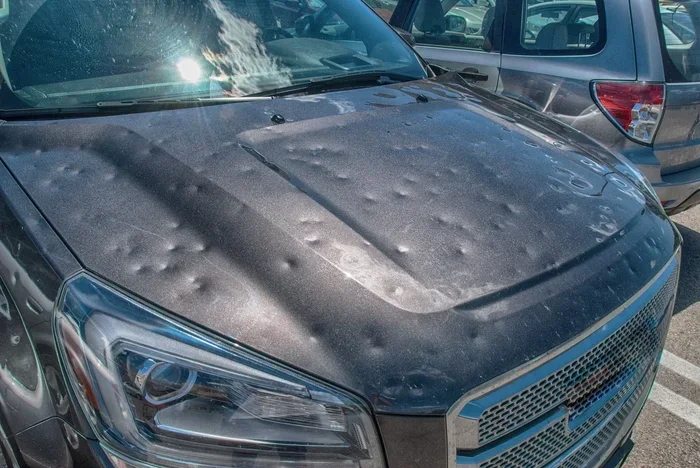
Does car insurance cover hail damage? The short answer is yes, but only if you have comprehensive coverage on your policy. Hail damage falls under weather-related car damage, and your auto insurance claim will depend on your deductible, policy limits, and the severity of the damage. This guide walks you through everything you need to know about filing a claim, getting repaired, and protecting your vehicle from future storms.
This is a comprehensive guide about Does Car Insurance Cover Hail Damage.
Key Takeaways
- Comprehensive coverage is required: Liability-only policies do not cover hail damage. You need comprehensive auto insurance for hail-related claims.
- Your deductible matters: You will pay your deductible out of pocket before insurance covers the rest of the repair cost.
- Claims can affect your premium: Filing a hail damage claim may raise your insurance premium, depending on your insurer and state.
- Paintless dent repair works well: Many hail dents can be fixed using paintless dent repair, which is faster and often cheaper than traditional bodywork.
- Document everything: Take photos, keep receipts, and get multiple repair estimates before settling on a shop.
- Act quickly: File your claim as soon as possible after the storm to avoid delays and complications.
- Total loss is possible: If damage exceeds your car’s value, your insurer may declare it a total loss and offer a payout.
[FEATURED_IMAGE_PLACEHOLDER]
Does Car Insurance Cover Hail Damage To Your Vehicle
Hailstorms can turn a nice day into a nightmare for your car. One minute you are driving home, and the next you are staring at a roof full of dents and cracks. The big question on every car owner’s mind is simple: does car insurance cover hail damage?
The answer depends on your policy type, your coverage limits, and your deductible. If you have comprehensive auto insurance, you are likely covered. But if you only carry liability insurance, you may be paying for repairs out of your own pocket. Let us break this down in detail so you know exactly what to expect.
Understanding your car insurance policy before a storm hits can save you a lot of stress. This guide covers everything from the claims process to repair options. We will also share tips on how to avoid common mistakes when filing a weather-related claim. By the end, you will feel confident about your coverage and your next steps.
What Is Comprehensive Coverage and Why Does It Matter
Comprehensive coverage is the type of car insurance that pays for damage not caused by a collision. This includes hail, falling trees, theft, vandalism, and flooding. If you want your insurer to pay for hail damage repair, comprehensive coverage is a must.
Here is how it works in simple terms. You pay a monthly premium for your policy. In return, your insurer agrees to cover non-accident damage up to your policy limits. When hail damages your car, you file a comprehensive claim. The insurer pays for repairs minus your deductible.
Not everyone has comprehensive coverage. Some drivers drop it to save money on their insurance premium. This is fine for newer drivers on a tight budget. But if you live in a region prone to hailstorms, dropping comprehensive coverage can be a costly mistake.
What Does Comprehensive Coverage Include
Comprehensive coverage protects your vehicle from many non-collision events. Here are the most common situations it covers:
- Hail damage to the roof, hood, and body panels
- Storm damage from wind, rain, and flooding
- Falling objects like tree branches or debris
- Theft and vandalism
- Fire damage
- Animal collisions
- Glass damage including cracked windshields
Notice that collision coverage is different. Collision coverage pays for damage from accidents with other vehicles or objects. It does not cover weather-related events. So if your car gets hit by hail, collision coverage will not help. Only comprehensive coverage will.
How the Hail Damage Claim Process Works
Filing an auto insurance claim for hail damage is straightforward, but it does take some effort. The sooner you act after a storm, the better your chances of a smooth process. Here is a step-by-step look at what to expect.
Step 1: Document the Damage
Before you do anything else, take photos. Walk around your car and photograph every dent, crack, and scratch. Capture close-up shots and wide-angle photos. This evidence will be critical when you talk to your insurance adjuster.
Also, write down the date and time of the storm. If you have a dashcam or security camera, save the footage. Some insurers even ask for weather reports to confirm the event. All of this helps speed up your weather-related claim.
Step 2: Contact Your Insurance Company
Call your insurance provider or use their app to start the claim. You will need your policy number, photos, and a description of the damage. Most companies allow you to file a claim online or over the phone. The representative will assign you a claim number and explain next steps.
Be honest and thorough when describing the damage. Do not exaggerate or minimize anything. Your insurance adjuster will inspect the vehicle and verify your claims. Misrepresentation can lead to a denied claim or even policy cancellation.
Step 3: Get an Estimate
Your insurer may ask you to get a repair estimate from a licensed shop. Some companies have preferred shops they work with. Others let you choose. Either way, get at least two estimates if possible. This ensures you are not overpaying or undercounting the damage.
If your car has paintless dent repair needs, make sure the estimator knows about this method. It is often faster and less expensive than traditional bodywork. Your insurer may prefer it because it costs less to fix.
Step 4: Pay Your Deductible
Your deductible is the amount you pay before insurance kicks in. If your deductible is $500 and repairs cost $2,000, you pay $500 and your insurer pays $1,500. Deductibles for comprehensive claims typically range from $250 to $1,000 depending on your policy.
Choose a deductible you can afford. A lower deductible means a higher monthly premium. A higher deductible saves you money each month but costs more when you file a claim. Think about your budget and local weather risks when deciding.
Step 5: Get Repaired and Receive Your Payout
Once the estimate is approved, you can take your car to the repair shop. The insurer pays the shop directly for the covered amount. You pay your deductible. After repairs are complete, you get your car back and your claim is closed.
If the damage is severe and costs more than your car is worth, your insurer may declare a total loss. In this case, you receive a payout equal to the car’s market value minus your deductible. You can then use that money to buy a replacement vehicle.
Does Filing a Hail Damage Claim Raise Your Premium
This is one of the most common concerns among drivers. The short answer is: it depends. Here is what you need to know.
Most insurers treat weather-related claims differently from at-fault accident claims. A hail damage claim is not your fault, so many companies will not raise your premium for it. However, some insurers do increase rates after any claim, regardless of fault.
Your state also plays a role. Some states have regulations that limit how much insurers can raise rates after a non-accident claim. Other states give insurers more freedom to adjust premiums. Check with your provider to understand their specific policies.
One thing to keep in mind: multiple claims within a short period can trigger a rate increase. If you file a hail claim and then another claim a few months later, your insurer may view you as a higher risk. A single hail claim is usually not a problem.
Common Mistakes to Avoid When Filing a Hail Damage Claim
Mistakes during the claims process can cost you time and money. Here are the most common errors drivers make and how to avoid them.
Waiting Too Long to File
Every insurance policy has a time limit for filing claims. Some require you to report damage within 30 days. Others give you 90 days. Waiting too long can result in a denied claim. Act quickly after a storm and file as soon as you have documented the damage.
Not Getting Enough Photos
Photos are your best friend during a claim. Drivers sometimes take a few quick snaps and move on. But your insurance adjuster needs clear, detailed images to approve your claim. Take photos from every angle and of every damaged panel. Do not skip this step.
Choosing the Wrong Repair Shop
Some insurers have preferred repair shops. These shops work directly with the insurer and often provide warranty-backed repairs. But you are not required to use them. If you prefer a different shop, you can choose it. Just make sure it is licensed and reputable.
Also, be careful about signing paperwork too quickly. Some repair shops may pressure you to sign a settlement that does not cover the full cost of repairs. Read every document carefully before signing.
Ignoring Small Dents
Small dents might seem unimportant, but they can lead to bigger problems. Hail dents can crack paint and cause rust over time. Address all damage, even the small spots, to prevent costly repairs down the road. This is especially true if you plan to sell or trade in your vehicle later.
How to Protect Your Car from Future Hail Damage
You cannot prevent hailstorms, but you can take steps to reduce the risk of damage. Here are some practical tips every car owner should follow.
- Park in a garage or covered area: This is the best protection. A garage or carport can save your car from direct hail impact.
- Use a hail blanket or car cover: Specialized hail covers are designed to absorb impact and protect your paint. They are worth the investment if you live in a hail-prone area.
- Monitor weather alerts: Download a weather app and enable notifications for severe storm warnings. When you see hail in the forecast, move your car indoors if possible.
- Check your policy regularly: Make sure your comprehensive coverage is active and your deductible is affordable. Review your policy at least once a year.
- Keep an emergency kit in your car: Include a first aid kit, flashlight, and phone charger. After a storm, you may need to document damage quickly.
Taking these precautions can save you from unexpected repair bills. Even a simple car cover can make a huge difference during a hailstorm.
Quick Tips for a Smooth Hail Damage Claim
Want to make the claims process as easy as possible? Follow these quick tips:
- File your claim the same day you notice the damage.
- Take clear photos from multiple angles.
- Keep all receipts for temporary repairs like tarps or tape.
- Ask your insurer for a list of approved repair shops.
- Get at least two repair estimates before committing to a shop.
- Do not sign any settlement documents until you are satisfied with the offer.
- Keep copies of all communication with your insurer.
These small steps can make a big difference in how quickly and smoothly your claim is processed. Most drivers who follow these tips report a faster resolution and better repair results.
Understanding Hail Damage Repair Options
Once your claim is approved, you need to decide how to repair your car. There are several options available, and the right choice depends on the severity of the damage and your budget.
Paintless Dent Repair
Paintless dent repair (PDR) is the most popular method for hail damage. Technicians use special tools to gently massage dents out from behind the panel. No paint or fillers are needed. This method preserves your original factory finish and is much faster than traditional repairs.
PDR works best for small to medium dents where the paint is not cracked. Most hail dents fall into this category. The process can often be completed in one to two days, and it is usually more affordable than conventional bodywork.
Traditional Body Repair
For severe damage where the paint is cracked or the metal is bent, traditional body repair may be needed. This involves filling, sanding, priming, and repainting the affected area. It takes longer and costs more than PDR, but it is necessary for major damage.
If your car needs traditional repairs, make sure your insurer covers OEM (original equipment manufacturer) parts. Some policies allow aftermarket parts, which are cheaper but may not fit or last as long. Ask your adjuster about parts options before repairs begin.
When a Total Loss Makes Sense
In rare cases, hail damage is so extensive that repairs cost more than the car is worth. Your insurer will declare a total loss and offer you a payout. This payout is based on the car’s pre-storm market value, minus your deductible.
If you receive a total loss payout, you can use the money to buy a replacement vehicle. Keep in mind that the payout may not cover the full cost of a new car, especially if your old vehicle had high mileage or existing wear and tear.
FAQ: Your Top Questions About Hail Damage and Car Insurance Answered
Does full coverage car insurance cover hail damage?
Yes, full coverage includes both collision and comprehensive coverage. Since hail damage is a non-collision event, your comprehensive coverage pays for the repairs. Liability-only policies do not cover hail damage at all.
How long does it take to process a hail damage insurance claim?
Most claims are processed within 5 to 14 business days. Simple claims with clear damage may be resolved faster. Complex claims or those requiring multiple estimates can take longer. The key is to submit all documentation promptly to avoid delays.
Will my insurance pay for a rental car while mine is being repaired?
This depends on your policy. Some comprehensive policies include rental car coverage or loss-of-use benefits. Check your policy details or ask your agent. If you do not have this coverage, you will need to pay for a rental car yourself during the repair period.
Can I file a hail damage claim if the damage is minor?
Yes, you can file a claim for any amount of damage. However, consider your deductible carefully. If the repair cost is close to or below your deductible, it may not be worth filing a claim. Paying out of pocket could save you from a potential premium increase.
What if my insurance company denies my hail damage claim?
You have the right to appeal a denied claim. Review the denial letter carefully to understand the reason. Gather additional evidence like photos, weather reports, and repair estimates. Contact your insurer to discuss the denial and provide any missing documentation.
Does a hail damage claim affect my no-claims discount?
In most cases, a non-fault weather claim like hail damage does not affect your no-claims discount. However, this varies by insurer and state. Contact your insurance provider to confirm how a hail claim impacts your specific discount and driving record.
Conclusion
Does car insurance cover hail damage? Yes, it does, as long as you have comprehensive coverage on your policy. Understanding your car insurance policy, knowing how to file a claim, and taking steps to protect your vehicle can make all the difference when a storm hits.
Remember to document every detail, act quickly, and choose a reputable repair shop. Whether your car needs paintless dent repair or a full body job, the right approach will save you time and money. Stay proactive, stay informed, and your car will be back on the road in no time.
Take a few minutes today to review your policy. Make sure your comprehensive coverage is active and your deductible is one you can afford. A little preparation now can save you from a big headache later. Your car deserves the best protection, and a solid insurance policy is the foundation of that protection.
Frequently Asked Questions
What is Does Car Insurance Cover Hail Damage?
Does Car Insurance Cover Hail Damage is an important topic with many practical applications.