How Do You Reset The Oil Change Maintenance Indicator
Resetting the oil change maintenance indicator is a simple process that every car owner should know. This guide walks you through the exact steps for different car brands, explains why the light comes on, and shares tips to keep your engine running smoothly. You will learn how to clear the oil change maintenance indicator quickly and confidently without visiting a dealer.
That little yellow or orange light on your dashboard just started blinking. It says something about oil or maintenance, and you are not sure what to do. Resetting the oil change maintenance indicator might seem intimidating, but it is actually quite simple once you know the steps.
Every car has a system that tracks when your oil needs replacing. This system is called the oil life monitor or maintenance reminder. It uses algorithms to watch your driving habits and tell you when it is time for an oil change. Sometimes the light stays on even after you get fresh oil. That is when you need to reset it. In this guide, we will walk you through the entire process. You will learn what the light means, how to reset it on different car brands, and how to avoid common mistakes.
Whether you drive a Ford, Toyota, Honda, or Chevrolet, this guide has you covered. We will break everything down into easy steps. No mechanic jargon. No confusing manuals. Just clear, practical advice you can use right away. Let us get started.
Key Takeaways
- Resetting the oil change light is different for every car brand: Ford, Toyota, Honda, Chevrolet, and BMW all have unique steps.
- Always change the oil before resetting the indicator: Resetting without an oil change can damage your engine.
- The oil life monitoring system tracks driving conditions: It adjusts service intervals based on your driving habits.
- Common mistakes include skipping the oil change and ignoring low oil warnings: Both can lead to costly repairs.
- Most resets take under two minutes: You can do it yourself at home with no tools needed.
- Regular oil changes extend engine life: Staying on top of your maintenance schedule saves money in the long run.
📑 Table of Contents
- Understanding the Oil Change Maintenance Indicator
- How to Reset the Oil Change Maintenance Indicator
- Common Mistakes When Resetting the Oil Change Maintenance Indicator
- Understanding Your Oil Life Monitoring System
- Tips for Keeping Your Oil Change Schedule on Track
- Final Thoughts on Resetting the Oil Change Maintenance Indicator
Understanding the Oil Change Maintenance Indicator
What Is an Oil Change Maintenance Indicator?
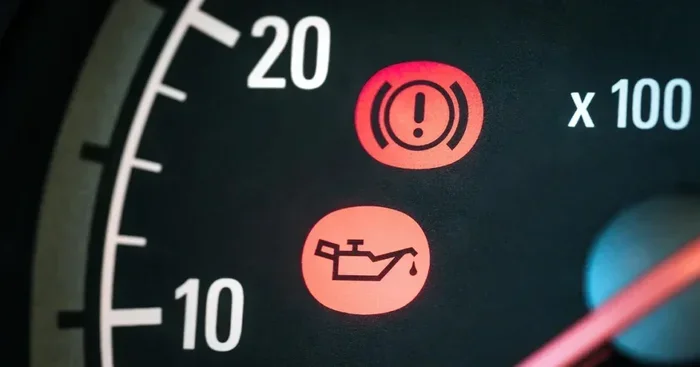
The oil change maintenance indicator is a warning light on your dashboard. It tells you when your car needs an oil change. Different cars show different symbols. Some display a wrench icon. Others show the words “OIL” or “MAINT.” The light is part of your car’s onboard diagnostics system.
This system is also called the oil life monitoring system. It tracks how much you drive, the temperature conditions, and your driving style. Based on this data, it calculates when the oil is no longer effective. When the system determines the oil needs replacing, it triggers the warning light.
Not all cars use the same type of indicator. Older vehicles use a simple mileage-based reminder. Newer vehicles use a smart system that adjusts based on real-time driving conditions. Both systems serve the same purpose. They protect your engine by reminding you to change the oil on time.
Why Does the Oil Change Light Come On?
The light comes on for a few reasons. The most common reason is that your oil life has reached zero percent. The system has determined that the oil is no longer providing proper protection. Another reason could be a drop in oil pressure. If the oil level is too low, the light may flash or stay solid.
Sometimes the light stays on after an oil change. This happens when the system has not been reset. The computer still thinks the oil is old. Resetting the indicator tells the car that fresh oil has been installed. It also resets the countdown timer for the next oil change.
It is important to pay attention to this light. Ignoring it can lead to engine damage. Old oil loses its ability to lubricate moving parts. This causes increased friction and heat. Over time, this can lead to serious engine problems. If you are unsure whether you can keep driving with the light on, check our guide on Can I Drive My Car With The Trac Off Light On for more insight into dashboard warning lights.
How to Reset the Oil Change Maintenance Indicator
Resetting the maintenance light is different for every car brand. The good news is that most resets take less than two minutes. You do not need any special tools. You just need to follow the right steps for your vehicle. Below, we cover the most popular car brands and their reset procedures.
Reset Steps for Ford Vehicles
Ford vehicles use a straightforward reset process. Start by turning the ignition to the “ON” position. Do not start the engine. Press the gas pedal all the way to the floor and hold it there. Wait for the oil change light to start flashing. This usually takes about three seconds. Release the gas pedal. The light should now be flashing. Turn the ignition off and then back on. The light should be off. If it is still on, repeat the process.
For newer Ford models with a touchscreen display, the process is slightly different. Go to the main menu on the touchscreen. Navigate to “Settings.” Choose “Vehicle Maintenance.” Select “Oil Life Reset.” Follow the on-screen prompts to confirm the reset. The light should turn off immediately.
Reset Steps for Toyota and Honda Vehicles
Toyota and Honda vehicles share a similar reset process. Start by turning the ignition to the “ON” position. Make sure the engine is off. Press and hold the trip reset button on the dashboard or steering wheel. While holding the button, turn the ignition to the “ON” position again. Keep holding the button for about ten seconds. The oil change light should start blinking. Release the button. The reset is complete.
For Toyota models with a digital odometer, you may need to use the trip meter reset stalk. Turn the ignition to “ON.” Press and hold the trip meter reset button. The maintenance light should blink and then turn off. For Honda vehicles, the process is very similar. Use the trip reset button and hold it while cycling the ignition.
Reset Steps for Chevrolet and GMC Vehicles
Chevrolet and GMC vehicles have their own reset method. Turn the ignition to the “ON” position without starting the engine. Press the gas pedal three times quickly within five seconds. The oil change light should flash. This confirms that the system has entered reset mode. Turn the ignition off and then back on. The light should be cleared.
For newer Chevrolet trucks and SUVs with a touchscreen, go to the vehicle settings menu. Find the “Service” or “Maintenance” section. Select “Oil Life System Reset.” Confirm the selection. The light will turn off and the oil life counter will reset to 100 percent.
Reset Steps for BMW and Luxury Vehicles
BMW and other luxury vehicles use a slightly more involved process. Turn the ignition to the “ON” position without starting the engine. Press and hold the trip button on the instrument cluster. While holding the button, press the start/stop button once. Keep holding the trip button for about ten seconds. The maintenance light should start flashing. Release the button. The reset is complete.
Some BMW models require you to use the iDrive system. Navigate to “Vehicle Info.” Select “Vehicle Status.” Choose “Maintenance.” Press “Reset” to clear the oil change reminder. Always refer to your owner’s manual for the exact steps specific to your model.
Common Mistakes When Resetting the Oil Change Maintenance Indicator
Resetting Without Changing the Oil
The biggest mistake people make is resetting the light without actually changing the oil. This is a bad idea. The oil change indicator exists to protect your engine. If you reset it with old oil still inside, you are ignoring your engine’s needs. Old oil breaks down over time. It loses its viscosity and ability to lubricate. This leads to increased wear on engine components.
Always change the oil first. Then reset the indicator. This simple habit will keep your engine healthy for years. If you are unsure about whether your car needs an oil change, you might also want to check if certain driving habits affect your car’s systems. For instance, some drivers wonder whether they can Can You Drive A Car With A Misfire — and the answer is usually no, as ignoring warning signs leads to bigger problems.
Forgetting to Check the Oil Level
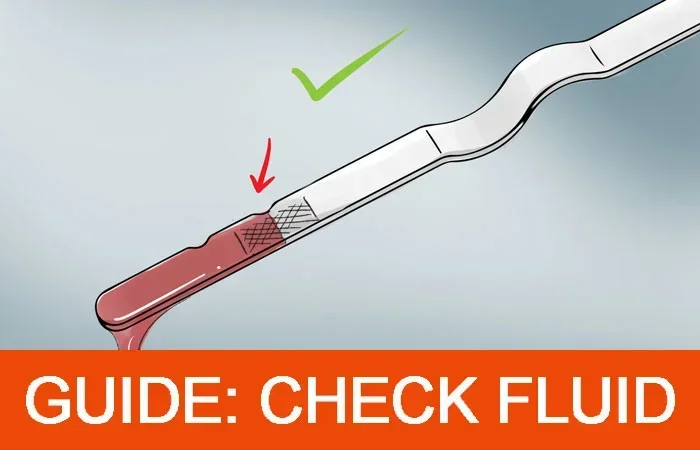
Another common mistake is resetting the light without checking the oil level. The maintenance indicator is not the only warning sign. Your dipstick tells you the actual oil level. Always check the oil before and after an oil change. Low oil can cause serious engine damage. If the oil level is low, top it off before driving.
Using the Wrong Oil Type
Using the wrong oil type can also trigger the maintenance light. Always use the oil grade recommended by your car manufacturer. Check your owner’s manual for the correct specification. Using synthetic oil when the manual calls for conventional oil can cause issues. Conversely, using conventional oil in a engine designed for synthetic may not provide adequate protection.
Understanding Your Oil Life Monitoring System
Modern vehicles come equipped with an oil life monitoring system. This system is smarter than the old mileage-based reminders. It tracks more than just distance. It monitors your driving conditions and adjusts the service interval accordingly.
How the Oil Life System Works
The oil life system uses sensors and algorithms to track several factors. It monitors engine temperature, driving habits, and the number of short trips you take. If you frequently drive in stop-and-go traffic, the system will recommend an oil change sooner. If you mostly drive on highways at steady speeds, the system may extend the interval.
The system also tracks the quality of the oil itself. As oil degrades, its ability to clean and protect the engine decreases. The monitoring system detects this degradation and adjusts the countdown accordingly. This is why the system is more accurate than a simple mileage-based reminder.
Interpreting the Oil Change Percentage
Most modern vehicles display the oil life as a percentage. When the system shows 100 percent, the oil is fresh. As the oil degrades, the percentage drops. When it reaches 0 percent, the maintenance light comes on. Many mechanics recommend changing the oil when the percentage hits 15 to 20 percent. This gives you a buffer and ensures the oil is always fresh.
Some drivers reset the light at 50 percent as a personal habit. This is fine if you are changing the oil at the same time. The key is to never reset the light without performing the actual oil change.
Oil Change Frequency Based on Driving Conditions
Your driving conditions play a big role in how often you need to change the oil. Here are some common driving conditions and how they affect oil life:
- Normal driving: Highway driving at steady speeds. Oil life may last 7,500 to 10,000 miles.
- Severe driving: Frequent short trips, stop-and-go traffic, and extreme temperatures. Oil life may need changing every 3,000 to 5,000 miles.
- Towing or hauling: Heavy loads put extra stress on the engine. Oil degrades faster under these conditions.
- Extreme temperatures: Both very hot and very cold weather can accelerate oil breakdown.
Understanding your driving conditions helps you stay ahead of the maintenance light. It also helps you get the most out of every oil change.
Tips for Keeping Your Oil Change Schedule on Track
Set Reminders and Use Maintenance Apps
One of the best ways to stay on top of oil changes is to set reminders. Most smartphones have built-in reminder apps. You can also use dedicated car maintenance apps. These apps track your mileage and send you alerts when it is time for an oil change. Some apps even provide step-by-step reset instructions for your specific car model.
Keep a Maintenance Log
Keeping a maintenance log is a simple but effective habit. Write down every oil change date, mileage, and oil type used. This log helps you track your car’s maintenance history. It also helps you spot patterns. For example, you might notice that you need oil changes more frequently during summer months.
Visit a Trusted Mechanic Regularly
Even if you change the oil yourself, it is a good idea to visit a trusted mechanic regularly. A professional can spot issues you might miss. They can check the oil level, inspect the oil filter, and look for leaks. Regular check-ups keep your car running smoothly and prevent costly repairs down the road.
Quick Tips for Oil Change Success
- Always warm up the engine before checking the oil level. This gives you a more accurate reading.
- Use a clean funnel when adding oil to avoid spills.
- Dispose of old oil properly at a recycling center.
- Replace the oil filter every time you change the oil.
- Keep a spare quart of oil in your trunk for emergencies.
Final Thoughts on Resetting the Oil Change Maintenance Indicator
Resetting the oil change maintenance indicator is a quick and easy task. It takes less than two minutes and requires no special tools. The key is to always change the oil first. Never reset the light without performing the actual oil change. This keeps your engine protected and your car running smoothly.
Every car brand has its own reset procedure. Once you learn the steps for your vehicle, you will never have to worry about the maintenance light again. Bookmark this guide for future reference. Share it with friends who might need help too.
Taking care of your car does not have to be complicated. A little knowledge goes a long way. Stay on top of your oil changes, reset the indicator when needed, and your engine will thank you for years to come. Drive safe and keep that maintenance light off.
Frequently Asked Questions
How do I know if my oil change maintenance indicator is working properly?
The indicator should come on when the oil life reaches zero percent. If the light stays on after you have reset it, there may be a system error. In that case, try resetting again or consult your owner’s manual. If the problem persists, visit a mechanic to check the system.
Can I reset the oil change light myself without going to a mechanic?
Yes, absolutely. Most oil change light resets can be done at home in under two minutes. You just need to follow the correct steps for your car brand. No special tools are required. The process is the same whether you are a beginner or experienced car owner.
What happens if I never reset the oil change maintenance indicator?
If you never reset the indicator, the light will stay on permanently. This can be annoying and distracting while driving. More importantly, it means the system is not tracking your next oil change interval. You may miss future oil changes, which can lead to engine damage over time.
Does resetting the oil change light also reset the oil filter reminder?
In most vehicles, yes. The oil change indicator and oil filter reminder are usually tied to the same system. Resetting the maintenance indicator typically resets both. However, some vehicles have separate reminders for the oil filter. Always check your owner’s manual to be sure.
How often should I reset the oil change maintenance indicator?
You should only reset the indicator after each oil change. There is no need to reset it at any other time. The indicator tracks the oil life and triggers the light when the oil needs replacing. Resetting it at the wrong time can cause confusion and disrupt your maintenance schedule.
Is it safe to drive with the oil change maintenance indicator on?
It is generally safe to drive short distances with the light on, but you should not ignore it for long. The light means the oil is past its effective life. Continuing to drive with old oil increases engine wear. Change the oil as soon as possible and reset the indicator afterward.