How Do You Reset the Passenger Airbag Light Quickly
Resetting the passenger airbag light is simpler than most drivers think. This guide walks you through the exact steps to clear the airbag warning light, identify the root cause, and get your car’s safety system back to working order. We cover the most common reasons the light stays on, the tools you need, and when to call a professional.
The passenger airbag light on your dashboard can be scary. One moment you are driving along, and then you see that little amber or red warning glow on your instrument cluster. It immediately makes you wonder about your safety and your passengers’ safety. But here is the good news. Resetting the passenger airbag light is something you can often do yourself. You do not need to be a certified mechanic or spend hundreds of dollars at a shop. This guide gives you everything you need. We will walk you through what the light means, why it comes on, the tools you need, and the exact steps to get it cleared. By the end, you will feel confident handling this common car maintenance task.
So many drivers ignore the airbag warning light. They hope it goes away on its own. But that light is part of your vehicle’s supplemental restraint system, also known as the SRS. This system is designed to protect you and your passengers during a collision. When the light stays on, it means something in that system needs attention. Ignoring it could mean your airbags do not deploy when you need them most. That is a risk no one should take. Let us fix it together, step by step.
## What Does the Passenger Airbag Light Mean?
The passenger airbag light is part of your car’s airbag system. It is a dashboard warning that tells you something may be wrong with the system designed to protect your front passenger. When you start your car, this light usually turns on for a few seconds as part of a normal bulb check. It should then turn off. If it stays on or starts flashing, that is your car telling you there is a problem.
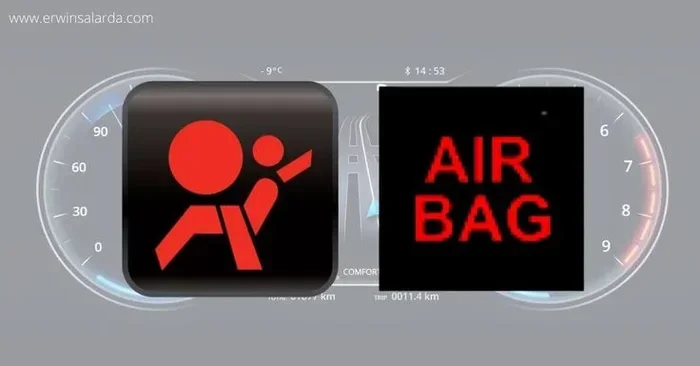
The light may look different depending on your vehicle. Some cars show a seated figure with a circle in front. Others display the words “Passenger Airbag Off.” No matter the symbol, the meaning is the same. The airbag control unit has detected a fault in the system. This fault could be minor, like a loose connector. Or it could be more serious, like a damaged crash sensor. Either way, it deserves your attention.
### Why the Airbag Warning Light Matters
Your airbag system is one of the most important safety features in your car. It works alongside seat belts and crash sensors to reduce injury during a collision. When the system detects a problem, it disables the airbag to prevent accidental deployment. This might sound like a safety feature itself, but it also means you lose protection if you crash. That is why resetting the passenger airbag light is so important. It restores the system to working order and ensures your passengers stay safe.
## Common Reasons the Passenger Airbag Light Stays On
There are many reasons the passenger airbag light might come on and stay on. Some are simple fixes. Others require more work. Understanding the cause is the first step to resetting the airbag light the right way. Here are the most common culprits.
### Faulty Seat Belt Sensor
The seat belt sensor is one of the most common reasons the passenger airbag light stays on. The system checks whether the seat belt is buckled before allowing the airbag to deploy. If the sensor thinks the belt is not fastened, even when it is, the light comes on. Sometimes this happens because of debris stuck in the buckle. Other times, the sensor itself has worn out. A quick inspection of the seat belt and buckle can often reveal the problem.
### Damaged Passenger Seat Occupancy Sensor
Modern cars have a seat occupancy sensor in the passenger seat. This sensor tells the car whether someone is sitting in the seat. It helps the system decide whether to deploy the passenger airbag. If the sensor is damaged or misaligned, the light will stay on. This often happens after seat covers are installed or after someone spills liquid on the seat. The moisture can damage the sensor grid underneath the seat cushion.
### Loose or Corroded Connector
The airbag system relies on a network of connectors and wiring. Over time, these connections can become loose or corroded. Vibration from driving, exposure to moisture, and general wear can all cause this. A loose connector sends a false signal to the airbag control unit, which triggers the warning light. This is one of the easiest issues to fix once you locate the connector.
### Previous Accident or Crash
If your car has been in even a minor fender bender, the airbag system may retain a fault code. The crash sensors record data during an impact. Even if the airbags did not deploy, the system may flag the event. In these cases, you need to clear the stored codes to reset the light. This is where a diagnostic tool becomes essential.
### Worn Out Crash Sensor
Crash sensors have a limited lifespan. Over time, they can degrade or fail entirely. When a crash sensor stops working, the system loses its ability to detect impacts. The passenger airbag light comes on to warn you. Replacing a crash sensor is more involved than fixing a loose connector, but it is still a manageable repair for most people.
## Tools You Need to Reset the Passenger Airbag Light
Before you start, gather the right tools. Having everything ready makes the process faster and safer. You do not need a garage full of equipment. A few basic tools will do the job.
– OBD2 Scanner or Diagnostic Tool: This is the most important tool. It reads the fault codes stored in your car’s computer. You can find a basic OBD2 scanner for under $30 at most auto parts stores. A wireless scanner that connects to your phone is even more convenient.
– Socket Set and Wrenches: You will need a 10mm and 12mm socket most often. These help you access the airbag connector and battery terminal.
– Multimeter: This helps you test electrical connections and sensors. It is not strictly required but very useful for diagnosing the exact problem.
– Clean Wire Brush or Electrical Contact Cleaner: Corrosion on connectors is a common cause of the airbag light. A wire brush or contact cleaner removes buildup and restores the connection.
– Safety Gloves and Glasses: Airbag systems use small explosive charges. While the risk is low when the battery is disconnected, protection is always a smart choice.
– Owner’s Manual: Your car’s manual has specific information about the airbag system, sensor locations, and reset procedures for your exact model.
### Quick Tips for Choosing a Diagnostic Tool
Not all OBD2 scanners are the same. A basic scanner will read and clear codes. But if you want more detailed information about your airbag system, look for a scanner that supports SRS or airbag-specific diagnostics. Brands like Autel, Innova, and BlueDriver offer models that go beyond basic engine codes. Investing in a good scanner pays off quickly if you do your own car maintenance.
## Step-by-Step Guide to Reset the Passenger Airbag Light
Now for the part you have been waiting for. Here is the step-by-step process to reset the passenger airbag light. Follow each step carefully. Safety is the top priority when working with airbag systems.
### Step 1: Turn Off the Engine and Remove the Key
Start by parking your car on a flat surface. Turn the ignition off and remove the key. This ensures the electrical system is inactive. Wait at least 10 minutes before proceeding. This allows the airbag capacitor to discharge fully. Even with the battery disconnected, a charged capacitor can still deliver enough power to deploy an airbag. Waiting is not optional. It is essential.
### Step 2: Disconnect the Battery
Open the hood and locate the car battery. Use your socket wrench to loosen the negative terminal first. Always remove the negative cable first to prevent short circuits. Pull the cable off the terminal and tuck it away so it cannot accidentally touch the battery again. Wait another 5 minutes after disconnecting the battery. This gives the system extra time to fully discharge.
### Step 3: Locate the Passenger Airbag Connector
Open the passenger door and look under the seat. You may need to remove a plastic cover or panel to access the wiring. Follow the wires from the seat to the floor. You are looking for the passenger airbag connector. It is usually a round or rectangular plug with a locking tab. Disconnect it by pressing the tab and pulling gently. Do not yank the wires. Be careful not to damage the harness.
### Step 4: Inspect the Connector and Wiring
This is a great time to inspect everything closely. Look for corrosion, bent pins, frayed wires, or moisture damage. Use your wire brush or electrical contact cleaner to clean any corroded terminals. If the connector looks damaged, you may need to replace it. A new connector is inexpensive and easy to install.
### Step 5: Check the Seat Occupancy Sensor
Slide the passenger seat all the way back. Look underneath the seat cushion for the sensor grid. This is usually a thin wire mesh or a series of small sensors embedded in the seat frame. Check for any damage or debris. If you have had spills or moisture exposure, dry the area thoroughly. A wet sensor will keep the light on no matter what else you do.
### Step 6: Use Your OBD2 Scanner to Read and Clear Codes
Reconnect the battery, but do not start the engine yet. Plug your OBD2 scanner into the diagnostic port. This port is usually located under the dashboard on the driver’s side. Turn the ignition to the “on” position without starting the engine. The scanner should power up. Follow the on-screen prompts to read the stored codes. Write down every code you see.
Once you have the codes, look them up in your scanner’s database or in your car’s manual. Each code tells you what specific fault the system detected. After you understand the issue, use the scanner to clear the codes. This step is what actually resets the passenger airbag light.
### Step 7: Start the Engine and Test
Start the engine and let it idle for a few minutes. Watch the dashboard. The passenger airbag light should turn on briefly during the bulb check and then turn off. If it stays off, you have successfully reset the light. If it comes back on, the underlying issue has not been fully resolved. Go back and double-check your work. You may need to repeat the process or investigate further.
### Common Mistakes to Avoid
– Skipping the battery disconnect: This is dangerous and can cause accidental airbag deployment. Always disconnect the battery first.
– Clearing codes without fixing the root cause: If you clear the codes but the problem remains, the light will come back. Always diagnose the actual issue first.
– Using the wrong scanner: A basic OBD2 scanner may not read airbag-specific codes. Make sure your tool supports SRS diagnostics.
– Rushing the process: Take your time. Working with airbag systems requires patience and care.
## Can You Drive With the Passenger Airbag Light On?
This is one of the most common questions drivers ask. The short answer is yes, you technically can drive with the light on. But the better question is should you. The airbag system is disabled when the light is on. This means if you get into a collision, the passenger airbag may not deploy. For the driver, the airbag system often works independently. But for your passenger, the risk is real.
If you must drive a short distance with the light on, keep your passenger seat empty. This prevents the system from trying to deploy an airbag that may not work. But for regular driving, you should resolve the issue as quickly as possible. Resetting the passenger airbag light restores full safety protection to your vehicle.
### Driving With Warning Lights: What You Need to Know
Warning lights on your dashboard are not suggestions. They are alerts from your car’s computer. Some lights, like the check engine light, may indicate a minor issue. But the airbag light is different. It directly affects occupant safety. If you notice other warning lights along with the airbag light, such as the traction control light or the check engine light, your car’s safety systems may be broadly affected. In that case, it is even more important to address the issue promptly.
## When to See a Professional Mechanic
There are times when DIY fixes are not enough. Knowing when to call a professional saves you time, money, and frustration. Here are the situations where you should seek expert help.
– The light keeps coming back after you reset it: This usually means there is a deeper issue that needs professional diagnosis. A mechanic can access advanced diagnostic tools that read detailed airbag fault codes and pinpoint the exact problem.
– You smell burning plastic or notice visible damage: These are signs of electrical problems or component failure. Do not attempt to drive the car in this condition.
– You recently had a collision: Even a minor accident can damage the crash sensors or airbag module in ways that are not immediately visible. A professional inspection ensures everything is safe.
– You are not comfortable working with electrical systems: There is no shame in this. Airbag systems are complex and sensitive. A trained mechanic has the experience and tools to handle the job safely.
If you do visit a mechanic, be aware that costs can vary. A basic diagnostic scan might cost $50 to $100. Replacing a crash sensor or connector could run $150 to $400 depending on your vehicle. The good news is that many mechanics will clear the light as part of the repair, so you do not always need to pay extra for the reset.
## Expert Insights on Airbag System Maintenance
Taking care of your car’s airbag system goes beyond just resetting the light. Regular maintenance helps prevent issues before they start. Here are some expert tips to keep your safety systems in top shape.
First, avoid putting heavy or wet items on the passenger seat. Moisture can seep into the seat and damage the occupancy sensor. If you spill a drink, clean it up immediately and let the seat dry fully. Second, check your seat belt buckles regularly. A stuck buckle can trigger the airbag light. A quick shot of compressed air or a little wiggle with a thin tool usually clears any debris. Third, have your airbag system inspected during routine maintenance visits. Many mechanics will check the system as part of a standard service, but it does not hurt to ask specifically.
One more thing to keep in mind. Aftermarket seat covers can interfere with the seat occupancy sensor. If you install seat covers and notice the airbag light comes on, try removing them. The covers may be pressing on or blocking the sensor grid underneath the seat cushion. This is a surprisingly common cause of the light staying on.
### How the Airbag System Works in Simple Terms
Understanding the basics of your airbag system helps you appreciate why the light comes on and how to keep it working. The system has three main parts. The first is the crash sensors. These are located throughout the car and detect sudden deceleration or impact. The second is the airbag control unit. This is the brain of the system. It receives signals from the crash sensors and decides whether to deploy the airbags. The third is the airbags themselves. These are inflatable modules located in the steering wheel, dashboard, and seats.
When any part of this system has a problem, the control unit stores a fault code and turns on the warning light. Resetting the passenger airbag light clears the code and turns off the light, but it does not fix the underlying problem. That is why proper diagnosis is so important. You want to address the root cause, not just silence the warning.
## Key Takeaways
Key Takeaways
- Know the cause: The passenger airbag light usually signals a sensor issue, faulty connector, or seat belt problem.
- Basic tools help: An OBD2 scanner, a multimeter, and a clean connector are often all you need.
- Safety first: Always disconnect the battery before working on airbag components to avoid accidental deployment.
- DIY is possible: Many drivers can reset the light themselves in under 30 minutes with the right guidance.
- Know when to seek help: Persistent lights or stored fault codes may require a professional mechanic.
- Don’t ignore the light: A glowing airbag warning means your safety system may not deploy in a crash.
Key Takeaways
- The passenger airbag light is a critical safety warning: It tells you your airbag system may not work properly in a crash.
- Common causes include faulty sensors, loose connectors, and seat belt issues: Most of these are easy and inexpensive to fix.
- You need an OBD2 scanner to read and clear fault codes: This tool is essential for properly resetting the light.
- Always disconnect the battery before working on airbag components: Safety must come first when dealing with explosive deployment systems.
- Address the root cause before clearing codes: Simply resetting the light without fixing the problem will cause it to come back.
- Know when to call a professional: Persistent lights, electrical damage, or post-collision situations warrant expert attention.
- Regular maintenance prevents airbag system issues: Simple habits like keeping the passenger seat dry and checking seat belts go a long way.
## Frequently Asked Questions
How long does it take to reset the passenger airbag light?
For most drivers, the entire process takes between 15 and 30 minutes. The time depends on how quickly you can locate the connector and clear the codes. If the issue is simple, like a loose connector, you may be done in under 15 minutes.
Can a dirty seat belt buckle cause the airbag light to come on?
Yes, absolutely. Debris, crumbs, or moisture in the seat belt buckle can interfere with the seat belt sensor. The system thinks the belt is unbuckled even when it is fastened, and the passenger airbag light turns on as a result.
Is it safe to reset the airbag light yourself?
It is safe as long as you follow the proper safety steps. Always disconnect the battery before touching any airbag components. Wait at least 10 minutes after disconnecting to let the system fully discharge. If you are uncomfortable at any point, a professional mechanic can handle the reset for you.
Will the airbag light reset on its own?
Sometimes, yes. If the issue was temporary, like a momentary sensor glitch, the light may turn off after a few drive cycles. But if the problem persists, the light will stay on and you will need to diagnose and fix the root cause manually.
How much does it cost to reset a passenger airbag light at a shop?
A basic diagnostic scan typically costs between $50 and $100. If the mechanic needs to replace a sensor or connector, the total cost could range from $150 to $400. The exact price depends on your vehicle model and the specific part that needs replacement.
Can you drive safely with the passenger airbag light on?
Technically yes, but it is not recommended. The passenger airbag will not deploy in a collision if the system is disabled. If you must drive short distances, keep the passenger seat empty to minimize risk. Resolve the issue as soon as possible to restore full safety protection.
## Conclusion
Resetting the passenger airbag light is a task most drivers can handle on their own with the right tools and guidance. The process is straightforward once you understand what the light means and what is causing it. Start by identifying the root cause, whether it is a loose connector, a faulty sensor, or a damaged seat occupancy grid. Use your OBD2 scanner to read and clear the fault codes. And always put safety first by disconnecting the battery before working on any airbag component.
Do not ignore the passenger airbag light. It exists to protect you and your loved ones. Taking a few minutes to address the issue could make all the difference in a collision. Whether you fix it yourself or visit a mechanic, the goal is the same. Get the system working properly and keep your car’s safety features functioning as they should. Your passengers deserve that protection, and so do you.
Frequently Asked Questions
What is How Do You Reset the Passenger Airbag Light??
How Do You Reset the Passenger Airbag Light? is an important topic with many practical applications.