How Many Catalytic Converters Does a BMW Have Exactly
Most BMW models have two catalytic converters, one for each exhaust bank, but the exact number depends on your engine type and model year. High-performance BMWs with V8 or V10 engines may have four, while smaller four-cylinder models stick with two. Understanding your BMW’s catalytic converter setup helps you maintain proper emissions control, avoid costly repairs, and keep your car running smoothly.
This is a comprehensive guide about How Many Catalytic Converters Does a BMW Have?.
Key Takeaways
- Most BMWs have two catalytic converters: one per exhaust bank for standard four- and six-cylinder engines.
- V8 and V10 BMW models can have four catalytic converters: two per side of the V-engine configuration.
- BMW uses precious metals like platinum, palladium, and rhodium: these are what make catalytic converters so expensive to replace.
- Symptoms of a failing converter include check engine light, reduced power, and rattling noises: don’t ignore these signs.
- Replacement costs range from $1,000 to $3,000+ per unit: BMW converters are pricey due to the precious metal content.
- Regular maintenance helps extend converter life: keep up with oil changes and avoid rich fuel mixtures.
- Hybrid BMW models add complexity: the electric motor changes how exhaust gases flow through the system.
[FEATURED_IMAGE_PLACEHOLDER]
How Many Catalytic Converters Does a BMW Have?
If you own a BMW or are thinking about buying one, you might wonder about the catalytic converter count. The answer isn’t as simple as “one size fits all.” Different BMW models use different numbers of catalytic converters based on engine size, configuration, and model year. Most standard BMW sedans and SUVs come with two catalytic converters, but there are exceptions that can surprise you.
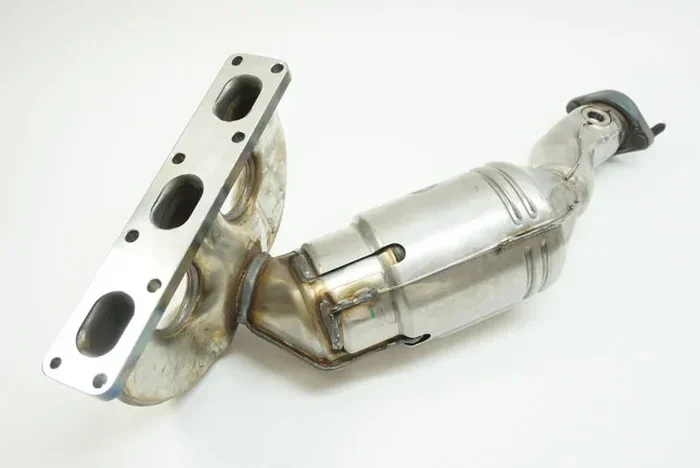
The catalytic converter is one of the most important parts of your BMW’s exhaust system. It transforms harmful exhaust gases into less toxic emissions before they leave the tailpipe. Without it, your BMW would fail emissions tests and contribute heavily to air pollution. Understanding how many converters your specific model has is the first step toward proper maintenance and avoiding expensive surprises.
So let’s break this down. We’ll look at different BMW engine types, model years, and configurations so you know exactly what to expect. Whether you drive a compact 3 Series or a powerful 7 Series, this guide covers you. By the end, you’ll have a clear picture of your BMW’s emissions system and what it takes to keep it running right.
Why the Number of Catalytic Converters Varies
Not all BMWs are built the same, and neither are their exhaust systems. The number of catalytic converters depends on several factors that BMW engineers consider during the design phase. Here is what drives the differences:
- Engine configuration: Inline engines like the B48 four-cylinder use a different layout than V-engines like the N63 V8.
- Number of exhaust banks: Each exhaust bank typically needs its own catalytic converter for proper emissions treatment.
- Model year and emissions standards: Newer BMWs must meet stricter EPA and Euro 6 regulations, which can add or reposition converters.
- Engine displacement: Larger engines produce more exhaust gas and may need additional conversion stages.
- Hybrid powertrains: BMW hybrid models like the 330e have unique exhaust setups because the electric motor changes how exhaust gases flow. At what speed does a hybrid switch from electric to gas? This transition affects how the catalytic converter works during different driving conditions.
BMW has been refining its emissions control technology for decades. Each generation of engines brings improvements in how exhaust gases are cleaned before they exit the vehicle. This means a 2010 BMW 328i might have a different converter setup than a 2023 BMW 330i, even though they share similar engine families.
BMW Models and Their Catalytic Converter Counts
Let’s get into the specifics. Here is a breakdown of how many catalytic converters different BMW models typically use. Keep in mind that special editions, M models, and updated trim levels can change these numbers.
Four-Cylinder BMW Models (2 Converters)
The most common BMWs on the road today use four-cylinder engines. Models like the 3 Series (320i, 328i, 330i), 1 Series, and X1 SUV typically have two catalytic converters. Since these are inline-four engines, they have one exhaust manifold and one exhaust bank. However, BMW uses a twin-exhaust layout on most of these models, meaning two separate exhaust pipes, each with its own catalytic converter.
This setup gives the engine better flow and allows the oxygen sensors to monitor each bank independently. The result is cleaner emissions and slightly better fuel economy. If you drive a 1-litre petrol BMW or a small displacement model, you will still find two converters doing the heavy lifting. One litre petrol how many km in car? Fuel efficiency plays a role here because the converter works harder when the engine runs rich.
Six-Cylinder BMW Models (2 Converters)
BMW’s famous inline-six engines, found in the 5 Series, 7 Series, and X3 and X5 SUVs, also typically use two catalytic converters. Despite having six cylinders, the inline-six layout produces a single exhaust bank. BMW pairs this with a dual-exhaust system, so each pipe gets its own converter.
Models like the BMW 530i and BMW 540i follow this pattern. The six-cylinder engine produces more power and exhaust volume, but the twin-converter setup handles it efficiently. BMW engineers have tuned these systems to balance exhaust flow with emissions control perfectly.
V8 and V10 BMW Models (4 Catalytic Converters)
Here is where things get interesting. High-performance BMW models with V-engines need more catalytic converters. The BMW M5 with its V8 engine, the BMW X5 M, and older models like the BMW E39 M5 with the S62 V8 typically have four catalytic converters. The V8 engine has two exhaust banks, and each bank gets two converters for thorough emissions treatment.
The BMW E60 M5 with its V10 engine follows the same principle. Four converters ensure that the massive amount of exhaust gas produced by these powerful engines is cleaned properly. If you own or are considering a BMW M model, budget for a more complex exhaust system and potentially higher catalytic converter replacement costs.
BMW X Series SUVs
BMW’s popular X Series SUVs like the X3, X5, and X7 generally follow the same converter count as their sedan counterparts. The BMW X3 with a four-cylinder engine uses two converters. The BMW X5 with a six-cylinder engine also uses two. The BMW X5 M with its V8 engine jumps up to four.
SUVs tend to have longer exhaust systems because of their larger chassis. This means the pipes run further from the engine to the rear of the vehicle. The catalytic converters are usually positioned closer to the engine, near the exhaust manifold, to reach operating temperature faster. At what speed does the hybrid escape switch to gas? Similar hybrid SUV models use converters that work alongside electric motor emissions controls.
What Is Inside a BMW Catalytic Converter?
Now that you know how many converters your BMW has, let us talk about what is inside them. Understanding the construction helps you appreciate why these parts are so expensive and why they matter so much for your BMW’s performance.
The Honeycomb Structure
Inside every BMW catalytic converter is a honeycomb ceramic or metallic substrate. This structure looks like a tiny grid of thousands of small tunnels. The large surface area allows maximum contact between exhaust gases and the cleaning agents coating the substrate.
BMW uses high-quality substrates that can withstand extreme heat, often exceeding 1,000 degrees Fahrenheit. The substrate is coated with a washcoat made of alumina and cerium oxide, which helps the precious metals adhere properly and do their job effectively.
Precious Metals: The Real Value
The reason BMW catalytic converters are so expensive is the precious metals inside them. Three metals do the actual work of converting harmful gases:
- Platinum: Converts carbon monoxide and hydrocarbons into carbon dioxide and water. Platinum is the primary catalyst for oxidation reactions.
- Palladium: Also handles oxidation of harmful gases. Modern BMWs use increasing amounts of palladium due to its efficiency.
- Rhodium: Specializes in reducing nitrogen oxides (NOx) into harmless nitrogen and oxygen. This is critical for meeting strict emissions standards.
These metals are extremely rare and expensive. A single BMW catalytic converter can contain several grams of platinum, palladium, and rhodium combined. This is why thieves target BMWs and other luxury vehicles for their converters. The precious metal content makes replacement costs soar, often reaching $1,500 to $3,500 per unit at a dealership.
Common BMW Catalytic Converter Problems
Even the best BMW catalytic converters can develop problems over time. Knowing the warning signs helps you catch issues early and avoid more expensive damage to your exhaust system.
Symptoms of a Failing Catalytic Converter
Watch for these telltale signs that your BMW’s converter is struggling:
- Check engine light: This is the most common early warning. Your BMW’s computer detects incorrect oxygen sensor readings when the converter is not working properly.
- Reduced engine power: A clogged converter restricts exhaust flow, causing your BMW to feel sluggish, especially under acceleration.
- Rattling noise from underneath: The ceramic substrate inside the converter can break apart over time, creating a rattling sound when you idle or drive over bumps.
- Dark exhaust smoke: Black or blue smoke can indicate the converter is not processing exhaust gases correctly.
- Rotten egg smell: Sulfur odors from the exhaust suggest the converter is failing to convert hydrogen sulfide properly.
- Failed emissions test: If your BMW does not pass an emissions inspection, the catalytic converter is often the culprit.
What Causes Catalytic Converter Failure?
Several factors can shorten the life of your BMW’s catalytic converter:
- Engine misfires: Unburned fuel entering the converter can overheat and damage the substrate. Keep your ignition system and spark plugs in top shape.
- Oil or coolant leaks: If engine fluids enter the combustion chamber and exit through the exhaust, they contaminate the converter’s precious metals.
- Rich fuel mixture: Too much fuel in the combustion process creates excess carbon buildup that can clog the converter over time.
- Age and mileage: Like all parts, catalytic converters wear out. Most BMW converters last between 100,000 and 150,000 miles with proper care.
- External damage: Road debris, speed bumps, and accidents can physically damage the converter housing or the exhaust pipes connected to it.
How to Maintain Your BMW’s Catalytic Converters
Good news: you can take steps to keep your BMW’s catalytic converters healthy for many miles. Preventive maintenance is always cheaper than replacement.
Quick Tips for Converter Longevity
- Use high-quality fuel: Top-tier gasoline burns cleaner and produces fewer contaminants that can damage the converter.
- Fix engine misfires immediately: A misfiring cylinder sends unburned fuel into the exhaust system, which can melt the substrate.
- Keep up with oil changes: Clean engine oil reduces the chance of oil burning and contaminating the converter.
- Check for fluid leaks regularly: Coolant or oil leaks into the combustion chamber are silent killers of catalytic converters.
- Avoid short trips when possible: The converter needs to reach operating temperature to function properly. Short trips keep it cold and cause buildup.
- Use OEM or quality aftermarket parts: Cheap converters may save money upfront but often fail much faster and do not meet BMW’s emissions standards.
Common Mistakes BMW Owners Make
Here are mistakes that can hurt your catalytic converter and shorten its lifespan:
- Ignoring the check engine light: Many owners dismiss this warning. But it often points directly to converter or sensor issues that get worse with time.
- Using low-quality fuel: Cheap fuel with more impurities creates more carbon deposits that clog the converter substrate.
- Delaying spark plug replacements: Worn spark plugs cause incomplete combustion, sending unburned fuel into the exhaust system.
- Adding aftermarket exhaust without a converter: Some BMW owners install “catless” exhaust systems for more sound and power. This is illegal in most states and destroys emissions control.
- Driving with low oil levels: Insufficient lubrication increases engine wear and can lead to oil burning, which damages the converter over time.
Expert Insights on BMW Catalytic Converters
BMW engineers design their catalytic converters to last the lifetime of the vehicle under normal driving conditions. However, real-world driving involves stop-and-go traffic, short trips, and occasional neglect that no engineer can fully account for. Regular diagnostics using a BMW-specific scan tool can catch converter issues before they become expensive problems.
If you notice any of the symptoms mentioned above, get your BMW inspected promptly. A technician can read the oxygen sensor data and cat efficiency codes to determine if the converter is still functioning correctly. Early intervention often means a simple fix rather than a full converter replacement.
BMW Catalytic Converter Replacement Costs
The cost of replacing a BMW catalytic converter varies widely depending on your model, engine type, and whether you go with OEM or aftermarket parts. Here is a general breakdown:
| BMW Model Type | Number of Converters | Cost Per Converter | Total Estimated Cost |
|---|---|---|---|
| Four-cylinder (3 Series, 1 Series, X1) | 2 | $1,000 – $2,000 | $2,000 – $4,000 |
| Six-cylinder (5 Series, 7 Series, X3, X5) | 2 | $1,200 – $2,500 | $2,400 – $5,000 |
| V8/V10 M Models (M5, X5 M) | 4 | $1,500 – $3,500 | $6,000 – $14,000 |
| Hybrid Models (330e, X5 xDrive45e) | 2-4 | $1,200 – $3,000 | $2,400 – $12,000 |
These costs reflect the precious metal content inside each converter. BMW uses high-quality converters with substantial amounts of platinum, palladium, and rhodium. Aftermarket converters can be cheaper, but they may not meet BMW’s strict emissions standards or last as long. Always check local laws before replacing your converter, as many regions require EPA-compliant parts.
Hybrid BMWs and Catalytic Converters
BMW’s hybrid models add an extra layer of complexity to the emissions system. The BMW 330e, BMW 530e, and BMW X5 xDrive45e combine a gasoline engine with an electric motor. This dual powertrain changes how exhaust gases are produced and managed.
In hybrid mode, the electric motor handles low-speed driving, which means the gasoline engine runs less frequently. This actually helps the catalytic converter because the engine spends more time at optimal operating temperatures. However, when the battery is low or you demand more power, the gasoline engine kicks in and produces a surge of exhaust gases that flow through the converters.
BMW hybrid converters are designed to handle these changing conditions. They heat up faster and adapt to varying exhaust flow rates. If you own a hybrid BMW, understanding how the electric and gas systems interact helps you appreciate why your converter setup matters even more.
Frequently Asked Questions
Can I drive my BMW with a bad catalytic converter?
You can technically drive with a failing converter, but it is not recommended. A bad converter reduces engine performance, increases harmful emissions, and can cause further damage to your BMW’s exhaust system. If your check engine light is on and you suspect converter issues, get it checked as soon as possible to avoid more expensive repairs down the road.
How long do BMW catalytic converters last?
BMW catalytic converters typically last between 100,000 and 150,000 miles under normal driving conditions. However, factors like driving habits, fuel quality, and engine health can shorten or extend this lifespan. Regular maintenance and using quality fuel are the best ways to maximize your converter’s longevity.
Why are BMW catalytic converters so expensive?
The high cost comes from the precious metals inside the converter. BMW uses substantial amounts of platinum, palladium, and rhodium to meet strict emissions standards. These metals are rare and expensive, and BMW converters are engineered for durability and precision, which adds to the manufacturing cost.
Can I replace a BMW catalytic converter with an aftermarket part?
Yes, aftermarket converters are available and cost less than OEM parts. However, they may not meet BMW’s exact specifications or local emissions regulations. Some aftermarket converters also do not last as long or perform as well as the original equipment. Always check your local laws before choosing an aftermarket replacement.
How do I know if my BMW catalytic converter is stolen?
Catalytic converter theft is common on BMWs because of the valuable precious metals inside. Signs include a loud exhaust rumble when you start the car, a rattling noise from underneath, and a check engine light. If your car sits low to the ground or you hear a sudden change in exhaust sound, inspect the converter immediately.
Do all BMW models have the same number of catalytic converters?
No, the number varies by engine type and configuration. Most four-cylinder and six-cylinder BMWs have two converters, while V8 and V10 models typically have four. Hybrid models may have a different setup depending on how the electric motor interacts with the exhaust system. Always check your specific model’s specifications for the exact count.
Final Thoughts
So, how many catalytic converters does a BMW have exactly? The answer depends on your specific model and engine, but most BMWs use two converters while high-performance V8 and V10 models use four. Understanding this helps you maintain your car properly, budget for repairs, and appreciate the sophisticated engineering that goes into every BMW.
Your BMW’s catalytic converter plays a vital role in keeping your car clean, efficient, and road-legal. Whether you drive a modest 320i or a powerful M5, taking care of your converters pays off in long-term performance and reliability. Stay on top of maintenance, watch for warning signs, and your BMW’s exhaust system will serve you well for many miles to come.
If you are ever unsure about your specific BMW model’s converter setup, consult your owner’s manual or speak with a qualified BMW mechanic. They can give you the exact specifications for your vehicle and help you keep your emissions system in top shape. Your BMW is a precision machine, and its catalytic converters are a key part of that precision.
Frequently Asked Questions
What is How Many Catalytic Converters Does a BMW Have??
How Many Catalytic Converters Does a BMW Have? is an important topic with many practical applications.