How Much a 1999 Mercedes-Benz Is Really Worth Today
A 1999 Mercedes-Benz can be worth anywhere from $2,000 to $15,000+ depending on the model, condition, and mileage. Understanding what drives the 1999 Mercedes-Benz value helps you make smarter buying or selling decisions. This guide covers every factor that impacts classic car appraisal and gives you real numbers you can trust.
Key Takeaways
- Model matters most: The E-Class, SLK, and C-Class from 1999 hold value very differently based on trim and rarity.
- Condition is king: A well-maintained 1999 Mercedes-Benz can sell for nearly double a neglected one in the same market.
- Mileage directly impacts price: Lower mileage models command significantly higher resale value, especially under 100,000 miles.
- Rust and maintenance history are dealbreakers: Buyers pay a premium for vehicles with documented service records and no structural damage.
- Market demand fluctuates: The classic car market has seen steady growth, making older Mercedes models increasingly desirable.
- Running costs matter: Factor in fuel efficiency and maintenance when calculating the true cost of ownership.
📑 Table of Contents
- How Much a 1999 Mercedes-Benz Is Really Worth Today
- Why the 1999 Mercedes-Benz Still Holds Appeal
- Key Factors That Determine the Value of a 1999 Mercedes-Benz
- 1999 Mercedes-Benz Model Pricing Guide
- Common Mistakes People Make When Valuing a 1999 Mercedes-Benz
- Tips to Maximize the Value of Your 1999 Mercedes-Benz
- Understanding the True Cost of Owning a 1999 Mercedes-Benz
- Is a 1999 Mercedes-Benz a Good Investment?
- Final Thoughts on the 1999 Mercedes-Benz Value
How Much a 1999 Mercedes-Benz Is Really Worth Today
So you are looking at a 1999 Mercedes-Benz and wondering what it is actually worth. Maybe you found one for sale at a garage. Maybe you inherited one from a relative. Or maybe you just want to know if that classic Benz in your driveway has real value. Either way, you are in the right place.
The 1999 Mercedes-Benz value is not a single number. It depends on many factors that range from the specific model to how well the car was cared for over the years. A well-kept 1999 Mercedes can still turn heads on the road today. But a neglected one? That story is very different. In this guide, we will walk through everything you need to know about classic car appraisal for these older luxury vehicles.
We will break down pricing by model, explain what drives value up or down, and give you practical tips to get the best deal. Whether you are buying or selling, this article will help you make a confident decision. Let us get into it.
Why the 1999 Mercedes-Benz Still Holds Appeal
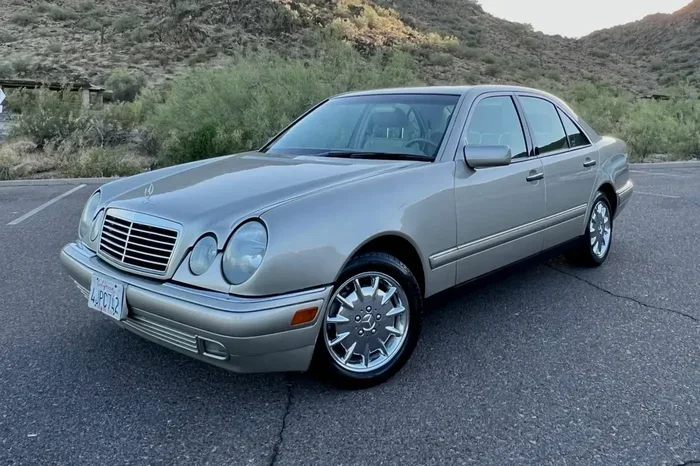
The late 1990s were a golden era for Mercedes-Benz. The cars from this period combined luxury, performance, and durability in a way that modern vehicles sometimes lack. The 1999 Mercedes-Benz W210 E-Class, for example, is still considered one of the best sedans Mercedes ever built. It featured solid engineering, a smooth ride, and a premium interior that felt far above its price tag at the time.
Today, these cars have become part of the classic car market. Enthusiasts love them for their timeless design and reliable inline-six and V8 engines. The vintage car prices for well-preserved models have been climbing steadily over the past decade. This trend makes understanding the true worth of a 1999 Benz more important than ever.
What Makes a 1999 Mercedes Desirable?
Several things contribute to the lasting appeal of these vehicles:
- Build quality: Mercedes from this era used heavy-gauge steel and robust components that have stood the test of time.
- Timeless design: The styling of 1999 models still looks elegant and modern, even by today’s standards.
- Driving experience: These cars offer a connected, engaging driving feel that many modern luxury cars have lost.
- Brand prestige: The Mercedes-Benz name carries weight, and owning a classic model adds to that appeal.
Key Factors That Determine the Value of a 1999 Mercedes-Benz
Not all 1999 Mercedes-Benz vehicles are created equal. Several key factors play a huge role in determining what a specific car is worth on today’s market. Understanding these will help you evaluate any listing or set a fair price for your own vehicle.
Model and Trim Level
The specific model is the single biggest factor. A 1999 Mercedes C-Class is worth a very different amount than a 1999 SLK or E-Class. Here is a quick look at the main models from that year:
- C-Class (W202): The entry-level luxury sedan. Generally the most affordable of the 1999 lineup.
- E-Class (W210): The midsize flagship sedan. Widely regarded as the best all-around Benz of the era.
- SLK (R170): The compact roadster. A sporty, fun car that holds value well among enthusiasts.
- S-Class (W140): The full-size luxury flagship. Rare and sought after by collectors.
- ML-Class (W163): The luxury SUV. Popular for daily driving and off-road capability.
Higher trims with more features, better engines, and rarer options will always command more money. When you are researching Mercedes-Benz resale value, always compare same-model, same-trim examples to get an accurate picture.
Condition and Exterior State
Let us be honest. The condition of the car matters enormously. A 1999 Mercedes-Benz that has been garage-kept and carefully maintained can be worth two or three times more than one that has been sitting in a driveway for a decade. Here is what buyers and appraisers look at closely:
- Paint and bodywork: Any rust, dents, or repaint jobs reduce the value significantly.
- Interior wear: Cracked leather, worn seats, and faded dashboards are common in 25-year-old cars and lower the price.
- Chrome and trim: Missing or corroded chrome pieces on the bumpers and grille are a red flag.
- Glass and seals: Cracked windshields or leaking window seals suggest neglect.
If you are thinking about buying, always inspect the car in daylight. Check for rust underneath, especially on the wheel arches and frame rails. A thorough car condition grading can save you from a costly mistake.
Mileage and Engine Health
Mileage is one of the most straightforward value drivers. A 1999 Mercedes-Benz with 50,000 miles on the odometer is far more valuable than one with 200,000 miles. Here is a general breakdown:
- Under 60,000 miles: Excellent. These cars are rare and hold value very well.
- 60,000 to 120,000 miles: Good. Still solid if properly maintained.
- 120,000 to 180,000 miles: Fair. Expect some wear and higher maintenance costs.
- Over 180,000 miles: Below average. The car will need significant investment to keep running.
Beyond the number, the engine health matters just as much. A well-serviced engine with full maintenance records is worth more than a low-mileage car with unknown history. Always ask for a vehicle history report before making any purchase.
Maintenance History and Service Records
This cannot be stressed enough. A 1999 Mercedes-Benz with documented service history is worth significantly more than one without. Buyers want to see proof that oil changes, brake jobs, and major services were done on time. Mercedes vehicles from this era are not cheap to repair when they are neglected. A full service log tells the buyer that the previous owner cared for the car.
If you are the seller, gather every receipt and record you can find. If you are the buyer, ask specifically about the maintenance history. A car with no records but low mileage can still be a good buy, but it carries more risk.
Market Demand and Regional Factors
The collector car market has grown significantly in recent years. Classic luxury cars from the 1990s are gaining attention from a new generation of buyers. However, demand varies by region. In warmer climates where rust is less of a problem, 1999 Mercedes models tend to hold value better. In colder, snowy regions, the same car might be worth considerably less due to rust and road salt damage.
Also, certain models are more popular in certain markets. The SLK roadster, for example, is a huge hit in California and southern states. The E-Class sedan tends to be more popular in urban areas where it serves as a daily driver. Always check local listings to understand what cars like yours are actually selling for in your area.
1999 Mercedes-Benz Model Pricing Guide
Now let us get into the numbers. Keep in mind that prices vary widely based on the factors we discussed above. These are approximate ranges for clean, running examples in good condition as of recent market data.
| Model | Approximate Value Range | Best For |
|---|---|---|
| C-Class (W202) | $2,000 – $6,000 | Budget luxury daily driver |
| E-Class (W210) | $4,000 – $12,000 | Comfort and prestige |
| SLK (R170) | $5,000 – $14,000 | Sporty weekend cruising |
| S-Class (W140) | $6,000 – $15,000+ | Luxury and collector appeal |
| ML-Class (W163) | $3,000 – $9,000 | Luxury SUV versatility |
These ranges assume the car is in average-to-good condition with reasonable mileage. A pristine, low-mileage example of any of these models can fetch well above the top end. On the other hand, a car with rust, engine problems, or accident damage might sell for far below the bottom end.
How to Read These Prices
The numbers above represent private party sales. Dealership trade-in values will be lower, often 20-30% less. Retail dealer prices will be higher, sometimes 15-25% more than private party. If you are selling privately, aim for the higher end of the range. If you are buying, negotiate toward the lower end.
Also keep in mind that the Mercedes-Benz model variants from 1999 include many sub-trims. An E-Class with the sport package, upgraded leather, or a rare engine option will be worth more than a base model. Always compare apples to apples when researching pre-owned luxury car values.
Common Mistakes People Make When Valuing a 1999 Mercedes-Benz
Valuing an older luxury car is tricky. Even experienced buyers sometimes make mistakes that cost them money. Here are the most common pitfalls to avoid.
Ignoring Rust
Rust is the silent killer of older cars. A 1999 Mercedes-Benz that looks great on the outside might have hidden rust underneath. Check the frame, suspension components, and floor pans carefully. Rust repair can easily cost $2,000 to $5,000, which will eat into any savings you thought you were getting.
Overlooking Maintenance Costs
A cheap asking price on a 1999 Benz can be misleading. These cars need regular maintenance, and parts are not cheap. Before you buy, factor in the cost of upcoming services like timing belt replacement, brake work, and suspension repairs. A car that looks like a great deal on paper might become a money pit fast.
Not Checking for Accident Damage
Accident history can drastically reduce the value of any car. If a 1999 Mercedes-Benz has been in a serious collision, the structural damage may not be fully repairable. Always get a vehicle history report and consider a pre-purchase inspection by a qualified mechanic. This is especially important for older luxury cars where previous accident damage might not be obvious.
Assuming All Models Are Equal
Just because it says Mercedes-Benz on the hood does not mean it is equally valuable. The C-Class, E-Class, SLK, and S-Class from 1999 are all very different cars with very different values. Do your homework on the specific model before making any decisions.
Tips to Maximize the Value of Your 1999 Mercedes-Benz
If you are selling a 1999 Mercedes-Benz, there are several things you can do to get the best possible price. If you are buying, these same tips will help you evaluate whether a listing is fairly priced.
1. Get the Car Detailed
First impressions matter. A professionally detailed car looks better in photos and feels better to the buyer. You do not need to spend a fortune. A thorough wash, wax, interior cleaning, and tire shine can make a big difference in how buyers perceive the car.
2. Gather All Documentation
Service records, original window sticker, ownership history, and any receipts for major repairs all add perceived value. A complete paper trail tells the buyer that the car has been well cared for. This alone can justify a higher asking price.
3. Fix the Small Stuff
Replace burnt-out bulbs, fix minor rattles, and address small leaks. These are inexpensive fixes that make the car feel more polished. Buyers notice these details, and they influence their willingness to pay top dollar.
4. Know Your Numbers
Before you list or make an offer, research comparable sales. Look at recent listings and sold prices for the same model, similar mileage, and similar condition. Sites like Bring a Trailer, Hemmings, and classic car auction results can give you a realistic picture of current market value.
5. Be Honest About the Car’s Condition
Transparency builds trust. If the car has known issues, disclose them upfront. Buyers appreciate honesty, and it saves time during negotiations. Trying to hide problems will almost always backfire.
Understanding the True Cost of Owning a 1999 Mercedes-Benz
Buying a 1999 Mercedes-Benz is only half the equation. You also need to understand what it costs to own and run one. The luxury sedan value equation includes more than just the purchase price.
Fuel costs are a consideration. While these cars are not the most fuel-efficient, they are not gas guzzlers either. If you are curious about how fuel economy compares across different vehicles, you might find it helpful to check resources on 1 liter petrol how many km in car to understand baseline fuel efficiency expectations for older vehicles. Regular maintenance like oil changes, brake pads, and filter replacements should be budgeted at $500 to $1,000 per year for a well-kept example.
Insurance is another factor. Classic car insurance policies are often available for vehicles over 25 years old, and they can be significantly cheaper than standard auto insurance. However, these policies usually require that the car be stored properly and not used as a daily driver.
One thing many people do not think about is the cost of unexpected repairs. Older Mercedes-Benz vehicles use electronic components and hydraulic systems that can be expensive to fix. Having a contingency fund of $1,000 to $2,000 for unexpected repairs is a smart move for any 1999 Benz owner.
Is a 1999 Mercedes-Benz a Good Investment?
The short answer is: it depends. If you are buying a 1999 Mercedes-Benz as a daily driver, it can be a great value. These cars offer luxury and refinement at a fraction of what a newer model costs. Just be prepared for higher maintenance costs than a modern car.
If you are buying as an investment or collector piece, the outlook is generally positive. The classic car market continues to grow, and well-preserved 1999 Mercedes models are becoming rarer. Cars with low mileage, original paint, and full service records are the ones most likely to appreciate over time.
However, not every 1999 Mercedes-Benz will go up in value. Mass-market models like the C-Class are less likely to appreciate than rarer variants like the S-Class or SLK with special options. Do your research and buy with a clear purpose in mind.
Final Thoughts on the 1999 Mercedes-Benz Value
The 1999 Mercedes-Benz value is shaped by a combination of model, condition, mileage, maintenance history, and market demand. There is no single number that fits every car, but the ranges and guidelines in this article should give you a solid starting point. Whether you are buying or selling, knowledge is your greatest asset.
Take the time to inspect the car thoroughly. Get a professional appraisal if the price is significant. And always factor in the cost of ownership beyond the sticker price. A 1999 Mercedes-Benz can be a wonderful car to own and drive. With the right expectations and a clear understanding of its worth, you can enjoy it with confidence.
Remember, the value of any classic car ultimately comes down to what someone is willing to pay for it. But armed with the information in this guide, you will know whether that price is fair. Happy car hunting.
Frequently Asked Questions
What is the most valuable 1999 Mercedes-Benz model?
The S-Class (W140) and SLK (R170) roadster tend to hold the highest value among 1999 Mercedes models. The S-Class appeals to collectors who want the ultimate luxury flagship, while the SLK is prized for its sporty roadster design. Both models benefit from strong demand in the classic car market and are increasingly hard to find in good condition.
How can I get an accurate appraisal for my 1999 Mercedes-Benz?
The best way is to hire a certified classic car appraiser who specializes in luxury vehicles. They will inspect the car, review its history, and provide a written valuation based on current market data. You can also check recent sold listings on platforms like Bring a Trailer, Hemmings, and classic car auction sites for comparable examples.
Does a 1999 Mercedes-Benz depreciate in value over time?
Most cars depreciate, but 1999 Mercedes-Benz models have shown surprising resilience. Well-maintained examples have actually appreciated in value over the past decade. However, neglected or damaged cars continue to lose value. The key factor is maintenance and condition. A documented, clean example will hold or even grow in value, while a rusty or abused one will keep declining.
Are parts for a 1999 Mercedes-Benz expensive to replace?
Parts for older Mercedes-Benz vehicles are generally more expensive than for domestic brands but comparable to other European luxury cars. OEM parts can be pricey, but aftermarket and remanufactured options are widely available. Regular maintenance items like brakes, filters, and fluids are reasonably priced, while engine and transmission repairs can be costly.
Can I daily drive a 1999 Mercedes-Benz reliably?
Yes, many people use 1999 Mercedes-Benz models as daily drivers. The E-Class and C-Class are particularly well-suited for this purpose. However, you should budget for more frequent repairs than you would with a modern car. Regular maintenance is essential, and having a trusted mechanic who specializes in older Mercedes vehicles is highly recommended.
What should I look for when buying a used 1999 Mercedes-Benz?
Start with the model and trim level, then carefully inspect the car for rust, accident damage, and interior wear. Always request a vehicle history report and full service records. Have a pre-purchase inspection done by an independent mechanic. Pay attention to the engine, transmission, and suspension condition. And finally, compare the asking price to recent sales of similar examples to make sure you are getting a fair deal.