What Does Each Digit of a VIN Mean and How to Decode
Every car on the road has a unique 17-character VIN that tells its full story. This guide explains what does each digit of a VIN mean and shows you how to decode it step by step. You will learn the WMI, VDS, and VIS sections and uncover hidden details about any vehicle.
Every vehicle rolling down the road carries a secret code. It is printed on the dashboard, stamped on the frame, and etched into the door jamb. This code is the vehicle identification number, and it holds a wealth of information about your car. If you have ever wondered what does each digit of a VIN mean, you are in the right place.
A VIN is not just a random string of letters and numbers. Each position in the 17-character code tells a specific story. It reveals the manufacturer, the country of origin, the model year, the engine type, and much more. Whether you are buying a used car, tracking a recall, or just curious about your own vehicle, decoding a VIN is a skill worth learning.
This guide breaks down every single digit of the VIN in plain language. We will walk you through the three main sections, explain what each position means, and show you how to use a VIN decoder tool. By the end, you will be able to read a VIN like a pro and uncover details that most people never notice.
Key Takeaways
- The first three digits reveal the world manufacturer identifier, telling you who made the car and where.
- Digits 4 through 9 describe the vehicle’s model, body style, engine type, and security check digit.
- The 10th digit represents the model year, which is one of the most important pieces of VIN information.
- Digits 11 through 17 identify the specific assembly plant and the unique serial number of the vehicle.
- A free VIN decoder can instantly pull up a vehicle history report with accident, title, and ownership data.
- Always decode a VIN before purchasing a used car to avoid hidden problems and fraud.
- The check digit (9th position) uses a mathematical formula to detect fake or altered VINs.
📑 Table of Contents
What Is a VIN?
A VIN number is a unique 17-character code assigned to every motor vehicle. Think of it as a social security number for your car. No two vehicles in operation share the same VIN. This code is standardized worldwide, which means a VIN decoded in the United States follows the same format as one decoded in Japan or Germany.
The modern VIN system has been in use since 1981. Before that, different manufacturers used different formats, which made tracking vehicles difficult. The International Organization for Standardization (ISO) established the current 17-character standard to bring consistency across the global automotive industry. Today, every car, truck, motorcycle, and even trailer receives a unique VIN at the factory.
The 17-Character Code
The VIN contains no letters I, O, or Q. This rule prevents confusion with the numbers 1 and 0. The code uses digits 0 through 9 and letters A through Z (excluding those three). The 17 characters are divided into three main sections:
- Section 1 (Digits 1-3): World Manufacturer Identifier (WMI)
- Section 2 (Digits 4-9): Vehicle Descriptor Section (VDS)
- Section 3 (Digits 10-17): Vehicle Identifier Section (VIS)
Each section serves a distinct purpose. Together, they paint a complete picture of the vehicle. Let us dive into each one and answer the big question: what does each digit of a VIN mean?
Why VINs Matter
Your VIN matters more than you might think. It is used for registration, insurance, title transfers, and warranty claims. Law enforcement uses it to track stolen vehicles. Manufacturers use it to issue recalls. When you run a vehicle history report, the VIN is the key that unlocks all the data. Understanding your VIN empowers you as a car owner and buyer.
What Does Each Digit of a VIN Mean?
Now let us get into the heart of the matter. What does each digit of a VIN mean? Each position in the 17-character code carries specific meaning. We will go through them section by section so you can decode any VIN with confidence.
The First Three Digits: World Manufacturer Identifier
The first three digits of a VIN form the World Manufacturer Identifier, or WMI. This section identifies who built the vehicle and where it was manufactured. The first digit tells you the country of origin.
Here are the most common country codes:
- 1, 4, or 5: United States
- 2: Canada
- 3: Mexico
- J: Japan
- K: South Korea
- W: Germany
- S: United Kingdom
- Z: Italy
- L: China
- Y: Sweden or Finland
The second digit identifies the manufacturer. For example, “1” for General Motors, “F” for Ford, and “T” for Toyota. The third digit narrows it down further, specifying the vehicle type or manufacturing division. Together, these three digits give you the manufacturer code and a clear picture of where the vehicle was built.
Digits 4 Through 9: Vehicle Descriptor Section
The middle section of the VIN, digits 4 through 9, is called the Vehicle Descriptor Section, or VDS. This is where things get detailed. The VDS describes the vehicle’s characteristics, including its model, body style, engine type, transmission, and trim level.
Each manufacturer uses this section differently, which means the exact meaning of these digits can vary from brand to brand. However, there are some general patterns:
- Digits 4-8: Describe the model, body style, restraint system, engine type, and trim.
- Digit 9: The check digit, which validates the entire VIN.
The check digit is one of the most fascinating parts of the VIN. It uses a complex mathematical formula to verify that the VIN is legitimate. This security feature helps detect fake or altered VINs. If even one character is wrong in the entire code, the check digit calculation will fail, flagging the VIN as invalid.
Digits 10 Through 17: Vehicle Identifier Section
The final section, digits 10 through 17, is the Vehicle Identifier Section, or VIS. This part identifies the specific vehicle on the production line. It is essentially the serial number that makes your car one of a kind.
The 10th digit is especially important. It represents the model year of the vehicle. The coding system cycles through letters and numbers, skipping certain letters like I, O, Q, U, and Z to avoid confusion. Here is a quick reference for recent model years:
- A: 2010
- B: 2011
- C: 2012
- D: 2013
- E: 2014
- F: 2015
- G: 2016
- H: 2017
- J: 2018
- K: 2019
- L: 2020
- M: 2021
- N: 2022
- P: 2023
- R: 2024
- S: 2025
After the model year, digit 11 identifies the assembly plant. Each manufacturer assigns plant codes to their factories. Finally, digits 12 through 17 form the serial number, which is the unique production sequence number for that specific vehicle. No two cars rolling off the same line will share these last six digits.
How to Use a VIN Decoder
Decoding a VIN by hand is possible, but it takes time and reference charts. Fortunately, free online tools make the process instant. A VIN decoder is a website or app that enters your 17-character code and returns a detailed breakdown of every section.
Free Online Tools
Several reputable sites offer free VIN decoding services. Popular options include the National Insurance Crime Bureau (NICB) VINCheck, the National Highway Traffic Safety Administration (NHTSA) VIN lookup, and various third-party decoder tools. Simply enter your VIN into the search bar, and the tool will display the decoded information within seconds.
Most decoders will show you the manufacturer, country of origin, model year, engine specifications, body style, and plant location. Some also provide links to vehicle history reports from services like Carfax or AutoCheck. These reports include accident history, title status, service records, and odometer readings.
What Information You Can Uncover
A thorough VIN decode can reveal a surprising amount of information. Here is what you can typically expect to find:
- Manufacturer and brand
- Country of assembly
- Model name and trim level
- Engine size and type
- Transmission style
- Model year
- Assembly plant location
- Sequential production number
- Safety recall information
- Title and ownership history
- Accident and damage records
This information is invaluable when shopping for a used car. It helps you verify that the vehicle matches the seller’s claims and reveals any hidden issues that might not be visible during a test drive.
Where to Find Your VIN
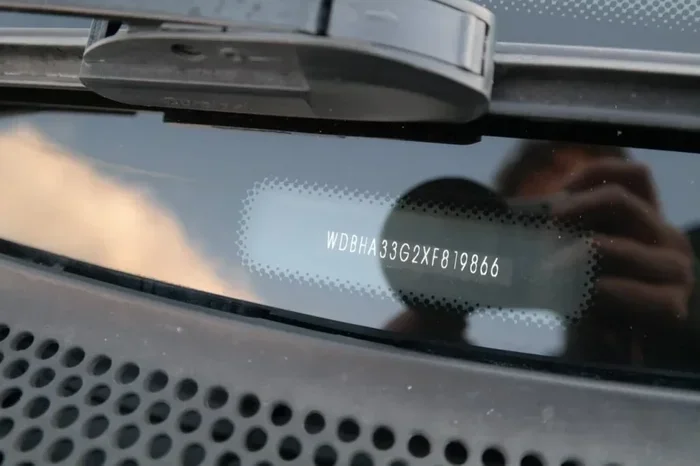
You can find your VIN in several locations on any vehicle. The most common spot is on the dashboard, visible from outside the car on the driver’s side. Look at the corner where the dashboard meets the windshield. The VIN is also stamped on the driver’s side door jamb, printed on the vehicle title and registration, and listed on your insurance card.
For motorcycles, the VIN is usually found on the steering neck or near the engine block. Trailers and recreational vehicles have VINs as well, typically on the tongue or frame. If you cannot locate yours, check your owner’s manual or contact the manufacturer with your license plate number.
Common VIN Mistakes and How to Avoid Them
Decoding a VIN seems straightforward, but mistakes happen. Here are some common pitfalls and how to avoid them:
- Confusing similar letters and numbers: The letters I, O, and Q are never used in a VIN to avoid confusion with 1 and 0. If you see these letters in a VIN, double-check the code for errors.
- Using an incomplete VIN: A VIN must have exactly 17 characters. If the code is shorter, it may be from a pre-1981 vehicle or it may be incorrect.
- Ignoring the check digit: Skipping the 9th digit means you lose the validation step. Always verify the check digit when decoding a VIN manually.
- Assuming all manufacturers use the same VDS format: Each brand has its own system for digits 4 through 8. Use a brand-specific decoder for the most accurate results.
- Relying solely on the VIN: A VIN tells you what the car was built as, not what modifications it has received. Always combine VIN decoding with a physical inspection and a history report.
Taking a few extra minutes to verify your VIN can save you from costly mistakes. Always cross-reference the VIN on the vehicle with the VIN on the title and registration documents.
Why Decoding a VIN Is Essential Before Buying a Used Car
If you are in the market for a used car, decoding the VIN should be your first step. It costs nothing and takes only a few minutes, yet it provides critical insights that protect your investment.
A VIN decode helps you confirm the vehicle’s identity. It ensures the car matches the description in the listing. It also reveals the model year, which affects safety features, fuel economy, and reliability. You can check for open recalls by entering the VIN into the NHTSA database. If a recall has not been addressed, you can negotiate with the seller or walk away.
Beyond the basic decode, always pull a vehicle history report. These reports combine VIN data with accident records, title brands, service history, and ownership transfers. A clean report gives you peace of mind. A problematic report gives you leverage to negotiate a lower price or avoid the purchase altogether.
Remember, a dishonest seller may try to hide a vehicle’s past. A salvaged title, a flood damage brand, or a odometer rollback can all be uncovered through the VIN. Decoding your VIN is one of the most powerful tools you have as a car buyer.
Expert Insights on VIN Decoding
Automotive experts agree that understanding your VIN gives you an edge. According to industry professionals, many buyers overlook the VIN and rely only on visual inspections and seller descriptions. This approach leaves you vulnerable to fraud and misrepresentation.
Experienced mechanics also use VINs to identify the correct parts for repairs. Because a VIN specifies the exact engine, transmission, and trim, it eliminates guesswork when ordering components. Service departments at dealerships rely on VINs daily to look up technical bulletins and service intervals specific to each vehicle.
One expert tip: when buying a classic car or a rare model, the VIN can reveal original factory options that are not visible on the exterior or interior. This information can significantly affect the vehicle’s value and desirability among collectors.
Key Takeaways
- The first three digits reveal the world manufacturer identifier, telling you who made the car and where.
- Digits 4 through 9 describe the vehicle’s model, body style, engine type, and security check digit.
- The 10th digit represents the model year, which is one of the most important pieces of VIN information.
- Digits 11 through 17 identify the specific assembly plant and the unique serial number of the vehicle.
- A free VIN decoder can instantly pull up a vehicle history report with accident, title, and ownership data.
- Always decode a VIN before purchasing a used car to avoid hidden problems and fraud.
- The check digit (9th position) uses a mathematical formula to detect fake or altered VINs.
Frequently Asked Questions
Can I decode a VIN myself without any tools?
Yes, you can decode a VIN manually using reference charts for the WMI country codes, manufacturer codes, and model year letters. However, digits 4 through 8 vary by manufacturer, so a free online VIN decoder is the easiest and most accurate way to get a complete breakdown without guessing.
What if my VIN has fewer than 17 characters?
Vehicles manufactured before 1981 may have VINs shorter than 17 characters because the standardized format was not required until that year. If your VIN is exactly 17 characters but appears incomplete, double-check for missing or misread characters, as the letters I, O, and Q are never used.
Is the VIN the same as the license plate number?
No, the VIN and the license plate number are completely different. The VIN is a unique 17-character code assigned to the vehicle at the factory and never changes. A license plate is a registration tag issued by the state that can be transferred to a different vehicle or reassigned when you move.
Can two different cars have the same VIN?
No. By law, every vehicle must have a unique VIN. If you discover two vehicles with the same VIN, it is a serious red flag that could indicate VIN cloning, which is a form of vehicle fraud. Report this immediately to the National Insurance Crime Bureau or local law enforcement.
Does the VIN tell me the exact color of the car?
Generally, no. The VIN does not include the paint color or interior trim code. However, some vehicle history reports and manufacturer databases may link the VIN to the original factory color. For the most accurate color information, check the paint code sticker usually found on the driver’s door jamb or in the glove box.
Where can I run a free VIN check for accident history?
The NHTSA offers a free VIN lookup for safety recalls on its official website. For a full accident and title history, services like Carfax and AutoCheck charge a small fee per report. Some insurance companies and dealerships also provide free VIN checks as part of their evaluation process.
Conclusion
Understanding what does each digit of a VIN mean opens up a world of knowledge about any vehicle. From the country of origin stamped in the first digit to the unique serial number at the end, every character serves a purpose. A VIN is far more than a random combination of letters and numbers. It is the definitive identity of your car.
Whether you are a car buyer, a current owner, or simply someone who loves learning about vehicles, taking the time to decode your VIN pays off. Use a VIN decoder tool to get quick results, or study the positions manually to build your expertise. Always decode a VIN before purchasing a used car, and pair it with a thorough vehicle history report for the fullest picture possible.
The next time you see a VIN on your dashboard or your registration paperwork, you will know exactly what those 17 characters are telling you. That knowledge gives you confidence, protects your wallet, and helps you make smarter decisions about the vehicles you drive and buy. Start decoding today, and you will never look at a VIN the same way again.