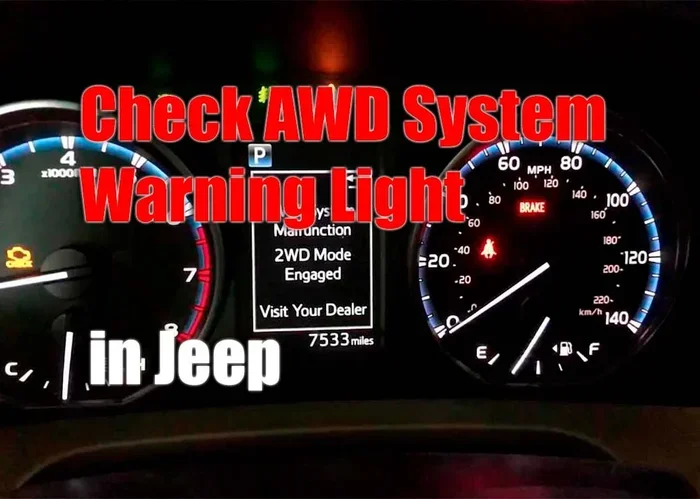
What Does It Mean When It Says Check AWD System Light
The check AWD system light on your dashboard signals a problem with your vehicle’s all-wheel drive system. It can appear due to sensor failures, low AWD fluid, transfer case issues, or differential malfunctions. Ignoring this warning may lead to costly drivetrain damage or unsafe driving conditions. In this guide, we break down every possible cause, diagnostic step, and repair option so you can take action quickly and confidently.
You’re driving down the road, minding your own business, when suddenly a warning light pops up on your dashboard. It says check AWD system. Your heart drops a little. What does it mean? Should you pull over right now? Can you keep driving? You’re not alone. Thousands of drivers see this light every single day and wonder what to do next. The good news is that a check AWD system warning doesn’t always mean your vehicle is about to break down. It does mean something needs attention, though. Let’s walk through everything you need to know about this confusing dashboard alert.
Your vehicle’s all-wheel drive system is a complex network of sensors, fluids, gears, and electronic controls. When one part of that system detects an issue, it triggers the warning light to let you know. Sometimes the fix is simple and cheap. Other times, it points to a deeper mechanical problem. Either way, understanding what the light means helps you make smart decisions quickly. This guide covers every angle — from the basic meaning of the light to common causes, diagnostic steps, and repair options.
Key Takeaways
- The AWD warning light indicates a fault in your vehicle’s all-wheel drive drivetrain system.
- Common causes include faulty wheel speed sensors, low AWD fluid, transfer case failure, and differential problems.
- You can often drive short distances with the light on, but prolonged driving may cause further damage.
- An OBD-II diagnostic scan is the fastest way to identify the specific error code behind the warning.
- Regular AWD maintenance such as fluid changes and inspections can prevent the check AWD system light from activating.
- Repair costs vary widely, ranging from a simple sensor replacement to a full transfer case rebuild.
- Don’t ignore the light — early detection saves money and keeps your vehicle safe on the road.
📑 Table of Contents
What Does the Check AWD System Light Mean?
Understanding Your AWD Warning Light
The check AWD system light is a dashboard indicator that alerts you to a fault within your vehicle’s all-wheel drive drivetrain. It may appear as the letters “AWD” with an exclamation mark, or it might show a car icon with all four wheels marked. The exact look depends on your vehicle’s make and model. Regardless of the symbol, the meaning is the same — something in your AWD system needs inspection.
Your all-wheel drive system sends power to all four wheels simultaneously. This improves traction, stability, and handling, especially in slippery conditions. The system relies on many components working together seamlessly. When one component fails or sends abnormal data, the vehicle’s computer flags the issue. The AWD warning light is your first clue that something is off.
Here’s the thing many drivers don’t realize. The light doesn’t always mean the AWD system has completely failed. In many cases, it means a sensor detected a minor issue. However, that minor issue can become a major one if left unchecked. So even if your car seems to drive fine, don’t dismiss the light.
Common Causes of the Check AWD System Light
When the check AWD system light comes on, there’s always an underlying reason. Let’s explore the most common culprits. Understanding these causes helps you talk intelligently with your mechanic and estimate potential repair costs.
Faulty Wheel Speed Sensors
Wheel speed sensors monitor how fast each wheel is spinning. Your vehicle’s computer uses this data to distribute power evenly across all four wheels. When a sensor fails or gets dirty, it sends incorrect readings. The AWD system detects the mismatch and triggers the warning light. Wheel speed sensor issues are among the most frequent reasons for the AWD warning light to appear.
These sensors are relatively inexpensive to replace. Most cost between $50 and $200 per sensor, including parts and labor. The job usually takes about an hour per wheel. So if this is the cause, you’re looking at a quick and affordable fix.
Low AWD Fluid Levels
Your AWD system uses special fluid to lubricate the gears and bearings inside the transfer case and differentials. Over time, this fluid can leak or degrade. When the fluid level drops too low, the system can’t operate properly. The result? Your dashboard lights up with the check AWD system message.
Low fluid often points to a leak somewhere in the system. Common leak points include the transfer case seal, differential gaskets, and axle seals. If you notice puddles of reddish-brown fluid under your vehicle, get it inspected right away. Running an AWD system with low fluid can cause severe internal damage.
Transfer Case Problems
The transfer case is the heart of your AWD system. It distributes engine power between the front and rear axles. When the transfer case fails, the entire AWD system suffers. Common transfer case issues include worn gears, electrical faults, and internal bearing damage.
Transfer case repairs can be expensive. Depending on the vehicle, a rebuild might cost anywhere from $500 to $2,500. In some cases, a complete replacement is necessary. That’s why it’s so important to address the AWD warning light early before a small problem becomes a big repair bill.
Differential Failures
Differentials allow the wheels on each axle to spin at different speeds, especially when turning. Both the front and rear differentials are part of the AWD system. When a differential fails, you might hear grinding noises, feel vibrations, or notice uneven tire wear. The check AWD system light will often activate alongside these symptoms.
Differential failures can result from worn gear teeth, low fluid, or lack of maintenance. Regular differential fluid changes go a long way in preventing these problems. Most manufacturers recommend changing AWD differential fluid every 30,000 to 60,000 miles.
Electrical and Wiring Issues
Modern AWD systems rely heavily on electronics. Wiring harnesses, connectors, and control modules manage everything from torque distribution to sensor data. Corroded connectors, damaged wires, or a failing control module can all trigger the AWD warning light. Electrical issues are tricky because they can come and go unpredictably.
Sometimes a loose ground wire or a corroded connector is all it takes. Other times, the problem lies deeper in the AWD control module itself. A professional diagnostic scan is the best way to pinpoint electrical faults accurately.
Tire Size Mismatches
This one surprises a lot of drivers. If you have mismatched tire sizes on your vehicle, the AWD system can detect the difference in wheel circumference. The system interprets this as a fault and illuminates the check AWD system light. This is especially common after replacing just one or two tires instead of all four.
Always replace tires in pairs or sets. For AWD vehicles, all four tires should match in size, brand, and tread depth. Even a small difference of a quarter-inch in tire circumference can confuse the AWD system and trigger the warning.
How the AWD System Works
To understand why the check AWD system light matters, it helps to know how the system works in the first place. Don’t worry — we’ll keep it simple and easy to follow.
Front and Rear Differentials
Your vehicle has at least two differentials — one in the front and one in the rear. These gears allow the wheels on each axle to rotate at different speeds. When you take a turn, the outside wheels travel a longer distance than the inside wheels. The differentials make this possible without causing tire scrubbing or drivetrain stress.
In an AWD setup, the front and rear differentials work together. The vehicle’s computer constantly monitors wheel speed, steering input, and traction conditions. It then adjusts how much power goes to the front and rear axles. This dynamic power distribution is what makes AWD so effective on wet, icy, or uneven roads.
The Role of the Transfer Case
The transfer case sits between the front and rear differentials. It receives power from the transmission and splits it between the front and rear axles. Some transfer cases use a mechanical gear set, while others rely on electronic clutch packs to manage torque distribution.
The transfer case also houses the center differential, which allows the front and rear axles to spin at different speeds. Without it, your vehicle would experience binding and handling problems, especially on dry pavement when turning. The transfer case is a critical component, and any issue with it will almost certainly trigger the AWD warning light.
Can You Still Drive With the Check AWD Light On?
Safe Driving Practices When the Light Appears
In most cases, you can still drive your vehicle with the check AWD system light on. The car will usually default to two-wheel drive mode or limit AWD engagement to protect the drivetrain. This means your vehicle will still move, but it may not perform as well in slippery conditions.
However, “you can drive” doesn’t mean “you should ignore it.” Driving with a faulty AWD system for extended periods can cause additional wear on your transmission, differentials, and tires. The longer you wait, the more expensive the repair could become.
When to Pull Over Immediately
There are situations where you should pull over safely and stop driving. If the check AWD system light comes on alongside other warning lights — such as the check engine light, oil pressure light, or temperature warning — something serious may be happening. Also, if you notice strange noises, loss of power, or severe vibrations, stop driving and call for assistance.
Trust your instincts. If something feels wrong with your vehicle, it probably is. It’s always better to be safe than sorry.
How Mechanics Diagnose AWD System Problems
When you bring your vehicle in with the check AWD system light on, the mechanic follows a systematic diagnostic process. Understanding this process helps you know what to expect and why certain steps are necessary.
OBD-II Diagnostic Scanning
The first step is almost always an OBD-II diagnostic scan. This tool plugs into your vehicle’s diagnostic port and reads the error codes stored in the computer. Each code points to a specific component or system fault. For example, a code related to the front left wheel speed sensor tells the mechanic exactly where to look.
OBD-II scanning is fast and non-invasive. It takes just a few minutes and provides a clear starting point for the diagnosis. Many auto parts stores offer free scanning, but a professional mechanic can interpret the codes in context of your specific vehicle.
Visual Inspections and Fluid Checks
After scanning, the mechanic performs a visual inspection. They check for fluid leaks, damaged wiring, loose connectors, and worn components. They also inspect the AWD fluid level and condition. Dark, burnt-smelling fluid indicates neglect or overheating. Clean fluid at the proper level is a good sign.
Visual inspections often reveal obvious problems that the diagnostic codes alone can’t show. For instance, a cracked differential housing or a frayed wiring harness is easy to spot during a physical inspection.
Road Testing and Advanced Diagnostics
Some AWD issues only appear under specific driving conditions. The mechanic may take your vehicle for a test drive to observe how the system behaves. They’ll check for vibrations, noise, and engagement issues. Advanced diagnostics may include checking the AWD control module data live, monitoring sensor readings in real time, and testing the transfer case actuator.
This thorough approach ensures that the root cause is found, not just the symptoms. A proper diagnosis prevents unnecessary part replacements and saves you money in the long run.
AWD System Repair and Maintenance Tips
The best way to deal with the check AWD system light is to prevent it from coming on in the first place. Regular maintenance goes a long way in keeping your AWD system healthy and reliable.
Preventive Maintenance Checklist
Follow these simple steps to keep your AWD system in top shape:
- Change AWD fluid regularly — every 30,000 to 60,000 miles, or as your owner’s manual recommends.
- Inspect tires frequently — ensure all four tires match in size, brand, and tread depth.
- Check for fluid leaks — look under your vehicle for any signs of dripping or puddling.
- Listen for unusual noises — grinding, whining, or clicking sounds from the drivetrain area deserve immediate attention.
- Address warning lights promptly — don’t wait for the light to go away on its own. Get it checked.
- Follow the manufacturer’s maintenance schedule — every vehicle has specific AWD service intervals listed in the owner’s manual.
Average AWD Repair Costs
Repair costs for AWD system issues vary widely depending on the cause and your vehicle model. Here’s a rough breakdown of common repairs:
- Wheel speed sensor replacement: $100 to $300
- AWD fluid change: $100 to $250
- Transfer case seal replacement: $200 to $600
- Transfer case rebuild: $500 to $2,500
- Differential repair or rebuild: $400 to $2,000
- AWD control module replacement: $500 to $1,500
These are estimates and can vary based on your location, vehicle make, and the severity of the issue. Always get a detailed quote from a trusted mechanic before authorizing any repairs.
Key Takeaways
- The AWD warning light indicates a fault in your vehicle’s all-wheel drive drivetrain system.
- Common causes include faulty wheel speed sensors, low AWD fluid, transfer case failure, and differential problems.
- You can often drive short distances with the light on, but prolonged driving may cause further damage.
- An OBD-II diagnostic scan is the fastest way to identify the specific error code behind the warning.
- Regular AWD maintenance such as fluid changes and inspections can prevent the check AWD system light from activating.
- Repair costs vary widely, ranging from a simple sensor replacement to a full transfer case rebuild.
- Don’t ignore the light — early detection saves money and keeps your vehicle safe on the road.
Conclusion
The check AWD system light might seem intimidating at first, but it doesn’t have to be. Now you know what it means, what causes it, and what steps to take. The most important thing is to act quickly. Don’t ignore the warning and hope it goes away. That approach almost always makes things worse.
Start by getting a diagnostic scan. This gives you a clear picture of what’s going on inside your AWD system. From there, you can decide whether the fix is simple and affordable or something that needs more attention. Either way, you’ll be in control of the situation instead of worrying about it.
Regular maintenance is your best friend when it comes to AWD system health. Change your fluid, check your tires, and listen to your vehicle. These small habits add up to big savings over time. Your all-wheel drive system works hard for you every day, especially in challenging weather and road conditions. Give it the care it deserves, and it will keep you safe and confident behind the wheel for years to come.
So the next time that check AWD system light appears on your dashboard, don’t panic. You now have the knowledge to understand what’s happening and what to do about it. Take it step by step, get professional help when needed, and keep your AWD system running strong.
Frequently Asked Questions
What does it mean when it says check AWD system?
The message means your vehicle’s all-wheel drive system has detected a fault. It could be something minor like a dirty wheel speed sensor or something more serious like a transfer case failure. A diagnostic scan is the best way to find the exact cause.
Can I drive my car with the check AWD system light on?
In most cases, yes, you can drive a short distance. The vehicle may switch to two-wheel drive mode to protect itself. However, prolonged driving with the light on can cause additional damage to the drivetrain. Get it checked as soon as possible.
How much does it cost to fix the check AWD system light?
Repair costs vary widely depending on the cause. A simple sensor replacement might cost $100 to $300, while a transfer case rebuild could run $500 to $2,500. The best approach is to get a proper diagnosis first so you know exactly what needs fixing.
What causes the AWD warning light to come on suddenly?
Common triggers include faulty wheel speed sensors, low AWD fluid, tire size mismatches, and electrical wiring issues. Sometimes the light comes on after driving through deep water or mud that temporarily disrupts sensor readings. A diagnostic scan reveals the specific cause.
How do I reset the check AWD system light?
You can disconnect the battery for about 15 minutes to reset the light. However, this only clears the warning — it doesn’t fix the underlying problem. The light will come back if the AWD fault isn’t repaired. Always address the root cause first.
Is the check AWD system light the same as the check engine light?
No, they are different. The check AWD system light specifically indicates a problem with the all-wheel drive drivetrain. The check engine light relates to the engine or emissions system. However, some AWD faults can trigger both lights at the same time, especially when the issue affects the transmission or engine control module.