What Is the Richest Car Company in the World Today
The richest car company in the world is a topic that sparks endless debate among auto fans and investors alike. When we look at net worth, market cap, and total revenue, companies like Toyota, Tesla, and Volkswagen compete for the top spot. Each automaker has unique strengths that make them incredibly wealthy in different ways. In this guide, we break down the numbers, compare the leaders, and answer your biggest questions. By the end, you will know exactly which company holds the crown today.
The question “What is the richest car company?” seems simple on the surface. But the answer depends on how you define wealth. Are you looking at total revenue? Market capitalization? Or overall net worth? Each measure tells a different story about which automaker sits at the top. The automotive industry is massive, with hundreds of companies competing for dominance across every continent. Some brands have been around for over a century, while others are brand new but exploding in value. In this article, we dive deep into the numbers, compare the biggest players, and give you a clear picture of who really holds the crown. Whether you are a car enthusiast, an investor, or just curious, this guide covers everything you need to know.
We will explore how wealth is measured in the auto world, look at the top contenders in detail, and discuss what the future holds for these automotive giants. The race for the top spot is more exciting than ever, especially with the rise of electric vehicles. Traditional car makers are scrambling to keep up with new tech and shifting consumer demands. So buckle up, because this is going to be a fascinating ride through the world of the wealthiest automakers.
Key Takeaways
- Toyota leads in total revenue and consistent profitability year after year, making it one of the most financially stable automakers on the planet.
- Tesla dominates in market capitalization, making it the most valuable car company by stock market worth.
- Volkswagen Group has the widest global reach with dozens of brands under its umbrella, from Audi to Porsche.
- Net worth, revenue, and market cap measure wealth differently, so the “richest” title depends on which metric you use.
- Electric vehicle makers are reshaping the industry and challenging traditional automakers in new ways.
- Profit margins matter as much as total revenue when determining true financial strength.
📑 Table of Contents
- How We Measure Riches in the Auto Industry
- The Top Contenders: Who Leads the Race
- Breaking Down the Numbers: Revenue and Profits Compared
- What Makes a Car Company Truly Rich
- The Future of Wealth in the Auto Industry
- Common Mistakes People Make When Comparing Car Companies
- Quick Tips for Understanding Auto Industry Wealth
- Expert Insights on Automotive Wealth
- Key Takeaways
- Conclusion
How We Measure Riches in the Auto Industry
Before we name a winner, we need to understand how “richest” is actually measured. Different metrics give different results, and each one highlights a unique aspect of a company’s financial health. Let us break down the three main ways people measure wealth in the car industry.
Market Capitalization
Market cap is the total value of a company’s outstanding stock. It reflects what investors believe a company is worth on any given day. Tesla currently leads in this category, even though it sells fewer cars than some competitors. Investors love Tesla because of its growth potential and brand power. Market cap can change quickly based on stock prices, earnings reports, and market trends.
Total Revenue
Revenue is the total money a company brings in from selling cars and other services. Toyota consistently tops the revenue charts, selling millions of vehicles every year worldwide. Revenue shows how much a company actually earns from its core business. It is a solid indicator of a company’s size and market presence. However, high revenue does not always mean high profit.
Net Worth and Total Assets
Net worth is what a company owns minus what it owes. This includes factories, cash reserves, intellectual property, and real estate. Companies like Volkswagen and Toyota have enormous asset bases. Net worth gives a long-term view of financial strength. It shows how much a company would be worth if it sold everything tomorrow.
The Top Contenders: Who Leads the Race
Now that we understand the measurement tools, let us look at the companies competing for the title of richest car company. Each one has a unique story and a different path to wealth.
Toyota: The Undisputed Revenue King
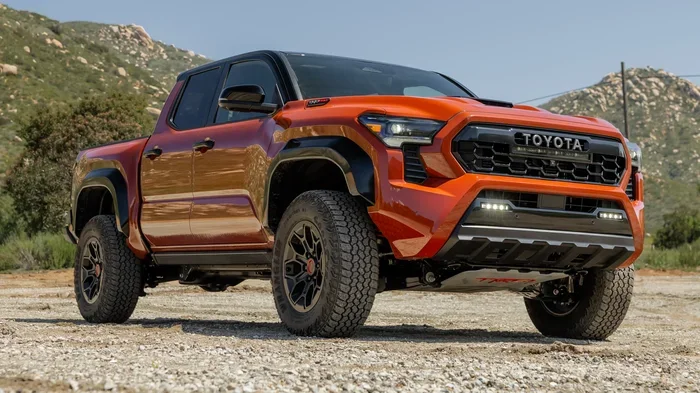
Toyota Motor Corporation is the largest automaker by revenue year after year. Based in Japan, Toyota sells more than 10 million vehicles annually. Its brands include Toyota, Lexus, and Daihatsu. The company generates over 30 trillion yen in annual revenue, which translates to hundreds of billions of dollars. Toyota’s strength lies in its massive global reach and efficient manufacturing.
Toyota has built its wealth on reliability and scale. The company sells cars in nearly every country on Earth. Its hybrid technology, especially the Prius, gave it an early advantage in the eco-friendly market. Toyota also has incredibly strong profit margins for a company of its size. This consistency has made it the richest car company by many traditional measures.
Tesla: The Market Cap Champion
Tesla Inc. is the youngest company on this list, but it has the highest market capitalization. Founded by Elon Musk in 2003, Tesla went from a niche electric car maker to a global powerhouse in just over a decade. Its market cap has surpassed the combined value of many traditional automakers.
Tesla’s wealth comes from its brand value, innovation, and investor confidence. The company sells electric vehicles, energy storage systems, and solar products. Despite selling fewer total cars than Toyota, Tesla commands a premium price per vehicle. Its stock price has been volatile but has generally trended upward. Many investors see Tesla as a technology company, not just a car maker, which drives up its valuation.
Volkswagen Group: The Global Giant
Volkswagen AG is a German automotive conglomerate with an enormous portfolio of brands. It owns Audi, Porsche, Lamborghini, Bentley, Skoda, SEAT, and more. This brand portfolio gives Volkswagen a massive footprint across luxury and mass markets.
The company generates enormous revenue from its diverse lineup. Volkswagen has a strong presence in Europe, China, and the Americas. Its total assets are among the largest in the industry. However, Volkswagen has faced challenges, including the emissions scandal in 2015. Despite these setbacks, it remains one of the wealthiest and most influential car companies in the world.
Other Notable Players
Several other automakers deserve mention when discussing the wealthiest companies in the industry. General Motors remains a major player in the United States with brands like Chevrolet and Cadillac. Ford Motor Company has a long history of profitability and brand loyalty. BMW and Mercedes-Benz lead the luxury car segment with high profit margins per vehicle. Hyundai Motor Group has grown rapidly and now includes Kia, making it one of the top five automakers globally.
Breaking Down the Numbers: Revenue and Profits Compared
Numbers tell the clearest story when comparing the wealth of car companies. Let us look at the key financial metrics side by side. This comparison will help you understand where each company stands in the current landscape.
- Toyota: Revenue over 37 trillion yen annually, with consistent profit margins around 7-8%. Net worth estimated at over 70 trillion yen.
- Tesla: Revenue exceeding 96 billion dollars in recent years. Market cap has exceeded 800 billion dollars at its peak, far outpacing its revenue.
- Volkswagen Group: Revenue around 322 billion euros. Total assets exceeding 500 billion euros, making it one of the most asset-rich companies globally.
- General Motors: Revenue around 156 billion dollars. Strong presence in North America with growing investments in electric vehicles.
- Ford Motor Company: Revenue around 158 billion dollars. Known for its truck lineup and steady profitability in the SUV and truck segments.
As you can see, the numbers vary widely depending on what you measure. Toyota wins on raw revenue and asset value. Tesla wins on market cap and investor enthusiasm. Volkswagen wins on brand diversity and global asset base. The richest car company truly depends on which metric you prioritize.
Profit Margins Matter
Revenue alone does not tell the full story. Profit margins reveal how efficiently a company turns sales into actual earnings. Luxury brands like Porsche and BMW often have profit margins above 10%, while mass-market makers may hover around 5-8%. Tesla has seen its margins fluctuate as it invests heavily in new factories and technology. Toyota’s steady margins have been a key factor in its long-term wealth accumulation.
What Makes a Car Company Truly Rich
Being rich in the car industry means more than just having a high bank balance. Several factors contribute to a company’s overall wealth and financial dominance. Let us explore what truly makes an automaker wealthy.
Brand Value and Reputation
A strong brand can be worth more than any factory or fleet of cars. Brands like Ferrari, Porsche, and Tesla command premium prices partly because of their reputation. Consumers trust these names and are willing to pay more. Brand value drives pricing power, which directly impacts profits. A company with a beloved brand can weather economic downturns more easily than one without.
Global Market Presence
Companies that sell cars worldwide have a significant advantage. They spread risk across multiple markets and benefit from economies of scale. Toyota sells in over 170 countries, giving it an unmatched global footprint. Volkswagen has strong positions in Europe and China. Tesla is rapidly expanding into new markets across Asia, Europe, and the Americas. The broader the reach, the more revenue a company can generate.
Innovation and Technology
Investment in new technology creates long-term wealth. Companies that lead in electric vehicles, autonomous driving, and battery technology position themselves for future growth. Tesla has invested billions in battery production and charging infrastructure. Toyota has pioneered hybrid technology for decades. Volkswagen is committing massive resources to electric vehicle development. Innovation keeps these companies competitive and attractive to investors.
Supply Chain and Manufacturing Efficiency
Wealthy automakers optimize every part of their production process. They build factories in strategic locations, negotiate favorable deals with suppliers, and minimize waste. Toyota’s lean manufacturing system, known as the Toyota Production System, has been studied and copied worldwide. This efficiency translates directly into higher profit margins and stronger financial health.
The Future of Wealth in the Auto Industry
The automotive industry is undergoing a massive transformation. Electric vehicles, autonomous driving, and new mobility services are reshaping how companies make money. The future of wealth in the auto world will look very different from the past.
The Electric Vehicle Revolution
Electric vehicles are no longer a niche market. They are becoming the mainstream, driven by government regulations and consumer demand for cleaner transportation. Tesla has built its entire identity around electric cars. Traditional automakers like Ford, GM, Volkswagen, and Toyota are investing billions in EV development. Companies that master electric vehicle production will likely see their wealth grow significantly in the coming decades.
Software and Services Revenue
Modern cars are essentially computers on wheels. Companies that can sell software updates, subscription services, and self-driving technology will create new revenue streams. Tesla leads in this area with its over-the-air updates and full self-driving features. Other automakers are following suit, building connected car platforms that generate recurring income. This shift could change which company is the richest in the future.
Consolidation and Mergers
The auto industry has always seen consolidation. Smaller companies merge with larger ones to gain scale and resources. We may see more mergers in the coming years as companies pool their resources to invest in new technology. This could reshape the list of the wealthiest car companies in unpredictable ways.
The race for the top spot is far from over. New players are entering the market, and existing giants are adapting fast. The richest car company today may not hold that title forever, and that is what makes this industry so exciting to watch.
Common Mistakes People Make When Comparing Car Companies
There are a few pitfalls that people often fall into when trying to determine the richest car company. Avoiding these mistakes will help you understand the topic more clearly.
- Confusing revenue with profit: A company can have huge revenue but low profit margins. Always look at both numbers.
- Ignoring market cap volatility: Stock prices change daily. A company’s market cap today may be very different from last month.
- Overlooking brand portfolio value: Companies like Volkswagen own multiple luxury brands. Their total wealth is spread across many names.
- Focusing only on car sales: Companies like Tesla also earn from energy products, software, and services. Total revenue includes all income streams.
- Neglecting regional differences: A company dominant in one market may be weak in another. Global presence matters for true wealth measurement.
Quick Tips for Understanding Auto Industry Wealth
- Always check the source: Use reputable financial reports and trusted automotive research firms for the latest data.
- Look at multiple years: One year’s data can be misleading. Compare trends over several years for a clearer picture.
- Consider currency fluctuations: Revenue figures in different currencies can be misleading without proper conversion.
- Follow earnings calls: Company executives share valuable insights about future plans and financial health during quarterly calls.
- Watch for new entrants: Companies like Rivian and BYD are challenging traditional automakers and could change the rankings quickly.
Expert Insights on Automotive Wealth
Industry analysts consistently point to a few key trends that shape which automakers stay at the top. According to leading automotive research firms, the shift toward electric vehicles is the single biggest factor changing the wealth landscape. Companies that invest early and aggressively in EV technology are seeing the greatest returns. Brand loyalty also plays a crucial role, as customers who trust a brand are more likely to pay premium prices and remain loyal through economic ups and downs. Additionally, supply chain resilience has become a top priority since the global chip shortage highlighted vulnerabilities in the auto industry. Companies with diversified supply chains and strong supplier relationships are better positioned to maintain production and revenue during disruptions.
Financial experts also emphasize that the definition of “richest” will evolve. As the industry moves toward software-defined vehicles and mobility services, the traditional metrics of revenue and units sold may give way to new measures of value. Companies that adapt to these changes will likely lead the rankings in the years ahead.
Key Takeaways
- Toyota leads in total revenue and consistent profitability year after year, making it one of the most financially stable automakers on the planet.
- Tesla dominates in market capitalization, making it the most valuable car company by stock market worth.
- Volkswagen Group has the widest global reach with dozens of brands under its umbrella, from Audi to Porsche.
- Net worth, revenue, and market cap measure wealth differently, so the “richest” title depends on which metric you use.
- Electric vehicle makers are reshaping the industry and challenging traditional automakers in new ways.
- Profit margins matter as much as total revenue when determining true financial strength.
- The future of automotive wealth lies in EV technology, software, and global market expansion, with new contenders ready to disrupt the status quo.
Conclusion
So, what is the richest car company? The answer depends on how you measure wealth. Toyota stands as the king of revenue and total assets, with a century of consistent performance behind it. Tesla holds the crown in market capitalization, reflecting investor confidence in its future growth and innovation. Volkswagen Group impresses with its sheer scale and brand diversity across the globe. Each of these companies has earned its wealth through different strengths and strategies.
The automotive industry is evolving faster than ever. Electric vehicles, autonomous driving, and digital services are creating new paths to wealth. The company that leads today may not lead tomorrow, and that is what makes this industry so dynamic. Whether you are tracking these companies as an investor or simply following the auto world out of curiosity, understanding what makes a car company rich gives you valuable insight into one of the world’s largest industries.
Keep watching the numbers, stay curious, and remember that wealth in the car industry is about more than just money. It is about innovation, brand power, and the ability to adapt to a rapidly changing world. The richest car company today has earned its position through decades of hard work, smart strategy, and a relentless drive to stay ahead of the competition.
Frequently Asked Questions
Which car company is the richest in the world right now?
The answer depends on how you measure wealth. Toyota leads in total revenue and assets, making it the richest by traditional financial metrics. Tesla leads in market capitalization, making it the most valuable by stock market standards. Volkswagen Group ranks highly in total assets and brand diversity. Each company has a legitimate claim to the title depending on the metric you prioritize.
How is the richest car company determined?
There are three main ways to measure a car company’s wealth: market capitalization, total revenue, and net worth. Market cap reflects investor confidence and stock value. Revenue shows how much money the company earns from selling cars and services. Net worth includes all assets minus liabilities. Each metric tells a different part of the financial story.
Is Tesla richer than Toyota?
Tesla has a higher market capitalization than Toyota, which means investors value Tesla more highly on paper. However, Toyota generates far more in total revenue and has a larger asset base. Tesla’s valuation reflects its growth potential and brand strength, while Toyota’s wealth reflects decades of consistent profitability and scale. So yes and no, depending on which measure you use.
Which luxury car brand is the wealthiest?
Among luxury brands, Porsche and Ferrari stand out for their exceptional profit margins per vehicle. Ferrari has one of the highest margins in the industry despite selling far fewer cars than mass-market makers. Porsche, owned by Volkswagen Group, consistently delivers strong profits and brand value. Both companies prove that luxury positioning can generate enormous wealth even at smaller scale.
Will electric vehicle companies overtake traditional automakers in wealth?
It is very possible. Companies like Tesla and BYD are growing rapidly as electric vehicle demand increases. Traditional automakers are investing heavily in EV technology to stay competitive. The shift toward software-defined vehicles and new revenue streams like subscriptions could further accelerate this transition. The next decade will likely reshape the wealth rankings in the auto industry significantly.
What role does China play in the wealth of car companies?
China is the world’s largest automotive market, and companies with strong China operations have a significant financial advantage. Volkswagen has a major joint venture with SAIC Motor in China. Tesla operates a massive factory in Shanghai. BYD, a Chinese automaker, has become one of the world’s largest EV makers. Access to the Chinese market can dramatically boost a company’s revenue and growth potential.
=== SEO TITLE ===
What Is the Richest Car Company in the World Today
=== META TITLE ===
Richest Car Company in the World Today | 2024 Guide
=== URL SLUG ===
/richest-car-company-in-the-world