Why Do My High Beams Turn On by Themselves in Auto Mode
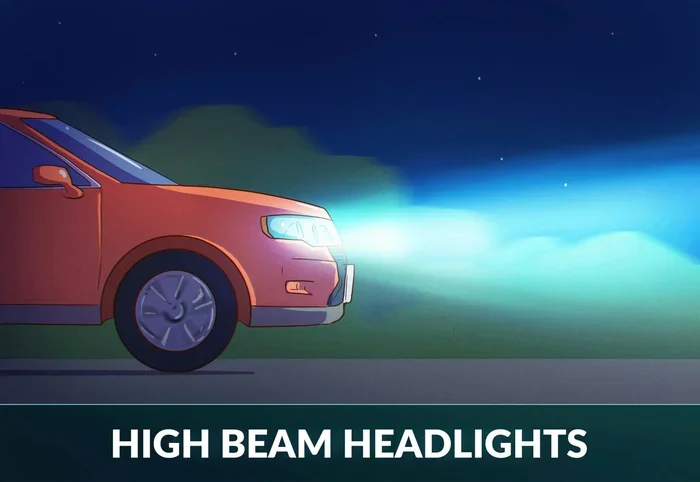
Your high beams turning on by themselves in auto mode is a frustrating but common issue that usually stems from a faulty light sensor, wiring problem, or headlight control module glitch. Understanding how the automatic high beam system works can help you diagnose the root cause quickly. This guide walks you through every possible reason and gives you practical steps to fix it yourself or know when to call a mechanic.
Have you ever been driving down a quiet road and suddenly your high beams flash on out of nowhere? It is startling, annoying, and honestly a little scary. You glance at your dashboard and wonder, why do my high beams turn on by themselves in auto mode?
This is not just an inconvenience. It can blind other drivers, drain your battery, and make nighttime driving genuinely unsafe. The good news is that you are not alone in dealing with this issue. Thousands of car owners experience the same problem every year. And the good news keeps going, because most causes are easy to identify and fix.
In this article, we will break down exactly why your automatic high beam system might be acting up. We will cover how the system works, what triggers it incorrectly, and the best ways to solve the problem. Whether you are a DIY mechanic or just someone who wants to understand their car better, this guide has you covered.
Key Takeaways
- Sensor issues are the #1 culprit: A dirty or damaged light sensor on your windshield often tricks your car into thinking it is dark.
- Wiring problems can cause false triggers: Corroded or frayed wires send incorrect signals to your headlight control module.
- The auto high beam feature is designed to help: It uses ambient light sensors and oncoming traffic detection to switch beams automatically.
- Simple fixes often work: Cleaning the sensor or resetting the system solves the problem in many cases.
- Don’t ignore the dashboard warning light: It is your car telling you something needs attention.
- Professional help may be needed: Complex electrical issues or module failures require expert diagnosis.
- Regular maintenance prevents most problems: Keeping sensors clean and wiring intact goes a long way.
📑 Table of Contents
- How the Automatic High Beam System Works
- Common Reasons Your High Beams Activate on Their Own
- The Role of the Light Sensor in Auto Mode
- Electrical and Wiring Issues That Trigger Auto High Beams
- How to Fix High Beams That Turn On by Themselves
- When to See a Professional Mechanic
- Preventing Future High Beam Problems
- Understanding the Dashboard Warning Light for Auto High Beams
- How Different Vehicles Handle Auto High Beams
- Is It Safe to Drive with Malfunctioning Auto High Beams?
How the Automatic High Beam System Works
Before we dig into the problems, it helps to understand how the system is supposed to work. Your car’s auto high beam feature is a smart lighting system designed to improve visibility without blinding other drivers.
Here is how it works in simple terms. Your vehicle has a light ambient sensor mounted on the windshield, usually near the rearview mirror. This sensor constantly measures the surrounding light. When it gets dark enough, it turns your headlights on. When it detects oncoming traffic or cars ahead of you, it switches from high beams to low beams automatically.
The system relies on a few key components working together:
- Light sensor module: Reads the ambient light around your vehicle.
- Headlight control module: Acts as the brain that processes sensor data.
- High beam relay: Sends power to the high beam bulbs when needed.
- CAN bus system: The communication network that lets all these parts talk to each other.
- Dashboard warning light: Tells you when the auto high beam is active.
When all of these parts work correctly, you get seamless automatic beam switching that makes night driving much safer. But when one part fails, things go wrong fast.
What Triggers the Auto High Beam System?
The system activates based on two main inputs. The first is the ambient light level. When it gets dark, the sensor tells the control module to engage the headlights. The second input comes from the oncoming traffic detection system, which uses a camera or sensor to spot other vehicles and dim your beams accordingly.
Think of it like a smart assistant for your headlights. It watches the road, checks the light conditions, and makes decisions for you. But just like any smart system, it can get confused or malfunction.
Common Reasons Your High Beams Activate on Their Own
Now let us get to the heart of the matter. Why do your high beams turn on auto when you least expect it? There are several common causes, and they range from simple to complex.
Dirty or Obstructed Light Sensor
This is the number one cause of phantom high beam activation. The light sensor on windshield sits behind your rearview mirror and needs a clear view of the sky. Over time, dust, dirt, snow, or even a small sticker can block or confuse the sensor.
When the sensor cannot read the light correctly, it may think it is pitch black even during the day. Your high beams then turn on automatically because the system thinks you need them. This is especially common after a long road trip, a car wash, or during winter months when road grime builds up quickly.
Quick Tip: Grab a microfiber cloth and gently wipe the area behind your rearview mirror. You would be surprised how often this simple fix solves the entire problem.
Faulty Headlight Switch
Your headlight switch is the manual control for your lights. When it starts to fail, it can send mixed signals to the headlight control module. Instead of staying in auto mode, the switch might send a signal that the high beams should be on full time.
This happens more often in older vehicles or cars with high mileage. The internal contacts wear out over time and start to stick or send incorrect readings. If your headlight switch feels loose or sticky when you turn it, that is a strong sign it needs replacement.
Failed Headlight Control Module
The headlight control module is essentially the computer that manages your lighting system. When it malfunctions, it can cause all sorts of weird behaviors, including high beams turning on randomly. This is one of the more expensive fixes because the module itself can be pricey.
However, before you spend money on a new module, make sure you have ruled out simpler causes. A faulty sensor or bad wiring can mimic the symptoms of a failed control module.
Wiring and Electrical Issues
Your car is essentially a big network of wires, and when one wire goes bad, it can cause a chain reaction. Corroded connectors, frayed wires, or loose grounds can all send incorrect signals to your headlights.
Moisture is a particular enemy here. If water gets into your headlight housing or connector, it can cause short circuits and intermittent failures. This is common in vehicles that live near the coast or in areas with heavy rain and snow.
Common Mistake: Many car owners try to fix wiring issues by splicing new wires onto old ones. This can create more problems than it solves. Always use proper connectors and waterproof heat shrink when repairing electrical wiring.
Software Glitches in the Auto Lighting System
Modern vehicles rely heavily on software to control everything from your radio to your headlights. Sometimes a software glitch causes the automatic lighting system to malfunction. This can happen after a battery replacement, a jump start, or even a routine software update.
The fix for this is usually simple. A system reset often clears the glitch and gets everything back to normal. We will talk more about how to do this in the next section.
Aftermarket Accessories Interfering with the System
Did you recently install LED bulbs, a new stereo, or a dash cam? Aftermarket accessories can sometimes interfere with your vehicle’s electrical system. The CAN bus system that connects all your car’s electronics may interpret the new accessory as a signal, causing unexpected high beam activation.
This is especially common with LED bulbs that draw less power than traditional halogen bulbs. The lower power draw can confuse the system into thinking there is a bulb failure, which can trigger strange lighting behaviors.
The Role of the Light Sensor in Auto Mode
The light sensor module is the unsung hero of your auto high beam system. It works silently in the background, constantly monitoring the light around your vehicle. When it works correctly, you never even notice it is there.
But when it goes wrong, it becomes the center of your attention. A failing sensor can cause your high beams to stay on constantly, flicker randomly, or refuse to turn on at all.
Where Is the Light Sensor Located?
In most vehicles, the ambient light sensor sits on the windshield, usually mounted behind or near the rearview mirror. It is a small, usually black or dark-colored module that looks like a tiny camera or dot. Some cars have the sensor integrated into the mirror housing itself.
Because of its location, the sensor is exposed to all kinds of elements. Dirt, grime, ice, and even aftermarket window tint can block its readings. This is why keeping the sensor clean is one of the easiest maintenance tasks you can do.
How the Sensor Communicates with the Headlights
The sensor sends data to the headlight control module through the vehicle’s internal network. The module then decides whether to turn the lights on, switch between high and low beams, or keep them off. This entire process happens in milliseconds.
When the sensor sends incorrect data, the module makes incorrect decisions. That is when you get your high beams blasting on a sunny afternoon or flickering on a dark road when they should be off.
Expert Insight: According to automotive lighting specialists, the ambient light sensor loses accuracy over time due to UV exposure and dirt buildup. Cleaning it every few months can significantly extend its lifespan and keep your auto high beam system working properly.
Electrical and Wiring Issues That Trigger Auto High Beams
Electrical problems are some of the trickiest issues to diagnose in any vehicle. Your car’s wiring system is complex, and problems can hide in places you would never think to look.
Corroded Connectors
Over time, exposure to moisture, road salt, and temperature changes can cause connectors to corrode. Corroded connectors increase resistance in the circuit, which can send false signals to your headlight control module. The module then activates the high beams because it thinks there is a demand for them.
You can check your connectors by removing the headlight assembly and looking for green or white buildup on the terminals. A simple cleaning with electrical contact cleaner can often restore proper function.
Loose Ground Wires
Every electrical component in your car needs a proper ground to work correctly. When a ground wire becomes loose or corroded, the electrical current does not flow properly. This can cause all sorts of weird behaviors, including high beams activating on their own.
Check the ground wires connected to your headlight assembly and body control module. Tighten any loose connections and clean any corrosion you find.
Short Circuits in the Headlight Harness
The headlight harness is the bundle of wires that connects your headlights to the vehicle’s electrical system. If the insulation on these wires wears away, the bare copper can touch and create a short circuit.
Short circuits in the headlight harness can cause intermittent high beam activation. The problem may come and go, making it especially frustrating to diagnose. If you suspect a short circuit, it is best to have a professional mechanic inspect the harness with a multimeter.
Quick Tip: After heavy rain or a car wash, check if your high beams behave differently. Moisture in the headlight housing can cause temporary electrical issues that mimic sensor or module problems.
How to Fix High Beams That Turn On by Themselves
Now that you know the common causes, let us talk about fixes. Some of these you can do at home, and others will need a professional touch.
Step 1: Clean the Light Sensor
Start with the simplest fix. Find the sensor behind your rearview mirror and wipe it clean with a microfiber cloth. Remove any dust, dirt, or grime that might be blocking its view. This alone fixes the problem for a surprising number of car owners.
Step 2: Reset the Auto Lighting System
Sometimes a simple reset clears up software glitches. Here is what to do:
- Turn off your engine and remove the key from the ignition.
- Disconnect the negative battery terminal for at least 15 minutes.
- Reconnect the terminal and start the engine.
- Check if the auto high beam system works correctly now.
This resets the headlight control module and clears any temporary error codes that might be causing the issue.
Step 3: Check the Headlight Switch
Inspect your headlight switch for any signs of wear or damage. If the switch feels loose, sticky, or unresponsive, it likely needs to be replaced. Replacing a headlight switch is a relatively inexpensive repair that most mechanics can do in under an hour.
Step 4: Inspect the Wiring
Look for any visible damage to the wires connected to your headlights. Pay special attention to areas where wires are exposed to heat, moisture, or road debris. Replace any damaged wires and use proper connectors for all repairs.
Step 5: Update or Reprogram the Control Module
If none of the above steps work, the headlight control module may need a software update or reprogramming. Your dealership or a qualified mechanic can do this with specialized diagnostic equipment. This is usually a quick and affordable fix.
Common Mistake: Do not try to reprogram the control module yourself unless you have experience with automotive electronics. Incorrect programming can cause more problems than it solves.
When to See a Professional Mechanic
While many causes of high beams turning on by themselves are easy to fix, some problems require professional expertise. You should see a mechanic if:
- The problem persists after cleaning the sensor and resetting the system.
- You notice a burning smell or visible damage to wiring.
- Your dashboard warning light stays on after trying the fixes above.
- The high beams flicker intermittently and unpredictably.
- You suspect a short circuit or corroded connector deep in the wiring.
A professional mechanic has the tools and expertise to diagnose electrical issues quickly and accurately. They can use diagnostic scanners to read error codes from your vehicle’s computer, which gives them a clear picture of what is going wrong.
Expert Insight: Automotive technicians recommend getting your vehicle’s electrical system checked at least once a year. Regular inspections catch small problems before they turn into expensive repairs. This is especially true for the lighting system, which is critical for safe nighttime driving.
Cost of Repairs for Auto High Beam Issues
The cost of fixing your high beam problem depends entirely on the cause. Here is a rough breakdown:
- Sensor cleaning: Free if you do it yourself. A mechanic might charge $30 to $50 for the service.
- Headlight switch replacement: $50 to $150 for parts and labor.
- Wiring repair: $75 to $200 depending on the extent of the damage.
- Control module replacement: $200 to $600 for parts and labor.
- Sensor replacement: $100 to $300 depending on your vehicle make and model.
These are general estimates and can vary widely based on your location, vehicle type, and the severity of the issue. Always get a quote from your mechanic before approving any repairs.
Preventing Future High Beam Problems
Once you have fixed the issue, you want to make sure it does not come back. Prevention is always better than cure, and a few simple habits can keep your automatic lighting system running smoothly for years to come.
Keep Your Sensor Clean
Make it a habit to wipe down the area behind your rearview mirror whenever you wash your car. A clean sensor reads light accurately and prevents false triggers. This is especially important during winter when road grime and salt build up quickly.
Check Your Wiring Regularly
Inspect your headlight wiring every few months. Look for signs of wear, corrosion, or damage. Catching a problem early can save you from a much bigger repair bill down the road.
Use Quality Replacement Parts
When replacing bulbs, switches, or sensors, always use quality parts that meet or exceed OEM specifications. Cheap aftermarket parts may save you money upfront but can cause all sorts of problems with your auto high beam feature down the line.
Stay on Top of Software Updates
Modern vehicles receive software updates that can fix bugs in the auto lighting system. Ask your dealership if there are any recalls or technical service bulletins related to your vehicle’s lighting system.
Understanding the Dashboard Warning Light for Auto High Beams
Your dashboard has a specific symbol for the auto high beam system. It usually looks like a headlight icon with a letter “A” or a car shape with curved lines representing light beams. When this light is on, it means the auto high beam system is active and ready to adjust your beams based on surrounding conditions.
If you see this warning light flashing or staying on when it should not be, it is your vehicle telling you something is wrong. Do not ignore it. The sooner you address the issue, the safer your nighttime driving will be.
Some vehicles also have a specific indicator that shows when the high beams are currently on, even in auto mode. If you see this light on during the day or in well-lit conditions, that is a clear sign your system is malfunctioning and needs attention.
How Different Vehicles Handle Auto High Beams
Not all automatic high beam systems are created equal. Different manufacturers use different technologies and approaches. Here is a quick comparison of how some popular brands handle auto high beams:
| Brand | System Name | How It Works |
|---|---|---|
| Toyota | Automatic High Beam | Uses a windshield-mounted sensor to detect light and oncoming traffic |
| BMW | Adaptive Driving Beam | Uses a camera and LED matrix to selectively dim high beams |
| Ford | Auto High Beam | Uses a steering column-mounted sensor for ambient light detection |
| Chevrolet | Auto High Beam | Uses a sensor behind the windshield to manage beam switching |
| Honda | Auto High Beam | Uses a camera integrated into the windshield for traffic detection |
While the systems differ in design, they all share the same basic principle: use sensors to detect light conditions and oncoming traffic, then adjust your beams accordingly. When any part of this system fails, the result is the same, high beams turning on unexpectedly in auto mode.
Understanding how your specific vehicle’s system works can help you narrow down the cause of the problem faster. Check your owner’s manual for details on your vehicle’s auto high beam feature and the location of the light sensor.
Is It Safe to Drive with Malfunctioning Auto High Beams?
This is a question many drivers ask, and the answer is not always straightforward. If your high beams turn on by themselves but you can manually switch them off, you can still drive safely, especially if you remember to turn them off before approaching other vehicles.
However, if the high beams stay on no matter what you do, nighttime driving becomes dangerous. You risk blinding oncoming drivers and causing accidents. In this case, it is best to avoid driving at night until the issue is resolved.
Some drivers choose to simply turn off the auto high beam feature entirely and use their headlights manually until they can get the problem fixed. This is a perfectly safe temporary solution that keeps you and other drivers safe on the road.
Frequently Asked Questions
Why do my high beams keep turning on by themselves in auto mode?
The most common reason is a dirty or obstructed light sensor on your windshield. When the sensor cannot read ambient light correctly, it tricks the system into thinking it is dark and activates the high beams. Other causes include faulty wiring, a failing headlight switch, or a malfunctioning control module.
Can a dirty windshield cause the auto high beam system to malfunction?
Absolutely. Dirt, grime, ice, or even a small sticker on the windshield near the sensor can block its readings. The sensor needs a clear view of the surrounding light to work properly. Cleaning the sensor area often resolves the issue completely.
Is it expensive to fix auto high beams that turn on by themselves?
It depends on the cause. Simple fixes like cleaning the sensor are free. Replacing a headlight switch costs around $50 to $150. More complex repairs like a control module replacement can run $200 to $600. Always start with the simplest and cheapest fixes first.
Can aftermarket LED bulbs cause high beams to turn on randomly?
Yes, they can. LED bulbs draw less power than traditional halogen bulbs, which can confuse your vehicle’s electrical system. The lower power draw may trigger error codes or cause the auto high beam system to behave unpredictably. Using LED-compatible resistors or CAN bus adapters can fix this issue.
Should I disconnect my battery if the high beams keep turning on?
A battery disconnect can reset the headlight control module and clear temporary software glitches. Disconnect the negative terminal for at least 15 minutes, then reconnect it and restart your vehicle. This is a safe and simple first step before trying more complex repairs.
Can a software update fix my auto high beam problem?
Yes, in many cases. Modern vehicles receive software updates that address bugs in the auto lighting system. Check with your dealership to see if there are any recalls or technical service bulletins for your vehicle. A software update is often free and can resolve the issue quickly.
=== CONCLUSION ===
Why do my high beams turn on by themselves in auto mode? As we have covered throughout this article, the answer usually comes down to a few common culprits. A dirty light sensor, faulty wiring, a failing headlight switch, or a software glitch are the top reasons your auto high beam system goes haywire.
The good news is that most of these issues are fixable, and many of the solutions are simple and affordable. Start with the basics, like cleaning the sensor and resetting the system. If those steps do not work, move on to inspecting the wiring and headlight switch. And when in doubt, a professional mechanic can diagnose the problem quickly and get you back on the road safely.
Your vehicle’s automatic high beam system is designed to make your life easier and your nighttime driving safer. When it works correctly, you never have to think about switching between high and low beams. When it malfunctions, it becomes a constant source of frustration and potential danger.
Take the time to understand your car’s lighting system, keep it well-maintained, and address problems early. A little preventive care goes a long way toward ensuring your auto high beam feature works reliably for years to come. Drive safely, keep your lights in good working order, and enjoy the road ahead.