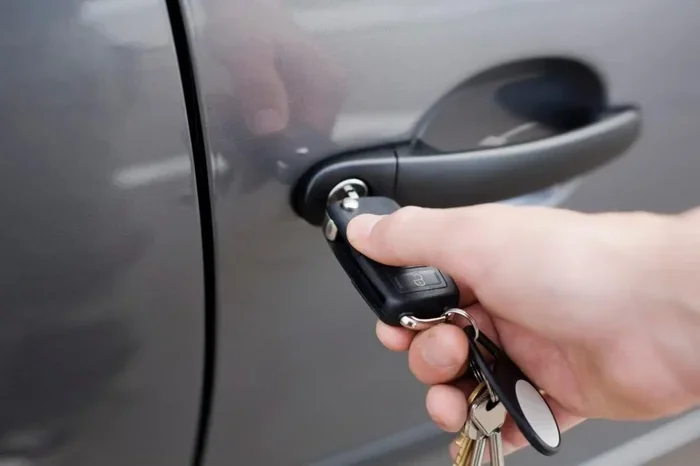
Why Is My Car Key Not Opening The Driver Side Door
Why is my car key not opening the driver side door? This frustrating problem can happen for many reasons, from a worn key or frozen lock cylinder to a dead key fob battery or a jammed door latch. In this guide, you will learn the most common causes, simple DIY fixes you can try at home, and expert tips to prevent the issue from happening again. Whether your car key is stuck or your driver side door lock feels stiff, this article covers everything you need to know to solve the problem quickly and safely.
Key Takeaways
- Worn or damaged keys are the most common reason a car key fails to turn in the driver side door lock.
- Frozen lock cylinders caused by cold weather can stop your key from working, but a simple lubricant fix often solves it.
- Dead key fob batteries can make it seem like your key is not working when the remote function simply needs a new battery.
- Jammed door lock mechanisms may need professional cleaning or replacement to restore smooth operation.
- Regular key maintenance and lock lubrication can prevent most car key problems before they start.
- Knowing when to call a locksmith saves you time, money, and the risk of damaging your lock further.
📑 Table of Contents
- Why Is My Car Key Not Opening The Driver Side Door
- Common Reasons Your Car Key Will Not Turn in the Driver Side Door
- How to Fix a Car Key That Will Not Turn
- Key Fob and Remote Key Problems
- Weather and Environmental Factors That Affect Car Locks
- When to Call a Professional Locksmith
- Preventing Future Car Key and Lock Problems
- Understanding Your Car Door Lock System
- Common Mistakes People Make When Their Car Key Gets Stuck
- Key Takeaways
- Conclusion
Why Is My Car Key Not Opening The Driver Side Door
You walk up to your car on a busy morning. You put the key in the driver side door lock. You turn it. Nothing happens. The key will not move. The lock feels stuck. You try again. Still nothing.
This is one of the most annoying experiences any driver can face. You are standing there, late for work or an important appointment, and your car key is not opening the driver side door. The panic starts to set in. You wonder if the lock is broken. Maybe the key is damaged. Could it be the cold weather? Or is something more serious going on inside the door?
The good news is that most of the time, this problem has a simple explanation and an even simpler fix. Whether it is a worn key, a frozen lock cylinder, or a tired key fob battery, understanding the root cause helps you solve it fast. This guide walks you through every possible reason your car key is stuck in the driver side door lock. It gives you practical steps to try at home. And it tells you exactly when to call a professional for help.
Let us break down the most common causes and solutions so you can get back on the road with confidence. No jargon. No guesswork. Just clear, helpful advice that works.
Common Reasons Your Car Key Will Not Turn in the Driver Side Door
Before you start trying fixes, it helps to understand what might be causing the problem. Several issues can stop your driver side door lock from working properly. Here are the most common culprits.
Worn or Damaged Key Teeth
Your car key has tiny teeth cut into its blade. These teeth match the grooves inside the lock cylinder. Over time, regular use wears down those teeth. The key becomes thinner. The cuts lose their shape. When this happens, the key can no longer push the lock pins into the right position. The result? Your key turns but the lock does not engage. Or it will not turn at all.
Keys that have been copied many times are especially prone to this problem. Each copy can be slightly less precise than the original. After several copies, the key may be too far off to work properly. If you have had your key copied at a hardware store five or six times, the wear on the teeth could be significant.
Frozen Lock Cylinder
If you live in a cold climate, freezing temperatures are a major enemy of your car locks. Moisture can get inside the lock cylinder. When the temperature drops, that moisture turns to ice. The ice expands and blocks the internal pins from moving. Your key feels like it is hitting a wall. No matter how gently or firmly you push, it will not budge.
This is a very common problem in winter months. It happens more often than most drivers realize. A frozen car lock can affect any door, but the driver side door gets the most use. It is also the door most exposed to rain, snow, and road salt.
Jammed Door Lock Mechanism
Inside your car door, there is a complex system of rods, levers, and springs that connect the lock cylinder to the actual latch. Sometimes, one of these parts can break or come loose. When this happens, turning the key does nothing because the mechanism inside the door is jammed. You might hear a rattling sound when you turn the key. Or you might hear nothing at all. Either way, the door will not unlock.
Jammed mechanisms often happen after a car door is slammed too hard. They can also develop over time as parts age and corrode. Road salt and moisture speed up this process significantly.
Steering Wheel Lock Engaged
This one catches people off guard all the time. When you turn off your car and turn the steering wheel slightly, the steering lock engages. This is a security feature. But sometimes, the steering lock puts pressure on the ignition and lock column. This pressure can make it feel like your key is stuck or will not turn in the door lock. It is not really the door lock that is the problem. It is the steering column lock interfering with the key movement.
To fix this, gently wiggle the steering wheel back and forth while also trying to turn the key. You will usually feel the lock release. The key will then turn smoothly.
How to Fix a Car Key That Will Not Turn
Now that you know the common causes, let us talk about solutions. Many of these fixes are simple and take just a few minutes. You do not need to be a mechanic to try them.
Step One: Check the Key Itself
Start with the simplest explanation. Look closely at your key. Do you see any bends, cracks, or worn-down teeth? Hold it next to a spare key if you have one. Compare the teeth. If they look different, your key is likely the problem.
Here is what you should do:
- Try your spare key. If the spare works, the original key is worn or damaged.
- If you do not have a spare, get a new key cut at a dealership or locksmith.
- Do not try to straighten a bent key with pliers. This can weaken it further and make it snap inside the lock.
A fresh key often solves the problem instantly. It costs very little and takes only a few minutes at a key-cutting shop.
Step Two: Lubricate the Lock Cylinder
If the key looks fine but still will not turn, the lock cylinder may need lubrication. Over time, dust, dirt, and old grease build up inside the lock. This gunk creates friction. The key cannot slide through smoothly.
Here is how to do it right:
- Get a lock-specific lubricant like graphite powder or a dry PTFE spray.
- Spray a small amount into the keyhole.
- Insert the key and gently work it back and forth several times.
- Wipe away any excess lubricant with a clean cloth.
Avoid using WD-40 for long-term lock lubrication. WD-40 is a solvent, not a true lubricant. It can wash away existing grease inside the lock and leave behind residue that attracts more dirt. Graphite powder or silicone-based lubricants work much better for car locks.
Step Three: Thaw a Frozen Lock
If cold weather is the cause, you need to thaw the lock cylinder. Do not pour hot water on it. The sudden temperature change can crack the lock housing or the door glass.
Instead, try these safe methods:
- Use a lock de-icer spray. These are sold at auto parts stores and work in seconds.
- Breathe warm air into the keyhole and gently work the key back and forth.
- Use a hair dryer on a low setting held about six inches from the lock.
- Carry a small lock de-icer in your glove box during winter months. Prevention is the best fix.
Once the ice melts, the key should turn freely. This is one of the easiest and fastest fixes for a frozen car lock.
Step Four: Address the Steering Wheel Lock
If you suspect the steering wheel lock is the issue, follow these steps:
- While holding the key in the door lock, gently wiggle the steering wheel left and right.
- You should feel the steering lock release after a few seconds.
- Once released, try turning the key again.
This simple trick resolves the problem in most cases. It is quick, free, and requires no tools.
Key Fob and Remote Key Problems
Many modern cars come with key fobs instead of traditional metal keys. If your car key is not opening the driver side door but you use a remote key fob, the problem might be different from a mechanical lock issue.
Dead Key Fob Battery
The most common reason a key fob stops working is a dead battery. Key fob batteries typically last one to two years. When the battery dies, the remote function stops working. You might not be able to unlock the doors from a distance. Some cars have a backup physical key hidden inside the fob that you can use to unlock the door manually.
To fix this:
- Check your owner manual for the correct battery type. Most key fobs use a CR2032 coin battery.
- Open the fob with a small flathead screwdriver.
- Replace the old battery with a new one.
- Test the fob from a few feet away.
This fix costs less than a dollar and takes about two minutes. It is the first thing you should try when your remote key fob stops working.
Key Fob Signal Interference
Sometimes the problem is not the battery at all. Other electronic devices or even your phone can interfere with the key fob signal. If you keep your fob in the same pocket as your phone, the phone’s signals may block the fob’s frequency.
Try moving the fob away from other electronics and test it again. Also, check if the fob works from different distances. If it only works when you are right next to the car, the battery might be low but not completely dead yet.
Reprogramming the Key Fob
In some cases, the key fob loses its programming. This can happen after a battery replacement or if the fob gets dropped hard. Most cars have a simple reprogramming process outlined in the owner manual. If you cannot find the instructions, a dealership or locksmith can reprogram the fob for you quickly.
Weather and Environmental Factors That Affect Car Locks
Weather plays a bigger role in car lock problems than most people realize. Rain, snow, ice, and extreme heat can all affect how your driver side door lock performs.
How Cold Weather Damages Car Locks
Cold temperatures cause metal to contract. The lock cylinder shrinks slightly. Any moisture already inside the lock expands when it freezes. This creates pressure on the internal pins and springs. Over time, repeated freeze-thaw cycles can cause permanent damage to the lock mechanism.
To protect your locks in winter:
- Apply a water displacing lubricant to the lock cylinder before winter starts.
- Cover your car doors with a fitted car cover during heavy snow or ice storms.
- Keep a lock de-icer in your car at all times during the cold months.
- Avoid parking under trees where ice or sap can drip onto the locks.
How Heat and Humidity Cause Problems
Extreme heat can cause the lock cylinder to expand. Humidity introduces moisture into the lock. Over time, this moisture causes rust and corrosion inside the mechanism. Corroded locks are stiff, sticky, and unreliable. They make the key hard to insert or turn.
Regular lubrication is the best defense against heat and humidity damage. A quarterly application of lock lubricant can keep your car door lock mechanism working smoothly all year round.
When to Call a Professional Locksmith
Most car key problems can be fixed with the DIY steps above. But some situations require professional help. Knowing when to call a locksmith can save you from making the problem worse.
Signs You Need a Locksmith
Call a professional locksmith if you experience any of the following:
- The key is stuck inside the lock and you cannot remove it. This is called key extraction and should be handled by a professional to avoid breaking the key further.
- The lock cylinder is visibly damaged or corroded. A locksmith can assess whether the lock needs repair or full replacement.
- Your transponder key is not being recognized by the car’s immobilizer system. This requires specialized programming equipment.
- Multiple doors are having lock issues at the same time. This could indicate a wiring or central locking system problem.
- You have tried all DIY fixes and the problem persists.
How to Choose the Right Locksmith
Not all locksmiths are the same. Here are tips for finding a reliable one:
- Look for a licensed and insured locksmith with good online reviews.
- Ask for an estimate before any work begins.
- Choose a locksmith who specializes in automotive locks if possible.
- Avoid locksmiths who show up in unmarked vehicles without proper identification.
A good locksmith can handle car lock repair, key replacement, lock cylinder replacement, and even key fob programming. They have the tools and expertise to fix your problem without causing additional damage.
Preventing Future Car Key and Lock Problems
The best way to deal with a car key that will not open the driver side door is to prevent the problem from happening in the first place. A little regular maintenance goes a long way.
Regular Lock Maintenance Tips
- Lubricate all car door lock cylinders every three to six months with a dry lubricant spray.
- Keep your keys clean. Wipe them with a soft cloth to remove dirt and grime.
- Do not use your key as a screwdriver or tool. This can bend or damage the key blade.
- Store a spare key in a safe place at home. Having a backup saves you from panic when the primary key fails.
- Replace key fob batteries every 12 to 18 months, even if the fob still seems to work.
Key Maintenance Habits That Save You Time
Good key maintenance habits keep your locks working smoothly. Handle your keys with care. Do not leave them in pockets with sharp objects that can bend the blade. Avoid dropping them on hard surfaces. If you notice the key becoming stiff or hard to turn, address it immediately. Early intervention prevents a small problem from becoming a big one.
Also, consider getting a spare key cut and stored safely. If your primary key fails, a spare gets you back on the road fast. Many dealerships and locksmiths can cut a replacement key while you wait.
Understanding Your Car Door Lock System
To truly appreciate how to fix and prevent lock problems, it helps to understand how the system works. Your car door lock is a carefully engineered assembly of several parts working together.
The Lock Cylinder
The lock cylinder is the part you insert the key into. Inside, it contains a series of pins that must align perfectly for the key to turn. When the key matches, the cylinder rotates and activates the lock mechanism. This is the heart of your driver side door lock. When it fails, the whole system stops working.
The Door Latch and Linkage
Behind the lock cylinder, a series of rods and linkages connect to the door latch. The latch is what actually grips the door frame to keep the door closed. When you turn the key, the lock cylinder pulls these linkages, which retracts the latch and allows the door to open. If any part of this linkage breaks or seizes, the door will not open even if the key turns perfectly.
The Door Handle and Exterior Assembly
The exterior door handle connects to the lock mechanism through a separate set of linkages. When you pull the handle, it should release the latch. If the handle feels loose or unresponsive, the linkage inside the door panel may be disconnected or broken.
Understanding these basic components helps you diagnose problems faster. If the key turns but the door does not open, the issue is likely in the linkage or latch. If the key will not turn at all, the problem is in the lock cylinder or key itself.
Common Mistakes People Make When Their Car Key Gets Stuck
When you are frustrated and your car key is not opening the driver side door, it is easy to make mistakes that make things worse. Here are the most common errors to avoid.
- Forcing the key Pushing too hard can bend or snap the key inside the lock. A broken key inside the cylinder is a much bigger problem than a stuck key.
- Using the wrong lubricant WD-40 and household oils may provide temporary relief but attract dirt and gum up the lock over time.
- Ignoring the problem A stiff or sticky lock will only get worse. Addressing it early with lubrication or a new key prevents costly repairs later.
- Trying to fix electrical issues with mechanical solutions If your key fob is the problem, lubricating the lock cylinder will not help. Identify the root cause first.
- Calling the first locksmith without checking credentials Always verify that your locksmith is licensed, insured, and has positive customer reviews.
Avoiding these mistakes keeps your locks in good shape and saves you from expensive repairs.
Key Takeaways
- Worn or damaged keys are the most common reason a car key fails to turn in the driver side door lock.
- Frozen lock cylinders caused by cold weather can stop your key from working, but a simple lubricant fix often solves it.
- Dead key fob batteries can make it seem like your key is not working when the remote function simply needs a new battery.
- Jammed door lock mechanisms may need professional cleaning or replacement to restore smooth operation.
- Regular key maintenance and lock lubrication can prevent most car key problems before they start.
- Knowing when to call a locksmith saves you time, money, and the risk of damaging your lock further.
Conclusion
Having your car key not opening the driver side door is frustrating, but it is almost always a solvable problem. Whether the cause is a worn key, a frozen lock cylinder, a dead key fob battery, or a jammed door mechanism, the solutions are straightforward and affordable.
Start with the simple fixes. Check your key for wear. Lubricate the lock cylinder with the right product. Thaw a frozen lock with a de-icer spray. Replace your key fob battery if the remote is not working. These steps resolve the majority of car lock problems quickly and without professional help.
When the problem is beyond a simple fix, do not hesitate to call a trusted locksmith. They have the tools, training, and experience to handle complex lock issues safely and efficiently.
Most importantly, take preventive steps to keep your locks and keys in good shape. Regular lubrication, careful key handling, and timely battery replacements go a long way. A little maintenance today saves you from a stressful lockout tomorrow.
Now that you know the common causes and fixes for a car key that will not open the driver side door, you are prepared to handle the problem confidently. The next time your key sticks or refuses to turn, you will know exactly what to do.
Frequently Asked Questions
Why does my car key only work for some doors but not the driver side?
The driver side door lock typically gets the most use and is most exposed to the elements. This means it wears out faster than other locks. Dirt, moisture, and ice build up more quickly in the driver side lock cylinder. If the key works on other doors but not the driver side, the problem is likely specific to that lock cylinder or its internal mechanism.
Can I use WD-40 to fix a stuck car lock?
You can use WD-40 for a quick emergency fix, but it is not recommended for long-term use. WD-40 is a solvent that can wash away existing lubrication inside the lock and leave behind residue that attracts dust and grime. For lasting results, use a dry graphite powder or PTFE-based lock lubricant instead.
How much does it cost to replace a car door lock cylinder?
The cost varies depending on your car make and model. On average, a lock cylinder replacement costs between $100 and $300 for parts and labor. Luxury vehicles or newer models with advanced security features may cost more. A local locksmith can provide an accurate estimate for your specific vehicle.
What should I do if my car key breaks off inside the lock?
If your key breaks inside the lock, do not try to extract it yourself with tweezers or other tools. You risk pushing the broken piece deeper into the cylinder. Instead, contact a professional locksmith who has specialized key extraction tools. They can remove the broken piece safely and either repair or replace the lock cylinder.
How often should I replace my car key fob battery?
Most car key fob batteries last between 12 and 18 months. If you notice the remote range getting shorter or the fob needing multiple presses to work, it is time to replace the battery. Keeping a spare battery in your glove box is a smart habit that prevents unexpected lockouts.
Is it normal for car locks to get stiff in winter?
Yes, some stiffness in cold weather is normal. Metal contracts in low temperatures, and any moisture inside the lock can freeze. This makes the key harder to turn. Regular lubrication before winter and keeping a lock de-icer in your car can minimize this seasonal issue and keep your driver side door lock working smoothly all year long.