Car Gears and Speed How to Master Your Transmission
Learning how car gears and speed work together is one of the most useful skills every driver can develop. This guide breaks down transmission basics, gear ratios, and shifting techniques in simple, easy-to-understand terms. Whether you drive a manual or automatic, you will find practical tips to improve your driving experience and protect your vehicle.
Understanding how car gears and speed work together is one of the most valuable skills you can build as a driver. Your gearbox is the bridge between your engine and your wheels. It controls how much power reaches the road and at what pace your vehicle moves.
Many drivers take their transmission for granted. They just shift gears without thinking much about it. But knowing the basics of car gears and speed can help you drive smoother, save fuel, and avoid costly repairs. This guide will walk you through everything in a simple and practical way.
We will explore how transmissions work, the difference between manual and automatic systems, and why gear ratios play such a big role. You will also learn tips for smoother shifting, common mistakes to watch out for, and advanced techniques that can make you a better driver. Let us get started.
Key Takeaways
- Know Your Gears: Understanding how car gears and speed relate helps you drive more efficiently and safely.
- Manual vs Automatic: Each type of transmission has unique benefits. Choose the one that fits your driving style.
- Gear Ratios Are Key: Low gears give you power, while high gears help you save fuel at higher speeds.
- Smooth Shifting Matters: Proper gear shifting technique reduces wear on your gearbox and improves your driving experience.
- Avoid Common Mistakes: Riding the clutch and shifting at the wrong time can cause serious damage.
- Maintenance Is Essential: Regular fluid changes and inspections keep your transmission running smoothly for years.
📑 Table of Contents
Understanding How Car Gears and Speed Work Together
At its core, your transmission controls the relationship between engine speed and wheel speed. When you press the accelerator, your engine spins faster. But your wheels do not need to spin at the same rate all the time. That is where your gearbox comes in.
Many drivers never think about what happens inside their gearbox. They just press the pedal and go. But understanding the basics of car gears and speed can change the way you drive forever. It helps you make smarter decisions on the road.
What Happens Inside Your Gearbox
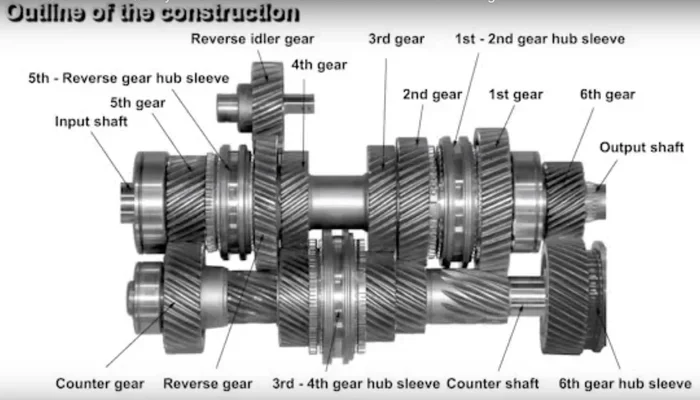
Your gearbox contains a set of gears with different sizes. Smaller gears spin faster but produce less force. Larger gears spin slower but produce more force. This is called gear ratios. When you shift from first gear to fifth gear, you are essentially changing the ratio between your engine and your wheels.
In first gear, the ratio is high. This means your wheels turn fewer times for each engine rotation. That gives you strong pulling power from a stop. In fifth gear, the ratio is low. Your wheels turn more times per engine rotation. This lets you cruise at high driving speed with less engine effort.
The transmission makes sure your engine stays within its optimal RPM range. RPM stands for revolutions per minute. It measures how fast your engine is spinning. Too low RPM and your engine struggles. Too high RPM and you waste fuel and wear out parts faster.
The concept of torque is also essential here. Torque is the twisting force that turns your wheels. Low gears deliver high torque at low speed. High gears deliver less torque but allow greater driving speed. This balance is what makes car gears and speed work so well together.
Why Gear Ratios Matter for Your Driving
Gear ratios are the secret behind how car gears and speed interact. Each gear is designed for a specific range of speed and power. Understanding this helps you make better decisions behind the wheel.
When you pull away from a stop sign, you need torque. Low gears give you maximum torque. That is why you start in first gear. As you pick up speed, you shift to higher gears. These gears use less force but allow you to go faster.
Think of it like climbing a hill. You would use a low gear to get up the steep part. Once you reach the flat top, you would shift to a higher gear to maintain speed with less effort. The same logic applies to everyday driving.
Modern vehicles often come with CVT or continuously variable transmissions. These do not have fixed gears. Instead, they use a belt and pulley system to provide an infinite number of ratios. This makes shifting seamless and can significantly improve fuel efficiency.
Another important term to know is overdrive. Overdrive is a gear setting that reduces engine RPM at high driving speed. It is usually the highest gear in your gearbox. Using overdrive on the highway can lower fuel consumption and reduce engine noise.
Manual vs Automatic Transmissions
Not all transmissions are the same. The two most common types are manual and automatic. Each has its own advantages and learning curve. Let us look at how they compare so you can understand more about car gears and speed in different setups.
The Manual Transmission Experience
A manual transmission gives you full control over your gears. You use a clutch pedal and a gear stick to shift between gears. This means you decide when to upshift or downshift based on road conditions and your driving style.
Many driving enthusiasts love manual transmissions. They feel more connected to the vehicle. You can choose the exact gear for any situation. This level of control can make driving more engaging and fun. It also gives you a better sense of how car gears and speed interact.
Manual transmissions also tend to be simpler in design. They have fewer moving parts than automatics. This can mean lower repair costs over time. However, they do require more skill and attention from the driver. Learning to drive a manual takes practice and patience.
How Automatic Transmissions Shift Gears
An automatic transmission does the shifting for you. It uses a torque converter and a complex set of sensors to decide when to change gears. You just put the car in drive and go. The transmission handles everything else.
Modern automatics are incredibly advanced. Many have eight, nine, or even ten speeds. Some use paddle shifters that let you manually select gears when you want more control. These systems are fast and smooth. They can shift in fractions of a second.
Automatic transmissions are great for city driving. Stop-and-go traffic is much easier when you do not have to work a clutch. They are also popular among drivers who want a relaxed and effortless experience. Either way, understanding car gears and speed helps you get the most from any vehicle.
| Feature | Manual Transmission | Automatic Transmission |
|---|---|---|
| Driver Control | Full manual control over all gears | Automatic shifting with optional manual mode |
| Clutch Pedal | Yes, required for all shifts | No, torque converter handles engagement |
| Fuel Efficiency | Generally better with a skilled driver | Very good in modern multi-speed units |
| Learning Curve | Steeper, requires practice | Easy, ideal for beginners |
| Maintenance Cost | Lower, simpler design | Higher, more complex components |
| Driving Engagement | High, driver is fully involved | Lower, more relaxed experience |
| Common In | Sports cars, trucks, economy cars | Most modern passenger vehicles |
Both types of transmission have their place. The best choice depends on your driving habits, your budget, and your personal preference. There is no wrong answer here. What matters most is that you understand how your specific system handles car gears and speed.
The Role of Gear Ratios in Driving
Gear ratios are one of the most important concepts in understanding car gears and speed. They determine how much power your wheels get at any given moment. Let us break this down further.
Low Gears and High Gears Explained
Low gears, like first and second, have a high gear ratio. This means the engine spins many times for each wheel rotation. The result is strong engine power but slow driving speed. Low gears are perfect for starting from a stop, climbing hills, and towing heavy loads.
High gears, like fourth, fifth, and sixth, have a low gear ratio. The engine spins fewer times for each wheel rotation. This gives you higher driving speed with less engine effort. High gears are ideal for highway cruising and maintaining steady speeds.
Here is a simple way to remember it. Low gears are for power. High gears are for speed. When you understand this basic principle, shifting becomes much more intuitive. You will find yourself making smoother gear decisions without even thinking about it.
The sequential gearbox is another type you may encounter. It is common in race cars and some motorcycles. It requires you to shift gears in order, one at a time. You cannot skip gears. This design makes gear shifting very fast and precise, which is why racers love it.
Overdrive Gears and Fuel Savings
Many modern vehicles have an overdrive gear. This is usually the highest gear, like fifth or sixth. Overdrive allows your engine to spin slower than your wheels. This reduces engine strain and improves fuel efficiency.
When you cruise on the highway at a steady driving speed, overdrive is your best friend. It keeps your engine relaxed and quiet. It also reduces wear and tear on your transmission components. Over time, this can save you significant money on repairs.
However, overdrive is not always the best choice. When you are going uphill or towing a trailer, your engine needs more power. In these situations, it is better to drop down to a lower gear. This gives your engine the leverage it needs to handle the load without straining.
Quick Tips
- Always shift up gently to avoid jerking the vehicle.
- Use overdrive on flat highways for the best fuel efficiency.
- Drop to a lower gear when climbing steep hills or towing.
- Do not shift into gear while the car is still moving fast.
- Let the clutch engage fully before accelerating in a manual car.
- Keep your driving speed steady to reduce unnecessary gear changes.
Tips for Smooth Gear Shifting
Smooth gear shifting is a skill that improves with practice. Whether you drive a manual transmission or an automatic, these tips will help you get the most out of your vehicle and truly master car gears and speed.
Timing Your Shifts Correctly
One of the most important aspects of managing car gears and speed is knowing when to shift. In a manual vehicle, you should shift up when the RPM reaches about 2,500 to 3,000. Shifting too early can cause the engine to lug. Shifting too late can cause the engine to over-rev.
Listen to your engine. It will tell you when it is time to shift. A slight strain or vibration means you are in too low a gear. A loud whining sound means you are in too high a gear. Find the sweet spot in between for the smoothest experience.
In an automatic vehicle, you do not need to worry about shift timing. The transmission handles it for you. However, you can still help by easing off the throttle slightly when you feel the shift happening. This makes the transition even smoother.
Using the Clutch Properly
The clutch is the connection between your engine and your wheels. In a manual vehicle, you use it every time you shift. Releasing the clutch too quickly can cause the engine to stall. Holding it down too long can wear out the clutch disc.
The key is to find the clutch bite point. This is the point where the clutch starts to engage. You can feel it as a slight vibration in the pedal. Practice finding this point in a safe, empty parking lot. Once you master it, your shifts will become much smoother.
Always release the clutch gradually. Do not pop it up all at once. A smooth, steady release gives the engine time to match the wheel speed. This is the foundation of good gear shifting technique and a key part of understanding car gears and speed.
Expert Insight
Experienced driving instructors often say that the most common mistake new drivers make is rushing the clutch engagement. Take your time. A smooth shift takes about two to three seconds from start to finish. Speed is not the goal. Smoothness is. Mastering this simple idea will transform how you handle car gears and speed every time you drive.
Common Gear Mistakes and How to Avoid Them
Even experienced drivers can fall into bad habits when it comes to car gears and speed. Here are some of the most common mistakes and how you can avoid them.
Riding the Clutch
Riding the clutch means keeping your foot partially on the clutch pedal while driving. This is a very common habit, especially among new manual transmission drivers. It might feel comfortable, but it causes serious damage over time.
When you rest your foot on the clutch, you are partially disengaging the gearbox. This creates friction between the clutch disc and the flywheel. Over weeks and months, this wears down the clutch material. Eventually, you will need an expensive clutch replacement.
The fix is simple. Keep your foot off the clutch pedal when you are driving. Only press it when you are actually shifting gears. This one habit change can extend the life of your clutch by thousands of miles.
Shifting Into the Wrong Gear
Shifting into the wrong gear is another common mistake. This usually happens when drivers are distracted or in a hurry. It can cause grinding noises, jerky movements, and in severe cases, damage to the gear teeth inside your gearbox.
Always make sure you are in the correct gear for your driving speed. If you are going 40 mph, you should not be in third gear. If you are crawling in traffic, you should not be in fifth gear. Take a moment to check your gear before you accelerate.
A good rule of thumb is to match your gear to your driving speed and engine load. If the engine sounds strained in a high gear, drop down. If the engine is screaming in a low gear, shift up. Your ears are one of the best tools you have for judging your gear selection.
Common Mistakes to Remember
- Never shift into reverse while the car is still moving forward.
- Do not hold the car on a hill with just the clutch.
- Avoid shifting too aggressively, especially at high RPM.
- Do not leave the car in gear when parked on a flat surface.
- Never skip more than one gear at a time when downshifting.
- Do not ignore unusual sounds or sensations when shifting.
Advanced Gear Techniques for Experienced Drivers
Once you have mastered the basics of car gears and speed, you can explore more advanced techniques. These skills can make you a more confident and efficient driver on any road.
Rev Matching for Smoother Downshifts
Rev matching is a technique used to make downshifts smoother. When you slow down and need to drop to a lower gear, your wheels are spinning slower than the engine. If you just drop the gear, the engine will suddenly speed up. This can cause a jerk and put stress on your transmission.
To rev match, you press the clutch, downshift, and briefly blip the throttle. The blip raises the engine speed to match the lower gear. Then you smoothly release the clutch. The result is a seamless downshift that feels almost magical. Your passengers will not even feel the gear change.
This technique is especially useful when you are approaching a tight corner or a sharp decline. It keeps the car stable and the gear shifting smooth. It also reduces wear on your drivetrain components, which is great for long-term vehicle health.
Using Paddle Shifters Effectively
Many modern automatic transmission vehicles come with paddle shifters. These are small levers behind the steering wheel. You use them to manually select gears without touching a gear stick.
Paddle shifters are great for spirited driving. They let you hold a lower gear on a winding road. This keeps the engine in its power band and gives you better acceleration out of corners. They also give you a sense of control that feels similar to a manual transmission.
However, paddle shifters are not a replacement for understanding car gears and speed. You still need to know when to shift and when to let the automatic system do its job. Use paddle shifters to enhance your control, not to override the system unnecessarily. The best drivers know when to take over and when to let the transmission do the work.
Expert Insight
Professional racing drivers use rev matching as a second nature. They practice it on every downshift. While you may not need this level of precision on your daily commute, it is a valuable skill for long road trips and spirited weekend drives. The smoother your shifts, the less stress you put on your entire drivetrain. Over thousands of miles, this adds up to a healthier, more reliable vehicle.
Maintaining Your Transmission for Longevity
Your transmission is one of the most complex and expensive systems in your vehicle. Taking care of it can save you thousands of dollars in repairs. Here is how you can keep your gearbox in top shape and ensure your car gears and speed relationship stays strong.
When to Change Your Transmission Fluid
Transmission fluid lubricates the internal components of your gearbox. It also helps cool the system and enables smooth gear shifting. Over time, this fluid breaks down and becomes less effective.
Most manufacturers recommend changing transmission fluid every 30,000 to 60,000 miles. However, if you drive in heavy traffic or tow heavy loads, you may need to change it more often. Check your owner’s manual for the specific recommendation for your vehicle.
When you change the fluid, also replace the filter if your vehicle has one. Fresh fluid and a clean filter work together to keep your gearbox running smoothly. This simple maintenance task can add years to the life of your transmission and keep your car gears and speed relationship performing at its best.
Warning Signs of Transmission Problems
Spotting problems early can save you from major repairs. Watch out for these warning signs:
- Slipping gears: Your engine RPM increases but your driving speed does not change. This is a clear sign of transmission trouble.
- Delayed engagement: There is a long pause when you shift from park to drive. This could indicate low fluid or worn components.
- Strange noises: Grinding, whining, or buzzing sounds when you shift gears. These noises often mean metal parts are wearing against each other inside the gearbox.
- Burning smell: A burnt odor coming from under the hood usually means overheating transmission fluid.
- Warning light: If your check engine or transmission warning light comes on, do not ignore it. Get your vehicle checked immediately.
If you notice any of these symptoms, take your vehicle to a trusted mechanic right away. Early intervention can prevent a small problem from becoming a very expensive one. Regular check-ups are always cheaper than major repairs.
Car gears and speed are at the heart of every driving experience. By understanding how your transmission works and taking care of it properly, you can enjoy smoother rides, better fuel economy, and a longer-lasting vehicle. The knowledge you gain from this guide will serve you well behind the wheel for years to come.
Remember, great driving is not about going fast. It is about being in control. Every time you shift a gear, you are making a choice about how much power you need and how fast you want to go. Master this skill, and you will become a more confident, efficient, and safe driver. Your transmission will thank you for it.
Frequently Asked Questions
What is the best gear for highway driving?
For highway driving, you should use your highest gear, usually fifth or sixth. This is often the overdrive gear. It keeps your engine RPM low and improves fuel efficiency. Using overdrive at steady driving speed reduces engine strain and noise.
Can you shift gears too quickly?
Yes, shifting too quickly can damage your gearbox. When you shift without fully engaging the clutch or without matching RPM, it causes grinding and wear on the gear teeth. Always take a moment to ensure each shift is smooth and deliberate.
How often should you change transmission fluid?
Most manufacturers recommend changing transmission fluid every 30,000 to 60,000 miles. However, if you tow heavy loads or drive in heavy traffic, you may need to change it sooner. Fresh fluid keeps your transmission running smoothly and extends its lifespan.
Is it bad to skip gears when shifting?
Skipping gears occasionally is not harmful in most modern vehicles. However, making a habit of it can cause uneven wear on your gearbox. It is best to shift through gears in order. This ensures smooth gear shifting and reduces stress on your drivetrain.
What causes a transmission to slip?
A slipping transmission is often caused by low or worn-out fluid. Other causes include worn clutch discs, damaged gear teeth, or a failing torque converter. If you notice your engine revving without a corresponding increase in driving speed, get your vehicle inspected immediately.
Do paddle shifters really make a difference?
Paddle shifters give you more control over your car gears and speed in an otherwise automatic vehicle. They are especially useful for spirited driving and navigating winding roads. While they do not replace a true manual transmission, they offer a great middle ground for drivers who want more engagement.