How Do You Check Transmission Fluid Without Dipstick
Checking your transmission fluid without a dipstick is easier than most drivers think. Modern cars often use electronic sensors or fill plugs instead of traditional dipsticks. You can check fluid level, color, and condition at home with basic tools and a little patience. This guide walks you through every method so you keep your transmission running smoothly.
This is a comprehensive guide about How Do You Check Transmission Without Dipstick.
Key Takeaways
- No dipstick? No problem: Many newer vehicles use electronic transmission fluid level sensors or fill plugs instead of traditional dipsticks.
- Check the right way: Always check transmission fluid with the engine warm and the car on a level surface for accurate readings.
- Color and smell matter: Healthy transmission fluid is reddish and smells slightly sweet. Dark or burnt-smelling fluid needs attention.
- Low fluid is serious: Driving with low transmission fluid can cause costly damage to internal components.
- Know when to call a pro: If you are unsure or notice serious symptoms, a qualified mechanic can help diagnose the issue safely.
- Regular checks prevent big problems: Making transmission maintenance part of your routine saves money and extends vehicle life.
[FEATURED_IMAGE_PLACEHOLDER]
Your car’s transmission is one of the most important systems under the hood. It transfers power from the engine to the wheels, letting you shift gears smoothly. Like any complex system, it relies on clean fluid to work properly. But here is the thing many drivers do not realize: not every vehicle comes with a dipstick for checking transmission fluid.
If you have been popping the hood looking for that little metal stick and cannot find one, you are not alone. A growing number of modern vehicles use electronic sensors or sealed transmission designs that do not include a traditional dipstick. This change confuses a lot of car owners. They wonder how they can even check their fluid level anymore. The good news is that checking transmission fluid without a dipstick is totally doable. You just need to know the right method for your vehicle.
In this guide, we will walk you through every way to check your transmission fluid level when there is no dipstick in sight. We will cover electronic methods, manual fill plug checks, and what your fluid should look and smell like. You will also learn the warning signs of low or dirty fluid and when it is time to see a professional. Whether you drive a modern SUV or a newer sedan, this guide has you covered.
Why Checking Transmission Fluid Matters
Transmission fluid does several critical jobs inside your vehicle. It lubricates all the moving parts inside the transmission. It helps cool the system during operation. It also creates the hydraulic pressure needed to shift gears properly. When the fluid level drops or the fluid breaks down, your transmission suffers.
Ignoring transmission maintenance is one of the most expensive mistakes a car owner can make. A rebuilt transmission can cost anywhere from 1,800 to 3,500 dollars. Regular fluid checks can help you catch problems early. A simple top-off might cost you less than 50 dollars. That is a huge difference compared to a full transmission replacement.
What Happens When Fluid Gets Low
Low transmission fluid causes a chain of problems. First, the internal components start to grind against each other without proper lubrication. This creates excess heat. The heat breaks down the fluid even faster. Over time, you may notice rough shifting, slipping gears, or strange noises. If you keep driving, the damage becomes permanent.
Some drivers do not realize they have a transmission fluid leak until it is too late. The fluid can seep out slowly over weeks. By the time symptoms appear, the transmission may already be under stress. This is exactly why routine checks matter so much.
How to Know If Your Car Has a Dipstick
Before you try any checking method, you need to know whether your car even has a dipstick. The answer depends on your vehicle make, model, and year. Some manufacturers have kept the traditional dipstick design for decades. Others moved away from it entirely in newer models.
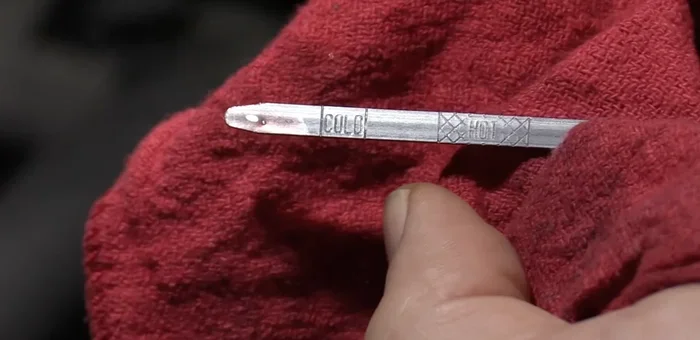
Start by opening your hood and looking near the engine bay. A dipstick usually has a brightly colored handle, often yellow, orange, or red. It is typically located near the back of the engine, close to the transmission. If you see a long metal rod with a looped handle, you have a dipstick and can use the traditional checking method.
If you cannot find a dipstick, do not panic. Many vehicles built after 2010 use sealed transmission units. These do not have a dipstick at all. Instead, they rely on electronic level sensors or require a mechanic to check the fluid through a fill plug. Check your owner manual to confirm which system your car uses. The manual will also tell you the correct procedure for your specific model.
Vehicles Without Dipsticks
Several popular manufacturers have switched to dipstick-free transmission designs. Many newer Ford vehicles use electronic sensors. Several BMW models have sealed transmissions that require a fill plug check. Mercedes-Benz and Audi also commonly use sealed units in their newer cars. Even some Toyota and Honda models have moved away from traditional dipsticks in recent years.
If you are unsure, you can also search online for your specific vehicle year and model. Car forums and owner manuals are great resources. You can also visit a dealership and ask them to confirm whether your car has a dipstick or uses an electronic system.
Step-by-Step: Checking Transmission Fluid Without a Dipstick
Now that you know your car likely does not have a dipstick, let us get into the actual checking process. There are two main methods you can use at home. The first uses your car electronic sensors. The second involves physically checking the fluid through the fill plug.
Method 1: Using the Electronic Transmission Fluid Level Sensor
Many modern vehicles have a built-in electronic sensor that monitors transmission fluid level. This sensor sends data to your car computer. You can access this information through the dashboard display or a diagnostic tool.
Here is how to do it step by step:
- Park your car on a flat, level surface. This is critical for an accurate reading.
- Start the engine and let it warm up for about 5 to 10 minutes. The fluid needs to be at operating temperature for the sensor to give a correct reading.
- Shift through all the gears, pausing for a few seconds in each one. This helps circulate the fluid evenly.
- Return the gear selector to park or neutral, depending on your vehicle.
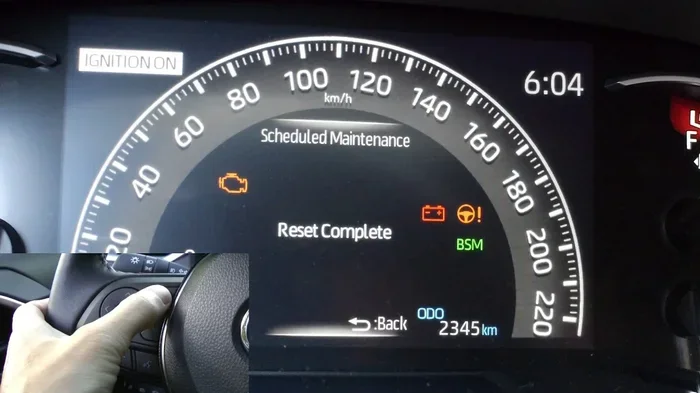
- Look at your dashboard display. Many newer cars show transmission fluid level in the vehicle information menu.
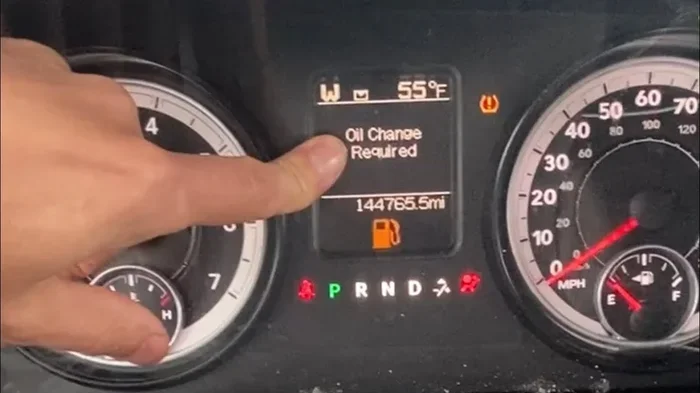
- Some vehicles will display a warning light if the fluid level is too low. Pay attention to any alerts on the instrument cluster.
If your car does not have a digital display for fluid level, you may need an OBD2 diagnostic scanner. These tools plug into a port under your steering column. They read data from the car computer and can show you the transmission fluid status. You can buy a basic scanner for around 30 to 50 dollars at any auto parts store.
Keep in mind that electronic sensors can sometimes give false readings. If the sensor itself is faulty, the reading may not be accurate. This is why it is helpful to combine electronic checks with visual inspections whenever possible.
Method 2: Checking Through the Fill Plug
The fill plug method is the most hands-on way to check your fluid without a dipstick. It requires getting underneath the vehicle, but it gives you a direct look at the fluid level and condition.
Here is what you need to do:
- Warm up the engine and transmission fluid by driving the car for about 10 minutes.
- Park on a level surface and turn off the engine.
- Lift the front of the car using a jack and secure it with jack stands. Never work under a car supported only by a jack.
- Locate the transmission fill plug. It is usually on the side of the transmission housing. Consult your owner manual for the exact location.
- Remove the fill plug with the correct socket or wrench.
- Look inside the plug hole. The fluid should be level with the bottom of the hole.
- If fluid is not present or is below the hole, you need to add more.
- Reinstall the fill plug securely once you have confirmed the level.
This method works well because you can also inspect the fluid quality at the same time. You get to see the color and consistency up close. It is a great way to check for contamination or metal particles in the fluid.
If you are not comfortable getting under your car, this is a good job to take to a local mechanic. Most shops can check the fill plug in about 15 minutes for a small service fee.
What Transmission Fluid Should Look and Smell Like
Checking the level is only part of the equation. You also need to assess the condition of the fluid itself. Healthy transmission fluid tells you a lot about the health of your transmission.
New transmission fluid is typically reddish-pink in color. It should look translucent and clean. As the fluid ages, it darkens. Light brown is still acceptable. But if the fluid is dark brown or black, it has broken down and needs to be changed.
Use your sense of smell too. Fresh fluid has a slightly sweet or neutral odor. If the fluid smells burnt or acrid, that is a red flag. A burnt smell means the fluid has overheated and lost its lubricating properties. Continuing to drive in this condition can cause serious internal damage.
Also pay attention to the texture. Healthy fluid feels smooth and slightly slippery between your fingers. If you notice grit, metal particles, or a thick sludgy consistency, the fluid is contaminated. This often signals internal wear inside the transmission.
Transmission Fluid Color Chart
Here is a quick reference guide to help you interpret what your fluid color means:
- Reddish-pink: Fresh and healthy. No action needed.
- Light brown: Normal for older fluid. Consider a change soon.
- Dark brown: Overdue for a fluid change. The fluid is breaking down.
- Black or very dark: Severely degraded. Get a transmission flush and inspection immediately.
- Milky or frothy: Indicates water contamination. This requires urgent attention.
- Bright red with bubbles: May indicate air in the system. Check for leaks.
Common Signs of Low or Bad Transmission Fluid
Sometimes you do not need to physically check the fluid to know something is wrong. Your car gives you plenty of warning signs when transmission fluid is low or degraded. Learning to recognize these signs can save you from expensive repairs.
Slipping Gears
This is one of the most common symptoms of low transmission fluid. You may feel the transmission shift in and out of gear on its own. Or the engine may rev higher without a corresponding increase in speed. Slipping happens because there is not enough hydraulic pressure to hold the gears in place.
Delayed or Rough Shifting
When you shift from park to drive, does the car hesitate before moving? A delay of more than a second or two can indicate low fluid. Rough or jerky shifts are another warning sign. The fluid should allow smooth, seamless gear changes.
Unusual Noises
Grinding, whining, or clunking sounds are never good. These noises often mean the internal components are not getting enough lubrication. The fluid may be low or contaminated. Ignoring these sounds can lead to complete transmission failure.
Warning Lights on the Dashboard
Many modern cars have a dedicated transmission warning light. Others use a generic check engine light. If either one comes on, do not ignore it. Use an OBD2 scanner to read the error codes. Common codes related to fluid issues include P0700, P0720, and P0776.
If you notice any of these symptoms, check your transmission fluid level right away. Driving with low fluid will only make the problem worse. The sooner you address it, the better your chances of avoiding a major repair bill.
When to See a Professional Mechanic
There is no shame in calling a professional. Some transmission tasks are best left to experienced hands. If you have tried checking your fluid and are unsure about the results, a mechanic can help.
You should also seek professional help if you notice any of the following situations. Your car refuses to shift into gear at all. You see a large puddle of red fluid under your car. The transmission warning light is flashing rather than steady. Any of these signs suggest a serious issue that needs immediate attention.
Keep in mind that driving with a damaged transmission can make the problem much worse. A minor leak that goes unrepaired can turn into a complete transmission failure. This is why car maintenance should never be put off when you notice something unusual.
If you have been putting off checking your fluid because you could not find a dipstick, now is the perfect time to learn the alternative methods. Whether you use the electronic sensor or the fill plug approach, staying on top of your transmission fluid is one of the best things you can do for your vehicle.
Regular checks take only a few minutes. They give you peace of mind and help you catch small problems before they become big expenses. Make it part of your routine maintenance schedule. Your transmission will thank you for it.
Final Thoughts on Checking Transmission Fluid Without a Dipstick
Checking your transmission fluid without a dipstick is not as complicated as it might seem. Whether your car uses electronic sensors or a fill plug system, you have options. The key is to check regularly, watch for warning signs, and act quickly when something seems off.
Remember that transmission maintenance is one of the most important things you can do for your vehicle. Clean fluid keeps everything running smoothly. It extends the life of your transmission and helps you avoid costly repairs. A few minutes of attention now can save you thousands of dollars down the road.
So take a look under your hood today. Find out what method your car uses. Make the check part of your regular routine. Your future self will be glad you did.
Frequently Asked Questions
Can I check my transmission fluid with the engine off?
It depends on your vehicle. Some cars require the engine to be running and warm for an accurate reading. Others can be checked with the engine off. Always refer to your owner manual for the correct procedure. Checking with the engine off when the manual says otherwise can give you a false low reading.
How often should I check my transmission fluid?
Most experts recommend checking your transmission fluid at least once a month. You should also check it before any long road trips. Regular checks help you catch leaks early and keep the fluid at the proper level for smooth operation.
What type of transmission fluid does my car need?
The correct fluid type varies by vehicle make and model. Always use the fluid specified in your owner manual. Using the wrong type can cause poor shifting and internal damage. When in doubt, ask a dealership or qualified mechanic for guidance.
Can low transmission fluid cause a car to stall?
Yes, low fluid can cause stalling in some cases. Without enough hydraulic pressure, the transmission may not engage properly. This can lead to stalling, especially at idle or during gear changes. If your car stalls frequently, checking the transmission fluid level is a good first step.
Is it safe to drive with low transmission fluid?
No, driving with low transmission fluid is not safe. It can cause overheating and permanent damage to internal components. If you suspect your fluid is low, check it immediately and top off if needed. Continuing to drive in this condition risks a costly transmission repair.
How do I know if my transmission needs a flush or just a top-off?
If the fluid is low but still looks and smells healthy, a top-off may be enough. If the fluid is dark, burnt-smelling, or contains particles, a full transmission flush is recommended. A mechanic can assess the fluid condition and advise on the best course of action.
=== CAN YOU DRIVE A CAR WITH A MISFIRE ===
While you are under the hood checking fluids, you might also wonder about other common car issues. Can you drive a car with a misfire? The short answer is yes, but only for a short distance. Driving with a misfire can damage your catalytic converter and other engine components. Just like low transmission fluid, a misfire is something you should address quickly to avoid bigger problems.
=== CAN A HYBRID RUN WITHOUT GAS ===
Modern cars come with all sorts of fluid and maintenance questions. For hybrid owners, a common concern is fuel supply. Can a hybrid run without gas? Hybrids need gas to operate their combustion engines, but they can run on electric power alone for short distances. Checking all your car fluids, including transmission fluid, remains important regardless of whether you drive a hybrid or a traditional gasoline vehicle.
=== CAN YOU PUT REGULAR GAS IN A HYBRID ===
Using the right fluids and fuels is essential for car health. Can you put regular gas in a hybrid? Most hybrids require regular unleaded gasoline, just like conventional cars. But the principle remains the same: always use what your owner manual recommends. The same goes for transmission fluid type. Using the wrong fluid can cause shifting problems and internal wear over time.