How Do You Get Platinum Out of a Catalytic Converter Safely
Getting platinum out of a catalytic converter is a complex process that involves careful handling, proper tools, and strict safety measures. Catalytic converters contain precious metals like platinum, palladium, and rhodium that make them valuable for recycling. This guide walks you through the safe extraction process, explains the risks involved, and helps you decide if it is worth your time and effort.
Have you ever wondered what makes a catalytic converter so valuable? The answer lies in the precious metals hidden inside. Platinum, palladium, and rhodium work together to clean your car’s exhaust fumes. These metals are rare and expensive, which is why many people want to know how to get platinum out of a catalytic converter safely.
The process is not as simple as pulling a bolt. It requires knowledge, the right tools, and a serious commitment to safety. Whether you are a car enthusiast, a recycler, or just curious, this guide covers everything you need to know. We will walk through each step, highlight the risks, and help you decide the best path forward.
Platinum extraction from catalytic converters is a topic that has gained attention in recent years. Converter theft has risen sharply, driven by the high value of these precious metals. Understanding how the process works can help you protect your vehicle and make smart decisions about recycling or selling your converter.
Key Takeaways
- Catalytic converters contain valuable platinum, along with palladium and rhodium, making them targets for recycling and theft.
- Extracting platinum requires specialized tools, chemicals, and safety equipment to do it properly and safely.
- The process involves high heat and dangerous acids, so following safety protocols is absolutely critical.
- Professional refining services often offer safer and more profitable results than DIY extraction attempts.
- Understanding the value of your converter helps you make informed decisions about extraction versus selling as-is.
- Legal regulations vary by location, so check local laws before attempting any extraction or recycling.
📑 Table of Contents
- Understanding What Is Inside a Catalytic Converter
- Why People Extract Platinum from Catalytic Converters
- Safety Precautions Before You Begin
- The Step-by-Step Extraction Process
- Common Mistakes People Make During Extraction
- Should You Extract Platinum Yourself or Hire a Professional?
- Expert Insights on Platinum Extraction
- How to Protect Your Catalytic Converter from Theft
- Key Takeaways
Understanding What Is Inside a Catalytic Converter
A catalytic converter is a key part of your car’s exhaust system. It sits between the engine and the tailpipe. Its job is to reduce harmful emissions before they reach the atmosphere. Inside this small metal box, a ceramic or metallic honeycomb structure is coated with thin layers of precious metals.
The Precious Metals at Work
The three main precious metals found in a catalytic converter are platinum, palladium, and rhodium. Each one plays a specific role in cleaning exhaust gases. Platinum helps convert carbon monoxide into carbon dioxide. Palladium handles hydrocarbons and nitrogen oxides. Rhodium is the most expensive of the three and focuses on reducing nitrogen oxide emissions.
The amount of each metal varies depending on the vehicle make and model. Diesel vehicles tend to have more platinum. Gasoline vehicles often contain more palladium and rhodium. A standard converter may contain anywhere from 3 to 7 grams of platinum. That might not sound like much, but at current prices, even a few grams can be worth a significant amount of money.
Why the Value Has Gone Up
The price of platinum and other precious metals fluctuates based on supply and demand. Mining new platinum is expensive and limited to a few regions of the world. This scarcity drives prices higher. As a result, the value of scrap catalytic converters has increased dramatically over the past decade. This is why catalytic converter recycling has become such a big industry.
Why People Extract Platinum from Catalytic Converters
There are several reasons why someone might want to extract platinum from a catalytic converter. Understanding these motivations helps you decide if the process is right for you.
- Financial gain: Platinum sells for a high price per ounce. Extracting it from old or damaged converters can yield a profit.
- Recycling and sustainability: Recovering precious metals reduces the need for new mining, which is better for the environment.
- Converter theft prevention: Knowing the value and process helps car owners protect their vehicles from theft.
- Educational interest: Some people simply want to understand how the process works and what goes on inside their exhaust system.
No matter your reason, it is important to approach this process with caution. The chemicals and heat involved can be dangerous if handled improperly. Always prioritize safety above all else.
Safety Precautions Before You Begin
Extracting platinum from a catalytic converter is not a job for the unprepared. The process involves strong acids, high temperatures, and potentially hazardous materials. Taking the right safety steps before you start is essential.
Protective Equipment You Will Need
Before you begin, make sure you have the proper protective gear. This includes acid-resistant gloves, safety goggles, and a respirator mask. The fumes from the chemicals used in extraction can be harmful if inhaled. Work in a well-ventilated area, preferably outdoors or in a dedicated workshop. Keep a fire extinguisher nearby at all times.
Electrical Safety Around the Vehicle
When working on any part of a car, electrical safety matters. You are working around a vehicle’s electrical system, and accidents can happen. It is important to disconnect the battery before starting any work. This reduces the risk of electric shock or short circuits. If you are concerned about electrical hazards, you may want to read about whether you can get electrocuted in a car to understand the real risks involved.
Chemical Handling Basics
The acids used in platinum extraction, such as aqua regia, are highly corrosive. They can cause severe burns to skin and eyes. Always store chemicals in labeled, sealed containers. Never mix chemicals without understanding the reaction. Keep a neutralizing agent nearby in case of spills. If you are new to chemical handling, consider seeking guidance from a professional before attempting extraction on your own.
The Step-by-Step Extraction Process
Now let us walk through the actual process of getting platinum out of a catalytic converter. This is a simplified overview of the steps involved. Each step requires precision and care.
Step 1: Remove the Catalytic Converter
The first step is to physically remove the catalytic converter from the vehicle. This typically involves lifting the car with a jack and unbolting the converter from the exhaust system. The converter is usually held in place by bolts or clamps. Use the right size wrench or socket to avoid stripping the bolts. Once removed, inspect the converter for damage or excessive buildup.
Step 2: Cut Open the Converter
Next, you need to access the inside of the converter. Use a angle grinder or a reciprocating saw to carefully cut open the metal shell. Wear protective gear during this step, as metal shavings and sparks can be hazardous. Inside, you will find the ceramic or metallic substrate coated with the precious metal layer.
Step 3: Collect the Substrate
Carefully remove the substrate from the converter shell. Place it in a heat-resistant container. The substrate is where the platinum and other precious metals are bonded. At this stage, the metals are still mixed with other materials and need to be separated through chemical processing.
Step 4: Chemical Dissolution
This is the most critical and dangerous step. The substrate is placed in a solution of strong acids, typically a mixture of hydrochloric acid and nitric acid. This solution, known as aqua regia, dissolves the precious metals. The platinum stays in the liquid solution while other materials are filtered out.
This step requires patience and precision. The reaction can produce toxic fumes, so proper ventilation is non-negotiable. The process may take several hours to complete fully.
Step 5: Precipitation and Recovery
Once the metals are dissolved, the next step is to recover the platinum from the solution. This is done through a process called precipitation. A chemical reagent is added to the solution, causing the platinum to solidify and separate from the liquid. The solid platinum is then filtered, washed, and dried.
The recovered platinum will not be pure at this stage. It contains traces of other metals and impurities. Further refining is needed to achieve high-purity platinum suitable for commercial use.
Step 6: Refining and Purification
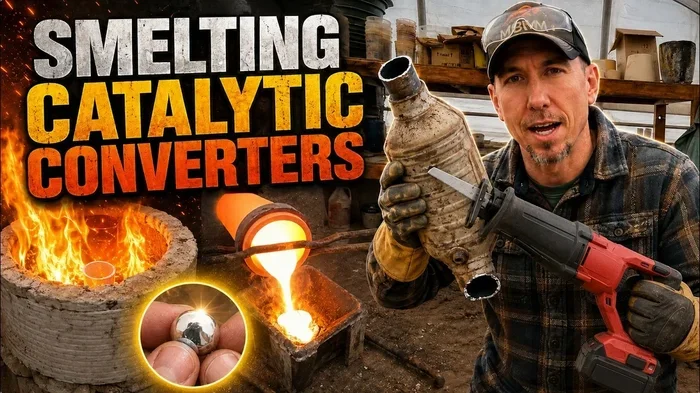
The final step is refining the extracted platinum. This involves heating the recovered material to very high temperatures in a process called smelting. The heat burns away impurities, leaving behind a more pure form of platinum. For truly pure platinum, professional refining equipment is necessary.
Platinum recovery at this level requires specialized knowledge and equipment. Many people choose to send their extracted material to a professional refinery for final purification. This ensures a higher yield and a safer process overall.
Common Mistakes People Make During Extraction
Learning from other people’s mistakes can save you time, money, and injury. Here are the most common errors people make when trying to extract platinum from a catalytic converter.
- Skipping safety gear: Never work with acids or high heat without proper protection. Even a small splash can cause serious harm.
- Using the wrong chemicals: Not all acid solutions work the same way. Using the wrong chemical can damage the platinum or create dangerous reactions.
- Rushing the process: Extraction takes time. Rushing leads to incomplete recovery and wasted material.
- Ignoring local laws: In many areas, extracting precious metals from catalytic converters is regulated. Failing to follow local laws can result in fines or legal trouble.
- Not measuring the value first: Before going through the entire process, have the converter tested to determine its metal content. Not all converters contain enough platinum to make extraction worthwhile.
Should You Extract Platinum Yourself or Hire a Professional?
This is the biggest question most people face. Both options have pros and cons. Let us break them down.
DIY extraction gives you full control over the process and potentially higher profits. However, it comes with significant risks. You need access to proper equipment, chemicals, and a safe workspace. The learning curve is steep, and mistakes can be costly or dangerous.
Hiring a professional is safer and often more efficient. Professional refiners have the expertise and equipment to recover more platinum with less risk. They also handle the legal and environmental compliance aspects of the process. The trade-off is that you will earn less profit since the refiner takes a cut of the value.
If you are simply looking to sell your old catalytic converter, many scrap yards and online buyers will purchase it as-is. You can get a fair price without handling any chemicals or dangerous processes yourself.
The Connection Between Catalytic Converters and Engine Performance
It is worth noting that catalytic converters are closely tied to your engine’s performance. A failing converter can cause engine misfires, reduced power, and poor fuel economy. If you are experiencing engine issues, you may want to learn more about whether you can drive a car with a misfire. A damaged converter can sometimes trigger misfire codes, and understanding this relationship helps you diagnose problems faster.
Expert Insights on Platinum Extraction
Industry professionals emphasize that platinum extraction is a science that requires precision. The chemistry involved is complex, and even small errors can reduce your yield significantly. Experts recommend starting with thorough research and practice on scrap converters before attempting to process any valuable ones.
Many refiners also point out that the market value of platinum changes constantly. Before investing time and money into extraction, check the current spot price of platinum. If the price is low, it may not be worth the effort. Wait for favorable market conditions to maximize your return.
Environmental regulations are another key consideration. The acids and chemicals used in extraction must be disposed of properly. Improper disposal can harm the environment and result in legal penalties. Always follow local environmental guidelines and consider working with a licensed facility that handles hazardous materials properly.
How to Protect Your Catalytic Converter from Theft
Because catalytic converters contain valuable platinum and other precious metals, they are a prime target for thieves. Protecting your converter is an important part of car maintenance and vehicle security.
- Install a converter anti-theft shield: These metal guards make it harder for thieves to access and remove your converter.
- Park in well-lit areas: Thieves prefer to work in darkness where they are less likely to be seen.
- Engrave your converter: Some owners engrave their vehicle identification number on the converter. This makes it harder to sell a stolen converter.
- Use a catalytic converter lock: Specialized locks secure the converter to the vehicle frame, making removal much more difficult.
Taking these simple steps can significantly reduce your risk of becoming a victim of converter theft. It is a small investment that can save you hundreds or even thousands of dollars in replacement costs.
Key Takeaways
- Catalytic converters contain valuable platinum, along with palladium and rhodium, making them targets for recycling and theft.
- Extracting platinum requires specialized tools, chemicals, and safety equipment to do it properly and safely.
- The process involves high heat and dangerous acids, so following safety protocols is absolutely critical.
- Professional refining services often offer safer and more profitable results than DIY extraction attempts.
- Understanding the value of your converter helps you make informed decisions about extraction versus selling as-is.
- Legal regulations vary by location, so check local laws before attempting any extraction or recycling.
Frequently Asked Questions
Can you extract platinum from a catalytic converter at home?
Technically yes, but it is not recommended for most people. The process involves dangerous chemicals like aqua regia, high heat, and toxic fumes. Without proper training and equipment, you risk serious injury or environmental harm. Professional refiners are a safer and more reliable option for most individuals.
How much platinum is in a typical catalytic converter?
A standard catalytic converter contains between 3 and 7 grams of platinum. The exact amount depends on the vehicle make, model, and year. Diesel converters tend to have more platinum than gasoline converters. Even a few grams can be worth a significant amount of money at current market prices.
Is it legal to extract platinum from catalytic converters?
The legality varies depending on your location and how you handle the process. In many areas, extracting precious metals from catalytic converters is regulated by environmental laws. You may need permits or licenses to handle the chemicals involved. Always check your local regulations before starting any extraction project.
What other precious metals are found in catalytic converters?
In addition to platinum, catalytic converters contain palladium and rhodium. These are all part of the platinum group metals. Rhodium is typically the most valuable of the three. Palladium is also highly sought after in the automotive and electronics industries. Together, these metals make catalytic converters a valuable target for recycling.
Can a damaged catalytic converter still contain valuable platinum?
Yes, a damaged or non-functioning catalytic converter can still contain valuable platinum. The precious metals are bonded to the internal substrate and do not degrade easily. Even if the converter is no longer working properly, the platinum inside may still be worth extracting or selling to a scrap buyer.
What is the safest way to recycle a catalytic converter?
The safest way is to sell it to a licensed scrap yard or professional refining service. These facilities have the proper equipment and expertise to handle the materials safely. They also comply with environmental regulations for disposal and recycling. This approach protects both you and the environment.
=== CONCLUSION ===
Getting platinum out of a catalytic converter is a fascinating but challenging process. It combines chemistry, precision, and safety in a way that demands respect and preparation. Whether you are exploring extraction for profit, sustainability, or pure curiosity, understanding the process is the first step toward making informed decisions.
Remember that safety must always come first. The chemicals and heat involved are no joke, and cutting corners can lead to serious injury or legal trouble. If you are not experienced with chemical extraction, consider partnering with a professional refiner who can handle the process safely and efficiently.
Finally, keep in mind that the value of platinum and other precious metals fluctuates with the market. Before investing time and money into extraction, do your research and check current prices. Sometimes the smartest move is simply to sell your converter to a reputable buyer and let the experts handle the rest.
Whether you choose to extract, recycle, or sell, understanding the value inside your catalytic converter empowers you as a car owner. Stay informed, stay safe, and make choices that work best for you and your vehicle.