Do Any SUVs Get 40 MPG Find Out Which Models Deliver
Yes, several SUVs can hit 40 MPG, especially hybrid and compact models designed with fuel efficiency in mind. If you have been searching for an SUV that saves gas without sacrificing space, the market has more options than ever. This guide breaks down the best models, explains what makes them efficient, and gives you practical tips to get the most miles out of every gallon.
Finding an SUV that gets 40 MPG used to feel impossible. SUVs were known for guzzling gas, not sipping it. But the auto industry has changed dramatically in recent years. Today, you can find SUVs that deliver outstanding fuel economy without giving up the room, comfort, and capability you love.
If you have been asking yourself, do any SUVs get 40 MPG, the answer is a confident yes. Several models on the market right now push past that 40 MPG mark, especially in the hybrid category. Whether you commute daily or take weekend road trips, a fuel-efficient SUV can make a real difference at the pump.
This article dives deep into the world of fuel efficient SUVs. We will look at which models achieve 40 MPG, what technologies make it possible, and how you can get the best results from your own vehicle. By the end, you will have a clear picture of your options and the knowledge to make a smart choice.
Key Takeaways
- Multiple SUVs reach 40 MPG: Hybrid and compact SUVs like the Toyota RAV4 Hybrid and Honda CR-V Hybrid lead the pack.
- Fuel-efficient SUVs save real money: Higher MPG means fewer trips to the pump and lower long-term costs.
- Driving habits matter: Smooth acceleration, proper tire pressure, and reduced idling boost SUV gas mileage significantly.
- Hybrid technology is key: Plug-in and standard hybrid SUVs deliver the best fuel economy in the SUV class.
- Check real-world ratings: EPA estimates are helpful, but actual MPG varies based on driving conditions and habits.
- Safety and efficiency coexist: Many fuel-efficient SUVs also offer strong safety ratings and modern features.
📑 Table of Contents
Do Any SUVs Actually Get 40 MPG?
The short answer is yes. Several SUVs on the market today deliver 40 MPG or better, particularly in the compact and hybrid segments. The days when SUVs were gas-guzzlers are fading fast. Automakers have invested heavily in SUV fuel efficiency technologies, and the results speak for themselves.
When we talk about 40 MPG, we need to understand how this number is measured. The EPA provides combined MPG ratings that factor in both city driving and highway driving. Some SUVs hit 40 MPG on the highway but fall slightly below in the city. Others maintain strong numbers in both scenarios thanks to hybrid powertrains and smart engineering.
Here are some key things to keep in mind when evaluating SUV gas mileage claims:
- EPA ratings vs. real-world MPG: EPA estimates are a great starting point, but your actual mileage may vary based on driving style, terrain, and weather.
- Hybrid vs. gas-only: Hybrid SUVs consistently outperform their gas-only counterparts in fuel economy.
- Vehicle size matters: Compact SUVs tend to achieve higher MPG than larger three-row or full-size SUVs.
- Drivetrain impact: Front-wheel-drive SUVs generally get better mileage than all-wheel-drive versions.
If you are serious about finding an SUV with excellent fuel economy, focus on models that combine small to midsize frames with efficient powertrains. These vehicles offer the best balance of practicality and SUV gas savings.
Why 40 MPG Matters for SUV Buyers
Fuel costs add up fast, especially for families who drive SUVs regularly. An SUV that gets 40 MPG can save you hundreds of dollars per year compared to a model that gets 25 MPG. Over five years of ownership, those savings can really add up.
Beyond cost savings, high MPG SUVs also tend to have smaller environmental footprints. If you care about reducing your carbon footprint, choosing a fuel efficient SUV is one of the simplest steps you can take.
Best SUVs That Achieve 40 MPG
So which SUVs actually deliver 40 MPG or better? Let us walk through some of the top contenders in the current market. These models represent the best of what the best MPG SUV segment has to offer.
Toyota RAV4 Hybrid
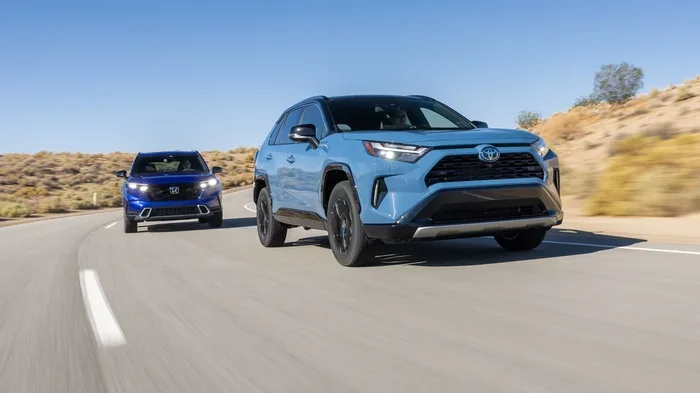
The Toyota RAV4 Hybrid is one of the most popular fuel-efficient SUVs on the road. It delivers an EPA-estimated 40 MPG combined, making it a standout choice for buyers who want efficiency without sacrificing space. The RAV4 Hybrid offers a 2.5-liter four-cylinder engine paired with an electric motor, producing a combined 219 horsepower.
What makes the RAV4 Hybrid so efficient? The system uses regenerative braking and an electric motor to assist the gas engine, reducing fuel consumption in both city and highway driving. It also comes with a suite of standard safety features, making it a well-rounded choice for families.
Honda CR-V Hybrid
The Honda CR-V Hybrid is another strong competitor in the 40 MPG SUV category. It delivers an EPA-estimated 38 to 40 MPG combined depending on the trim and drivetrain. The CR-V Hybrid features a 2.0-liter four-cylinder engine paired with two electric motors, producing a total of 204 horsepower.
Honda has long been known for building reliable and efficient vehicles, and the CR-V Hybrid lives up to that reputation. The interior is spacious, the tech is modern, and the fuel economy is excellent. If you are shopping for a compact SUV fuel economy leader, the CR-V Hybrid deserves a close look.
Hyundai Tucson Hybrid
The Hyundai Tucson Hybrid enters the market as a compelling option for buyers seeking a stylish and efficient SUV. It achieves around 38 MPG combined, which is very close to the 40 MPG mark. The Tucson Hybrid pairs a 1.6-liter turbocharged engine with an electric motor for a combined output of 230 horsepower.
Hyundai has packed this SUV with features that rival more expensive competitors. The interior is refined, the technology is intuitive, and the warranty is among the best in the industry. For those searching for affordable fuel efficient SUVs, the Tucson Hybrid is worth considering.
Toyota Corolla Cross Hybrid
The Toyota Corolla Cross Hybrid might be smaller than the RAV4, but it punches well above its weight when it comes to fuel economy. It achieves an EPA-estimated 42 MPG combined, making it one of the most efficient SUVs available. The 1.8-liter hybrid powertrain delivers a combined 139 horsepower, which is plenty for daily driving.
This SUV is ideal for buyers who prioritize fuel savings above all else. It may not offer the same cargo space as larger SUVs, but for commuters and small families, it is an excellent choice in the top MPG SUVs category.
Ford Escape Hybrid
The Ford Escape Hybrid delivers an EPA-estimated 40 MPG combined, making it a strong contender in the fuel-efficient SUV segment. It features a 2.5-liter four-cylinder engine paired with an electric motor, producing a combined 200 horsepower. The Escape Hybrid offers a comfortable ride, modern tech, and solid cargo space.
Ford has made significant strides in SUV fuel economy with the Escape Hybrid. It provides a compelling alternative to the Toyota RAV4 Hybrid, especially for buyers who prefer the Ford brand or want a different take on the hybrid SUV formula.
Hybrid SUVs Leading the Fuel Economy Race
Hybrid technology has revolutionized the SUV segment. By combining a gas engine with an electric motor, hybrid SUVs can achieve remarkable fuel economy without the range anxiety that comes with fully electric vehicles. If you are wondering whether do hybrids really save gas, the answer is a clear yes, especially in the SUV category.
Hybrid SUVs use a few key technologies to maximize efficiency:
- Regenerative braking: This system captures energy during braking and stores it in the battery for later use.
- Electric motor assist: The electric motor kicks in during acceleration, reducing the load on the gas engine.
- Engine start-stop technology: The gas engine shuts off at idle, saving fuel in stop-and-go traffic.
- Smart power modes: Many hybrids let you switch between electric-only, hybrid, and power modes to match your driving needs.
One question that comes up often is whether hybrid systems are safe and reliable. You might wonder, can you get electrocuted in a car with a hybrid or electric powertrain? The short answer is no. Hybrid and electric vehicles are engineered with extensive safety systems that protect passengers and service technicians. The high-voltage components are well insulated and sealed.
Plug-In Hybrid SUVs: A Step Further
Plug-in hybrid SUVs take efficiency even further. These vehicles can run on electric power alone for short distances, typically 20 to 50 miles, before the gas engine kicks in. For daily commuters with short drives, a plug-in hybrid can significantly reduce gas consumption.
Some plug-in hybrid SUVs offer combined MPG ratings that are even better than standard hybrids when operating in electric mode. However, they do require access to a charging station, which may not be practical for everyone. If you are considering a plug-in hybrid, make sure you have a convenient charging option at home or work.
What Affects SUV Fuel Economy?
Understanding what impacts your SUV’s MPG can help you make smarter choices behind the wheel. Several factors play a role in determining your real-world fuel economy.
Driving Habits
How you drive has a huge impact on your SUV’s gas mileage. Aggressive acceleration, speeding, and hard braking all waste fuel. Smooth, steady driving is the key to maximizing your SUV gas mileage. If you want to squeeze every mile out of a gallon, ease off the pedal and anticipate traffic flow.
Vehicle Weight and Aerodynamics
Heavier SUVs require more energy to move, which reduces fuel economy. Roof racks and cargo carriers add drag and weight, both of which hurt MPG. If you do not need a roof rack, remove it when it is not in use to improve your SUV fuel efficiency.
Tire Pressure and Maintenance
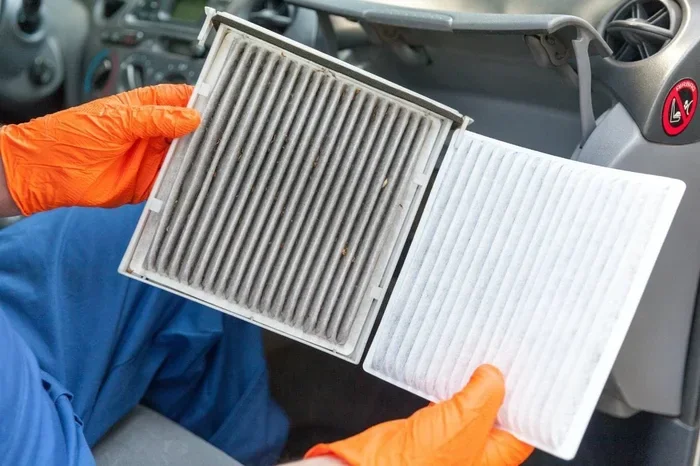
Underinflated tires create rolling resistance, which forces your engine to work harder. Check your tire pressure regularly and keep it at the manufacturer’s recommended level. Routine maintenance like oil changes, air filter replacements, and spark plug checks also help your SUV run efficiently.
Terrain and Driving Conditions
Hilly terrain, rough roads, and extreme temperatures all affect fuel economy. Driving in the mountains will always use more gas than cruising on flat highways. Cold weather can also reduce MPG because engines take longer to reach optimal operating temperature.
Traffic and Commute Patterns
Stop-and-go city driving is tough on fuel economy. If your daily commute involves heavy traffic, a hybrid SUV will serve you better than a gas-only model. The electric motor handles low-speed driving efficiently, which is why hybrids excel in city SUV MPG ratings.
Tips to Maximize Your SUV’s MPG
Want to get the most out of your fuel-efficient SUV? These practical tips can help you push your MPG closer to the top of the range.
- Accelerate gently: Smooth acceleration uses less fuel than rapid starts. Give yourself extra time to merge and change lanes.
- Maintain steady speeds: Use cruise control on highways to keep your speed consistent and avoid unnecessary fuel spikes.
- Keep tires properly inflated: Check tire pressure at least once a month. Properly inflated tires reduce rolling resistance and improve MPG.
- Reduce excess weight: Remove unnecessary items from your SUV. Every extra pound forces the engine to work a little harder.
- Use the right grade of fuel: Stick with the octane level recommended by your SUV’s manufacturer. Using premium fuel when it is not required wastes money.
- Limit idling: Turn off your engine if you are parked for more than a minute. Idling burns fuel without moving you forward.
- Plan your routes: Combine errands and choose the most fuel-efficient routes. Avoiding heavy traffic and steep hills can boost your mileage.
Expert Insight
Automotive engineers consistently emphasize that the biggest MPG gains come from driving behavior, not just the vehicle itself. Even the most efficient SUV will fall short of its rated MPG if the driver habits are poor. Focus on smooth, predictable driving, and you will see real improvements in your fuel economy.
Common Mistakes That Hurt SUV Fuel Economy
Many SUV owners unknowingly sabotage their fuel economy with simple habits. Here are some common mistakes to avoid:
- Ignoring the check engine light: A faulty oxygen sensor or misfire can significantly reduce MPG. Address warning lights promptly.
- Using the wrong oil: Low-viscosity synthetic oil is recommended for most modern SUVs. Using the wrong grade increases engine friction.
- Carrying roof cargo full-time: Roof boxes and racks create aerodynamic drag that lowers MPG, even when empty.
- Warm-up idling: Modern engines do not need long warm-up periods. Driving gently after starting is the best way to warm up the engine.
- Ignoring maintenance schedules: Skipping oil changes and air filter replacements degrades engine performance over time.
Avoiding these mistakes can help you maintain optimal SUV gas mileage and extend the life of your vehicle. If you own a Ford model and want to make sure everything is in good working order, it is always wise to check for any recalls on 2016 Ford F-150 or related models that might affect your vehicle’s performance and safety.
The Future of Fuel-Efficient SUVs
The SUV market is evolving rapidly. Automakers are investing billions in electrification and efficiency improvements. Here is what the future holds for fuel efficient SUVs and SUV gas mileage enthusiasts.
More manufacturers are introducing hybrid versions of their popular SUV models. This trend is expected to continue as consumers demand better fuel economy without sacrificing the utility and comfort that SUVs provide. Even traditional truck-based SUVs are beginning to adopt hybrid and mild-hybrid systems.
Fully electric SUVs are also gaining traction, though they still represent a smaller share of the market. For buyers who want zero tailpipe emissions and extremely low running costs, electric SUVs are an exciting option. However, range anxiety and charging infrastructure remain considerations for many buyers.
Looking ahead, we can expect even more advanced efficiency technologies. Cylinder deactivation, variable compression ratios, and improved battery systems will push SUV fuel economy to new heights. The goal is clear: deliver the capability and space drivers expect from an SUV while achieving MPG numbers that rival sedans.
If you are in the market for a new SUV, now is an excellent time to buy. The selection of fuel-efficient models is broader than ever, and competitive pricing makes these vehicles more accessible. Whether you choose a compact SUV fuel economy leader or a midsize hybrid, you will enjoy the benefits of modern efficiency technology.
Conclusion
Do any SUVs get 40 MPG? Absolutely. The market is full of SUVs that deliver 40 MPG or better, especially in the hybrid segment. From the Toyota RAV4 Hybrid to the Ford Escape Hybrid, there are excellent options for every budget and lifestyle.
Fuel-efficient SUVs offer a winning combination of practicality, comfort, and savings. By choosing a model with strong SUV fuel economy and adopting smart driving habits, you can enjoy the best of both worlds. The key is to do your research, compare SUV MPG ratings, and test drive the models that interest you.
Remember, your driving behavior plays a huge role in achieving the best possible fuel economy. Keep your tires inflated, maintain your vehicle regularly, and drive smoothly. These simple steps will help you get the most out of every gallon and keep your SUV running strong for years to come.
If you are still deciding between a hybrid and a gas-only SUV, consider your daily driving patterns and charging options. Hybrids offer the best of both worlds, giving you the efficiency of electric power with the convenience of a gas engine. The future of SUVs is efficient, and the best models are available right now.
Frequently Asked Questions
Which SUV gets the best gas mileage?
The Toyota Corolla Cross Hybrid currently leads the pack with an EPA-estimated 42 MPG combined. Other top contenders include the Toyota RAV4 Hybrid, Honda CR-V Hybrid, and Ford Escape Hybrid, all of which deliver 40 MPG or close to it. Your best choice depends on your budget, size needs, and driving habits.
Are hybrid SUVs worth the extra cost?
Yes, hybrid SUVs are worth the investment for most buyers who drive regularly. The fuel savings can offset the higher purchase price over time, especially if you have a long commute. Hybrids also tend to hold their value better and require less maintenance on the braking system thanks to regenerative braking.
Can you really trust EPA MPG ratings for SUVs?
EPA ratings are a reliable benchmark, but your actual MPG may vary. Driving style, terrain, weather, and vehicle condition all influence real-world fuel economy. Use EPA ratings as a comparison tool, but also check owner-reported MPG on forums and review sites for a more realistic picture.
Do all-wheel-drive SUVs get worse gas mileage?
Generally, yes. AWD systems add weight and mechanical drag, which reduces fuel economy. Most AWD SUVs get 2 to 4 MPG less than their FWD counterparts. If maximizing fuel economy is your priority, a front-wheel-drive hybrid SUV will give you the best results.
What is the difference between a hybrid and a plug-in hybrid SUV?
A standard hybrid charges its battery through regenerative braking and the gas engine. A plug-in hybrid has a larger battery that you charge externally, allowing it to run on electric power alone for short trips. Plug-in hybrids offer better fuel economy for drivers who can charge at home regularly.
How can I improve my SUV’s MPG without buying a new vehicle?
You can improve your SUV’s fuel economy by inflating tires properly, reducing excess weight, accelerating gently, using cruise control on highways, and keeping up with regular maintenance. These simple changes can boost your MPG by several percentage points and save you money over time.