Can You Clean a Cabin Air Filter Instead of Replacing It
Yes, you can clean a cabin air filter in some cases, but it depends on the filter type and how dirty it is. A cabin air filter traps dust, pollen, and debris to keep your car’s interior air clean. While cleaning a cabin air filter can extend its life temporarily, most experts recommend replacing it for best performance and air quality.
Your car’s cabin air filter works quietly behind the scenes every time you drive. It catches dust, pollen, mold spores, and other particles before they reach your lungs. Over time, this filter gets clogged. When it does, you might notice weaker airflow from your vents or a musty smell inside the car.
That raises a common question among car owners: can you clean a cabin air filter instead of replacing it? The short answer is sometimes, but it depends on several factors. In this guide, we will walk through everything you need to know about cabin air filter cleaning, when replacement is the better choice, and how to keep your car’s air fresh and clean.
## What Is a Cabin Air Filter and Why Does It Matter?
A cabin air filter is a small but important part of your vehicle’s heating, ventilation, and air conditioning system. It sits behind the glove box or under the hood, depending on your car model. Its job is simple but essential: filter the air that enters the cabin.
### How the Cabin Air Filter Works
When you turn on your fan or air conditioner, outside air gets pulled into the car. Before that air reaches you, it passes through the cabin air filter. The filter traps dirt, dust, pollen, and even some exhaust particles. This means the air inside your car is cleaner than the air outside.
### Why a Dirty Filter Causes Problems
A clogged cabin air filter restricts airflow. That means less cool air in summer and less warm air in winter. It can also cause your AC system to work harder, which may lead to higher fuel consumption over time. In worse cases, a dirty filter can grow mold, which creates unpleasant odors and potential health issues.
For people with allergies or asthma, a clean cabin filter makes a big difference. It helps block allergen protection and keeps dust and debris from filling the cabin.
## Can You Actually Clean a Cabin Air Filter?
The answer is not a simple yes or no. It depends on what kind of filter you have and how badly it is dirty. Let us break this down.
### Types of Cabin Air Filters
Not all cabin air filters are the same. Here is a quick look at the most common types:
- Paper-based filters: These are the most common type. They are disposable and should be replaced, not cleaned. Washing a paper filter damages the fibers and reduces its ability to trap particles.
- Activated carbon filters: These filters add a layer of carbon to absorb odors and gases. They are also typically disposable and should be replaced when dirty.
- Electrostatic or reusable filters: Some aftermarket filters are designed to be washed and reused. These are less common but do exist. They can be cleaned with water and mild soap.
- HEPA-style filters: High-efficiency filters that trap very small particles. These are usually meant to be replaced.
### When Cleaning Might Work
If you have a reusable or electrostatic filter, cleaning is a viable option. You can gently rinse it with water, let it dry completely, and reinstall it. This works best for filters that are only lightly dirty. If the filter is caked with mud or heavy debris, even a reusable filter may need to be replaced.
For standard paper-based filters, cleaning is not recommended. You might be tempted to blow out the dust with compressed air, but this only removes surface debris. The deep layers of the filter remain clogged. A lightly cleaned paper filter will still not perform as well as a new one.
### When Cleaning Will Not Work
If your filter looks dark brown or black, cleaning will not bring it back to life. A filter that has been exposed to moisture may have mold growth that cannot be removed by washing. In these cases, replacement is the only safe option.
Also, keep in mind that a cabin filter cleaning is only a temporary fix. Even if it looks better after cleaning, the filter’s ability to trap small particles is permanently reduced. Think of it like vacuuming a carpet. It looks cleaner on the surface, but the deep fibers are still worn out.
## How to Clean a Cabin Air Filter (Step-by-Step)
If you have a reusable filter and want to try cleaning it, here is a simple process you can follow.
### Step 1: Locate the Cabin Air Filter
Open your glove box and look for a small door or panel. In some vehicles, the filter is located under the hood near the windshield. Check your owner’s manual for the exact location.
### Step 2: Remove the Filter
Carefully take the filter out. Note which direction it was installed. Most filters have an airflow arrow printed on the side. This arrow should point toward the HVAC system.
### Step 3: Inspect the Filter
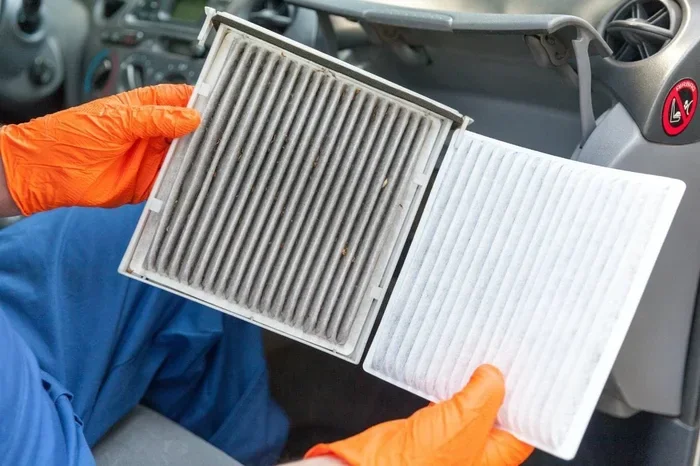
Hold the filter up to a light source. If you cannot see light through it, the filter is too far gone for cleaning. At this point, you should just replace it.
### Step 4: Clean the Filter
For reusable filters, use low-pressure water from a garden hose. Rinse from the clean side to the dirty side. Avoid using high-pressure washers, as they can damage the filter material. You can add a small amount of mild soap if needed.
Let the filter air dry completely. This may take 24 hours or more. Never reinstall a damp filter, as moisture can lead to mold growth inside your HVAC system.
### Step 5: Reinstall the Filter
Once the filter is completely dry, put it back in the correct orientation. Make sure it sits snugly in its housing with no gaps.
### Quick Tips for Cleaning Success
- Always wear gloves when handling a dirty filter.
- Do not use harsh chemicals or high-pressure water.
- Let the filter dry fully before reinstalling.
- Clean your filter at least once per season if you use reusable types.
## When Should You Replace Instead of Clean?
There are clear signs that tell you cleaning is not enough and replacement is necessary. Here are the most common indicators.
### Signs Your Cabin Air Filter Needs Replacement
- Weak airflow from vents: If your fan seems weaker than usual, a clogged filter is a likely culprit.
- Unusual odors: A musty or dirty smell coming from the vents often means mold or debris buildup.
- Increased allergy symptoms: If you or your passengers sneeze more inside the car, the filter may not be doing its job.
- Visible dirt and debris: A filter that looks dark and clogged is past the point of cleaning.
- It has been over 12 months: Even if the filter looks okay, it is a good idea to replace it annually for best performance.
### The Cost of Replacement vs. Cleaning
A new cabin air filter typically costs between $15 and $50, depending on your vehicle and the filter type. Cleaning a reusable filter costs almost nothing, but remember that it only buys you time. You will still need to replace it eventually.
If you are unsure whether to clean or replace, err on the side of replacement. A fresh filter costs little and makes a noticeable difference in air quality and airflow.
### Common Mistakes to Avoid
- Ignoring the filter: Many drivers forget about the cabin air filter until problems arise. Set a reminder to check it every 6 to 12 months.
- Using the wrong cleaning method: Never put a paper-based filter in the dishwasher or soak it in chemicals.
- Forgetting to dry the filter: Reinstalling a wet filter can cause mold and musty smells.
- Buying the wrong filter size: Always check your owner’s manual or ask a parts store for the correct fit.
## Cleaning vs. Replacing: Which Saves More Money?
Let us look at the numbers to help you decide.
| Factor | Cleaning (Reusable Filter) | Replacing (Disposable Filter) |
|—|—|—|
| Upfront Cost | Very low (just water and soap) | $15 to $50 per filter |
| Lifespan | Can last 2-3 years with proper care | 12-24 months per filter |
| Performance | Good when clean, declines over time | Consistent with a new filter |
| Effort | Moderate (requires drying time) | Minimal (swap and go) |
| Air Quality | Decent but not as effective as new | Excellent with a fresh filter |
| Long-Term Savings | Higher if you maintain it well | Lower upfront but recurring cost |
For most drivers, replacing the cabin air filter is the simpler and more reliable option. However, if you drive a lot and go through filters quickly, investing in a reusable option can pay off over time.
## How Often Should You Service Your Cabin Air Filter?
The general recommendation is to check your cabin air filter every 12,000 to 15,000 miles, or at least once a year. However, your driving conditions play a big role.
### Factors That Affect Filter Life
- Driving in dusty areas: Dirt roads and construction zones clog filters faster.
- High pollen seasons: Spring and fall can fill up your filter quickly if you drive with windows cracked.
- City driving: Stop-and-go traffic exposes your filter to more exhaust and pollution.
- Pets in the car: Pet hair and dander add extra debris to the filter.
- Using recirculate mode often: This pushes air through the filter more frequently.
If you notice any of the warning signs mentioned earlier, do not wait. Address the issue right away. A clogged filter puts extra strain on your HVAC system, which could lead to bigger repair bills down the road.
## Expert Insight: The Bottom Line on Cabin Air Filter Cleaning
Most automotive experts agree that for the average driver, replacing the cabin air filter is the best approach. Cleaning works only for specific reusable filter types and even then, it is a temporary measure. The filter’s ability to trap tiny particles like pollen, mold spores, and exhaust fumes diminishes with each cleaning.
If you want to keep your car’s interior air fresh and your HVAC system running efficiently, stick with regular replacement. It is a small cost that makes a big difference in your daily driving comfort.
Think of it this way. You would not wash a paper towel and reuse it, right? The same logic applies to most cabin air filters. They are designed to trap and hold debris. Once they are full, they need to be swapped out.
## Conclusion
So, can you clean a cabin air filter instead of replacing it? The answer is yes, but only in limited situations. If you have a reusable or electrostatic filter, light cleaning can extend its life. For most standard cabin air filters, replacement is the better choice.
A clean cabin air filter keeps your car smelling fresh, your air flowing freely, and your HVAC system working efficiently. It also protects you and your passengers from dust, pollen, and other airborne particles.
Take a few minutes to check your filter today. If it looks dirty or it has been more than a year since your last change, grab a new one and swap it out. Your lungs will thank you. And if you ever find yourself dealing with other car maintenance questions, remember that staying on top of small tasks like filter changes prevents bigger problems later.
Keep your car running well and your air clean. Your future self will appreciate the effort.
Key Takeaways
- Cleaning is possible: Some cabin air filters can be lightly cleaned, but they are not designed for repeated washing.
- Filter type matters: Paper-based filters should be replaced, while certain activated carbon or electrostatic filters may allow light cleaning.
- Cleaning has limits: A cleaned filter will not perform as well as a new one, especially for allergen and odor removal.
- Replacement is often better: A fresh cabin air filter ensures optimal airflow and air quality inside your vehicle.
- Check your owner’s manual: Always refer to your vehicle’s manual for specific guidance on cabin filter maintenance.
- Regular maintenance helps: Staying on top of filter service prevents buildup and keeps your HVAC system running smoothly.
Frequently Asked Questions
Can you wash a cabin air filter with water?
You can wash a reusable or electrostatic cabin air filter with water. Use low-pressure water and mild soap, then let it dry completely before reinstalling. Never wash a paper-based cabin filter, as it will be damaged.
How do I know if my cabin air filter is dirty?
Common signs include weak airflow from the vents, musty odors inside the car, and increased allergy symptoms. You can also remove the filter and hold it up to light. If you cannot see light through it, it is time for a replacement.
How much does a cabin air filter replacement cost?
A cabin air filter typically costs between $15 and $50 for the part alone. If you have a mechanic install it, you may pay an additional $20 to $50 for labor. Many drivers choose to replace it themselves to save money.
Can a dirty cabin air filter affect your health?
Yes, a dirty cabin air filter can reduce air quality inside your car. It may allow dust, pollen, and mold spores to circulate, which can trigger allergies or respiratory issues. Keeping the filter clean or replaced helps protect your health.
How often should you replace a cabin air filter?
Most experts recommend replacing the cabin air filter every 12,000 to 15,000 miles or at least once a year. If you drive in dusty conditions or high-pollen areas, you may need to replace it more frequently.
Can you clean a cabin air filter with a vacuum?
A vacuum can remove loose surface debris from a cabin air filter, but it will not clean the deep layers. This method works as a quick maintenance step but does not replace a full cleaning or replacement for a heavily clogged filter.