Are Toyota Highlanders Reliable Vehicles Here Is The Truth
The Toyota Highlander has earned a strong reputation as a dependable SUV that many families trust for daily driving. Most owners report fewer issues than the industry average, especially with the third-generation and newer models. Regular maintenance plays a big role in keeping your Highlander running strong for over 200,000 miles.
The Toyota Highlander has been a popular choice for families looking for a spacious and dependable SUV. But the big question remains: are Toyota Highlanders reliable vehicles? The short answer is yes. The longer answer is that like any vehicle, the Highlander has its strengths and a few weaknesses. In this article, we will dig deep into what makes the Highlander tick, what owners have experienced over the years, and whether it is the right choice for your family.
We will look at reliability ratings, common problems, maintenance costs, and how the Highlander stacks up against its rivals. By the end of this guide, you will have a clear picture of what to expect from one of the most popular three-row SUVs on the road today. Toyota Highlander reliability is a topic that comes up often in car forums and owner reviews, so we want to give you the most complete picture possible.
Key Takeaways
- High reliability ratings: The Toyota Highlander consistently scores above average in reliability surveys from Consumer Reports and J.D. Power.
- Common issues are manageable: Problems like transmission lag and brake wear are known but not widespread across all model years.
- Low maintenance costs: Compared to competitors, the Highlander costs less to maintain over its lifetime.
- Strong resale value: Highlanders hold their value well, making them a smart long-term investment.
- Hybrid options add efficiency: The Highlander Hybrid offers great fuel economy without sacrificing reliability.
- Early models had more issues: The first and second generations had more reported problems than the current generation.
- Regular oil changes matter: Staying on top of basic maintenance prevents most common Highlander problems.
📑 Table of Contents
What Makes a Vehicle Reliable?
Before we dive into the Highlander specifically, let us talk about what vehicle reliability actually means. Reliability is not just about whether a car starts every morning. It covers a wide range of factors that affect your daily driving experience and long-term ownership.
Key Factors That Determine Reliability
- Engine and transmission durability: A reliable vehicle keeps its powertrain running smoothly for many years without major repairs.
- Electrical system stability: Modern vehicles have complex electronics. A reliable car keeps these systems working without frequent glitches.
- Build quality and materials: How well a vehicle is put together affects how quickly parts wear out or fail.
- Maintenance frequency and cost: Some cars need expensive repairs more often, which affects their overall reliability score.
- Safety feature consistency: Reliable vehicles keep their safety systems functioning properly over time.
- Fuel system and emissions: A dependable vehicle delivers consistent fuel economy and passes emissions tests with ease.
- Owner satisfaction over time: Real-world feedback from owners who have kept their vehicles for years provides the best reliability data.
When we talk about Toyota Highlander reliability, we measure the Highlander against all of these factors. Toyota has built a strong brand around dependability, and the Highlander is no exception. The brand consistently ranks near the top of reliability surveys, and the Highlander benefits from that reputation.
Toyota Highlander Reliability Overview
The Toyota Highlander has gone through four generations since its introduction in 2000. Each generation has brought improvements in technology, safety, and overall dependability. Let us break down what you can expect from each era of the Highlander.
First Generation (2001-2007)
The first-generation Highlander set the foundation for Toyota’s reputation in the SUV market. It offered a comfortable ride and a spacious interior for its time. However, early models had some issues that owners should be aware of.
- Transmission problems: Some first-generation Highlanders experienced transmission hesitation and rough shifting.
- Brake wear: The front brakes tended to wear out faster than expected on some models.
- Rust concerns: A small number of owners reported rust forming on the undercarriage in colder climates.
Despite these issues, many first-generation Highlanders have crossed the 200,000-mile mark with proper care. The engine and transmission are generally sturdy, and the vehicle is known for holding up well over time.
Second Generation (2008-2013)
The second generation brought a more refined design and improved engineering. Toyota addressed many of the first-generation complaints, and the Highlander became even more popular during this period.
- Engine reliability: The 3.5-liter V6 engine in the second generation proved to be very durable.
- Electrical improvements: Fewer electrical gremlins compared to the first generation.
- Transmission updates: Toyota improved the transmission programming for smoother shifts.
Owner reviews for the second generation are generally very positive. The Toyota Highlander reliability rating improved during this era, and Consumer Reports gave it above-average scores for dependability.
Third Generation (2014-2019)
The third generation is widely considered the sweet spot for the Highlander. Toyota made significant improvements in quality and refinement. This generation also introduced the Highlander Hybrid, which added a new dimension to the vehicle’s appeal.
- Fewer reported problems: The third generation had some of the lowest complaint rates in the Highlander’s history.
- Improved transmission: The eight-speed automatic transmission was smoother and more reliable.
- Hybrid system reliability: The hybrid powertrain proved to be very dependable with minimal issues.
If you are shopping for a used Highlander, the third generation is often the best choice. Toyota Highlander reliability history shows a clear upward trend with each new generation.
Fourth Generation (2020-Present)
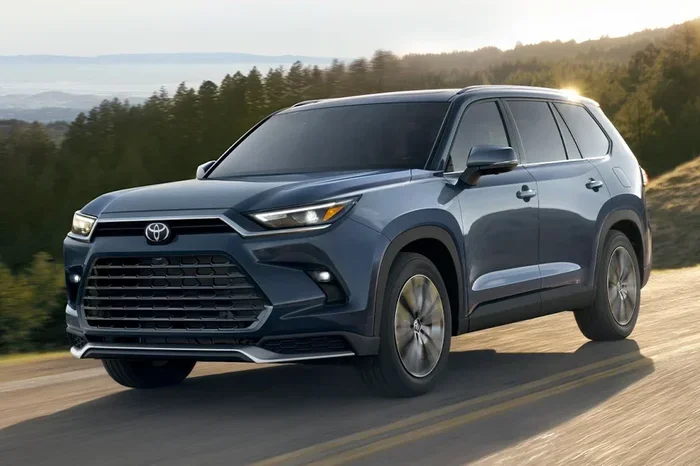
The current generation Highlander features a modern design, updated technology, and a new turbocharged engine option alongside the traditional V6. Early data suggests that the fourth generation is continuing Toyota’s streak of high reliability.
- New turbo engine: The 2.4-liter turbocharged four-cylinder engine is a departure from the traditional V6 but shows promise.
- Updated safety features: The Toyota Safety Sense suite comes standard and has received high marks.
- Improved fuel economy: Both the V6 and turbo engines offer better fuel efficiency than previous generations.
It is still early to fully judge the fourth generation’s long-term reliability, but initial owner feedback is very encouraging. Toyota’s track record gives buyers confidence that the new Highlander will continue the brand’s tradition of dependability.
Common Toyota Highlander Problems
No vehicle is perfect, and the Highlander is no different. Understanding common issues can help you make a smarter buying decision and know what to watch for during ownership.
Transmission Issues
Transmission concerns are the most frequently mentioned problem among Highlander owners. Some drivers have reported a slight delay when shifting from park to drive, especially in colder weather. This issue is more common in earlier generations but has been reported across several model years.
Most transmission issues are minor and can be resolved with a software update or fluid change. Severe transmission failures are rare but have occurred in high-mileage vehicles that did not receive regular maintenance. Toyota Highlander problems related to the transmission are generally manageable and not deal-breakers for most owners.
Brake Wear and Noise
Several owners have noted that the front brake pads wear out faster than expected. This is especially true for drivers who live in hilly areas or frequently tow heavy loads. Brake noise, such as squealing or grinding, has also been reported by some owners.
Regular brake inspections and timely pad replacements can prevent more serious and costly repairs. If you notice unusual brake sounds, it is best to have them checked by a qualified mechanic right away.
Electrical Gremlins
Like many modern vehicles, the Highlander has experienced some electrical issues over the years. These include intermittent power window malfunctions, infotainment system freezes, and sensor warning lights that appear without an obvious cause.
Most electrical issues are minor and do not affect the vehicle’s safety or drivability. Toyota has been responsive to these complaints in most cases, issuing technical service bulletins and software updates to address them.
Suspension and Steering Concerns
A smaller number of owners have reported issues with the suspension system, including premature wear of shocks and struts. Some drivers have also noticed occasional steering stiffness, particularly at low speeds or when parking.
These issues tend to appear more frequently in higher-mileage vehicles. Regular suspension inspections can catch wear items before they become expensive problems.
Toyota Highlander Maintenance and Ownership Costs
One of the biggest advantages of owning a Toyota Highlander is the low cost of ownership. Toyota vehicles are known for being affordable to maintain, and the Highlander is no exception.
Routine Maintenance Schedule
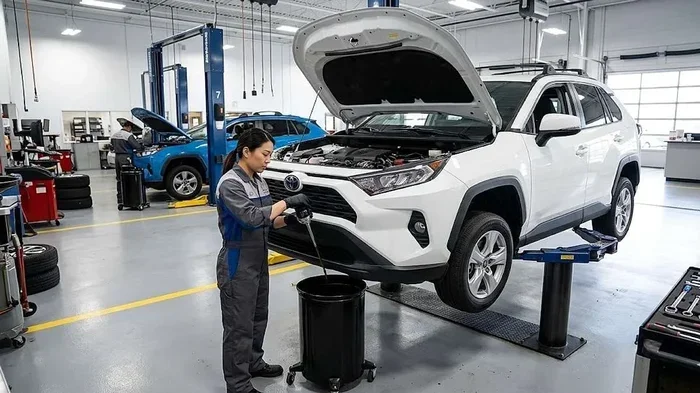
Staying on top of routine maintenance is the best way to ensure your Highlander stays reliable for the long haul. Here is what you can expect for regular service intervals:
- Oil changes: Every 5,000 to 7,500 miles for conventional oil or 10,000 miles for synthetic oil.
- Tire rotations: Every 5,000 to 7,500 miles to ensure even wear.
- Brake inspections: Every 15,000 miles or during each tire rotation.
- Air filter replacement: Every 15,000 to 30,000 miles depending on driving conditions.
- Transmission fluid: Every 60,000 to 100,000 miles, depending on the generation.
- Coolant flush: Every 30,000 to 60,000 miles.
- Spark plug replacement: Every 60,000 to 100,000 miles.
Following this maintenance schedule can help your Highlander easily surpass 200,000 miles with minimal major repairs. Think of it as an investment that pays off in the form of fewer surprises and lower repair bills over time.
Average Annual Maintenance Costs
According to data from RepairPal and other automotive cost databases, the average annual maintenance cost for a Toyota Highlander is around $450 to $550. This is below the average for midsize SUVs, which typically run between $550 and $700 per year.
As the vehicle ages, maintenance costs will naturally increase. However, even older Highlanders tend to be more affordable to maintain than many competing models. The availability of affordable parts and widespread service options also helps keep costs down.
Comparison With Competitors
How does the Highlander’s reliability and cost of ownership compare to similar SUVs? Let us take a look at how the Highlander measures up against some popular competitors in the three-row SUV segment.
| Vehicle | Reliability Rating | Avg. Annual Maintenance | Resale Value (5-Year) |
|---|---|---|---|
| Toyota Highlander | Above Average | $450 – $550 | Strong |
| Honda Pilot | Above Average | $500 – $600 | Good |
| Chevrolet Traverse | Average | $600 – $750 | Below Average |
| Ford Explorer | Average | $550 – $700 | Average |
| Mazda CX-90 | Above Average | $475 – $575 | Good |
As you can see from the comparison, the Highlander holds its own against the competition. Its reliability rating is among the best in the segment, and its maintenance costs are some of the lowest. The Toyota Highlander resale value is also a major advantage, as Highlanders tend to retain more of their original value than many rivals.
Toyota Highlander Safety and Driver Assistance Features
Safety is a huge part of vehicle reliability in today’s market. A reliable vehicle not only keeps running but also keeps its occupants safe in the event of a collision. The Highlander has consistently earned strong safety ratings from both the NHTSA and the IIHS.
Toyota Safety Sense
The Toyota Safety Sense suite comes standard on all new Highlanders. This package includes pre-collision braking, lane departure warning, adaptive cruise control, and automatic high beams. These features work together to help prevent accidents and reduce the severity of collisions when they do occur.
Many owners appreciate that these safety features are standard rather than reserved for higher trim levels. This means that even base-model Highlanders come equipped with a robust suite of driver assistance technologies.
Real-World Safety Performance
In real-world crash data, the Highlander has performed well. The vehicle’s strong body structure and multiple airbags provide excellent protection for occupants. Toyota’s commitment to safety engineering has made the Highlander one of the safer choices in the three-row SUV category.
If safety is a top priority for you, the Highlander delivers in both crash test ratings and real-world performance. Combined with its proven reliability, this makes the Highlander a compelling choice for safety-conscious families.
Is the Toyota Highlander Right for You?
After looking at all the data, owner reviews, and reliability information, the answer to whether the Toyota Highlander is a reliable vehicle is a strong yes. The Highlander has earned its reputation as one of the most dependable three-row SUVs available today.
Here are some quick tips to help you decide if the Highlander is the right fit for your needs:
- Choose a third-generation or newer model: These have the best reliability track records and the fewest common problems.
- Get a vehicle history report: Always check the vehicle’s history before buying a used Highlander.
- Stay on top of maintenance: Regular oil changes and scheduled services will keep your Highlander running strong for many years.
- Consider the hybrid option: The Highlander Hybrid offers excellent fuel economy and has proven to be just as reliable as the gas-powered version.
- Test drive multiple generations: Each generation has its own feel and features, so test driving different years can help you find the right fit.
If you are comparing the Highlander to other vehicles in its class, it is worth noting that the Ford F 150, while not a direct competitor, shares Toyota’s reputation for reliability in a different segment. If you want to explore more about truck reliability, you can read our detailed article on 2013 Ford F 150 reliability for a broader perspective on dependable American vehicles.
The Toyota Highlander continues to be a top choice for families who want a reliable, spacious, and safe SUV. Its combination of strong reliability ratings, low maintenance costs, and excellent resale value makes it one of the best values in the three-row SUV segment.
Final Verdict on Toyota Highlander Reliability
The Toyota Highlander stands out as a remarkably reliable vehicle that has earned the trust of millions of families around the world. From the first generation to the current fourth generation, Toyota has consistently delivered a SUV that is built to last. Toyota Highlander reliability is not just a marketing claim; it is backed by years of data, owner feedback, and independent testing.
While no vehicle is perfect, the Highlander’s few common issues are well-documented and generally easy to manage. The low cost of ownership, strong safety ratings, and excellent resale value only add to its appeal. Whether you are buying new or used, the Highlander is a smart choice that will serve you well for many years to come.
If you are still researching other vehicle options, you might want to check out our article on 2016 Ford F 150 recalls to understand how recall history can impact vehicle reliability. This kind of research helps you make a fully informed decision before committing to any vehicle purchase.
In the end, the Toyota Highlander delivers on its promise of dependable, affordable, and safe family transportation. It is a vehicle you can trust, day after day, mile after mile.
Frequently Asked Questions
How long does a Toyota Highlander last?
With proper maintenance, a Toyota Highlander can easily last 200,000 to 300,000 miles or more. Many owners report crossing the 250,000-mile mark without major engine or transmission repairs. Regular oil changes and scheduled services are the key to maximizing your Highlander’s lifespan.
What are the most common Toyota Highlander problems?
The most common issues include transmission hesitation, premature brake wear, and minor electrical glitches. These problems are generally not severe and can be addressed with routine maintenance or simple repairs. Overall, the Highlander has fewer reported problems than many competitors in its class.
Is the Toyota Highlander Hybrid reliable?
Yes, the Highlander Hybrid is considered very reliable. The hybrid system has been proven in Toyota’s lineup for decades, and the Highlander Hybrid has received strong reliability ratings. The hybrid powertrain adds efficiency without introducing significant new reliability concerns.
How does the Toyota Highlander compare to the Honda Pilot in reliability?
Both the Highlander and the Honda Pilot are considered highly reliable SUVs. The Highlander tends to score slightly higher in long-term reliability surveys and has lower average maintenance costs. Both are excellent choices, but the Highlander has a slight edge in dependability according to most independent ratings.
Are older Toyota Highlanders still reliable?
Yes, older Highlanders remain reliable even after many years of ownership. The second and third generations are particularly well-regarded for their durability. However, it is important to get a thorough inspection and vehicle history report before purchasing any used Highlander, regardless of the generation.
What maintenance does a Toyota Highlander need most often?
The most frequent maintenance items are oil changes, tire rotations, and brake pad replacements. Staying current with these services will prevent most major repairs. Toyota also recommends periodic transmission fluid changes and coolant flushes to keep the vehicle running at its best.
=== CONCLUSION ===
The Toyota Highlander has proven itself as one of the most reliable SUVs you can buy. Whether you are looking at a used model from the third generation or a brand-new fourth-generation vehicle, the Highlander delivers on the promise of dependable, long-lasting performance. Toyota Highlander reliability is backed by strong ratings, positive owner reviews, and a track record that spans more than two decades.
If you value a vehicle that is safe, affordable to maintain, and built to last, the Highlander should be at the top of your shopping list. It is a vehicle that gives you peace of mind every time you get behind the wheel. Take the time to test drive one, do your research, and you will likely find that the Highlander is exactly the kind of reliable SUV your family needs.