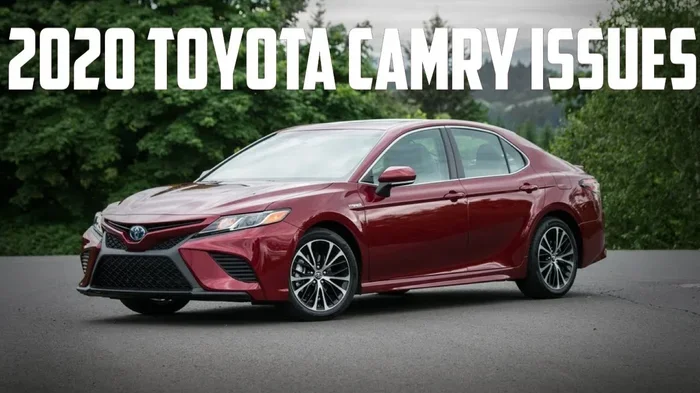
Are There Recalls on the 2020 Toyota Camry Right Now
The 2020 Toyota Camry has had several recall campaigns affecting safety and performance. Owners should stay informed about potential issues with braking, fuel systems, and hybrid components. Checking your Vehicle Identification Number (VIN) through official Toyota or NHTSA channels is the fastest way to find out if your specific car is impacted.
Owning a car comes with responsibilities. One of the most important is staying on top of recalls. If you drive a 2020 Toyota Camry, you might be wondering whether any recall campaigns have been issued for your vehicle. The answer is yes. Toyota has issued multiple recalls over the years that touch the 2020 Camry model, and understanding what they cover is essential for every owner.
Are there recalls on the 2020 Toyota Camry right now? This is a question many Camry owners ask, and the answer requires a closer look at specific campaigns, affected components, and the steps you should take. In this guide, we break everything down in simple, clear terms. You will learn what recalls exist, how to check if your car is affected, and what to do next.
The 2020 Toyota Camry remains one of the most popular sedans in America. It offers a smooth ride, solid fuel economy, and a reputation for reliability. But even the best-built vehicles can have defects. Recalls are a normal part of the automotive industry, and they exist to protect drivers and passengers. Ignoring a recall is never a good idea. Let us walk through everything you need to know.
Key Takeaways
- Multiple recalls exist: The 2020 Toyota Camry has been subject to several recall campaigns covering different components and systems.
- Check your VIN: Using your VIN on the Toyota or NHTSA website is the most reliable way to see if your specific vehicle is affected.
- Recalls are free repairs: Toyota dealers must fix recall-related issues at no cost to the vehicle owner.
- Hybrid models have unique concerns: The Camry Hybrid version has additional recall considerations related to its powertrain and electrical systems.
- Act quickly: Delaying a recall repair can compromise your safety and potentially affect your vehicle’s resale value.
- Stay updated: Recalls can be issued at any time, so regular checks keep you informed of new campaigns.
📑 Table of Contents
- Understanding Toyota Camry Recalls
- Specific Recalls Affecting the 2020 Toyota Camry
- How to Check If Your 2020 Camry Is Affected
- What To Do If Your Camry Has a Recall
- How Recalls Impact Vehicle Value and Safety
- Staying Updated on Toyota Recalls
- Common Mistakes Camry Owners Make With Recalls
- Quick Tips for Handling Camry Recalls
- Conclusion
Understanding Toyota Camry Recalls
Before diving into the specific recalls, it helps to understand what a recall actually is. A recall is a formal notification from either the manufacturer or the National Highway Traffic Safety Administration (NHTSA) that a vehicle has a safety defect or does not meet federal safety standards. When a recall is issued, the manufacturer must fix the problem for free.
Recalls can affect a single model year or span multiple years. They might involve a small component like a sensor or a major system like the braking mechanism. The 2020 Toyota Camry has been part of several recall campaigns, each addressing different concerns. Some recalls are widespread and affect thousands of vehicles, while others are more narrow in scope.
Why Recalls Happen
Recalls happen for many reasons. Sometimes a manufacturing error occurs at the factory. Other times, a design flaw is discovered after vehicles have already been sold. In some cases, real-world data reveals a problem that was not caught during testing. Regardless of the reason, the goal is always the same: to keep drivers safe.
Toyota takes recalls seriously. The company has a dedicated recall management system designed to notify owners and schedule repairs promptly. However, it is still the owner’s responsibility to act on recall notices. If you have moved or changed your contact information, make sure Toyota has your current details.
How Recalls Differ from Technical Service Bulletins
It is important to distinguish recalls from Technical Service Bulletins (TSBs). A recall addresses a safety defect and is mandatory for the manufacturer to fix. A TSB, on the other hand, addresses a known issue but is not necessarily a safety concern. TSBs may or may not be covered under warranty. Always confirm whether the notice you receive is a formal recall or a TSB.
Specific Recalls Affecting the 2020 Toyota Camry
The 2020 Toyota Camry has been involved in several recall campaigns. These recalls cover a range of components, from the braking system to the fuel delivery system. Below is a detailed look at the most notable recalls that have affected this model year.
Brake System Recalls
One of the more significant recall campaigns for the 2020 Camry involved the braking system. In some vehicles, the brake booster could develop a defect that reduces braking performance. This is a serious safety concern because it directly affects the driver’s ability to stop the vehicle quickly and reliably.
Toyota identified the issue through routine quality testing and customer reports. The fix typically involves replacing or repairing the brake booster assembly. This recall affected a notable number of 2020 Camry units, which is why it is important to check your specific vehicle.
Fuel System Recalls
Another recall that impacted the 2020 Toyota Camry involved the fuel system. In certain vehicles, the fuel pump or fuel delivery components could malfunction, leading to engine stalling or difficulty starting. A fuel system issue is not just an inconvenience; it can create dangerous situations, especially at highway speeds or in heavy traffic.
The fuel system recall prompted Toyota to inspect and replace affected components at authorized dealerships. Owners received notification letters explaining the issue and the steps needed to resolve it.
Hybrid Powertrain Recalls
The 2020 Camry Hybrid is a fantastic vehicle. It delivers excellent fuel economy and a smooth driving experience. However, hybrid models sometimes face unique recall issues. For the 2020 Camry Hybrid, certain recalls addressed problems with the hybrid powertrain control module and electrical wiring.
These issues could potentially affect how the vehicle switches between electric and gas power. If you own a Camry Hybrid, paying close attention to powertrain-related recalls is especially important. For more information on how hybrid systems work and their fuel benefits, you can read our guide on do you really save on gas with a hybrid.
Seat and Safety Restraint Recalls
Seat and safety restraint systems are critical to occupant protection. The 2020 Camry had recalls related to seat brackets and seat belt components in some units. These defects could compromise the effectiveness of the restraint system during a collision.
Toyota addressed these issues by inspecting and, where necessary, replacing the affected seat components. This type of recall underscores the importance of taking every recall notice seriously, even if the issue seems minor.
Software and Electronics Recalls
Modern vehicles rely heavily on software and electronic systems. The 2020 Camry had recalls related to infotainment system glitches and sensor calibration issues. In some cases, a software update performed at the dealership resolved the problem. In other cases, hardware replacement was required.
These recalls might not seem as urgent as braking or fuel system issues, but they can still impact your driving experience and safety. A malfunctioning sensor or display can lead to driver confusion or missed warnings.
How to Check If Your 2020 Camry Is Affected
Now that you know some of the recalls that have affected the 2020 Toyota Camry, the next question is how to check if your specific vehicle is involved. The process is straightforward, and every Camry owner should do it regularly.
Method 1: Use the NHTSA Website
The National Highway Traffic Safety Administration maintains a comprehensive database of all vehicle recalls. You can visit the NHTSA website and enter your Vehicle Identification Number to see if any recalls apply to your car. This is the most authoritative source available.
Your VIN is a 17-character code unique to your vehicle. You can find it on your dashboard near the windshield, on your driver-side door jamb, or on your vehicle registration documents. Entering the VIN gives you results specific to your car, not just the model year in general.
Method 2: Check Through Toyota’s Official Channels
Toyota also provides a recall lookup tool on its official website. You can enter your VIN or contact your local Toyota dealer directly. The dealer can pull up your vehicle’s complete recall history and schedule any necessary repairs. This is often the most convenient option because the dealer can handle the repair for you.
Method 3: Sign Up for Recall Notifications
Toyota offers a recall notification service. By registering your vehicle on the Toyota website, you can receive email or mail alerts whenever a new recall is issued for your model. This proactive approach ensures you never miss an important notice. For more on staying informed about your vehicle, you might also want to check out our article on how to activate the connect app for additional vehicle alerts.
Method 4: Contact Your Local Dealer
A phone call to your nearest Toyota dealership can provide immediate answers. The service department can look up your VIN and tell you about any open recalls. They can also schedule a service appointment to address the issue. Most dealers are very responsive to recall-related inquiries because it is part of their service obligation.
What To Do If Your Camry Has a Recall
Finding out that your 2020 Toyota Camry has an open recall can feel stressful. But the process is designed to be simple and customer-friendly. Here is exactly what you should do.
Step 1: Read the Recall Notice Carefully
If you received a recall notice in the mail, read it thoroughly. The notice will explain the defect, the potential risks, and the specific repair that will be performed. It will also provide instructions on how to proceed.
Step 2: Contact Your Toyota Dealer
Call your local Toyota dealer and schedule a service appointment. Mention the recall number and your VIN. The dealer will confirm the recall and prepare the necessary parts and labor for the repair.
Step 3: Get the Repair Done for Free
By law, Toyota must perform recall repairs at no cost to the owner. This includes parts and labor. You should never be charged for a recall fix. If a dealer asks for payment, politely insist on the recall policy and escalate to Toyota customer service if needed.
Step 4: Keep Documentation
After the repair is completed, keep all documentation. This includes the service invoice and any confirmation that the recall was addressed. This paperwork is valuable for resale purposes and for your own records.
Can You Still Drive Your Car During a Recall?
In most cases, yes. However, if the recall involves a critical safety system like brakes or steering, Toyota may recommend avoiding driving the vehicle until the repair is completed. Always follow the guidance provided in the recall notice. For general advice on driving with warning lights or system issues, check out our article on can I drive my car with the trac off light on.
How Recalls Impact Vehicle Value and Safety
Recalls have a direct impact on both safety and vehicle value. Understanding this relationship helps you make informed decisions as a Camry owner.
The Safety Impact of Recalls
The primary purpose of a recall is safety. Every recall campaign exists because a defect has been identified that could potentially harm occupants or other road users. Addressing a recall promptly reduces your risk of being involved in an accident caused by a known defect.
Ignoring a recall means continuing to drive a vehicle with a known problem. Even if the issue seems minor, it can escalate over time or manifest unexpectedly. The 2020 Camry recalls cover issues that range from inconvenient to genuinely dangerous. Taking them seriously is always the right choice.
The Resale Value Impact
Recalls can also affect your vehicle’s resale value. A car with an open recall is less attractive to buyers because it signals an unresolved issue. On the other hand, a Camry with all recalls completed shows that the owner has maintained the vehicle properly. This can actually boost buyer confidence and help you get a better price when selling or trading in.
For comparison, other models like the Ford F-150 have also faced their own recall histories. You can read about recall patterns across different trucks in our article on recalls on the 2016 Ford F 150 to see how recall frequency varies across brands and models.
Hybrid-Specific Considerations for the Camry
The 2020 Camry Hybrid deserves special attention. Hybrid vehicles have unique systems that traditional cars do not, including high-voltage batteries, electric motors, and complex power management computers. Recalls affecting these systems require specialized knowledge and equipment to address.
Toyota dealers are trained and equipped to handle hybrid recall repairs safely. They follow strict protocols to ensure that high-voltage components are handled correctly. If you own a Camry Hybrid, always take your vehicle to a Toyota dealer for recall repairs rather than an independent shop.
For more information about hybrid operation and whether a hybrid can run on gas alone, read our piece on can a hybrid car run on gas only. Understanding how your hybrid system works helps you better appreciate the recall issues that may arise.
Staying Updated on Toyota Recalls
Recalls are not a one-time event. New campaigns can be issued months or even years after a vehicle is purchased. Staying updated is an ongoing responsibility for every Camry owner.
Set Regular Reminders
Make it a habit to check for recalls every six months. Set a calendar reminder or mark it in your phone. A quick VIN lookup takes just a few minutes and can save you from driving with an unresolved defect.
Keep Your Contact Information Current
Toyota and your local dealer need accurate contact information to reach you about recalls. If you move, change your phone number, or update your email, make sure to update your records with Toyota and your dealer. A missed recall notice can mean a missed repair.
Join Camry Owner Communities
Online forums and social media groups for Camry owners are excellent resources. Other owners often share recall notices and repair experiences before official channels catch up. Joining a community keeps you informed and connected.
Follow Toyota News and Announcements
Toyota regularly publishes press releases about new recalls. Following Toyota’s official news page or subscribing to their email updates ensures you are among the first to know about any new campaigns affecting the 2020 Camry.
Common Mistakes Camry Owners Make With Recalls
Avoiding common mistakes can save you time, money, and stress. Here are the most frequent errors Camry owners make when dealing with recalls.
- Ignoring recall notices: Some owners toss recall letters in the trash. This is the biggest mistake you can make. Every recall exists for a reason.
- Assuming the problem is minor: Even a small-sounding defect can have serious consequences. Always take every recall seriously.
- Delaying the repair: Putting off a recall repair leaves you and your passengers at risk. Schedule the appointment as soon as possible.
- Going to a non-Toyota shop: Recall repairs must be done by authorized dealers or Toyota-certified technicians. Independent shops may not have the correct parts or software.
- Not checking the VIN: Not every Camry from 2020 is affected by every recall. Always verify using your specific VIN.
- Forgetting about used Camrys: If you buy a used 2020 Camry, check for open recalls immediately. Previous owners may not have completed all repairs.
Quick Tips for Handling Camry Recalls
- Save your recall notice letters in a dedicated folder for future reference.
- Ask the dealer for a loaner car if the repair takes longer than a day.
- Verify the repair was completed by checking your VIN on the NHTSA website afterward.
- Keep your Camry’s maintenance records organized, including all recall repairs.
- Share recall information with other Camry owners you know.
Conclusion
The question “Are there recalls on the 2020 Toyota Camry right now” has a clear answer: yes. The 2020 Camry has been part of several recall campaigns covering brakes, fuel systems, hybrid components, safety restraints, and electronics. These recalls exist to protect you and everyone on the road. Taking them seriously and acting quickly is the best thing you can do as a vehicle owner.
Checking your VIN through the NHTSA website or Toyota’s official channels is the simplest way to find out if your specific car is affected. Once you know, scheduling a free repair at your local Toyota dealer is straightforward. Do not delay, and do not ignore recall notices.
The 2020 Toyota Camry remains a strong, reliable sedan. Staying on top of recalls ensures that it continues to perform at its best. Make recall checks part of your regular vehicle maintenance routine, and drive with confidence knowing you have addressed every known issue.
Your safety matters. Your Camry matters. And staying informed about recalls is one of the easiest and most effective ways to protect both. Take a few minutes today to check your VIN and make sure your 2020 Camry is fully up to date on all recall repairs.
Frequently Asked Questions
How many recalls does the 2020 Toyota Camry have?
The number of recalls can vary depending on the specific trim, engine type, and production date. The 2020 Camry has been subject to several recall campaigns covering issues like braking, fuel delivery, hybrid systems, and safety restraints. Check the NHTSA website with your VIN for the most accurate and current count.
Are Camry recalls free to repair?
Yes, all recall repairs are performed at no cost to the vehicle owner. Toyota dealers are required by federal law to fix recall-related issues for free, including both parts and labor. You should never pay for a recall repair.
Can I drive my 2020 Camry if it has an open recall?
In most cases, yes. However, if the recall involves a critical safety system such as brakes or steering, Toyota may advise against driving the vehicle until the repair is completed. Always read the recall notice carefully and follow the instructions provided.
How long does a Camry recall repair take?
Most Camry recall repairs are completed in a single visit and can take anywhere from one to several hours depending on the complexity of the issue. Simple software updates may take minutes, while more involved repairs like brake booster replacement may take longer. Your dealer can give you a time estimate when you schedule the appointment.
What if my Camry was purchased used and has an open recall?
Open recalls transfer with the vehicle regardless of ownership history. If you bought a used 2020 Camry, you are still entitled to free recall repairs. Contact a Toyota dealer with your VIN to check for any outstanding recalls and schedule the necessary service.
Where can I find the latest Toyota Camry recall information?
The most reliable sources are the NHTSA website, the official Toyota website, and your local Toyota dealer. You can also sign up for Toyota recall notifications to receive updates directly. Checking your VIN regularly ensures you stay current on all recall campaigns affecting your specific vehicle.