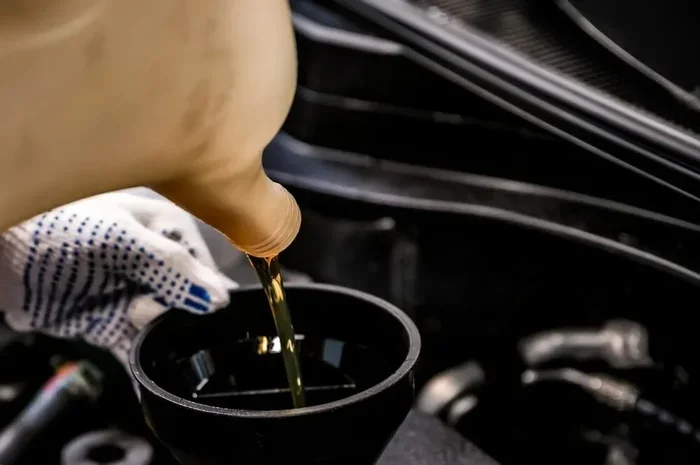
Can I Put Synthetic Oil in My Car Without Any Issues
Yes, you can put synthetic oil in your car without any issues in most cases. Synthetic oil offers superior engine protection, better performance in extreme temperatures, and longer oil change intervals compared to conventional oil. However, always check your owner’s manual and consult your mechanic before making the switch to ensure it is the right choice for your specific vehicle.
You have probably stood in the auto parts store staring at the shelves of oil bottles. There is conventional oil, synthetic blend, and full synthetic. The price difference can be striking. You might wonder if it is worth it. More importantly, you might ask yourself, can I put synthetic oil in my car without causing any problems? The short answer is yes, in most cases. But there are some important details you should know before you pour that golden liquid into your engine.
Choosing the right oil for your vehicle is one of the simplest yet most impactful decisions you can make for your car’s health. Oil is the lifeblood of your engine. It reduces friction, cools metal parts, and keeps everything running smoothly. Using the wrong type of oil can lead to poor performance, reduced fuel economy, or even engine damage over time. This guide will walk you through everything you need to know about using synthetic oil in your car, including the benefits, potential risks, and how to make the switch safely.
Key Takeaways
- Synthetic oil is safe for most modern cars: It provides excellent lubrication and engine protection across a wide range of vehicles.
- Check your owner’s manual first: Some older or high-mileage engines may not be compatible with full synthetic oil.
- Synthetic oil lasts longer: You can go farther between oil changes, saving you time and money in the long run.
- Switching is easy: You do not need to flush your engine or take special steps when transitioning from conventional to synthetic oil.
- Synthetic oil costs more upfront: But the extended drain intervals and better protection often offset the higher price.
- High-mileage synthetic blends exist: These are specifically formulated for older engines with over 75,000 miles.
- Always use the correct viscosity: Match the oil weight to your manufacturer’s recommendation, whether synthetic or conventional.
📑 Table of Contents
- What Is Synthetic Oil and How Does It Differ from Conventional Oil?
- Can You Put Synthetic Oil in Any Car?
- The Benefits of Using Synthetic Oil in Your Car
- When Should You Avoid Synthetic Oil?
- How to Safely Switch from Conventional Oil to Synthetic Oil
- Common Myths About Synthetic Oil
- How to Choose the Right Synthetic Oil for Your Car
- Final Thoughts
What Is Synthetic Oil and How Does It Differ from Conventional Oil?
To understand why synthetic oil is so popular, it helps to know what it actually is. Synthetic oil is a lubricant made from chemically modified compounds. Unlike conventional oil, which is distilled directly from crude petroleum, synthetic oil is engineered in a lab. The result is a product with a very consistent molecular structure. This consistency gives it several advantages over traditional mineral-based oils.
Conventional oil contains impurities like wax, sulfur, and other natural contaminants. These impurities can break down faster under heat and pressure. Synthetic oil, on the other hand, is stripped of these impurities and rebuilt with uniform molecules. This means it performs better under extreme conditions. It resists breakdown at high temperatures and flows more easily in cold weather.
There is also a middle ground called synthetic blend oil. This is a mix of conventional and full synthetic oils. It offers some of the benefits of synthetic oil at a lower price point. If you are not ready to go fully synthetic, a blend can be a good compromise.
Can You Put Synthetic Oil in Any Car?
Here is the good news. Most modern cars can use synthetic oil without any problems. Car manufacturers have been designing engines with synthetic oil in mind for decades. If you drive a newer vehicle, chances are your owner’s manual already recommends or even requires synthetic oil.
However, there are some exceptions. Older cars with high mileage may have different needs. Engines that have accumulated a lot of wear over the years sometimes have wider tolerances between moving parts. In these cases, the thinner consistency of full synthetic oil might not provide the same level of cushion as a heavier conventional oil. This does not mean you cannot use synthetic oil. It just means you need to be more careful about which type and viscosity you choose.
If you are unsure about your vehicle, check the owner’s manual or ask your mechanic. They can tell you the recommended oil specifications for your specific make and model. You can also look for the oil cap under your hood. It often lists the recommended viscosity and oil type.
What About High-Mileage Vehicles?
For cars with over 75,000 miles, there are special high mileage synthetic oils available. These formulations include extra seal conditioners and additives designed to protect older engines. They help reduce oil leaks and consumption that can occur as engine seals age and become brittle. If you have an older car, a high mileage synthetic oil can be a great choice. It gives you the benefits of synthetic lubrication while addressing the specific needs of a worn engine.
Just remember that switching to synthetic oil in a high-mileage vehicle will not fix existing mechanical problems. If your engine is already burning oil or has significant wear, no oil type will reverse that damage. But synthetic oil can help slow down further deterioration and keep your engine running more smoothly.
The Benefits of Using Synthetic Oil in Your Car
There are many reasons why car owners make the switch to synthetic oil. Let us look at the key benefits that make it a popular choice.
Better Engine Protection
Synthetic oil provides superior lubrication compared to conventional oil. Its uniform molecular structure means it creates a more consistent barrier between moving metal parts. This reduces wear and tear on your engine over time. Think of it like the difference between a well-fitted glove and a loose one. The better the fit, the less friction and the longer the parts last.
Improved Performance in Extreme Temperatures
One of the biggest advantages of synthetic oil is how well it handles temperature extremes. In cold weather, synthetic oil flows more easily than conventional oil. This means faster lubrication when you start your car on a freezing morning. In hot weather, synthetic oil resists breaking down better than conventional oil. It maintains its protective properties even under extreme heat. If you live in a place with harsh winters or scorching summers, this matters a lot.
For comparison, using a lower octane fuel like regular gas in a car designed for premium can cause engine knock. Similarly, using the wrong oil type can compromise your engine’s performance. Just as you would check what fuel your car needs, you should check what oil it needs.
Longer Oil Change Intervals
Synthetic oil lasts longer than conventional oil. While conventional oil typically needs to be changed every 3,000 to 5,000 miles, synthetic oil can go 7,500 to 15,000 miles between changes. This depends on the specific product and your driving conditions. Longer intervals mean fewer trips to the shop and less oil waste. Over time, the convenience and cost savings add up.
Better Fuel Economy
Because synthetic oil flows more smoothly and creates less friction, your engine does not have to work as hard. This can translate to slightly better fuel economy. The improvement may not be dramatic, but over thousands of miles, those savings can be meaningful. Some studies have shown a 1 to 2 percent improvement in fuel efficiency when switching to synthetic oil.
Cleaner Engine
Synthetic oil contains fewer impurities and fewer sludge-forming compounds. Over time, this means less buildup inside your engine. A cleaner engine runs more efficiently and lasts longer. Conventional oil tends to leave more deposits, especially in engines that experience a lot of short trips or stop-and-go driving.
When Should You Avoid Synthetic Oil?
While synthetic oil is great for most vehicles, there are situations where it might not be the best choice. Understanding these scenarios can save you from making a costly mistake.
Very Old Engines with Significant Wear
Cars from the 1970s and 1980s often have simpler engine designs with wider tolerances. The thinner consistency of full synthetic oil may not provide the same level of protection in these older engines. If you own a classic car or a vintage vehicle, consult a specialist before switching to synthetic oil.
Budget Constraints
Synthetic oil costs more than conventional oil, sometimes nearly double the price per quart. If you are on a tight budget and change your oil frequently, the cost difference can add up. However, because synthetic oil lasts longer, you may actually spend less overall when you factor in fewer oil changes.
Vehicles That Require Specific Oil Types
Some vehicles, particularly certain European models, require specific oil formulations that may not be standard synthetic oil. Always check your owner’s manual. If your manufacturer specifies a particular oil standard, such as a specific viscosity grade or certification, make sure the synthetic oil you choose meets those requirements.
How to Safely Switch from Conventional Oil to Synthetic Oil
If you have decided to make the switch, the good news is that it is very straightforward. You do not need any special procedures or engine flushes. Here is what you need to do.
- Check your owner’s manual for the recommended oil type and viscosity.
- Choose a high-quality synthetic oil that meets the specifications listed in your manual.
- Replace your oil filter at the same time you change the oil. A new filter ensures the best results.
- Drain the old oil completely and dispose of it properly at a recycling center.
- Fill the engine with the new synthetic oil to the correct level.
- Check for leaks after driving for a few days. This is just a good practice with any oil change.
You do not need to worry about mixing synthetic and conventional oil. If you top off between changes, using a different oil type will not harm your engine. Your engine will simply run on whatever oil is in the crankcase at any given moment. Just keep in mind that mixing oils does not give you the full benefits of either type. When it is time for a full change, stick with one type for the best results.
If you are curious about what other car fluids or fuels you can safely use, you might wonder about things like whether you can put regular gas in a hybrid or whether you can mix different fuel types. These are related questions that come up often among car owners trying to get the best performance from their vehicles.
Quick Tips for Switching to Synthetic Oil
- Stick with the viscosity your manufacturer recommends. Do not switch to a different weight just because you are switching to synthetic.
- Buy from reputable brands. Look for oils that carry the API (American Petroleum Institute) certification.
- Keep track of your oil change intervals. Even though synthetic oil lasts longer, you should still change it on schedule.
- Monitor your oil pressure after the switch. Synthetic oil’s different flow characteristics can sometimes affect the reading on older oil pressure gauges.
- Do not skip the oil filter. A clogged filter can negate the benefits of even the best synthetic oil.
Common Myths About Synthetic Oil
There are a lot of misconceptions floating around about synthetic oil. Let us clear up some of the most common ones.
Myth 1: Synthetic Oil Causes Leaks in Older Cars
This is one of the most persistent myths. The truth is that synthetic oil does not cause leaks. In fact, it can actually help reduce leaks because it is thinner and can better seal small gaps. If your older car starts leaking after switching to synthetic oil, the leak was probably already there. Synthetic oil simply found its way through existing weak points that conventional oil could not reach as easily.
Myth 2: You Cannot Go Back to Conventional Oil After Using Synthetic
You absolutely can switch back and forth between synthetic and conventional oil. There is no harm in doing so. Your engine does not care about the history of the oil in its crankcase. It only cares about what oil is currently protecting it. However, sticking with one type consistently is generally the better approach for optimal performance.
Myth 3: Synthetic Oil Is Only for Performance Cars
While synthetic oil is popular in high-performance vehicles, it is not just for sports cars or luxury sedans. Any car can benefit from synthetic oil. Even economy cars and daily drivers can see improved engine longevity and fuel economy with synthetic lubrication.
Myth 4: Synthetic Oil Never Needs Changing
Synthetic oil lasts longer than conventional oil, but it still needs to be changed. Over time, the additives in synthetic oil break down and become less effective. The oil also accumulates contaminants from normal engine operation. Follow the manufacturer’s recommended intervals, even if they extend beyond what you would do with conventional oil.
How to Choose the Right Synthetic Oil for Your Car
Not all synthetic oils are created equal. When you are shopping for oil, look for these key factors.
- Viscosity grade: This is the number on the bottle, like 5W-30 or 0W-20. It tells you how the oil flows at different temperatures. Always match this to your manufacturer’s recommendation.
- API certification: Look for the API donut symbol on the bottle. This ensures the oil meets minimum performance standards.
- Manufacturer approvals: Some car makers have their own oil certifications. Check if your vehicle requires a specific approval, such as GM dexos or Ford WSS.
- Additive package: Quality synthetic oils come with additives for anti-wear protection, detergency, and corrosion prevention. More expensive oils often have better additive packages.
If you are comparing oil options, think about it the same way you would compare fuel types. Just as you would not put the wrong fuel in your tank, you should not put the wrong oil in your engine. The oil type you choose directly affects how well your engine is protected and how long it will last.
Final Thoughts
So, can you put synthetic oil in your car without any issues? For the vast majority of vehicles, the answer is a resounding yes. Synthetic oil offers better protection, longer intervals between changes, improved fuel economy, and superior performance in both hot and cold conditions. It is one of the best upgrades you can make for your engine.
The key is to know your vehicle. Check your owner’s manual, understand your engine’s needs, and choose the right product. Whether you drive a new car or a high-mileage vehicle, there is a synthetic oil option that will work for you. The investment in quality oil pays for itself through better engine health and fewer trips to the mechanic.
Do not let myths or confusion hold you back. Making the switch to synthetic oil is simple, safe, and one of the smartest things you can do for your car’s long-term health. Your engine works hard every day. Give it the best protection you can with the right oil.
Frequently Asked Questions
Is synthetic oil better than conventional oil for most cars?
Yes, for most modern cars, synthetic oil provides better protection and performance. It flows more easily, resists breakdown at high temperatures, and lasts longer between changes. Unless you drive a very old or high-mileage vehicle with specific needs, synthetic oil is generally the superior choice.
How often should I change synthetic oil?
Synthetic oil typically lasts between 7,500 and 15,000 miles, depending on the product and your driving conditions. Always check your owner’s manual for the manufacturer’s recommended interval. Even though synthetic oil lasts longer, do not skip oil changes entirely.
Can I switch back to conventional oil after using synthetic?
Yes, you can switch back and forth without any harm to your engine. There is no need for a special flush or transition procedure. However, sticking with one type consistently will give your engine the most reliable protection over time.
Does synthetic oil improve fuel economy?
It can. Because synthetic oil has less friction and flows more smoothly, your engine does not work as hard. This can lead to a small improvement in fuel efficiency, usually around 1 to 2 percent. The savings are modest but can add up over thousands of miles.
Is synthetic oil worth the higher cost?
For most drivers, yes. While synthetic oil costs more per quart, the longer oil change intervals and better engine protection often offset the higher upfront cost. You also save time by visiting the shop less frequently for oil changes.
Can I use synthetic oil in a car with over 100,000 miles?
Yes, you can. In fact, high mileage synthetic oils are specifically formulated for older engines. They include extra seal conditioners and additives to help protect worn components. Just make sure the viscosity matches your manufacturer’s recommendation.