Can I Add Oil Without Changing It The Complete Guide
Yes, you can add oil without doing a full change, but only if your current oil is still clean and at the right level. Topping off engine oil is a quick fix when levels drop between changes. However, adding oil is not a replacement for a proper oil change when the old oil is dirty or past its service interval.
Key Takeaways
- Topping off oil is safe: You can add oil between changes if the existing oil is still clean and within its service window.
- Check oil type first: Always match the new oil viscosity to what your engine uses, such as 5W30 vs 5W20 or 5W20 vs 0W20.
- Don’t skip oil changes forever: Adding oil delays but does not replace a full oil change. Old oil breaks down over time.
- Watch for warning signs: Dark, gritty oil or low oil pressure means it is time for a change, not just a top-off.
- Follow your manual: Your owner’s manual tells you the right oil type, change interval, and capacity for your engine.
- Engine health matters: Regular oil changes prevent sludge, overheating, and costly repairs, especially in extreme weather like cold winter conditions.
- Keep records: Tracking your oil changes and top-offs helps you stay on top of your vehicle’s maintenance schedule.
📑 Table of Contents
- Can I Add Oil Without Changing It?
- How to Safely Add Oil to Your Engine
- When You Actually Need a Full Oil Change
- The Risks of Only Adding Oil Without Changing
- How to Know If Your Oil Needs Changing
- Expert Insights on Oil Maintenance
- How Oil Type Affects Your Decision
- Can I Add Oil Without Changing It: The Bottom Line
Can I Add Oil Without Changing It?
You are driving down the road and your dashboard tells you the oil level is low. You pull into a gas station and wonder, can I add oil without changing it? The short answer is yes. You can top off your engine oil without doing a full oil change. But there is more to it than just pouring oil into the engine.
Understanding when a simple top-off is enough and when you need a full change keeps your engine running strong. This guide walks you through everything you need to know. We will cover oil types, warning signs, and practical steps you can take right now.
Topping off oil is a common practice among drivers. Many people add oil between scheduled changes to keep levels in the safe zone. But adding oil is not the same as replacing old oil. Fresh oil cleans, lubricates, and protects your engine in ways that old oil cannot. So let us break this down step by step.
Why Oil Levels Drop Over Time
Engine oil naturally decreases over time. Here are the main reasons your oil level drops between changes:
- Burn-off: Small amounts of oil burn during the combustion process.
- Leaks: Gaskets and seals can develop small leaks over time.
- Evaporation: Heat causes oil to evaporate slowly.
- Normal use: Driving long distances uses up oil gradually.
A drop of one quart between oil changes is normal for most vehicles. If you notice the level dropping fast, check for leaks or burning oil. These could signal bigger problems that need attention.
What Happens When You Only Add Oil
When you add oil without draining the old oil, the new oil mixes with the old. The fresh oil helps restore lubrication. But it does not remove contaminants, sludge, or metal particles that build up over time. Think of it like adding fresh water to a dirty bathtub. The water level rises, but the dirt stays behind.
Over time, this buildup can cause engine wear. The additive package in oil also breaks down with heat and use. Fresh oil has detergents and anti-wear agents that old oil no longer has. So while a top-off works in the short term, it is not a long-term solution.
How to Safely Add Oil to Your Engine
Topping off oil is simple, but doing it the right way matters. Follow these steps to add oil safely.
Step 1: Check Your Oil Level First
Before adding any oil, pull the dipstick and check the level. The dipstick shows you the current oil level. Wipe it clean, insert it fully, then pull it out again. Look at the marks on the stick. If the oil is between the minimum and maximum marks, you are close to the safe zone.
Never overfill. Too much oil can cause foaming, which reduces lubrication. It can also put pressure on seals and gaskets. If you are unsure, add oil slowly and recheck the level often.
Step 2: Use the Right Oil Type
Check your owner’s manual for the correct oil type. Using the wrong viscosity can hurt your engine. For example, if your car needs 5W20, do not switch to 5W30 without checking first. You can read more about the difference between 5W30 and 5W20 in our other guide.
Similarly, if you are wondering about switching to a thinner oil, check out our article on 5W20 vs 0W20. Matching the right oil viscosity is one of the most important things you can do for your engine.
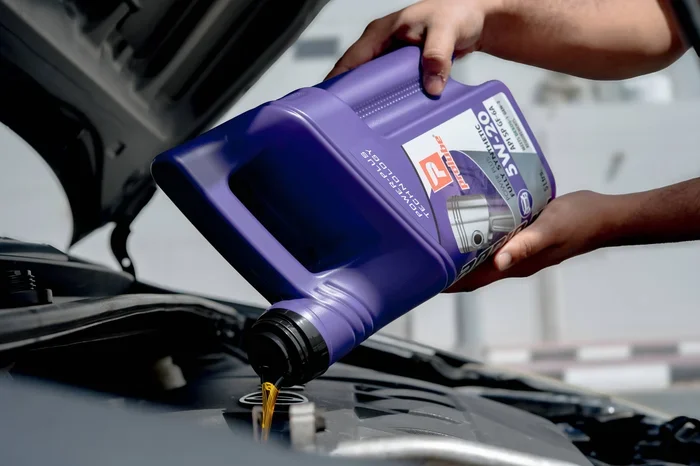
Step 3: Add Oil Gradually
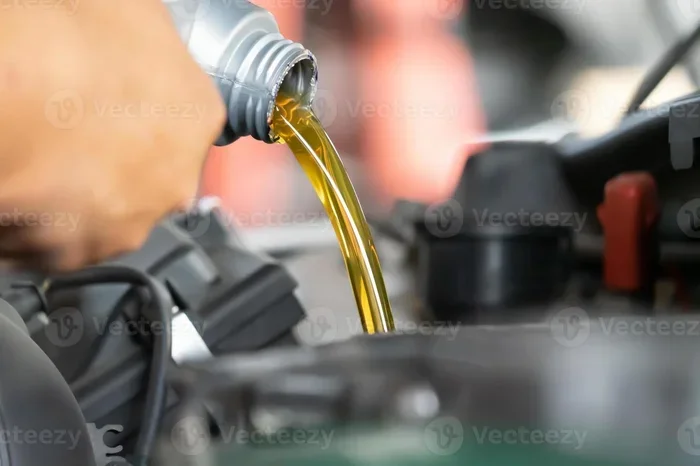
Use a funnel to pour oil into the fill hole. Add small amounts, about one-quarter of a quart at a time. Recheck the dipstick after each addition. This prevents overfilling and gives you control over the level.
Keep the oil container upright while pouring. This helps avoid spills and ensures a smooth flow. If you spill oil on the engine, wipe it up. Oil on hot engine parts can smoke or even cause a fire.
Step 4: Run the Engine and Recheck
After adding oil, start the engine and let it run for a few minutes. This lets the new oil circulate through the engine. Turn it off and wait a couple of minutes. Then recheck the dipstick. The level should be between the min and max marks.
While the engine is running, check for any leaks around the oil filter and drain plug. Also listen for unusual sounds. If the engine sounds different after adding oil, turn it off and investigate.
When You Actually Need a Full Oil Change
Adding oil is a temporary fix. A full oil change replaces all the old oil and the filter. Here is when you should go for a complete change instead of just topping off.
Your Oil Change Interval Is Up
Every vehicle has a recommended oil change interval. Most cars need an oil change every 5,000 to 7,500 miles with conventional oil. Synthetic oil can last 10,000 to 15,000 miles. Check your owner’s manual for the exact number.
If you are near or past your mileage interval, do not just add oil. You need a full change. Old oil loses its ability to protect the engine. The additives break down, and contaminants build up. Continuing to add oil without changing it can lead to sludge and engine damage.
The Oil Looks Dirty or Dark
Fresh oil is amber in color. As it ages, it turns dark brown or black. This is normal. But if the oil feels gritty or gritty on the dipstick, it is past its prime. Dirty oil does not lubricate well. It can increase friction and wear on engine parts.
Here is a quick comparison to help you decide:
| Condition | Top Off Only | Full Oil Change |
|---|---|---|
| Oil color is amber or light brown | Yes | Not needed |
| Oil is dark brown or black | Only if close to change | Yes |
| Oil feels gritty | No | Yes |
| Mileage is near change interval | Not recommended | Yes |
| Oil level is slightly low | Yes | Not needed |
| Oil smells burnt | No | Yes |
You Notice Low Oil Pressure Warnings
If your dashboard shows an oil pressure warning, do not just add oil. Low oil pressure can mean a serious problem. It could indicate a leak, a failing oil pump, or worn engine bearings. These issues need professional diagnosis. Topping off might temporarily silence the warning light, but it does not fix the root cause.
The Risks of Only Adding Oil Without Changing
While topping off is fine in the short term, there are real risks if you rely on it long-term.
Oil Dilution
Adding new oil to old oil dilutes the additive package. The concentration of detergents, dispersants, and anti-wear agents drops with each top-off. Over time, your oil becomes less effective at protecting the engine. This is especially true if you keep adding oil without ever changing it.
Sludge Buildup
Old oil breaks down and forms sludge. Sludge is a thick, dark substance that clogs oil passages. It restricts oil flow and can starve parts of lubrication. Sludge buildup is one of the leading causes of engine failure. Regular oil changes are the best way to prevent it.
Engine Wear and Damage
Contaminated oil contains metal particles, carbon deposits, and combustion byproducts. These particles act like abrasive grit inside your engine. Over months and years, they wear down bearings, cylinder walls, and other moving parts. The result is reduced engine life and expensive repairs.
Overheating Risks
Oil plays a key role in cooling your engine. It carries heat away from critical components. Old, degraded oil does not transfer heat as effectively. In extreme conditions, such as cold winter weather, this can cause additional stress on your engine. The oil thickens and loses its ability to flow properly.
Quick Tips for Topping Off Oil
- Always use the same oil brand and type if possible.
- Never mix different oil types (conventional and synthetic) without checking compatibility.
- Keep a spare quart of the correct oil in your trunk.
- Check your oil level at least once a month.
- Set a reminder for your next full oil change after topping off.
How to Know If Your Oil Needs Changing
Knowing when to change your oil is just as important as knowing how to add it. Here are the signs that tell you a full oil change is due.
The Oil Change Reminder Light Is On
Most modern vehicles have an oil change reminder system. When the light comes on, it is time to schedule an oil change. Do not ignore this warning. The system tracks your mileage and driving conditions to estimate when the oil is worn out.
The Oil Smells Burnt
Burned oil smells like a hot, acrid odor coming from the engine bay. This happens when oil breaks down from excessive heat. Burnt oil has lost most of its protective properties. It needs to be replaced immediately.
You Hear Engine Noise
Clean oil reduces friction between moving parts. When oil gets old, it loses its lubricating ability. You may hear knocking, ticking, or rumbling sounds from the engine. These noises mean metal parts are rubbing together without proper lubrication.
Exhaust Smoke Increases
Blue or gray exhaust smoke can indicate burning oil. This happens when old oil leaks into the combustion chamber. While some smoke is normal on cold starts, persistent smoke is a red flag. It often means the oil needs to be changed or there is a deeper issue.
The Oil Is Past Its Expiration Date
Oil does not last forever, even in the bottle. Check the expiration date on your oil container. Using expired oil can reduce engine protection. Always use fresh oil for both top-offs and full changes.
Expert Insights on Oil Maintenance
We spoke with experienced mechanics about common oil maintenance mistakes. Here is what they shared.
One of the biggest mistakes drivers make is ignoring the oil filter. When you do a full oil change, the filter gets replaced too. The filter catches dirt, metal particles, and debris. If you only add oil, the old filter stays in place. It becomes clogged over time and stops filtering effectively.
Another common error is mixing oil types without checking compatibility. Some drivers add synthetic oil to conventional oil without realizing the formulations differ. While mixing them in a pinch is usually not harmful, it is not ideal for long-term engine health. Always try to use the same type and brand.
Mechanics also warn against waiting too long between oil changes. Even if the oil level looks fine, the chemical composition degrades over time. The additives wear out, and the oil becomes less effective. Stick to your manufacturer’s recommended interval for the best results.
One mechanic shared a simple rule: “If you are unsure about your oil, change it. A new oil change costs a lot less than a new engine.” That advice is worth remembering.
How Oil Type Affects Your Decision
The type of oil you use affects how often you need to change it and whether a top-off is a good idea.
Conventional Oil
Conventional oil is the most basic type. It works well for standard driving conditions. Most vehicles using conventional oil need a change every 3,000 to 5,000 miles. If you drive short trips or in stop-and-go traffic, conventional oil breaks down faster. Top-off between changes is common with this oil type.
Synthetic Oil
Synthetic oil is engineered for high performance and longer life. It handles extreme temperatures better than conventional oil. Synthetic oil can last 7,500 to 15,000 miles between changes. Because it lasts longer, you are less likely to need a top-off before the next scheduled change.
High-Mileage Oil
If your vehicle has over 75,000 miles, consider high-mileage oil. It contains seal conditioners and extra detergents. These help reduce leaks and clean older engines. High-mileage oil is a great choice for vehicles that need extra care.
Synthetic Blend Oil
A synthetic blend combines conventional and synthetic oils. It offers better protection than conventional oil at a lower price than full synthetic. Many drivers choose this option for a balance of performance and cost.
Can I Add Oil Without Changing It: The Bottom Line
The answer to can I add oil without changing it depends on your situation. If your oil is still clean and you are within your change interval, a top-off is perfectly fine. It keeps your engine lubricated and protected between full changes.
However, adding oil should never become a permanent substitute for regular oil changes. Old oil loses its effectiveness. Contaminants build up. Additives break down. A full oil change removes all of this and starts fresh with clean oil and a new filter.
Keep a simple maintenance routine. Check your oil level monthly. Top off when needed using the correct oil type. And stick to your scheduled oil changes. This simple habit can extend your engine life by years and save you from costly repairs.
Whether you use conventional, synthetic, or a blend, the key is consistency. Take care of your engine, and it will take care of you. A few minutes spent checking your oil today can prevent a major engine failure tomorrow.
Frequently Asked Questions
Can I just add oil instead of changing it?
You can add oil between changes if the existing oil is still clean and within its service interval. However, adding oil does not remove contaminants or replace the oil filter. You still need a full oil change at the recommended interval to keep your engine healthy.
How much oil can I add without changing it?
Add only enough to bring the level to the full mark on the dipstick. Never overfill. Overfilling can cause foaming, increased pressure, and potential engine damage. Always add oil in small amounts and recheck the level after each addition.
What happens if you add oil but never change it?
If you keep adding oil without ever changing it, the old oil accumulates contaminants, sludge, and metal particles. The additive package degrades over time. This leads to reduced lubrication, increased engine wear, and eventually costly repairs or engine failure.
Can I add different brand oil without changing?
Yes, you can add a different brand if the viscosity and specifications match. For example, if your car uses 5W20, adding 5W20 from a different brand is fine. But try to use the same oil type (conventional, synthetic, or blend) for best results.
How do I know if I need a full oil change or just a top-off?
Check the oil color and consistency. If the oil is dark, gritty, or smells burnt, you need a full change. If the oil is still relatively clean and the level is just low, a top-off is sufficient. Also check your mileage against the recommended change interval.
Does adding oil reset the oil change light?
No. Adding oil does not reset the oil change reminder light. The light is based on mileage and driving conditions. You need to manually reset it after a full oil change. Refer to your owner’s manual for the reset procedure specific to your vehicle.
=== CONCLUSION ===
Can I add oil without changing it? Yes, you can. Topping off oil is a quick and easy way to keep your engine running between scheduled changes. Just remember that it is a temporary fix, not a permanent solution.
Use the right oil type, check your levels regularly, and never skip a full oil change when it is due. Your engine is the heart of your vehicle. Taking care of it with proper oil maintenance pays off in the long run with better performance, fuel efficiency, and reliability.
Start today. Check your oil level, keep the right supplies on hand, and follow your maintenance schedule. Your future self and your engine will thank you.