How Often Should Leather Car Seats Be Conditioned
How often should leather car seats be conditioned? The general recommendation is every three to six months, but your climate, usage, and leather type can change that timeline. Leather conditioning keeps your seats supple, prevents cracking, and protects against UV damage. Regular leather care also maintains that premium look and feel for years. Following a consistent conditioning schedule is the best way to protect your investment and avoid costly repairs.
Leather car seats look amazing. They give your vehicle a premium feel that fabric simply cannot match. But leather is a natural material, and it needs proper care to stay in top shape. One of the most important parts of leather care is conditioning. If you skip this step, your seats can dry out, crack, and lose their luxurious appearance.
How often should leather car seats be conditioned? The short answer is every three to six months. But the full answer depends on several factors. Your climate, how often you drive, and the type of leather all play a role. In this article, we will walk you through everything you need to know about leather conditioning frequency. You will learn when to condition, why it matters, and how to do it right.
Taking care of your leather seats does not have to be complicated. With a simple routine, you can keep them looking great for years. Let us dive into the details and help you build a conditioning schedule that works for your vehicle and lifestyle.
Key Takeaways
- Condition every 3 to 6 months: This is the standard recommendation for most vehicles.
- Climate matters a lot: Hot, dry, or cold climates may require more frequent conditioning.
- Watch for warning signs: Dryness, cracking, and fading all signal the need for conditioning.
- Use the right products: Not all conditioners are created equal for automotive leather.
- Clean before conditioning: Always apply conditioner to clean leather for best absorption.
- Avoid over-conditioning: Too much product can clog leather pores and cause buildup.
📑 Table of Contents
- Why Leather Car Seats Need Regular Conditioning
- How Often Should You Condition Leather Car Seats
- Signs Your Leather Seats Need Conditioning
- Best Practices for Conditioning Leather Seats
- Common Mistakes People Make
- Choosing the Right Leather Conditioner
- How to Build a Long-Term Leather Seat Care Routine
- Conclusion
Why Leather Car Seats Need Regular Conditioning
What Conditioning Actually Does
Leather conditioner replenishes the natural oils in leather. Over time, these oils evaporate or get stripped away. When that happens, the leather starts to lose its flexibility. Conditioning restores moisture and keeps the material soft and supple.
Think of it like moisturizing your skin. Your hands get dry and cracked in winter without lotion. Leather works the same way. It needs external moisture to stay healthy. A good leather conditioner acts as a protective barrier too. It shields the surface from UV rays, spills, and everyday wear and tear.
The Science Behind Leather Drying Out
Automotive leather is treated during manufacturing. Manufacturers apply dyes and protective coatings. But these treatments wear off over time. Sunlight, heat, and dry air all accelerate this process. Once the protective layer fades, the leather becomes vulnerable.
When leather drying happens, the fibers start to stiffen. They lose their ability to bend and stretch. This leads to cracks and splits. These damages are not just cosmetic. They can compromise the structural integrity of your seats. Regular leather maintenance prevents this chain of events.
How Often Should You Condition Leather Car Seats
The Standard Conditioning Schedule
The most common recommendation is to condition every three to six months. This works well for most drivers in moderate climates. If you park indoors and drive occasionally, six months may be fine. If you use your car daily, aim for every three to four months.
The key is to establish a routine. Set a reminder on your phone. Tie it to a seasonal change. Many car owners condition their seats when the weather shifts. This is a smart approach because seasonal changes stress the leather the most.
Factors That Change Your Conditioning Frequency
Several factors can shorten or extend the time between conditioning sessions. Let us break them down:
- Climate and weather: Hot, dry climates pull moisture from leather faster. If you live in a desert or sunny region, condition more often. Cold, dry winters also dehydrate leather. Humid climates are gentler on leather but still require regular care.
- Parking location: Cars parked outdoors face more UV exposure and temperature swings. This dries out leather quickly. Indoor parking slows the drying process significantly.
- Usage frequency: Daily drivers need more frequent conditioning. The constant flexing of the leather wears away oils faster. Weekend-only cars can go longer between sessions.
- Leather type: Full-grain leather is more durable but still needs care. Leather seats with perforations may dry out faster in the perforated areas. Synthetic leather blends have different needs than genuine leather.
- Previous conditioning: If you have never conditioned your seats, they may need more frequent applications initially. This helps build up a protective layer.
Seasonal Conditioning Schedule
Many experts recommend a seasonal approach. Condition at the start of spring and fall. This aligns with the biggest environmental shifts. You can also add a mid-summer session if you live in a very hot area. A mid-winter conditioning helps too if you experience dry, cold months.
Here is a simple seasonal conditioning schedule you can follow:
- Spring: Condition after winter to restore moisture lost to cold air and heater use.
- Summer: Apply conditioner before peak heat to protect against UV and drying.
- Fall: Reapply as temperatures drop and air becomes drier.
- Winter: A light conditioning in late winter helps combat dry indoor heating.
Signs Your Leather Seats Need Conditioning
Visual Cues to Watch For
Your seats will tell you when they need attention. Look for these visual signs:
- Fading color: If the rich color looks dull or faded, the leather is losing its moisture. UV exposure accelerates this.
- Lightened patches: Dry spots often appear lighter than the rest of the seat. These areas need immediate attention.
- Fine lines: Tiny surface cracks look like spider webs. This is an early sign of dehydration.
- Dull appearance: Healthy leather has a natural shine. When it looks flat and lifeless, it needs conditioning.
Touch and Feel Indicators
Run your hand across the seat. Your fingers can detect problems before your eyes do. Feel for:
- Rough texture: Smooth leather should feel soft. If it feels gritty or rough, the oils have diminished.
- Stiffness: Seats that feel tight or rigid are losing flexibility. This happens when leather dries out.
- Tight seams: The stitching may pull or feel rigid. This is a sign the leather around the seams is dehydrated.
- Discomfort: If sitting on the seats feels less comfortable than before, the leather may be drying out.
Catching these signs early makes a huge difference. Early leather conditioning prevents minor issues from becoming expensive repairs.
Best Practices for Conditioning Leather Seats
Step-by-Step Conditioning Process
Follow these steps for the best results every time:
- Clean the seats first: Use a gentle leather cleaner to remove dirt and grime. Wipe down with a microfiber cloth. Let the seats dry completely before moving to the next step.
- Test the conditioner: Apply a small amount to a hidden area. Wait 10 minutes and check for any discoloration or adverse reaction.
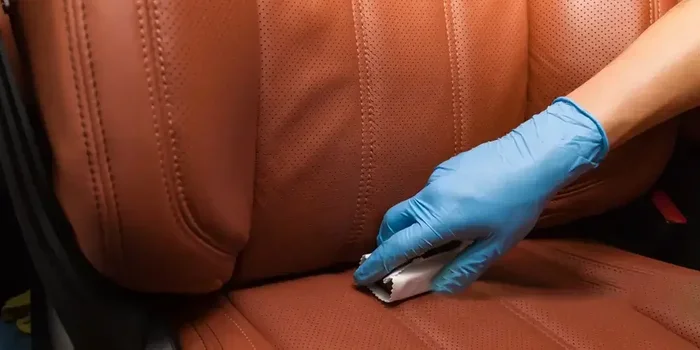
- Apply conditioner evenly: Use a foam applicator or a soft cloth. Work the product into the leather in circular motions. Cover the entire seat surface.
- Let it absorb: Allow the conditioner to soak in for 10 to 15 minutes. Do not rush this step. The leather needs time to absorb the moisture.
- Buff off excess: Use a clean, dry cloth to remove any leftover product. This prevents greasy buildup on the surface.
- Let it cure: Keep the car parked for at least an hour. Avoid sitting on the seats or closing the doors immediately.
How to Apply Leather Conditioner Properly
The way you apply conditioner matters just as much as the product you choose. Use gentle, circular motions. Do not scrub too hard. Let the leather absorb the product naturally. Focus on high-wear areas like the driver seat and center console.
Apply thin, even layers. Thick layers do not absorb properly. They just sit on top and create a sticky residue. Less is more when it comes to leather conditioning. You can always apply another coat if needed.
Quick Tips for Better Results
- Condition in the shade: Never apply conditioner in direct sunlight. The heat causes the product to dry too fast and not absorb properly.
- Use a microfiber cloth: These cloths are gentle and do not scratch the leather surface.
- Condition in sections: Work on one seat at a time for thorough coverage.
- Wear gloves: This keeps the conditioner off your hands and gives you better control.
- Be consistent: Sticking to a schedule matters more than using expensive products. Consistency wins.
Common Mistakes People Make
Over-Conditioning Problems
More is not always better. Over-conditioning can cause just as many problems as under-conditioning. When you apply too much product, it builds up on the surface. This creates a greasy film that attracts dirt and dust.
Excess conditioner can also clog the leather pores. This prevents the leather from breathing naturally. Over time, the buildup can make the seats feel slippery and uncomfortable. Stick to the recommended amount and frequency. If you are unsure, it is better to apply less.
Using the Wrong Products
Not every conditioner works for every leather. Some products are too heavy for automotive leather. Others contain chemicals that can damage the dye. Avoid products with petroleum-based ingredients. These can break down the leather over time.
Stay away from household products like coconut oil or furniture polish. They are not formulated for automotive use. They can cause uneven absorption and long-term damage. Always choose a conditioner specifically designed for automotive leather.
Skipping the Cleaning Step
Applying conditioner to dirty leather is a common mistake. Dirt and grime create a barrier that blocks absorption. The conditioner sits on top of the dirt instead of soaking into the leather. Always clean first. A quick wipe-down takes just a few minutes but makes a big difference.
Choosing the Right Leather Conditioner
What to Look For in a Conditioner
Not all leather conditioners are created equal. When shopping for a leather conditioner, look for these qualities:
- UV protection: The conditioner should offer sun protection. UV rays are the number one enemy of leather seats.
- Water resistance: A good conditioner helps repel water and stains. This makes cleaning easier and protects the leather.
- Non-greasy formula: You want something that absorbs well and does not leave a slippery residue.
- pH balanced: Automotive leather requires a specific pH level. Conditioners formulated for car seats match this requirement.
- Filling agents: Some conditioners contain ingredients that fill in fine cracks. This helps restore a smooth surface.
DIY vs Store-Bought Conditioners
Some car owners prefer homemade solutions. Coconut oil and beeswax mixtures are popular DIY options. These can work for minor conditioning needs. However, they lack UV protection and long-lasting durability.
Store-bought conditioners are formulated for automotive use. They offer better protection and more consistent results. Premium brands often include added benefits like anti-fungal properties and deep penetration. For the best leather seat longevity, a quality store-bought conditioner is the safer choice.
If you do go the DIY route, use sparingly. Test on a small area first. And remember that DIY solutions may need more frequent application than commercial products.
Comparison: DIY vs Commercial Leather Conditioners
| Feature | DIY Conditioners | Commercial Conditioners |
|---|---|---|
| UV Protection | Minimal to none | Built-in UV filters |
| Water Resistance | Low | High |
| Longevity | Short-term | Long-lasting |
| Pore Clogging Risk | Higher | Lower (formulated) |
| Cost | Low | Moderate to high |
| Ease of Use | Variable | Consistent |
| Best For | Emergency or minor touch-ups | Regular maintenance and protection |
How to Build a Long-Term Leather Seat Care Routine
Conditioning is just one part of leather care. A complete routine includes cleaning, conditioning, and protecting. Here is how to build a routine that keeps your seats looking premium:
- Weekly: Wipe down seats with a damp cloth. Remove dust and loose dirt. This prevents buildup that can damage the leather over time.
- Monthly: Clean the seats with a dedicated leather cleaner. Pay extra attention to high-contact areas like the driver seat and center console.
- Every 3 to 6 months: Apply a quality leather conditioner following the steps outlined above.
- Annually: Consider a deep conditioning treatment or a professional leather detailing session. This refreshes the leather and addresses any accumulated damage.
Sticking to this routine takes minimal effort. But the payoff is significant. Well-maintained leather seats look better, feel better, and last much longer. Your leather seat longevity depends on the care you provide today.
Remember, prevention is always easier than repair. Small, consistent efforts save you from costly leather restoration later. A few minutes of leather conditioning every few months keeps your seats looking factory-fresh for the life of the vehicle.
Your leather car seats are a significant investment. They add value to your vehicle and enhance your driving experience. Treating them with regular leather conditioning is one of the simplest and most effective ways to protect that investment. Start building your conditioning schedule today, and your seats will thank you for years to come.
Conclusion
So, how often should leather car seats be conditioned? The answer is every three to six months, adjusted for your climate, usage, and leather type. Leather conditioning is not a luxury. It is a necessity for anyone who wants to preserve the look and feel of their seats.
Regular leather care prevents cracking, fading, and drying. It keeps your seats soft, supple, and comfortable. A simple routine of cleaning and conditioning goes a long way. The effort you put in today saves you time and money tomorrow.
Do not wait until you see cracks or feel stiffness. Start conditioning on a regular schedule. Your leather seats will stay looking great and last for many years. Take action now and give your car the care it deserves.
Frequently Asked Questions
Can I condition leather car seats too often?
Yes, over-conditioning is possible. Applying too much conditioner too frequently can lead to product buildup on the surface. This buildup attracts dirt and can clog the leather pores. Stick to the recommended frequency of every three to six months for best results.
What happens if I never condition my leather car seats?
Without conditioning, leather loses its natural oils over time. This leads to dryness, stiffness, and eventually cracking. UV exposure and daily wear accelerate this process. Unconditioned leather seats can become uncomfortable and lose their premium appearance within a few years.
Is it okay to use household products like coconut oil on leather seats?
It is not recommended. Household products are not formulated for automotive leather. They can cause uneven absorption, greasy buildup, and long-term damage. Always use a conditioner specifically designed for car leather to ensure proper protection and care.
How long does it take for leather conditioner to absorb?
Most leather conditioners need 10 to 15 minutes to absorb properly. The exact time depends on the product and the condition of the leather. After applying, let the conditioner sit undisturbed. Then buff off any excess with a clean, dry cloth.
Should I condition leather seats before or after cleaning them?
Always clean first, then condition. Dirt and grime create a barrier that prevents the conditioner from absorbing properly. A quick wipe-down with a leather cleaner removes debris and prepares the surface. This ensures the conditioner penetrates deeply and works effectively.
Can conditioning leather seats help with resale value?
Absolutely. Well-maintained leather seats significantly boost a vehicle’s resale value. Buyers look for cars with clean, supple leather. Regular conditioning keeps the seats looking newer for longer. It is one of the easiest ways to protect your investment and make a strong impression when selling.