Is a Cargo Net Necessary for Safe and Easy Hauling
A cargo net is a simple yet powerful tool that keeps your load secure during transport. Whether you haul gear for work or pack for a weekend adventure, cargo net use can make a huge difference in safety and convenience. Safe hauling starts with proper load securing, and a cargo net is one of the easiest ways to achieve it.
A cargo net is one of the simplest yet most effective tools you can add to your vehicle for safe hauling. Whether you are a weekend warrior loading up for a camping trip or a tradesperson hauling tools to a job site, keeping your gear secure matters a lot. Load securing is not just about convenience. It is about safety on the road for you and everyone else.
Many drivers wonder if a cargo net is really necessary. The short answer is yes. Loose items in a truck bed or on a roof rack can shift during turns, sudden stops, or rough terrain. A cargo net holds everything in place and gives you peace of mind. In this article, we will cover everything you need to know about cargo nets, from benefits to types to common mistakes.
By the end, you will understand why a cargo net deserves a spot in your hauling gear collection. You will also learn how to pick the right one and use it correctly. Let us dive in.
Key Takeaways
- A cargo net is essential for safe and secure hauling. It keeps your load stable and prevents dangerous cargo spills on the road.
- Different types of cargo nets serve different needs. From bungee-style to heavy-duty webbing, there is a cargo net for every hauling situation.
- Combining a cargo net with tie down straps offers the best load stabilization. Each method has strengths, and together they provide comprehensive cargo retention.
- Always check the weight rating and inspect your cargo net before use. Overloading or using a damaged net creates serious safety risks.
- Proper installation and regular maintenance extend the life of your cargo net. Take the time to attach it correctly and care for it after each use.
- A cargo net is a simple, affordable addition to your hauling gear. The safety and convenience benefits far outweigh the small cost.
📑 Table of Contents
- What Is a Cargo Net and Why Do People Use One?
- Benefits of Using a Cargo Net for Safe Hauling
- When Is a Cargo Net Necessary?
- Types of Cargo Nets Available
- Cargo Net vs. Other Securing Methods
- How to Choose the Right Cargo Net and Avoid Common Mistakes
- Expert Tips for Safe and Easy Hauling
- Key Takeaways
- FAQs
- Conclusion
What Is a Cargo Net and Why Do People Use One?
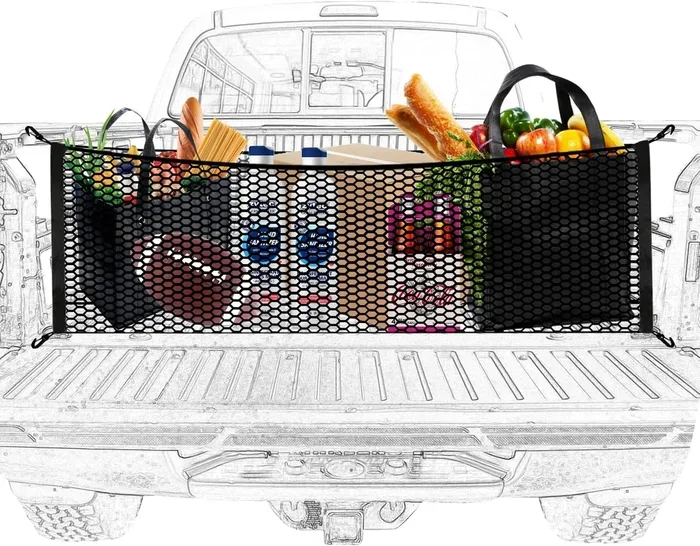
A cargo net is a flexible mesh or webbing cover that attaches to your vehicle’s cargo area. It stretches over your load to keep items from shifting or falling off. Truck bed nets are the most common type, but you will also find cargo nets for roof racks, trailers, and SUVs.
The Basic Purpose of a Cargo Net
The main job of a cargo net is load stabilization. When you drive, your vehicle experiences constant movement. Braking, turning, and hitting bumps all create force on your cargo. Without proper cargo retention, items can slide, bounce, or fly out. A cargo net acts as a flexible barrier that absorbs and distributes these forces evenly.
Think of it like a safety blanket for your stuff. It is simple, lightweight, and incredibly effective. Cargo management does not need to be complicated. Sometimes the best solutions are the most straightforward ones.
Common Vehicles That Use Cargo Nets
You will see cargo nets on all kinds of vehicles. Pickup trucks are the biggest users. Their open truck beds are perfect for cargo nets because there is no enclosure to hold items in place. SUVs and vans also benefit from cargo nets, especially when the rear seats are folded down.
Roof racks are another popular spot for cargo nets. If you carry gear on top of your car, a cargo net keeps bags, boxes, and equipment from sliding off during highway driving. Even trailers use specialized cargo nets for load securing during transport.
Benefits of Using a Cargo Net for Safe Hauling
Using a cargo net offers many advantages beyond just keeping your stuff from falling out. Let us look at the key benefits that make a cargo net a must-have for anyone who hauls regularly.
Improved Load Security
The number one reason people use a cargo net is load security. A cargo net creates a flexible boundary around your cargo. This boundary prevents items from sliding forward when you brake or sideways when you turn. Safe hauling depends on keeping your load stable at all times.
Without a cargo net, even small items like tools or groceries can become dangerous projectiles in a sudden stop. A cargo net keeps everything contained and reduces the risk of cargo falling onto the road. This protects other drivers and prevents accidents.
Protection from Weather and Debris
A cargo net also shields your items from the elements. Rain, dust, and wind can damage cargo that is left exposed. A truck bed net or load cover made from durable mesh helps block moisture and debris. This is especially helpful when you are hauling furniture, electronics, or other items that do not handle water well.
While a cargo net is not a replacement for a waterproof truck bed cover, it does add a layer of protection. It keeps smaller items from being blown away and prevents dirt from settling on your cargo. Think of it as an extra shield for your belongings.
Easier Loading and Unloading
Another great benefit of a cargo net is convenience. When your items are secured, you do not have to worry about rearranging them every time you open the tailgate. A cargo net holds everything in place, so loading and unloading becomes faster and easier.
Many cargo nets are designed with quick-release mechanisms. You can stretch the net over your load in seconds and remove it just as fast. This makes hauling gear management a breeze, whether you are loading once or making multiple trips.
When Is a Cargo Net Necessary?
Not every trip requires a cargo net. But there are many situations where using one is not just helpful. It is essential. Let us explore when a cargo net becomes necessary for your safe hauling setup.
Hauling Loose Items
If you are carrying loose items like lumber, gravel, or yard debris, a cargo net is a must. These materials shift easily and can spill out of an open truck bed. A cargo net for truck beds keeps loose cargo contained and prevents it from becoming a road hazard.
Even smaller loose items like sports equipment, grocery bags, or camping gear benefit from cargo net use. A cargo net keeps everything in one place so you do not lose anything during your drive. A truck bed organizer paired with a cargo net is the ideal setup for any hauling task.
Off-Road and Rough Terrain Driving
Off-roading puts extra stress on your cargo. Rocks, bumps, and sharp turns can cause unsecured items to fly around. If you hit a rough patch of trail, a cargo net keeps your gear from becoming airborne. Load stabilization is critical when the terrain is unpredictable.
Many off-road enthusiasts rely on cargo nets as part of their standard towing safety and cargo management setup. A cargo net is lightweight and easy to pack, making it perfect for adventure trips where every pound counts. Pair it with a bed liner to protect your truck bed from scratches during rough trails.
Long-Distance Hauling
Long drives amplify the need for a cargo net. The longer you drive, the more chances you have for sudden stops, lane changes, and speed variations. A cargo net ensures your load stays secure through hours of highway driving.
Commercial drivers and moving companies know this well. They use cargo retention systems like cargo nets and tie down straps to keep loads stable over thousands of miles. You should follow the same practice for your personal trips. A cargo net is a small investment that pays off in safety and peace of mind over long distances.
Types of Cargo Nets Available
Not all cargo nets are the same. Different types serve different purposes and work best with specific vehicles and loads. Here is a look at the most popular options on the market.
Elastic Bungee-Style Nets
Bungee-style cargo nets are the most common type you will find. They use elastic cords that stretch to fit over your cargo. These cargo nets are lightweight, affordable, and easy to install. They work well for lighter loads like luggage, blankets, and soft goods.
However, bungee cargo nets can stretch too much under heavy loads. They may not provide enough tension for heavy or sharp-edged items. They are best suited for light-duty hauling gear and everyday use. If you only need occasional light coverage, a bungee cargo net is a solid choice.
Rope Mesh Cargo Nets
Rope mesh cargo nets use a woven rope grid instead of elastic cords. They offer more durability and a tighter hold on your cargo. These cargo nets are great for medium-weight loads and work well as a truck bed net for general-purpose hauling.
Rope mesh is also more resistant to UV damage and weather exposure than elastic bungee cords. If you spend a lot of time outdoors, a rope mesh cargo net is a smart choice for long-lasting cargo retention. They are a step up from basic bungee nets without the higher cost of heavy-duty options.
Heavy-Duty Webbing Nets
For serious hauling, heavy-duty webbing cargo nets are the way to go. They use thick nylon or polyester webbing stitched into a strong grid pattern. These cargo nets can handle heavy loads, sharp edges, and extreme conditions. Construction crews, landscapers, and overland travelers often prefer webbing cargo nets.
Heavy-duty cargo nets typically come with reinforced attachment points and hooks. They pair well with tie down straps and cargo barriers for maximum load stabilization. If you haul heavy or valuable items regularly, this is the type of cargo net you want. Look for ones with a high weight rating and UV-resistant coating.
Custom-Fit Truck Bed Nets
Custom-fit cargo nets are designed to match the exact dimensions of your truck bed. They attach directly to the bed rails and stake pockets for a snug, secure fit. These cargo nets eliminate excess slack and provide the best cargo retention for your specific vehicle.
Many truck accessory brands offer custom-fit cargo nets as part of a complete cargo management system. They are more expensive than universal nets, but the perfect fit and ease of use make them worth it for frequent haulers. If you use your truck bed regularly, a custom-fit cargo net is a worthwhile upgrade.
Cargo Net vs. Other Securing Methods
A cargo net is just one option for load securing. Let us compare it with other common methods so you can decide what works best for your needs.
Cargo Net vs. Tie Down Straps
Tie down straps provide direct, point-to-point tension on your cargo. They are excellent for heavy or rigid items like furniture, appliances, and equipment. A cargo net, on the other hand, provides broad coverage over the entire load. Each method has its strengths.
In many cases, the best approach is to use both. A cargo net keeps smaller items contained while tie down straps anchor heavier pieces in place. Together, they create a comprehensive load stabilization system that covers all your bases. This layered approach is what professionals rely on for safe hauling.
Cargo Net vs. Bungee Cords
Bungee cords and cargo nets might seem similar, but they serve different purposes. A single bungee cord secures one point. A cargo net secures the entire load. Bungee cords work for quick, light tasks, but they can snap under tension or degrade in the sun.
A cargo net distributes force across multiple anchor points. This makes it safer and more reliable for safe hauling. If you regularly transport loose or multiple items, a cargo net is far superior to relying on a few bungee cords. Think of bungee cords as a quick fix and a cargo net as a proper solution.
Cargo Net vs. Truck Bed Cover
A truck bed cover and a cargo net are not competing products. They serve different primary functions. A truck bed cover protects cargo from weather and theft. A cargo net keeps cargo from shifting or falling out. Many truck owners use both for complete cargo management.
If you can only choose one, consider your main need. If weather protection matters most, go with a truck bed cover. If load securing and preventing spills is your priority, a cargo net is the better choice. For the best results, invest in both and enjoy full protection and security.
How to Choose the Right Cargo Net and Avoid Common Mistakes
Selecting the right cargo net and using it correctly makes all the difference. Let us walk through the key factors and common pitfalls so you can get the most out of your cargo net.
Consider Your Vehicle Type
Not every cargo net fits every vehicle. Pickup trucks, SUVs, and vans all have different cargo areas and attachment points. Measure your truck bed or cargo space before buying a cargo net. Check for compatible anchor points like bed rails, stake pockets, or roof rack crossbars.
For roof rack use, look for cargo nets designed specifically for rooftop cargo. These nets are shaped to fit over roof cargo bags and boxes while staying secure at highway speeds. Using the wrong type of cargo net for your vehicle can lead to poor fit and reduced safety. Always double-check compatibility before purchasing.
Check the Weight Rating
Every cargo net has a weight rating. This tells you the maximum load it can safely hold. Exceeding the weight limit can cause the net to tear or detach. Always check the rating before purchasing a cargo net and compare it to the weight of your typical cargo.
For heavy-duty hauling, choose a cargo net with a high weight capacity and reinforced stitching. Light-duty nets are fine for everyday items, but they will not hold up under serious loads. Matching your cargo net to your hauling needs is a simple step that prevents accidents and wasted money.
Look for Quality Materials
The material of your cargo net affects its durability and performance. Nylon and polyester are the most common materials. They are strong, weather-resistant, and long-lasting. Look for cargo nets with UV-resistant coatings if you store them outside.
Reinforced edges and double-stitched seams are signs of a quality cargo net. Cheap materials may save you money upfront but will wear out quickly. Investing in a well-made cargo net pays off in reliability and safety over time. Check the cargo strap quality too, as weak straps are a common failure point.
Common Mistakes to Avoid
Even the best cargo net will not work if you use it incorrectly. Here are the most common mistakes drivers make with cargo nets and how to avoid them.
Overloading the net. Every cargo net has a limit. Stuffing it beyond capacity stretches the material and weakens the attachment points. Respect the weight rating and distribute your load evenly across the net. Overloading is the fastest way to fail when you need your cargo net the most.
Using damaged or worn nets. A torn or frayed cargo net is a safety hazard. Inspect your cargo net before every use. Look for holes, stretched cords, and worn seams. Replace a damaged cargo net immediately. Do not risk your load or your safety on a compromised net.
Skipping regular inspections. Cargo nets take a beating from sun, rain, and friction. Over time, materials degrade even without visible damage. Make it a habit to inspect your cargo net regularly and replace it when needed. This simple practice keeps your load securing system reliable and your safe hauling habits consistent.
Improper installation. A cargo net is only as good as its attachment. Make sure all hooks, clips, and ties are secured tightly. A loose cargo net can flap in the wind or shift during driving, reducing its effectiveness. Take the extra minute to double-check your installation every time. Proper cargo strap attachment and tie down strap integration make a big difference.
Expert Tips for Safe and Easy Hauling
Using a cargo net is just one part of a complete safe hauling strategy. Here are some expert tips to get the most out of your cargo net and keep your loads secure on every trip.
Proper Installation Matters
Always attach your cargo net to solid anchor points on your vehicle. Bed rails, stake pockets, and roof rack crossbars are designed to handle tension. Avoid tying the net to weak points like plastic trim or aftermarket accessories that may not be rated for cargo loads.
When installing a cargo net on your truck bed, pull it taut but not overly tight. The net should have slight flexibility to absorb road vibrations without tearing. A properly installed cargo net stays in place and performs reliably mile after mile. Take a few extra seconds to verify each attachment point before you start driving.
Combine Nets with Other Gear
A cargo net works best when combined with other hauling gear. Pair it with tie down straps for heavy items. Use a bed liner to protect your truck bed from scratches and dents. Add a cargo barrier in SUVs and vans to separate passenger and cargo areas.
For roof cargo, combine a cargo net with a roof cargo bag or roof cargo box. The bag or box holds your items, and the cargo net keeps them from shifting. This layered approach to load stabilization is what professionals use for maximum safety. Your truck accessories should work together as a system, not as separate add-ons.
Regular Maintenance Keeps You Safe
Treat your cargo net like any other safety equipment. Clean it after use to remove dirt and debris. Store it in a cool, dry place away from direct sunlight. Check the attachment hardware for rust or wear. A well-maintained cargo net performs better and lasts longer.
Also, stay updated on towing safety regulations in your area. Some regions have specific rules about load securing and cargo retention. Knowing the rules helps you stay compliant and avoid fines while keeping your safe hauling practices top-notch. A little maintenance goes a long way toward preventing costly problems.
Key Takeaways
- A cargo net is essential for safe and secure hauling. It keeps your load stable and prevents dangerous cargo spills on the road.
- Different types of cargo nets serve different needs. From bungee-style to heavy-duty webbing, there is a cargo net for every hauling situation.
- Combining a cargo net with tie down straps offers the best load stabilization. Each method has strengths, and together they provide comprehensive cargo retention.
- Always check the weight rating and inspect your cargo net before use. Overloading or using a damaged net creates serious safety risks.
- Proper installation and regular maintenance extend the life of your cargo net. Take the time to attach it correctly and care for it after each use.
- A cargo net is a simple, affordable addition to your hauling gear. The safety and convenience benefits far outweigh the small cost.
FAQs
Do I really need a cargo net if I already have tie down straps?
Tie down straps are great for anchoring heavy items, but they do not cover your entire load. A cargo net fills the gaps by keeping smaller items contained and preventing them from shifting. Using both together gives you the most secure setup for safe hauling and complete load stabilization.
Can I use a cargo net on a roof rack?
Yes, cargo nets work well on roof racks to keep bags, boxes, and gear from sliding off. Look for cargo nets specifically designed for rooftop use. They are shaped to fit over roof cargo bags and attach securely to crossbars for reliable load stabilization at highway speeds.
How do I clean and store my cargo net?
Wipe your cargo net down with a damp cloth after each use. Let it air dry completely before storing it. Keep it in a cool, dry place away from direct sunlight. Proper storage prevents material degradation and extends the life of your cargo net significantly.
What is the difference between a cargo net and a truck bed cover?
A cargo net focuses on load securing and preventing items from shifting or falling. A truck bed cover focuses on weather protection and theft prevention. They serve different primary purposes, and many truck owners use both for complete cargo management and full protection.
Are cargo nets one-size-fits-all?
Many cargo nets are universal and adjustable, but custom-fit cargo nets provide the best performance for specific vehicles. Universal nets work well for most situations, but if you want a perfect fit and maximum cargo retention, a custom-fit option is worth considering for your truck bed organizer setup.
Can a cargo net be used for off-roading?
Absolutely. Off-roading creates rough conditions that can cause cargo to shift or fly around. A durable cargo net keeps your gear secure during bumpy terrain. Pair it with tie down straps and a bed liner for the best load stabilization when tackling trails and rugged terrain for your next adventure.
Conclusion
The answer to whether a cargo net is necessary is a clear yes. A cargo net is a simple, affordable, and incredibly effective tool for safe hauling. It keeps your cargo secure, protects your items from the elements, and gives you confidence every time you hit the road.
Whether you are hauling gear for work, packing for a weekend trip, or hauling supplies for a project, a cargo net should be part of your standard hauling gear. Combined with tie down straps and other cargo management tools, a cargo net creates a reliable load stabilization system that works every time.
Do not wait until something falls off your truck bed or shifts dangerously while driving. Invest in a quality cargo net today. Your safety, your cargo, and everyone else on the road will thank you. Safe hauling starts with the right equipment, and a cargo net is the easiest first step you can take.