Can a Bad Starter Drain a Battery and Leave You Stranded
Yes, a bad starter can absolutely drain your car battery and leave you stranded with a vehicle that won’t turn over. A failing starter motor creates parasitic electrical draw, causes repeated cranking attempts, and stresses your entire electrical system. This guide covers everything you need to know about diagnosing, preventing, and fixing starter-related battery drain.
Key Takeaways
- A faulty starter motor can slowly drain your battery even when the engine is off, due to internal electrical leakage and repeated cranking attempts.
- Common signs of a bad starter include clicking sounds, slow cranking, intermittent starting failures, and dimming headlights.
- Parasitic draw from a stuck starter can kill a healthy battery within hours or days if left unchecked.
- You can test for starter-related battery drain using a multimeter, load tester, and simple visual inspections at home.
- Replacing a worn starter typically costs between $200 and $600, depending on your vehicle make and model.
- Regular maintenance of battery terminals, ground connections, and the ignition system helps prevent starter-related battery problems.
- If your car won’t start, jump starting may work temporarily but won’t fix the underlying starter issue.
📑 Table of Contents
- Can a Bad Starter Drain a Battery and Leave You Stranded?
- How Does a Starter Motor Work?
- How a Bad Starter Drains Your Battery
- Warning Signs Your Starter Is Draining Your Battery
- How to Test for Starter-Related Battery Drain
- How to Prevent Starter-Related Battery Drain
- When to Replace Your Starter vs. Your Battery
- What to Do If You’re Stranded with a Dead Battery
- Cost of Fixing a Bad Starter and Dead Battery
- Common Mistakes That Make Starter Problems Worse
- Expert Insights: What Mechanics Wish You Knew
- Key Takeaways
- Conclusion
Can a Bad Starter Drain a Battery and Leave You Stranded?
You turn the key. Nothing happens. You turn it again. Still nothing. You might have a bad starter draining your battery, and that’s a problem that can leave you standing in your driveway on a Monday morning wondering what went wrong.
The short answer is yes. A faulty starter motor can absolutely drain your car battery, and it happens more often than most drivers realize. Whether the starter is stuck, has worn brushes, or suffers from a bad solenoid, the result is the same: your battery loses power, and your car refuses to start. Understanding how this happens can save you time, money, and a lot of frustration.
In this article, we’ll break down exactly how a bad starter kills a battery, what warning signs to look for, and what you can do about it. We’ll also cover practical tips to prevent this problem from happening again and help you decide when it’s time to call a mechanic.
How Does a Starter Motor Work?
Before we dive into the drain problem, let’s understand what the starter actually does. When you turn your ignition key or press the start button, the starter motor engages with the engine’s flywheel. This small but powerful electric motor spins the engine until it can fire on its own.
The process works like this:
- You turn the key or push the start button.
- Electrical current flows from the battery to the starter solenoid.
- The solenoid pushes the starter gear into contact with the flywheel.
- The starter motor spins and cranks the engine.
- Once the engine starts, the starter gear disengages automatically.
Everything depends on a clean electrical connection and a healthy battery. When the starter malfunctions, that whole chain breaks down. Sometimes the gear sticks. Sometimes the motor draws power without spinning. Either way, your battery pays the price.
What Makes a Starter Go Bad?
Starters don’t last forever. Over time, internal components wear out. The brushes that conduct electricity wear thin. The solenoid develops sticking points. The bearings wear down. Here are the most common causes of starter failure:
- Worn brushes – The carbon brushes that transfer electricity to the motor armature wear down over time. When they get too thin, the starter struggles to engage or draws excess current.
- Bad solenoid – The solenoid is the electromagnetic switch that activates the starter. A failing solenoid can stick in the “on” position, causing continuous power draw.
- Corroded connections – Corrosion on the starter terminals or ground cables creates resistance, forcing the starter to pull more amperage from the battery.
- Oil or fluid leaks – Engine oil or coolant leaking onto the starter causes internal damage and short circuits.
- Extreme temperatures – Both extreme heat and cold accelerate wear on starter components.
Any of these issues can cause your starter to behave erratically, drawing power when it shouldn’t and draining your battery in the process.
How a Bad Starter Drains Your Battery
Now let’s get to the heart of the matter. How exactly does a failing starter motor drain your battery? There are several mechanisms at play, and they often work together.
Parasitic Electrical Draw
A parasitic draw happens when an electrical component continues to pull power from the battery after the engine is off. A stuck starter solenoid is one of the worst offenders. When the solenoid sticks in the engaged position, the starter motor remains connected to the battery even while you’re driving or when the car is parked overnight.
This creates a constant electrical drain that your alternator can’t compensate for while the engine is off. A small parasitic draw of 50 to 100 milliamps might not seem like much, but over a few days, it can completely flatten a battery. A stuck starter can easily draw several amps continuously, which means your battery dies fast.
Repeated Cranking Attempts
When a starter is weak, it often takes multiple attempts to turn the engine over. Each cranking attempt pulls a massive surge of current from the battery. A healthy starter draws about 100 to 200 amps during cranking. A failing starter might draw even more because it struggles to turn the engine. If you crank the engine five or six times before it starts, you’ve pulled enough power to weaken the battery significantly.
Over time, this repeated stress damages the battery plates and reduces overall capacity. What started as a slightly weak starter becomes a dead battery within weeks or months.
Internal Short Circuits
In severe cases, a bad starter develops an internal short circuit. This happens when the insulation on the motor windings breaks down, allowing current to flow through unintended paths. An internal short causes the starter to draw power continuously, even when the ignition is in the “off” position. This type of drain is particularly dangerous because it can kill a battery in just a few hours.
Starter Gear Failure
The starter gear that engages with the flywheel can also cause problems. If the gear doesn’t disengage properly after the engine starts, it keeps the starter motor spinning. This creates friction, heat, and continued electrical draw. You might hear a grinding noise after the engine starts, which is a clear sign that the starter gear is hanging on to the flywheel.
Warning Signs Your Starter Is Draining Your Battery
Catching a bad starter early can save you from a dead battery situation. Here are the warning signs you should never ignore:
1. Clicking Sound When You Turn the Key
A single click or rapid clicking when you turn the ignition is one of the most common symptoms of a failing starter. The solenoid is trying to engage but can’t complete the circuit. Each click draws a small burst of power, and repeated clicking can drain your battery quickly.
2. Slow or Sluggish Cranking
If your engine cranks slowly or sounds like it’s struggling to turn over, the starter motor is working harder than it should. This extra effort pulls more current from the battery, leaving it weaker with each start attempt.
3. Intermittent Starting Problems
A starter that works sometimes and fails other times is a red flag. Intermittent failure often means the internal brushes are worn unevenly or the solenoid has sticky contacts. This inconsistency puts unpredictable stress on your battery.
4. Dimming Dashboard Lights When Starting
When you turn the key and notice your dashboard lights dim significantly, the starter is pulling more current than the electrical system can comfortably handle. This usually means the starter has excessive internal resistance and is straining the battery.
5. Battery Dies After Sitting Overnight
If your battery was fine yesterday but won’t start the car this morning, a parasitic draw from the starter could be the culprit. A fully charged battery should hold its voltage for days when the car is parked. If it dies overnight, something is pulling power continuously.
6. Burning Smell Near the Starter
A burning smell when you attempt to start the car indicates overheating starter components. This often means the motor is drawing too much current, which generates heat and accelerates battery drain.
How to Test for Starter-Related Battery Drain
You don’t need to be a professional mechanic to check whether your starter is draining your battery. With a few basic tools and some patience, you can diagnose the problem yourself.
Step 1: Check Battery Voltage
Use a multimeter to measure your battery voltage with the engine off. A fully charged battery should read 12.6 volts or higher. If it reads below 12.4 volts, the battery is partially discharged. Below 12.0 volts means the battery is deeply discharged and may be damaged.
Step 2: Test for Parasitic Draw
Set your multimeter to the DC amps setting (usually 10 amps or 20 amps). Disconnect the negative battery terminal and place the multimeter in series between the terminal and the battery post. The reading should be below 50 milliamps. If you see a higher reading, something is drawing power. To isolate the starter, unplug the starter connector and check if the draw drops to zero.
Step 3: Inspect the Starter and Connections
Look at the starter mounting bolts, electrical connections, and ground cable. Clean any corrosion with a wire brush. Check that the ground cable has a solid connection to the engine block and chassis. A poor ground connection forces the starter to pull more current, which drains the battery faster.
Step 4: Load Test the Battery
Even if the parasitic draw test looks normal, a bad starter can weaken a battery over time. Use a battery load tester to check the battery’s actual capacity. If the battery can’t hold a charge under load, it may need replacement regardless of the starter condition.
Quick Tip: If you don’t own a multimeter or load tester, most auto parts stores will test your battery and starter for free. It’s a quick and easy way to get answers without buying tools.
How to Prevent Starter-Related Battery Drain
Prevention is always better than repair. Here are simple steps you can take to protect your battery from starter-related drain:
- Turn off all accessories before starting the engine. Headlights, radio, and air conditioning put extra load on the battery during cranking.
- Don’t crank the engine for more than 10 seconds at a time. If the car doesn’t start, wait at least 30 seconds between attempts to let the starter cool down.
- Clean battery terminals regularly. A simple mixture of baking soda and water removes corrosion and keeps connections tight.
- Check your ground cables annually. Loose or corroded ground connections create resistance that stresses both the starter and the battery.
- Replace your battery every 3 to 5 years. Even a healthy starter will drain an aging battery faster than a fresh one.
- Listen for unusual sounds. Grinding, clicking, or whirring noises when starting are early warning signs of starter problems.
If you do find yourself stranded with a dead battery, you can always jump start your vehicle as a temporary fix. However, remember that jump starting only addresses the symptom, not the root cause of the starter drain.
When to Replace Your Starter vs. Your Battery
Sometimes the real question isn’t whether the starter is draining the battery, but whether you need a new starter, a new battery, or both. Here’s how to tell the difference:
You Need a New Starter If:
- The engine cranks slowly or not at all despite a fully charged battery.
- You hear clicking, grinding, or whirring sounds when turning the key.
- The starter motor engages but the engine doesn’t turn over.
- You’ve tested the battery and it reads 12.6 volts or higher.
- A parasitic draw test shows current flowing to the starter when the ignition is off.
You Need a New Battery If:
- The battery is more than 3 to 5 years old.
- The voltage drops below 12.0 volts when the engine is off.
- The battery won’t hold a charge even after a full charge cycle.
- The battery case is swollen or leaking.
- The alternator is charging properly but the battery still dies overnight.
In many cases, a bad starter will damage a good battery over time. If both components are showing signs of wear, replacing both at the same time saves you from coming back with the same problem in a few months.
What to Do If You’re Stranded with a Dead Battery
Getting stranded is never fun, but knowing what to do makes a huge difference. Here’s your action plan:
- Stay calm and assess the situation. Pull over safely and turn on your hazard lights.
- Try jump starting the car. If you have jumper cables and another vehicle nearby, connect them properly and try starting the engine.
- Call for roadside assistance if needed. If jump starting doesn’t work, you may have a deeper starter issue that requires professional help.
- Don’t keep trying to start the car. Repeated attempts with a bad starter will damage a healthy battery further.
- Get the car towed to a repair shop. A mechanic can diagnose whether the starter, battery, or both need replacement.
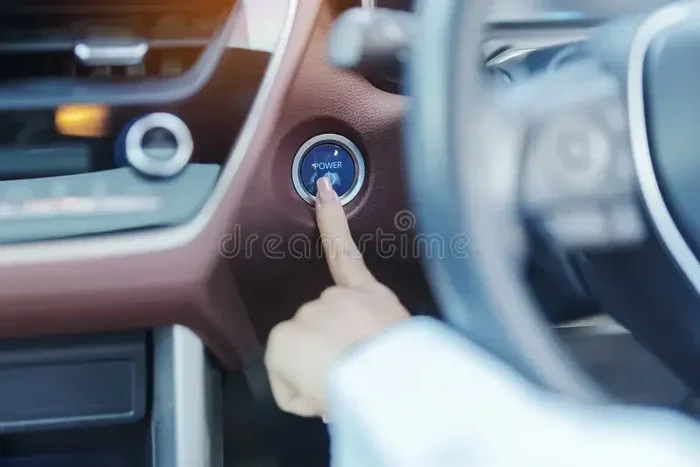
If you frequently find yourself dealing with starting problems, it might be worth learning more about keyless starting systems and how they interact with your battery and starter. Modern vehicles with push-button start have additional electronics that can contribute to battery drain if not properly maintained.
Being stranded isn’t just inconvenient, it can also be dangerous depending on where you are. If you’re in an unfamiliar area or it’s nighttime, don’t hesitate to call for professional help rather than trying to fix everything yourself on the side of the road.
Cost of Fixing a Bad Starter and Dead Battery
Understanding the cost helps you make informed decisions about repairs. Here’s a general breakdown:
- Starter replacement: $200 to $600 for parts and labor, depending on the vehicle.
- Battery replacement: $100 to $300 for a standard car battery.
- Starter and battery replacement together: $300 to $900 combined.
- Diagnostic fee: Most shops charge $50 to $100 for a starting system diagnostic.
These costs vary widely based on your vehicle make, model, and year. Luxury vehicles and trucks typically cost more for starter replacement because the parts are harder to access. However, many drivers can save money by replacing the starter themselves if they have basic mechanical skills.
Common Mistakes That Make Starter Problems Worse
Avoid these common mistakes that can turn a minor starter issue into a major battery problem:
- Ignoring early warning signs. A slight delay in cranking today becomes a no-start situation tomorrow. Address the problem early.
- Jump starting too many times. Each jump start puts stress on both batteries and doesn’t fix the underlying starter problem.
- Using the wrong starter fluid. Starting fluid can help in emergencies, but overuse damages the engine and doesn’t solve starter issues.
- Neglecting ground cable maintenance. A dirty ground connection makes the starter work harder and drains the battery faster.
- Leaving accessories on. Forgetting to turn off headlights or interior lights before shutting down adds unnecessary drain on an already weakened electrical system.
Taking care of small issues before they escalate keeps your car reliable and your wallet happy.
Expert Insights: What Mechanics Wish You Knew
We asked experienced mechanics what they wish every driver understood about starter and battery problems. Here’s what they had to say:
“A bad starter doesn’t always make noise.” Many drivers assume a failing starter will grind or click, but some failures are silent. The starter simply stops working, and the driver blames the battery. Always test both components before replacing either one.
“Parasitic draw tests save money.” A simple parasitic draw test takes about 15 minutes and can pinpoint exactly which component is draining your battery. Don’t let a shop replace parts without confirming the root cause first.
“Batteries and starters have a relationship.” A weak starter stresses the battery. A weak battery makes the starter work harder. When one fails, the other suffers. Replace them as a pair if both are showing signs of age.
“Temperature matters.” Cold weather amplifies starter problems. A starter that works fine in summer might fail completely in winter because the oil thickens and the battery loses capacity. If you live in a cold climate, pay extra attention to your starting system before winter arrives.
Key Takeaways
- A bad starter can drain your battery through parasitic draw, repeated cranking, internal shorts, and gear engagement failures.
- Warning signs include clicking sounds, slow cranking, intermittent starting, and dimming lights. Don’t ignore these symptoms.
- Testing for parasitic draw with a multimeter is the most reliable way to confirm starter-related battery drain at home.
- Replace worn starters promptly to prevent further damage to your battery and electrical system.
- Regular maintenance of terminals, ground cables, and connections reduces the risk of starter-related problems.
- When in doubt, get professional diagnostics. A qualified mechanic can test both the starter and battery accurately.
- Prevention through good driving habits extends the life of both your starter and your battery significantly.
Conclusion
A bad starter draining your battery is one of the most common and frustrating problems drivers face. The good news is that understanding how it happens puts you in a much better position to prevent it, catch it early, and fix it before you’re left stranded.
Whether it’s a stuck solenoid creating parasitic draw, worn brushes causing slow cranking, or a failing solenoid keeping the starter engaged, the result is the same: your battery loses power and your car won’t start. By watching for the warning signs, testing your electrical system regularly, and addressing problems quickly, you can avoid most starter-related battery failures.
Remember that your starter and battery work as a team. When one component struggles, the other picks up the slack and wears out faster. Treat both with respect, maintain them properly, and replace them before they leave you stranded. A little preventive care goes a long way toward keeping your car reliable and your mornings stress-free.
If you’ve ever been stuck with a car that won’t start, you know how important it is to stay informed. Share this guide with a friend who might be dealing with the same problem, and don’t hesitate to reach out to a trusted mechanic if your symptoms persist. Your car deserves better, and so do you.
Frequently Asked Questions
Can a bad starter drain a battery overnight?
Yes, absolutely. A stuck starter solenoid or an internal short in the starter motor can create a parasitic draw that kills a fully charged battery overnight. If your car starts fine one day but won’t start the next morning, a faulty starter draining the battery overnight is a likely culprit.
How do I know if my starter is draining my battery or if it’s something else?
The best way to find out is to perform a parasitic draw test with a multimeter. Disconnect the negative battery terminal, place the multimeter in series, and check the current draw. If it’s above 50 milliamps, unplug components one at a time until the draw drops. If the draw disappears when you disconnect the starter, you’ve found your problem.
Will jump starting fix a battery drained by a bad starter?
Jump starting will get your engine running temporarily, but it won’t fix the underlying starter problem. As long as the bad starter continues to draw power, your new battery will eventually die again. Always address the root cause of the drain before relying on jump starts as a permanent solution.
How much does it cost to replace a starter motor?
Starter replacement typically costs between $200 and $600, depending on your vehicle. The part itself ranges from $50 to $350, and labor costs between $150 and $250. Luxury vehicles and trucks with harder-to-access starters may cost more. Getting multiple quotes from local mechanics helps you find the best price.
Can I drive with a bad starter?
Once the engine is running, a bad starter usually doesn’t affect your ability to drive. However, if the starter gear doesn’t disengage properly, it can cause grinding damage to the flywheel and eventually prevent the engine from cranking at all. Have a failing starter inspected and replaced as soon as possible.
How long does a starter motor typically last?
A starter motor typically lasts between 100,000 and 150,000 miles, but this varies based on driving habits, climate, and vehicle condition. Frequent short trips, extreme temperatures, and poor electrical maintenance can shorten starter life significantly. Regular inspections help you catch problems before total failure.