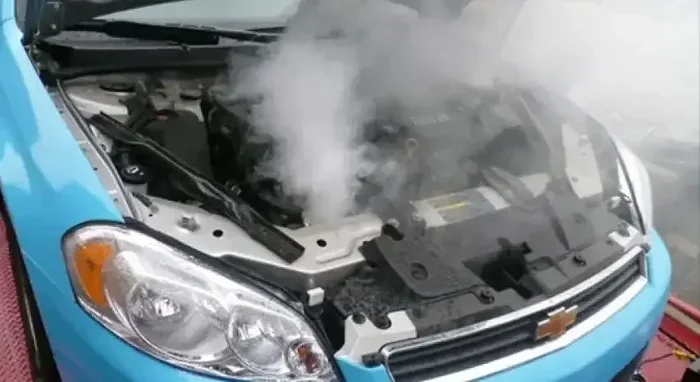
Can a Car Battery Kill You Heres What You Need to Know
Yes, a car battery can be dangerous and even deadly under certain conditions. While a standard 12-volt battery rarely causes fatal electrocution, it can produce explosive hydrogen gas, cause severe acid burns, and lead to serious injuries. Understanding car battery safety is essential for every vehicle owner.
Can a car battery kill you? It sounds like a scary question. But the honest answer is yes, under certain conditions a car battery can cause serious harm or even death. Most people think of car batteries as harmless little boxes under the hood. They are small, they carry low voltage, and they seem completely safe. But that couldn’t be further from the truth.
A standard car battery holds about 12 volts. That’s not enough to give you a dangerous electrical shock in most cases. But a car battery does much more than just hold a charge. It stores chemical energy. It produces hydrogen gas. It contains sulfuric acid. And when something goes wrong with any of these components, the results can be devastating. This article will walk you through everything you need to know about car battery safety. We will cover the real risks, common mistakes, and how to protect yourself.
Whether you are a weekend DIY mechanic or someone who just wants to understand your vehicle better, this guide is for you. We will break down the science in simple terms. We will share real-world examples. And we will give you practical tips to stay safe. So let’s dive in and explore the dangers of car batteries together.
Key Takeaways
- Low voltage doesn’t mean low risk: A 12-volt car battery can still cause explosions and severe burns.
- Hydrogen gas is the real danger: Batteries produce flammable gas that can ignite easily.
- Acid burns are a serious threat: Battery acid can cause severe chemical burns on contact.
- Proper jump-starting prevents accidents: Learn the correct steps to avoid sparks and injuries.
- Regular maintenance keeps you safe: Simple checks can prevent battery failures and dangers.
- Know when to call for help: Some battery situations require professional assistance.
📑 Table of Contents
How a Car Battery Works
The Basics of Battery Chemistry
To understand the risks, you need to know how a car battery works. A standard car battery is a lead-acid battery. It uses lead plates and sulfuric acid to create an electrical charge. The chemical reaction between these materials produces voltage. This voltage powers your starter motor, lights, and other electrical systems.
Here is the key thing most people miss. That chemical reaction also produces hydrogen gas. Hydrogen is highly flammable. It escapes through the battery vents during normal operation. In small amounts, this is not dangerous. But if the battery is overcharged, damaged, or defective, hydrogen production increases significantly. A single spark near that gas can cause a loud explosion.
The battery also contains sulfuric acid. This is a strong corrosive substance. If the battery case cracks or leaks, that acid can cause severe burns. So while the voltage itself may not kill you, the byproducts of the battery’s operation absolutely can.
Understanding Voltage and Amperage
People often confuse voltage with danger. They think 12 volts is too low to hurt anyone. But that is not the full picture. Voltage is only one part of the equation. Amperage matters too. A car battery can deliver hundreds of amps of current in a very short burst. That is more than enough to start your engine. But it is also more than enough to create a powerful spark.
That spark can ignite hydrogen gas. It can also ignite fuel vapors near the battery. So even though you are unlikely to get electrocuted by a car battery, the explosion risk is very real. This is why car battery safety should always be a priority.
Can a Car Battery Actually Kill You?
The Electrocution Risk
Let’s address the most common fear first. Can you get electrocuted by a car battery? The short answer is almost never from the battery alone. A 12-volt battery does not carry enough voltage to push electricity through your skin. Your skin’s resistance blocks most low-voltage currents. So in normal conditions, you are not going to suffer a fatal electric shock from touching a car battery.
However, there are exceptions. If your skin is wet or broken, the resistance drops significantly. If you touch both terminals at the same time with a metal tool, you can still get a painful shock. In rare cases, this can cause muscle contractions that lead to falls or other injuries. If you have a heart condition, even a small shock can be dangerous. For these reasons, you should always treat a car battery with respect.
Some people worry about electric car batteries and hybrid vehicles. These use much higher voltages, sometimes 200 to 400 volts. The risks are different and much greater with these systems. We will cover that in a later section.
The Explosion Risk
This is where car batteries become truly dangerous. When a battery charges, it produces hydrogen gas. Hydrogen is the most flammable gas in existence. It ignites easily and burns explosively. If your battery is overcharging, damaged, or leaking, hydrogen builds up inside the battery case.
A tiny spark can set it off. That spark could come from a metal tool, a loose cable, or even static electricity. When a battery explodes, it sends shards of plastic and acid flying. The blast can cause severe burns, eye injuries, and even death. There are documented cases of people suffering serious injuries from car battery explosions. These incidents are rare, but they happen more often than most people realize.
You might also want to read about can you get electrocuted in a car to understand the broader electrical risks in vehicles.
Acid Burns and Chemical Exposure
Car batteries contain sulfuric acid. This acid is corrosive and can cause deep chemical burns. If a battery case cracks or leaks, the acid can spill out. Touching it with bare skin causes immediate pain and tissue damage. Getting it in your eyes can cause permanent damage or blindness.
Acid burns are not just painful. They can damage tissue deep under the skin. In severe cases, they require hospitalization and surgery. Even a small splash can cause a painful wound that takes weeks to heal. This is one of the most overlooked dangers of car batteries.
Common Car Battery Dangers
Improper Jump Starting
Jump starting a car is one of the most common causes of battery-related injuries. When done incorrectly, it can create sparks near the battery. Those sparks can ignite hydrogen gas. The cables can also short-circuit if connected in the wrong order. This can melt the cable insulation and cause burns.
Here are the correct steps for a safe jump start:
- Turn off both vehicles and all electrical accessories.
- Connect the red clamp to the dead battery’s positive terminal first.
- Connect the other red clamp to the good battery’s positive terminal.
- Connect the black clamp to the good battery’s negative terminal.
- Connect the last black clamp to an unpainted metal surface on the dead car, away from the battery.
- Start the working vehicle first, then the dead vehicle.
- Remove the cables in reverse order.
Never touch the cable clamps together while connected to a battery. And never lean over the battery while jump starting. If you drive a hybrid, make sure to check your owner’s manual first. You can learn more about jump starting a hybrid safely.
Battery Maintenance Mistakes
Many battery dangers come from poor maintenance. People ignore warning signs until it is too late. Here are the most common mistakes:
- Ignoring corrosion: White or blue buildup on terminals means acid is leaking. This can cause poor connections and overheating.
- Overcharging the battery: Using a faulty charger can cause excessive hydrogen production.
- Using damaged cables: Frayed or corroded cables can spark and short circuit.
- Leaving lights on: This drains the battery and can damage its internal structure.
- Ignoring swelling: A swollen battery case means gas buildup inside. This is a pre-explosion warning sign.
Regular maintenance can prevent all of these dangers. Check your battery terminals monthly. Look for cracks or leaks. Keep the area clean and dry. If your battery looks swollen or smells like rotten eggs, replace it immediately.
Extreme Temperatures and Battery Risks
Temperature plays a big role in battery safety. Extreme heat causes battery fluid to evaporate faster. This increases the concentration of acid and the risk of leaks. Extreme cold reduces battery capacity and can cause the case to crack. Both situations increase the risk of dangerous failures.
Cold weather is especially tricky. A weak battery struggles to hold a charge in winter. People often use battery chargers to compensate. But if the charger is not compatible with the battery, it can cause overcharging. This leads to more hydrogen gas and a higher explosion risk. Some people also worry about their vehicles overheating in the winter, and battery issues can contribute to that problem.
Hybrid and Electric Car Battery Risks
High-Voltage Systems Explained
Hybrid and electric vehicles use lithium-ion or nickel-metal hydride batteries. These operate at much higher voltages than a standard 12-volt lead-acid battery. A typical hybrid battery pack operates at 200 to 400 volts. An electric vehicle can go even higher. These voltages are absolutely dangerous to humans.
Contact with a high-voltage battery system can cause severe electrical shock. It can cause burns, cardiac arrest, and death. This is why hybrid and electric vehicles have special safety systems. The high-voltage cables are usually color-coded orange. They are insulated and protected by shielding. The vehicles also have automatic disconnect systems that activate during a collision.
Never attempt to open or repair a high-voltage battery pack yourself. Always let trained professionals handle these systems. If you are curious about hybrid battery maintenance, you can read more about using jumper cables on a hybrid.
What Happens During a Collision
One of the biggest concerns with hybrid and electric vehicles is what happens after a crash. A damaged battery pack can leak current. It can catch fire. In some cases, it can reignite hours or even days after the accident. This is called thermal runaway. It is a serious and complex safety issue that manufacturers are still working to solve.
Firefighters and first responders receive special training for these situations. They know how to disable the high-voltage systems safely. If you are ever in an accident involving a hybrid or electric vehicle, do not touch the battery or any orange cables. Wait for professional help.
How to Stay Safe Around Car Batteries
Practical Safety Tips
Staying safe around car batteries is not complicated. It just requires awareness and a few simple precautions. Here are the most important tips every driver should follow:
- Always wear safety glasses when working near a battery. Acid splashes can happen unexpectedly.
- Wear gloves. Chemical-resistant gloves protect your hands from acid burns.
- Keep sparks and flames away. No smoking, no open flames, and no ungrounded tools near the battery.
- Turn off the ignition before working on the battery or electrical system.
- Check for cracks and leaks before touching the battery.
- Clean terminals regularly with a baking soda and water solution.
- Store batteries in a cool, dry place if you remove them for storage.
- Dispose of old batteries properly. Take them to a recycling center, not the trash.
When to Call a Professional
Not every battery issue should be handled on your own. You should call a professional if you notice any of the following:
- The battery case is visibly cracked or leaking.
- The battery has swollen or changed shape.
- You smell sulfur or rotten eggs near the battery.
- The battery has been exposed to extreme heat or cold for an extended period.
- You are unsure about how to jump start your vehicle safely.
- Your hybrid or electric vehicle shows a battery warning light.
Professional mechanics have the right tools and training to handle dangerous battery situations. They can also test your battery’s health and recommend replacements when needed. If you are in the market for a new battery or need help, consider reaching out to a trusted service center.
What to Do in a Battery Emergency
If Acid Contacts Your Skin or Eyes
Battery acid burns are medical emergencies. If acid touches your skin, rinse the area with cool running water for at least 15 minutes. Do not try to neutralize the acid with anything. Do not apply ointments or creams. Get to a hospital immediately.
If acid gets in your eyes, flush them with water continuously. Hold your eyelids open. Do not rub your eyes. Seek emergency medical attention right away. Quick action can prevent permanent damage.
If a Battery Explodes
If a battery explodes, move away from the area immediately. Battery acid and debris can cause injuries even after the initial blast. If anyone is burned or injured, call emergency services right away. Do not attempt to clean up the mess yourself until the area is ventilated and safe.
Common Myths About Car Battery Danger
Myth: 12 Volts Is Completely Safe
This is one of the most dangerous myths. While 12 volts is unlikely to cause fatal electrocution, it does not mean the battery is harmless. The explosion and acid risks are very real. Many people have been seriously injured by 12-volt batteries.
Myth: A Dead Battery Cannot Hurt You
A dead battery can still produce hydrogen gas. It can still leak acid. It can still spark if short-circuited. A dead battery is not a safe battery. Treat it with the same caution as a live one.
Myth: Only Cheap Batteries Are Dangerous
Even high-quality batteries can fail. Manufacturing defects happen. Damage from road conditions or accidents can affect any battery. Price does not guarantee safety.
Final Thoughts
So, can a car battery kill you? The answer is yes, but not in the way most people imagine. It is not usually the voltage that causes the danger. It is the explosion, the acid, and the flammable gas that come with battery operation. Understanding these risks is the first step toward staying safe.
Take a few minutes to learn proper battery maintenance. Follow the safety tips in this guide. And never take your car battery for granted. A little knowledge goes a long way in preventing serious injuries. Stay safe, stay informed, and always respect the power hiding under your hood.
Frequently Asked Questions
Can touching a car battery give you a shock?
In most cases, a 12-volt car battery will not give you a dangerous shock. However, touching both terminals with a metal tool can create a spark. This spark can cause burns or ignite hydrogen gas. Always be careful when handling battery terminals.
What happens if battery acid touches your skin?
Battery acid causes chemical burns on contact. Rinse the affected area with cool running water for at least 15 minutes and seek medical attention immediately. Do not try to neutralize the acid with any other substance.
Can a car battery explode while charging?
Yes, overcharging a car battery can produce excessive hydrogen gas. If a spark is present, the gas can ignite and cause an explosion. Always use a compatible charger and charge in a well-ventilated area.
Are hybrid car batteries more dangerous than regular car batteries?
Hybrid batteries operate at much higher voltages, typically 200 to 400 volts. This makes them significantly more dangerous in the event of damage or leakage. Never attempt to open or repair a hybrid battery pack yourself.
How often should I check my car battery for safety?
You should inspect your battery at least once a month. Look for cracks, leaks, corrosion, or swelling. Regular checks help you catch problems early before they become dangerous.
What should I do if my battery smells like rotten eggs?
A rotten egg smell means hydrogen sulfide gas is present. This indicates the battery is overcharging or damaged. Stop using the vehicle immediately, ventilate the area, and have the battery inspected by a professional.