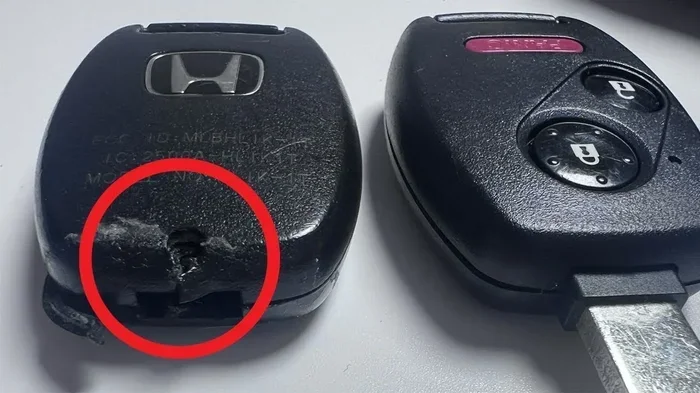
What to Do If Your Car Fob Stops Working Completely
A car fob stops working for many reasons, from a dead battery to signal interference. This guide covers every key fob troubleshooting step you need, including battery replacement, reprogramming, and when to call a professional. You will learn quick fixes that save time and money, plus expert tips to prevent future problems.
Key Takeaways
- Battery replacement is the #1 fix: A dead key fob battery causes most car fob stops working problems and is easy to replace yourself.
- Reprogramming solves pairing issues: Your remote key fob may just need a simple key fob reset to reconnect with the car.
- Signal interference is common: Metal objects, other electronics, and crowded environments can block your key fob signal without you realizing it.
- Water damage is preventable: Keeping your electronic key fob dry and in a protective case extends its lifespan significantly.
- Know when to call a locksmith: Complex issues like transponder key problems or car immobilizer errors need professional diagnosis and repair.
- Prevention saves money: Simple habits like replacing the battery every two years and avoiding extreme temperatures keep your car fob stops working issues to a minimum.
📑 Table of Contents
Check the Battery First
The most common reason a car fob stops working is a dead battery. Key fobs run on small coin-cell batteries that typically last between one and three years. When the battery dies, your remote key fob loses its ability to send signals to the car. Before you assume the worst, grab a replacement battery. This simple fix solves the problem more often than you might think.
Most car fobs use CR2025 or CR2032 batteries, which you can find at any grocery store or pharmacy for just a few dollars. Replacing the battery takes less than five minutes and requires no special tools. Many people carry spare batteries in their glove box for exactly this reason.
How to Replace the Key Fob Battery
Follow these steps to get your car fob stops working issue resolved quickly:
- Find the small seam or groove along the edge of your fob.
- Use a flat-head screwdriver or a coin to gently pry it open.
- Remove the old battery and note which side faces up.
- Insert the new battery with the correct orientation.
- Snap the fob back together and test it by locking and unlocking the doors.
Make sure you buy the right battery type. Check your owner’s manual or look at the old battery for the model number. Using the wrong battery can cause your key fob not working problem to continue even after replacement. Always match the voltage and size exactly.
Signs Your Battery Is Dying
Your fob often gives warning signs before it completely dies. Watch for these red flags:
- The car door lock responds slowly or inconsistently.
- You need to press the button multiple times for it to work.
- The key fob range gets shorter, requiring you to be very close to the car.
- The fob works intermittently, especially in cold weather.
If you notice any of these signs, replace the battery right away. Waiting too long can leave you stranded with a dead key fob at the worst possible moment. Proactive replacement every two years keeps your car fob stops working risk extremely low.
Reprogram Your Car Fob
Sometimes the issue isn’t the battery at all. Your electronic key fob might just need to be reprogrammed. Fobs can lose their pairing with the car for various reasons, including a power surge, a dead car battery, or even a recent software update. Reprogramming might sound intimidating, but most vehicles make it straightforward. The process varies by car brand and model, but the general steps are similar across most vehicles.
When Reprogramming Fixes the Problem
Reprogramming is the right move when your fob physically works but the car doesn’t respond. Here are the clues that point to a programming issue:
- The fob buttons still click, but the car ignores them completely.
- You recently replaced the car battery or had a jump start.
- The car immobilizer system seems confused or unresponsive.
- You bought a used car and the fob wasn’t properly set up.
In these cases, a simple key fob reset or full reprogramming session usually brings everything back to life. The car fob stops working problem often traces back to a lost connection between the fob and the car’s computer system.
How to Reprogram Your Fob
Here is a general guide that works for many vehicle brands. Always check your owner’s manual for model-specific instructions:
- Sit in the driver’s seat and close all doors.
- Turn the ignition to the “On” position without starting the engine.
- Press the lock button on the fob within five seconds.
- Turn the ignition off, then back to “On” within ten seconds.
- Press the lock button again within five seconds.
- Turn the ignition off and test the fob by locking the doors.
If this process works, you should hear a confirmation sound or see the lights flash. This means your key fob programming was successful. If not, try repeating the steps or look up the specific procedure for your car model online. Some brands also allow reprogramming through a smartphone app, which is even easier.
Signal Interference and Physical Damage
Believe it or not, your key fob signal can get blocked or disrupted by everyday objects. This is one of the most overlooked reasons a car fob stops working seemingly out of nowhere. Modern fobs use radio frequency signals to communicate with the car. When something interferes with that signal, your commands don’t reach the receiver. The good news is that identifying and removing the interference is usually quick and easy.
Common Sources of Interference
Several everyday items can block or weaken your fob’s signal:
- Other electronic devices sitting next to your fob in your pocket or bag.
- Metal structures like parking garages or tall buildings nearby.
- Other cars nearby that use similar key fob frequencies.
- Phone cases with metal plates or magnetic closures.
- Your own body if you are standing too close to a large metal object.
The proximity sensor in newer cars also plays a role. If the sensor can’t detect the fob properly, it won’t recognize your commands. Try moving to a different location and testing again. Sometimes simply switching your fob to a different pocket solves the problem instantly.
How to Test Signal Range
To check if interference is the culprit, try these simple tests:
- Step away from buildings, cars, and metal structures.
- Hold the fob directly against the car’s door handle.
- Press the unlock button and see if it responds.
- Move a few feet away and try again.
- Repeat the test in a different parking spot.
If the fob works when held close to the car but not from a distance, interference is likely the issue. Moving away from crowded electronic environments often solves this problem entirely. This is a very common reason for key fob troubleshooting that people overlook.
Water Damage and Physical Wear
Key fobs go through a lot of daily wear and tear. They get dropped, sat on, and exposed to all kinds of environments. Water damage and physical cracks are common reasons a car fob stops working suddenly. Even a small amount of moisture inside the fob can short out the circuit board. And a cracked casing can expose the electronics to dust and debris. Both situations can render your electronic key fob useless if not addressed quickly.
If your fob has been exposed to water, act fast. Open the fob immediately and remove the battery. Let the inside dry completely for at least 24 hours. Use a soft cloth to gently pat away any visible moisture. Do not use a hair dryer on high heat, as it can damage the circuit board. Once dry, reinsert the battery and test the fob. If it still doesn’t work, the water may have caused permanent damage to the internal components. In that case, you may need a car key replacement or a new fob entirely.
A cracked fob casing is more than just a cosmetic issue. It leaves the internal electronics vulnerable to further damage. You can buy replacement fob casings online for most car models. Simply transfer the internal circuit board and battery into the new shell. This is a much cheaper option than buying a completely new fob and having it key fob programming done again.
Reset the Car’s Computer System
Sometimes the problem isn’t with the fob itself but with the car’s computer system. Modern vehicles have complex onboard computers that manage everything from the car alarm system to the car immobilizer. When these systems glitch, your fob might stop being recognized even if it is working perfectly. A simple reset can often clear these errors and restore normal function.
Why the Car Computer Needs a Reset
The car’s computer stores information about paired fobs and transponder keys. When this memory gets corrupted or confused, it can reject even a perfectly working fob. Common triggers include:
- A recent car battery replacement or jump start.
- A blown fuse in the car’s electrical system.
- An incomplete software update from the manufacturer.
- Electrical interference from aftermarket accessories.
Resetting the computer clears these errors and allows the system to re-learn your fob’s signal. It is one of the most overlooked key fob troubleshooting steps, but it works surprisingly often. A car fob stops working issue that seems complex is sometimes just a computer memory glitch that a quick reset fixes.
Simple Reset Steps
Try this general reset method for most vehicles:
- Remove the key from the ignition.
- Close all doors and the trunk securely.
- Disconnect the car battery’s negative terminal.
- Wait at least 15 minutes for the system to fully discharge.
- Reconnect the battery terminal and tighten it securely.
- Wait for the car’s systems to fully power up.
- Test your fob by locking and unlocking the doors.
This process resets the car’s computer and clears any temporary errors. If the fob still doesn’t work after a reset, the issue is likely with the fob itself or requires professional diagnosis. Always make sure the battery terminal is tight and secure before testing again.
When to Call a Professional Locksmith
Not every problem can be solved with a DIY fix. If you have tried everything above and your car fob stops working still isn’t resolved, it is time to call in the experts. A professional locksmith has the tools and knowledge to handle complex issues that go beyond simple battery swaps. Knowing when to seek help saves you time, money, and a lot of stress.
Signs You Need Expert Help
Watch for these warning signs that point to a problem beyond DIY fixes:
- The fob works intermittently and no battery change fixes it.
- The car’s dashboard shows a key fob or immobilizer warning light.
- You have lost your only fob and need a new one programmed.
- The fob got severely damaged by water or physical impact.
- None of the troubleshooting steps above have resolved the issue.
These situations often require specialized equipment and expertise. A professional locksmith can diagnose the root cause and provide the right solution quickly. Attempting complex repairs without the right tools can sometimes make the problem worse.
Cost Considerations
The cost of professional car fob stops working repairs varies widely depending on the issue. Here is a rough breakdown to help you budget:
| Service | Estimated Cost | Time Required |
|---|---|---|
| Battery Replacement | $5 – $15 | 5 minutes (DIY) |
| Fob Reprogramming | $50 – $150 | 30 minutes |
| New Fob Purchase | $50 – $400 | 1-2 hours with programming |
| Transponder Key Replacement | $100 – $300 | 1-2 hours |
| Full Locksmith Service | $100 – $250 | 1-3 hours |
As you can see, the cost depends heavily on what the actual problem is. A simple battery replacement costs almost nothing, while a full car key replacement with programming can be more expensive. Always start with the cheapest and simplest fixes first before moving to professional services.
Preventing Future Key Fob Problems
Once you have fixed your car fob stops working issue, you will want to keep it from happening again. Prevention is always easier and cheaper than repair. A few simple habits can extend the life of your remote key fob by years and save you from future headaches.
- Replace the car key battery every two years, even if it seems fine.
- Keep your fob away from water and extreme heat or cold.
- Store the fob in a protective case when not in use.
- Avoid placing the fob near other strong electronic devices.
- Have the fob inspected annually by a locksmith if you use it heavily.
These small habits make a big difference. They keep your car door lock system reliable and your daily routine smooth. A well-maintained fob also holds its value better if you ever need to replace it down the road. The key fob range stays strong and consistent when you take good care of the device.
Conclusion
A car fob stops working for a variety of reasons, and most of them are easy to fix. Start with the simplest solution: check and replace the battery. If that does not work, try reprogramming the fob or checking for signal interference. Water damage, physical wear, and computer glitches are other common culprits that you can address with the right approach.
When none of these fixes work, it is time to call a professional locksmith. They have the expertise and tools to handle even the most complex key fob troubleshooting situations. The key is to stay calm and work through the steps systematically. A key fob not working is almost never a permanent problem.
With the right knowledge and a little patience, you can get back to using your electronic key fob without any hassle. Keep this guide handy for your next car fob stops working moment, and you will always know exactly what to do. Taking care of your car fob stops working issues early saves you time, money, and unnecessary stress in the long run.
Frequently Asked Questions
Why did my car fob stop working all of a sudden?
The most common cause is a dead key fob battery, which can drain unexpectedly. Other frequent reasons include signal interference from nearby electronics, water damage, or a lost pairing between the fob and the car’s computer system. Try replacing the battery first, as this solves the problem in most cases.
How do I know if my car fob battery needs replacing?
Watch for warning signs like slow response from the car door lock, reduced key fob range, or needing to press the button multiple times. Some vehicles also display a low battery warning on the dashboard. If you notice any of these signs, replace the battery right away before the fob stops working completely.
Can I reprogram my car fob myself?
Yes, most vehicles allow you to reprogram the fob yourself using a simple sequence of steps. The process typically involves turning the ignition on and off while pressing the lock button on the fob. Check your owner’s manual for the exact procedure for your specific car model, as it varies by brand.
How much does it cost to replace a car fob?
A new remote key fob typically costs between $50 and $400, depending on the car brand and model. Basic fobs for older vehicles are on the lower end, while smart key fobs with advanced features for newer cars can be quite expensive. Programming costs may be additional if done by a dealer or locksmith.
What should I do if my car fob gets wet?
Open the fob immediately and remove the battery. Let the inside dry completely for at least 24 hours, and use a soft cloth to pat away any moisture. Avoid using heat sources like hair dryers. Once dry, reinsert the battery and test the fob. If it still does not work, the water may have caused permanent damage to the circuit board.
When should I call a locksmith for a car fob issue?
Call a professional locksmith if the battery replacement and reprogramming steps do not fix the problem, if the fob has severe physical or water damage, or if the car’s dashboard shows an immobilizer warning light. A locksmith can also help if you have lost your only fob and need a new one programmed to your vehicle.