What to Do When Your Car Gets Stuck in Anti-Theft Mode
When your car gets stuck in anti-theft mode, it can feel frustrating and confusing. This guide walks you through the most common causes, proven fixes, and prevention tips to get your vehicle running again. You will learn how to reset your security system, recognize warning signs, and know when to seek professional help.
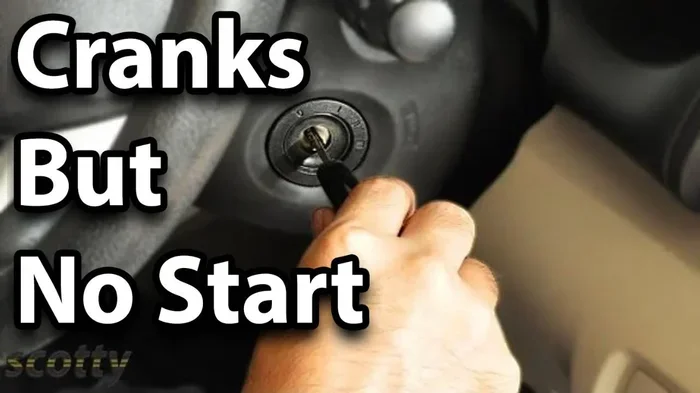
There is nothing more annoying than walking up to your car, hopping in, and realizing it will not start. The dashboard lights flash, the engine turns over but won’t fire, and you know something is wrong. More often than not, your vehicle has entered anti-theft mode, and it is not letting you drive away.
This security feature is designed to protect your car from theft. But when it activates by mistake, it can leave you stranded in a parking lot or driveway. Whether you drive a Ford, Toyota, Honda, Chevrolet, or any other brand, this problem can happen to anyone. The good news is that most causes are simple to fix, and you do not need to be a mechanic to handle them.
In this guide, we will walk you through everything you need to know about car stuck in anti-theft mode. You will learn what triggers it, how to fix it step by step, and what you can do to prevent it from happening again. Let us get your car back on the road.
Key Takeaways
- Anti-theft mode activates when your car’s security system detects a threat or malfunction. Understanding the trigger is the first step to fixing it.
- A dead key fob battery or faulty transponder key is the most common cause. Simple swaps and resets often solve the problem fast.
- Try basic DIY fixes first, like cycling the ignition or disconnecting the battery. These methods cost nothing and work in most cases.
- Prevention is easier than repair. Regular key fob maintenance and proper locking habits keep your car’s security system running smoothly.
- Know when to call a professional. Persistent issues may signal a deeper problem with the ECU, immobilizer, or wiring that needs expert attention.
- Different car brands have unique anti-theft behaviors. Learning your specific vehicle’s quirks helps you respond faster and smarter.
📑 Table of Contents
- Understanding What Anti-Theft Mode Is
- Common Reasons Your Car Gets Stuck in Anti-Theft Mode
- Step-by-Step Fixes to Get Your Car Unstuck
- Comparison: DIY Fixes vs Professional Repair
- Quick Tips to Prevent Anti-Theft Mode Problems
- When to Call a Professional Mechanic
- Expert Insights on Modern Car Security Systems
- Conclusion
Understanding What Anti-Theft Mode Is
Before you can fix a problem, it helps to understand what is happening inside your car. Every modern vehicle comes with a security system designed to prevent theft. This system is often called the immobilizer or theft deterrent system. It works by communicating between your key, key fob, and the car’s computer, known as the ECU or engine control unit.
When you insert your key or press the start button, the car checks whether the key is authentic. If the signal matches, the engine starts. If it does not match, the anti-theft system locks down the engine. This is what people mean when they say their car is in anti-theft mode.
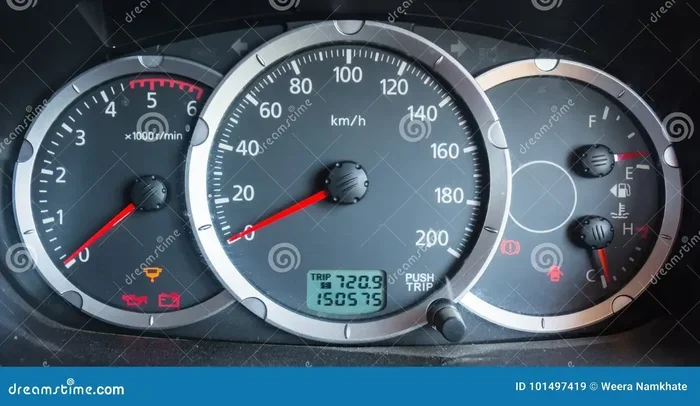
You can usually tell your car is in this mode because of a few clear signs. A security light flashes on the dashboard, often shaped like a lock or a car with a key inside. The engine may crank but not start. In some cases, the doors lock automatically and will not unlock. These are all signals that your vehicle’s theft prevention system has been activated.
It is important to know that anti-theft mode is not always caused by a real threat. Sometimes a simple glitch, a weak battery in your key fob, or a worn-out sensor can trick the system into thinking someone is trying to steal your car. Understanding this helps you stay calm and work through the solutions one by one.
Common Reasons Your Car Gets Stuck in Anti-Theft Mode
Knowing what causes anti-theft mode to activate is half the battle. Let us look at the most common reasons this happens and why your security system might be acting up.
Faulty Key Fob or Transponder Key
The most common reason for a car stuck in anti-theft mode is a problem with your key fob or transponder key. These keys contain a tiny chip that sends a unique signal to your car’s computer. If the chip is damaged, worn out, or not programmed correctly, the car will not recognize it. The result? Your immobilizer kicks in and refuses to let the engine start.
This happens more often than you might think. Keys get dropped, exposed to moisture, or simply wear out over time. Even a small crack in the key fob housing can weaken the signal enough to trigger the security system.
Dead Key Fob Battery
A dead battery in your key fob is another top cause. Most modern key fobs use a small coin-cell battery that lasts about two to three years. When the battery dies, the fob cannot send a strong enough signal to the car. The car thinks the key is not authentic and enters anti-theft mode.
This is especially common in older key fobs or in vehicles where the fob is kept in a pocket with other electronics. Signals from phones, wallets, and other devices can sometimes interfere with the key fob’s ability to communicate with the car.
Steering Wheel Lock Engagement
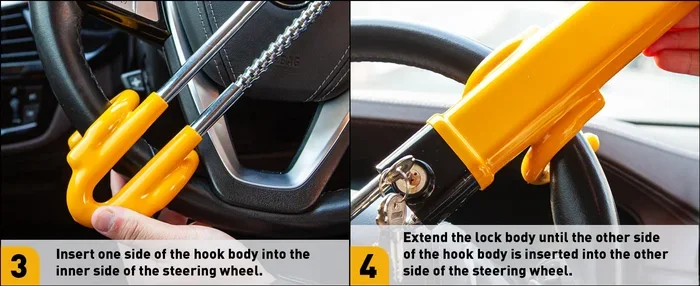
This one catches a lot of people off guard. When you turn off your car and turn the steering wheel slightly, the steering wheel lock engages as an extra security measure. If the wheel is locked when you try to start the car, the anti-theft system may not recognize the key and will not let the engine turn over.
This is not a true malfunction. It is simply the lock mechanism doing its job. But it can feel exactly like your car is in anti-theft mode, and it can be very confusing if you have never experienced it before.
Faulty Door Lock or Ignition Sensor
Your car’s security system relies on sensors in the doors, hood, and ignition switch. If one of these sensors fails or sends a false signal, the car may think the doors are open or the ignition is being tampered with. This triggers the theft deterrent system and locks everything down.
Corrosion, moisture, or physical damage to the sensor can cause this problem. It is more common in older vehicles or cars that have been exposed to harsh weather conditions over the years.
Aftermarket Alarm System Issues
If you have installed an aftermarket alarm system or any other security device, it could be the culprit. These systems sometimes interfere with the factory anti-theft system. Wiring conflicts, incorrect installation, or a malfunctioning control module can all cause your car to get stuck in anti-theft mode.
This is especially true if the aftermarket system was not installed by a professional. Poor wiring connections or incompatible components are common sources of problems.
Step-by-Step Fixes to Get Your Car Unstuck
Now that you know the common causes, let us walk through the fixes. These steps are ordered from the simplest to the more advanced. Start with the first one and work your way down until your car starts.
Try the Spare Key First
This is the easiest and fastest fix. If you have a spare key, try using it. A spare key that has not been used in a while may have a fresh signal that your car’s computer recognizes. Sometimes the original key simply needs to be replaced or reprogrammed, and the spare key buys you time to figure that out.
Make sure the spare key is the correct type for your vehicle. Some cars use smart keys, while others use traditional transponder keys. Using the wrong type of key will not help and may cause more confusion.
Reset the Key Fob
If the spare key does not work, the next step is to reset your key fob. Here is how you can do it for most vehicles:
- Sit in the driver’s seat and close all doors.
- Insert the key into the ignition and turn it to the “On” position without starting the engine.
- Press the lock button on the key fob and then press the unlock button.
- Turn the key back to the “Off” position and remove it.
- Wait about 30 seconds, then try starting the car again.
This simple reset often clears the anti-theft mode and allows the car to recognize the key fob again. It works because it re-establishes the communication link between the fob and the car’s computer.
Cycle the Ignition
Another effective method is to cycle the ignition. This means turning the key on and off several times in a specific pattern. Here is what to do:
- Turn the key to the “Off” position and remove it.
- Wait five seconds, then insert the key again.
- Turn the key to the “On” position (not to start) and wait 10 seconds.
- Turn the key back to “Off” and wait another five seconds.
- Repeat this cycle three to four times.
- On the final cycle, try to start the engine.
This process tells the car’s ECU to re-evaluate the key’s signal. In many cases, it clears the immobilizer lockout and allows the engine to start normally.
Disconnect and Reconnect the Battery
If the above methods do not work, try disconnecting the car battery. This resets the entire electrical system, including the security system. Here is how:
- Turn off the car and remove the key from the ignition.
- Open the hood and locate the battery.
- Using a wrench, disconnect the negative (black) cable first.
- Wait at least 15 minutes. This gives the ECU time to fully reset.
- Reconnect the negative cable and try starting the car.
Quick Tip: Always disconnect the negative cable first and reconnect it last. This prevents short circuits and protects your car’s electronics. If your car has a radio code, make sure you have it handy before disconnecting the battery.
Check the Door Locks and Windows
Sometimes the anti-theft system activates because it thinks a door or window is open. Walk around your car and make sure all doors are fully closed and all windows are shut. Listen for any clicking sounds from the door lock actuators. If one door is not latching properly, the security system may stay in alert mode.
Try unlocking and locking all doors with the key fob and with the physical key. This forces the system to reset its door sensor readings. It is a simple step, but it solves the problem more often than you would expect.
Reset the Security Module
Some vehicles have a dedicated security module that can be reset manually. The location and method vary by car brand and model. In many Ford vehicles, for example, you can turn the ignition to the “On” position with the key and wait for the security light to stop flashing before trying to start the engine. In other cars, you may need to access a hidden reset button behind the dashboard or under the steering column.
Check your vehicle owner’s manual for specific instructions. The manual will tell you exactly where the reset procedure is and what the security light behavior means for your particular model.
Comparison: DIY Fixes vs Professional Repair
Not all fixes are created equal. Here is a simple comparison to help you decide whether to try a fix yourself or take your car to a professional.
| Fix Method | Difficulty Level | Cost | Best For |
|---|---|---|---|
| Using spare key | Very Easy | Free | Quick first attempt |
| Resetting key fob | Easy | Free | Weak fob signal |
| Cycling ignition | Easy | Free | Intermittent lockout |
| Disconnecting battery | Moderate | Free | System-wide reset |
| Checking locks and windows | Very Easy | Free | Sensor false alerts |
| Replacing key fob battery | Easy | $5-$10 | Dead fob battery |
| Reprogramming key fob | Moderate | $50-$200 | Lost or damaged key |
| Professional diagnosis | Expert | $100-$500 | Persistent or complex issues |
| ECU or module replacement | Expert | $200-$800 | Failed security hardware |
As you can see, most basic fixes cost nothing and can be done at home. Only move to professional repair if the simple methods do not work after several attempts. A certified mechanic or dealership technician has the tools and software to diagnose deeper issues with the immobilizer system or ECU programming.
Quick Tips to Prevent Anti-Theft Mode Problems
Prevention is always better than cure. Here are some simple habits that can keep your anti-theft system working properly and prevent it from activating by mistake.
- Replace your key fob battery every two years. Do not wait until the fob stops working. A proactive swap prevents sudden lockouts.
- Keep your key fob away from other electronics. Storing it in a dedicated pocket or a small pouch reduces signal interference.
- Always turn the steering wheel straight before shutting off the engine. This prevents the steering wheel lock from engaging unexpectedly.
- Use the physical key as a backup. If the key fob battery dies, most cars have a hidden mechanical key slot. Know where it is on your vehicle.
- Have your keys programmed by a professional after any battery replacement. Some cars need the key fob to be re-paired after a battery change.
- Avoid exposing your key fob to extreme heat or moisture. Both can damage the internal chip and weaken the signal over time.
- Get your security system checked during regular maintenance visits. A mechanic can spot early warning signs before they become bigger problems.
When to Call a Professional Mechanic
Most of the time, the fixes in this guide will get your car running again. But there are situations where you should not try to fix the problem yourself. Calling a professional saves time, money, and frustration in the long run.
You should call a mechanic if your car is stuck in anti-theft mode and none of the DIY fixes work after two or three attempts. You should also seek help if the security light stays on constantly, even after the engine starts. A persistent light usually means there is a deeper issue with the immobilizer or the ECU that needs professional diagnosis.
Other signs that it is time to call a professional include:
- The car starts but immediately dies again within seconds.
- The dashboard warning lights flash in unusual patterns.
- Multiple electronic systems stop working at the same time.
- You notice a burning smell or hear unusual clicking sounds from the dashboard.
- The anti-theft system activates randomly, even when you are using the correct key.
A qualified mechanic can use specialized diagnostic tools to read error codes from your car’s computer. These codes tell exactly which sensor, module, or component is causing the problem. This level of precision is not possible with DIY fixes alone.
Expert Insights on Modern Car Security Systems
Modern theft deterrent systems have come a long way from the simple alarm systems of the past. Today’s cars use a combination of transponder technology, encrypted signals, and computer-controlled immobilizers to keep vehicles safe. Understanding how these systems work helps you appreciate why they sometimes malfunction and how to respond effectively.
According to automotive security experts, the most common reason for false anti-theft mode activation is a weak key fob signal. The second most common cause is a corroded or loose connection in the door lock actuator or ignition switch. Both of these issues are easy to fix once you know what to look for.
Experts also recommend keeping your car’s software up to date. Many manufacturers release ECU updates that improve the reliability of the security system and fix known bugs that cause false lockouts. Check with your dealership to see if your vehicle has any available software updates.
Expert Insight: “The best thing car owners can do is stay calm and work through the fixes systematically. Panic leads to mistakes. Start with the simplest solution and work your way up. In 80 percent of cases, the problem is a dead key fob battery or a simple reset that anyone can do at home.” – Automotive Security Specialist
One final thing to keep in mind is that aftermarket security devices can sometimes conflict with factory systems. If you have added an alarm, tracking device, or remote start system to your car, make sure it was installed correctly. Poorly installed aftermarket devices are a leading cause of persistent anti-theft mode issues.
Common Mistake to Avoid: Do not keep trying to start the car over and over when it is in anti-theft mode. Repeated failed attempts can further confuse the ECU and make the problem worse. Walk away for a few minutes, then try again with a clear head and a systematic approach.
Conclusion
Dealing with a car stuck in anti-theft mode is stressful, but it is almost always solvable. The most common causes are simple, and the fixes are straightforward. Whether it is a dead key fob battery, a locked steering wheel, or a glitch in the security system, you now have the tools and knowledge to handle it.
Start with the simplest fixes and work your way up. Try the spare key, reset the key fob, cycle the ignition, and disconnect the battery if needed. If none of those work, it is time to call a professional mechanic who can diagnose the problem with specialized tools.
Prevention goes a long way. Replace your key fob battery regularly, keep your steering wheel straight when parking, and stay on top of your car’s maintenance schedule. These small habits can save you from the frustration of anti-theft mode ever again.
Your car’s theft deterrent system is there to protect you. When it works correctly, it gives you peace of mind. When it malfunctions, now you know exactly what to do. Take action today, and get back to the road with confidence.
Frequently Asked Questions
How do I know if my car is in anti-theft mode?
Look for a flashing security light on your dashboard, usually shaped like a lock or a car with a key. Your engine may crank but not start, or the doors may lock and refuse to unlock. These are the most common signs that your car’s anti-theft system has been activated.
Can a dead key fob battery cause anti-theft mode?
Yes, absolutely. A dead battery in your key fob prevents it from sending a strong enough signal to the car’s computer. When the car does not recognize the key, it activates the immobilizer and enters anti-theft mode. Replacing the battery usually fixes this problem quickly.
How long does anti-theft mode last?
It depends on the cause. If it is triggered by a simple glitch or a weak key fob signal, it usually clears within a few minutes after you reset the system. If the issue is a hardware problem like a faulty sensor or damaged key, it will persist until the underlying issue is repaired.
Is it safe to drive with anti-theft mode activated?
No. When your car is in anti-theft mode, the engine is intentionally prevented from running properly. Attempting to drive in this state can damage the starter motor, drain the battery, and put unnecessary stress on the ECU. Always resolve the issue before driving.
How much does it cost to fix anti-theft mode issues?
Many fixes are completely free, such as resetting the key fob or cycling the ignition. Replacing a key fob battery costs around $5 to $10. Professional diagnosis typically runs $100 to $200, while replacing a key fob or security module can range from $100 to $500 depending on the vehicle make and model.
Can an aftermarket alarm system cause anti-theft mode problems?
Yes, it can. Aftermarket alarm systems sometimes interfere with the factory security system, especially if they were not installed correctly. Wiring conflicts, incompatible components, or a malfunctioning control module can all trigger false anti-theft mode activations.