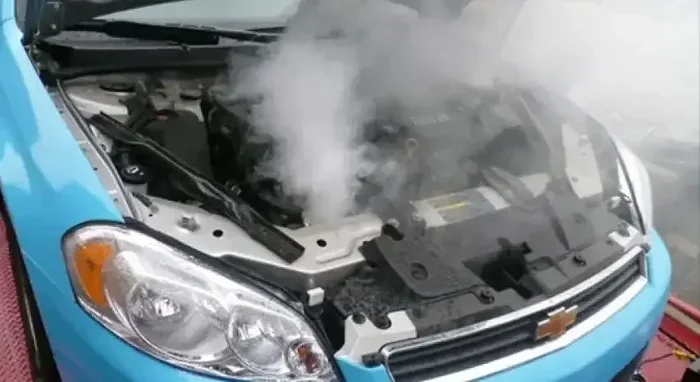
Can a Bad Battery Make Your Car Overheat Right Now
Yes, a bad battery can make your car overheat. A weak or failing car battery forces the electrical system to work harder, which can strain the cooling system and lead to car overheating. Understanding the connection between your battery and engine temperature helps you prevent serious damage and costly repairs.
Have you ever been driving and noticed your car temperature gauge creeping into the red zone? It’s a scary moment for any driver. You pull over, pop the hood, and wonder what could be causing this. One question many car owners ask is whether a bad battery can make your car overheat. The short answer is yes. But the full story is more interesting than you might think.
Your car battery and engine cooling system are more connected than most people realize. A weak or failing battery doesn’t just cause starting problems. It can create a chain reaction that leads to car overheating. When your battery struggles, it puts extra stress on the electrical system. This stress can affect the cooling fan, the water pump, and other components that keep your engine at a safe temperature.
In this article, we will explore the full connection between a bad battery and car overheating. You will learn about the signs to watch for, the causes behind the problem, and the best ways to fix and prevent it. Whether you are dealing with a hot engine right now or just want to avoid future problems, this guide has you covered.
Understanding your car’s electrical system is key. Many drivers don’t realize that the battery powers more than just the starter motor. It keeps the entire electrical network running smoothly. When that network fails, things heat up fast. Let us dive into the details.
Key Takeaways
- A failing battery can overload your car’s electrical system, causing the engine to work harder and generate excess heat.
- Corroded or weak batteries can disrupt the cooling fan and water pump, leading to overheating.
- Early signs of battery-related overheating include a rising temperature gauge, strange smells, and warning lights on your dashboard.
- Regular battery maintenance can prevent many overheating problems before they start.
- Replacing an old battery is often a simple and affordable fix that protects your engine.
- Other car problems like a misfire or cooling system failure can mimic battery-related overheating symptoms.
📑 Table of Contents
How a Car Battery Affects Engine Temperature
Most people think of a car battery as a simple power source for starting the engine. But your battery does so much more than that. It powers the entire electrical system, including the cooling fan, the fuel pump, and the engine control unit. When the battery starts to fail, all of these systems can feel the impact.
The Electrical System Connection
Your car’s electrical system relies on a steady flow of power. A healthy battery delivers consistent voltage to every component. But a failing battery has to work harder to deliver the same amount of energy. This extra effort creates resistance in the wiring. Resistance generates heat. And that heat can spread to nearby engine components.
When the battery cannot supply enough power, the alternator kicks in harder to compensate. The alternator is driven by the engine. So when it works harder, it puts more load on the engine. More engine load means more heat. This is one of the main ways a bad battery can lead to engine overheating.
How the Cooling System Depends on Electrical Power
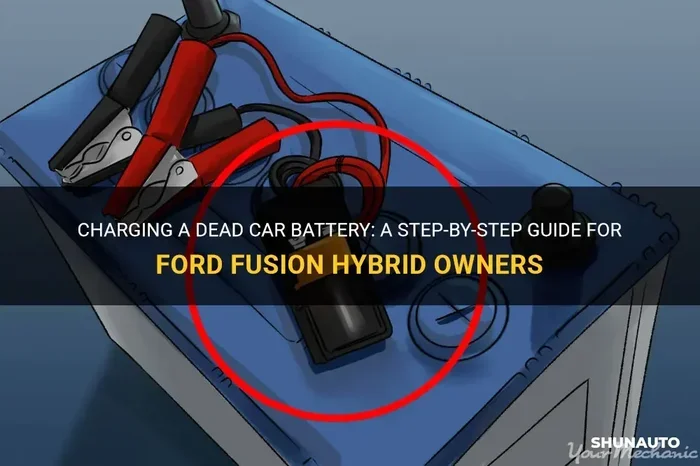
Modern cars use electric cooling fans to regulate engine temperature. These fans pull air through the radiator when the car is idling or moving slowly. The cooling fan runs on electrical power from the battery. A weak battery may not send enough power to keep the fan running at full speed.
When the cooling fan slows down or stops, the engine cannot cool properly. This is especially true in stop-and-go traffic or on hot days. The engine builds up heat with no way to release it. Over time, this can cause serious overheating damage.
The water pump is another critical component. In many modern cars, the water pump is electric. It circulates coolant through the engine block and radiator. A bad battery can cause the water pump to underperform. Without proper coolant flow, hot spots develop in the engine. These hot spots can lead to warping, cracking, and even engine failure.
Common Signs Your Battery Is Causing Overheating
Knowing the warning signs can save you from a major repair bill. Here are the most common symptoms that link a bad battery to car overheating:
- Rising temperature gauge: Your temperature gauge climbs into the red zone, especially at idle or in traffic.
- Battery warning light: The battery light on your dashboard comes on along with the temperature warning.
- Strange smells: You notice a sweet smell from coolant or a burning smell from electrical components.
- Weak cooling fan: The fan seems to run slower than usual or not at all when the car is stopped.
- Dim headlights: Your headlights dim when you are idling, which suggests a battery problem.
- Difficulty starting: The engine cranks slowly or struggles to start, especially after driving.
If you notice any of these signs, do not ignore them. A rising temperature gauge combined with battery issues is a clear red flag. Pull over safely and let the engine cool down. Continuing to drive with an overheating engine can cause permanent damage.
For more information on other signs of car trouble, check out our guide on can a car overheat in the winter. Cold weather can also cause battery and overheating problems.
What Causes a Battery to Fail and Overheat Your Car
Understanding the root causes helps you prevent problems before they start. Several factors can lead to battery failure that triggers overheating.
Battery Age and Wear
Car batteries typically last between three and five years. As a battery ages, its ability to hold a charge declines. The internal plates become corroded and worn. The battery has to work harder to deliver the same power. This extra effort creates heat both inside the battery and throughout the electrical system.
An old battery also has higher internal resistance. This resistance converts electrical energy into waste heat. Over time, this heat builds up and can affect nearby components. The battery casing itself may even swell or leak, which adds another layer of risk.
Corroded Battery Terminals
Corrosion on battery terminals is a common problem. White or blue-green buildup forms on the terminals over time. This corrosion creates a poor connection between the battery and the electrical system.
A poor connection means less power reaches the components that need it. The cooling fan and water pump may not get the full voltage they require. This leads to underperformance and, eventually, overheating. Cleaning your battery terminals regularly is one of the easiest maintenance tasks you can do.
Parasitic Draw
A parasitic draw happens when something in your car continues to drain power from the battery when the engine is off. Common culprits include faulty relays, stuck lights, or aftermarket electronics. A constant parasitic draw weakens the battery over time.
When a weakened battery is then asked to power the cooling system during driving, it simply cannot keep up. The result is an overloaded electrical system and rising engine temperatures. If you suspect a parasitic draw, have a mechanic test your battery and electrical system.
Extreme Temperatures
Both hot and cold weather can damage your battery. Extreme heat causes the battery fluid to evaporate faster. This accelerates internal corrosion. Cold weather reduces the battery’s ability to deliver power. In both cases, the battery has to work harder, which can contribute to overheating problems.
If you live in a hot climate, your battery may need replacement more often. Parking in the shade or using a battery insulator can help extend its life.
How to Diagnose Battery-Related Overheating
If you suspect your battery is causing your car to overheat, here is how you can diagnose the problem step by step.
- Check the battery voltage: Use a multimeter to test the battery. A healthy battery should read 12.6 volts or higher when the engine is off. If it reads below 12.0 volts, the battery is weak.
- Inspect the terminals: Look for white or greenish buildup on the terminals. Clean them with a baking soda and water solution if you see corrosion.
- Test the cooling fan: Start the engine and let it idle until it reaches normal operating temperature. The cooling fan should kick on. If it does not, check the fuse and relay first, then the battery connection.
- Check the alternator output: The alternator should produce 13.5 to 14.5 volts when the engine is running. If the output is too low, the battery is not being charged properly.
- Inspect the serpentine belt: A loose or worn belt can cause the alternator and water pump to underperform. This mimics battery problems and can lead to overheating.
Sometimes the symptoms of a bad battery overlap with other car problems. For example, driving with a misfire can also cause your engine to run hot. A thorough diagnosis is essential to find the real cause.
It is also worth noting that electrical issues can be dangerous. If you are not comfortable working under the hood, take your car to a trusted mechanic. For more on car safety, read our article on can you get electrocuted in a car.
Prevention and Maintenance Tips
The best way to deal with battery-related overheating is to prevent it from happening in the first place. Here are some practical tips to keep your battery and cooling system in top shape.
Regular Battery Inspections
Have your battery tested at every oil change or at least twice a year. A mechanic can check the voltage, load capacity, and internal health of the battery. Catching a weak battery early gives you time to replace it before it causes overheating or other problems.
Keep Terminals Clean
Clean your battery terminals every few months. Use a wire brush and a baking soda solution to remove corrosion. Apply a thin layer of petroleum jelly or dielectric grease after cleaning to prevent future buildup.
Replace Batteries on Schedule
Do not wait for your battery to die completely. Replace it every three to five years, or sooner if you live in an extreme climate. A fresh battery delivers reliable power to all your car’s electrical systems, including the cooling system.
Monitor Your Temperature Gauge
Keep an eye on your temperature gauge while driving. If you notice it climbing, pull over safely and turn off the engine. Let it cool for at least 15 to 20 minutes before checking the coolant level or the battery.
Address Electrical Issues Promptly
If you notice dim lights, slow cranking, or warning lights on your dashboard, get them checked right away. These are early signs of electrical problems that can lead to overheating if left unchecked.
When a Bad Battery Is Not the Real Problem
Sometimes the battery gets blamed for overheating when the real cause is something else. It is important to consider other possibilities.
A low coolant level is one of the most common causes of overheating. A leaking radiator, a broken water pump, or a stuck thermostat can all cause the engine to run hot. These problems have nothing to do with the battery but can produce similar symptoms.
A clogged radiator or a broken cooling fan relay can also cause overheating. In these cases, the battery may be perfectly healthy, but the cooling system cannot do its job.
This is why a proper diagnosis matters. Do not assume it is the battery just because the car is overheating. A mechanic can run a full electrical and cooling system check to find the real culprit.
For more on car overheating issues, see our article about can a car overheat in the winter. Weather conditions play a big role in both battery health and engine temperature.
Final Thoughts
A bad battery can absolutely make your car overheat. The connection between your battery and engine temperature is real and important. When your battery fails, it puts extra strain on the electrical system, the cooling fan, and the water pump. All of these components work together to keep your engine at a safe temperature.
The good news is that preventing battery-related overheating is straightforward. Regular maintenance, timely battery replacement, and prompt attention to warning signs go a long way. Keep your battery clean, test it regularly, and replace it before it fails completely.
Your car depends on a healthy battery to run efficiently. Taking care of your battery means taking care of your entire vehicle. The next time you see that temperature gauge rising, remember that the battery might be the hidden cause. Stay proactive, stay safe, and keep your car running cool.
Frequently Asked Questions
Can a dead car battery cause overheating?
A completely dead battery will not cause overheating directly, but a severely weak battery can strain the alternator and cooling system. This extra strain can lead to rising engine temperatures. If your battery is dead, replace it quickly to avoid further electrical problems.
How do I know if my car is overheating because of the battery?
Look for a combination of symptoms. If your temperature gauge is rising and you also have dim lights, slow cranking, or a battery warning light, the battery may be the cause. A mechanic can test both the battery and the cooling system to confirm the diagnosis.
Is it safe to drive with a bad battery and an overheating engine?
No, it is not safe. Driving with an overheating engine can cause permanent engine damage. A bad battery adds extra stress to an already strained system. Pull over, turn off the engine, and get your car towed to a mechanic if needed.
How often should I replace my car battery to prevent overheating?
Most car batteries last three to five years. Replace yours within this range, or sooner if you live in a hot climate. Regular battery testing can help you catch a weak battery before it causes overheating problems.
Can cleaning battery terminals fix overheating?
Cleaning corroded terminals can improve electrical connections and help the cooling system perform better. However, cleaning alone will not fix a battery that is old or damaged. If the battery is weak, replacement is the best solution.
Does hot weather make battery problems worse?
Yes, hot weather accelerates battery fluid loss and internal corrosion. This weakens the battery faster and can lead to overheating issues. Park in the shade when possible and check your battery more frequently during summer months.