Can You Drive a Hybrid Without the Hybrid Battery
Yes, you can drive a hybrid without the hybrid battery in some cases, but it depends on your vehicle type and how bad the battery damage is. Full hybrids and mild hybrids behave differently when the battery dies, and understanding your hybrid powertrain is essential. Driving on gasoline alone is possible with certain models, but you may lose fuel economy, power, and regenerative braking.
You are cruising down the road in your hybrid car when suddenly a warning light pops up on the dashboard. Your heart sinks. The hybrid battery light is on. You start wondering, “Can I still drive this thing?”
The short answer is yes, you can drive a hybrid without the hybrid battery in many situations. But the long answer is more complicated. It depends on your vehicle type, the severity of the battery issue, and what kind of hybrid system you have. Some drivers keep going for miles on gasoline alone. Others find themselves stuck on the side of the road within a few blocks.
This article breaks down everything you need to know about driving a hybrid when the battery fails. We will cover how hybrid systems work, what happens when the battery dies, warning signs to watch for, and what to do next. Whether you own a Toyota Prius or a Ford Escape Hybrid, this guide has you covered.
Before we dive in, let us clear up one important thing. A hybrid vehicle uses two power sources: a gasoline engine and an electric motor. The hybrid battery stores energy to power the electric motor and recharge through regenerative braking. When that battery goes bad, your car does not necessarily stop working entirely. But it does change how your car performs, feels, and consumes fuel.
Key Takeaways
- Hybrids can run on gas alone: Most full hybrids allow limited driving without a working hybrid battery, but performance drops significantly.
- Warning signs matter: Recognizing early symptoms of battery failure can prevent you from being stranded.
- Hybrid battery replacement costs vary: Costs range from $1,000 to $8,000 depending on the vehicle model and battery type.
- Mild hybrids vs full hybrids differ: Mild hybrids cannot run without their battery, while full hybrids have a backup gasoline-only mode.
- Regular maintenance extends battery life: Simple habits can add years to your hybrid battery lifespan and save you money.
- Safety first: Always consult a professional mechanic before attempting to drive a hybrid with a known battery issue.
📑 Table of Contents
How a Hybrid Powertrain Works
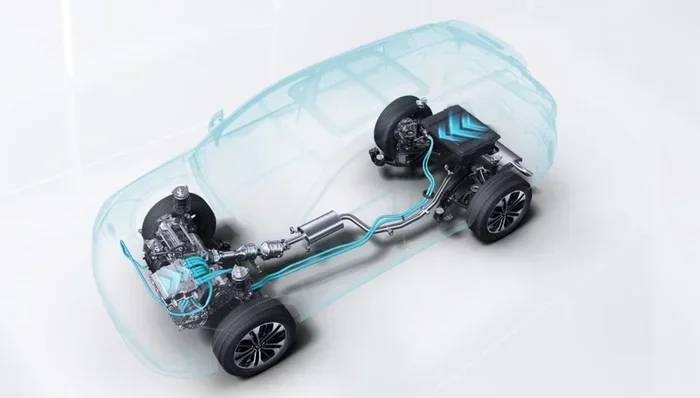
Understanding how a hybrid powertrain functions helps you grasp why the battery matters so much. A hybrid car is not just a regular gasoline car with a fancy battery slapped in. It is a carefully engineered system where every part depends on the other.
The Role of the Hybrid Battery
The hybrid battery serves as the energy reservoir for the electric motor. When you accelerate, the battery sends power to the motor. When you brake or coast, the system recovers energy and sends it back to the battery. This process is called regenerative braking, and it is one of the biggest reasons hybrids achieve such great fuel economy.
Without a functioning battery, the electric motor cannot do its job. Your car then relies entirely on the gasoline engine. Some hybrids handle this transition smoothly. Others struggle and lose much of their efficiency and performance.
Gasoline Engine vs Electric Motor
In a typical hybrid drivetrain, the gasoline engine and electric motor share the workload. The electric motor handles low-speed driving, stop-and-go traffic, and initial acceleration. The gasoline engine takes over at higher speeds and during heavy loads.
When the hybrid battery is healthy, this partnership works beautifully. The car sips gas and delivers smooth power. But when the battery fails, the balance breaks. The gasoline engine must do all the work alone, which can lead to strained performance and higher fuel consumption.
Some people wonder, can you put regular gas in a hybrid? The answer is usually yes, but that is a different topic. What matters here is that without the battery, your hybrid essentially becomes a regular gasoline car, minus the efficiency benefits. If you want to learn more about running a hybrid on gas alone, check out our guide on Can A Hybrid Run Without Gas.
What Happens When the Hybrid Battery Fails
A failing hybrid battery does not always mean your car dies instantly. In most cases, you will notice symptoms long before the battery completely stops working. Recognizing these signs early can save you from a stressful situation on the highway.
Warning Signs of a Failing Hybrid Battery
Your car gives you plenty of clues when the hybrid battery is going bad. Here are the most common warning signs:
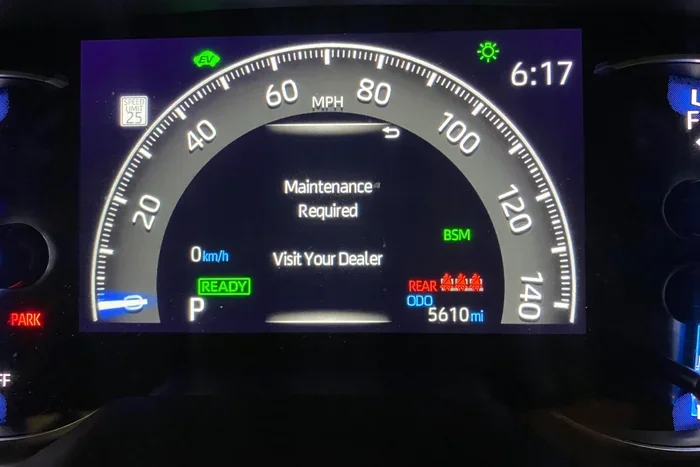
- Dashboard warning lights: The hybrid battery light, check engine light, or traction control light may illuminate on your dashboard.
- Reduced fuel economy: If your fuel economy drops noticeably, the battery may not be holding a charge properly.
- Rough idling: A failing battery can cause the engine to idle roughly or shut off unexpectedly at stoplights.
- Loss of power: You may feel sluggish acceleration or a lack of responsiveness when pressing the gas pedal.
- Strange noises: Clicking, buzzing, or humming sounds coming from the battery area can indicate internal damage.
- Battery not holding charge: If the battery drains quickly or shows a low charge on the display, it is likely deteriorating.
Can You Still Drive on Gasoline Alone?
In most full hybrids, the answer is yes. When the hybrid battery fails, the car’s computer system often switches to a “limp mode.” In this mode, the gasoline engine takes over all the work. You can still drive to a repair shop or home, but the experience will feel different.
Your car will feel heavier during acceleration. The fuel economy will drop because you lose the electric motor’s assist. You may also lose regenerative braking, which means your standard brakes do more work and can wear out faster.
If you are curious about driving a hybrid exclusively on gasoline, you can read more in our article Can You Drive A Hybrid On Gas Only. It covers this topic in great detail.
Driving a Hybrid with a Dead Battery: What to Expect
So you are already dealing with a dead hybrid battery. Now what? Understanding what to expect helps you stay safe and make smart decisions.
Full Hybrid vs Mild Hybrid Differences
Not all hybrids are created equal. The type of hybrid system you have determines what happens when the battery dies.
Full hybrids (like the Toyota Prius) have a larger battery and a more powerful electric motor. These vehicles can typically run on the gasoline engine alone when the battery fails. You might lose some power and efficiency, but you can still reach a destination safely.
Mild hybrids use a smaller battery and a less powerful electric motor. The electric motor mainly assists the gasoline engine rather than powering the car on its own. When a mild hybrid battery fails, the impact is more immediate. The car may struggle to start, idle roughly, or lose accessory power. In some cases, a mild hybrid cannot run at all without a working battery.
Performance and Safety Concerns
Driving with a dead hybrid battery comes with real risks. Here is what you should know:
- Reduced braking performance: Without regenerative braking, your stopping distance increases. You rely entirely on your traditional friction brakes.
- Engine strain: The gasoline engine works harder without electric assist, which can cause overheating over long distances.
- Electrical issues: Some hybrid systems power accessories through the battery. A dead battery may affect your radio, lights, or climate control.
- High-voltage danger: Hybrid batteries operate at very high voltages. A damaged battery can pose a shock hazard if not handled properly.
If you ever find yourself in a situation where your hybrid battery has completely died and you cannot start the car, you might consider jump starting a hybrid. However, this should only be done with proper knowledge and equipment.
Hybrid Battery Replacement and Maintenance
The best approach to a dead hybrid battery is prevention and timely replacement. Ignoring a failing battery can lead to bigger problems and higher repair costs down the road.
How Much Does Battery Replacement Cost?
The cost of replacing a hybrid battery varies widely. Several factors influence the price:
- Vehicle make and model: Luxury hybrids cost more to repair than economy models.
- Battery type: Nickel-metal hydride (NiMH) and lithium-ion batteries have different price points.
- New vs refurbished: A new OEM battery can cost $3,000 to $8,000. Refurbished options run $1,000 to $3,000.
- Labor costs: Installation typically adds $500 to $1,500 depending on your location and the complexity of the job.
While the upfront cost seems steep, remember that a new hybrid battery can last 10 to 15 years with proper care. Many owners find that the long-term fuel savings offset the replacement cost entirely.
Extending Your Hybrid Battery Life
You do not have to wait for your battery to fail. There are practical steps you can take to extend its life:
- Avoid extreme temperatures: Park in shaded areas during summer and use a garage in winter. Extreme heat and cold degrade battery cells faster.
- Drive regularly: Batteries self-discharge over time. Regular driving keeps the cells active and healthy.
- Avoid deep discharges: Try not to let your battery drain completely before recharging. Keep the charge level between 40% and 80% when possible.
- Schedule routine maintenance: Have a qualified technician check your hybrid system during regular service visits.
- Use the right fuel: Always use the fuel grade recommended by your manufacturer. Using incorrect fuel can stress the entire powertrain.
For more information about fuel types and compatibility, check out our article on Can You Put Regular Gas In A Hybrid.
Common Mistakes to Avoid
When your hybrid battery starts showing signs of trouble, it is tempting to ignore the problem or try DIY fixes. Here are common mistakes that hybrid owners make:
- Ignoring warning lights: That little battery light on your dashboard is trying to tell you something. Ignoring it can turn a $2,000 repair into a $6,000 one.
- Driving long distances on a dead battery: Sure, you can limp to the next exit. But pushing it for miles on end can damage the gasoline engine too.
- Using incompatible replacement batteries: Not all hybrid batteries are interchangeable. Using the wrong one can damage your entire electrical system.
- Skipping professional diagnostics: A generic OBD scanner might not read hybrid-specific codes properly. Always see a technician who specializes in hybrids.
- Assuming the car is totaled: Many people think a dead hybrid battery means the end of the road. In reality, most hybrid cars are fully drivable on gas alone until the battery is replaced.
Another mistake people make is confusing a hybrid battery failure with other electrical problems. Sometimes a faulty sensor or a blown fuse mimics battery symptoms. A proper diagnosis saves you money and prevents unnecessary part replacements.
What to Do If Your Hybrid Battery Dies on the Road
Finding yourself stranded with a dead hybrid battery is stressful. Here is a step-by-step plan to handle the situation safely:
- Stay calm and pull over safely: Turn on your hazard lights and move to the right shoulder or a safe parking area.
- Check for warning codes: If you can, glance at the dashboard for any specific error codes or messages.
- Try restarting the car: Sometimes a simple restart can reset the system temporarily. Turn the car off, wait 30 seconds, and restart.
- Drive to safety if the car starts: If the car starts on gasoline alone, drive slowly to the nearest mechanic or a safe location. Do not push the engine hard.
- Call for roadside assistance: If the car will not start or stalls, call a tow truck. Make sure the tow operator knows you have a hybrid vehicle with a high-voltage system.
- Get a professional diagnosis: Once you are safely at a shop, have a qualified hybrid technician inspect the battery and charging system.
Remember, your safety comes first. A hybrid vehicle has high-voltage components that can be dangerous if mishandled. Always let a professional handle battery-related repairs.
The Future of Hybrid Battery Technology
The automotive industry is evolving rapidly. Hybrid battery technology is getting better, cheaper, and more durable with each generation. Lithium-ion batteries are replacing older nickel-metal hydride packs, offering higher energy density and longer lifespan.
Manufacturers are also developing solid-state batteries that promise even greater efficiency and safety. These advancements mean future hybrid owners may rarely face battery failure issues. For now, understanding your current hybrid system and maintaining it properly remains the best strategy.
If you are considering buying a hybrid, rest assured that hybrid battery technology has come a long way. Most modern hybrid batteries last well over 100,000 miles with normal use. And for those wondering about long-term ownership, check out our article on Can A Hybrid Car Last 10 Years for valuable insights on hybrid longevity.
Conclusion
So, can you drive a hybrid without the hybrid battery? The answer is yes, in most cases. Your car will run on the gasoline engine alone, though you will lose the benefits of electric assist, regenerative braking, and excellent fuel economy. The experience will feel different, and performance will not be the same.
However, driving with a dead or failing battery is not a long-term solution. It can strain your gasoline engine, reduce safety, and lead to more expensive repairs down the line. The smartest move is to address the battery issue promptly. Whether that means replacement, refurbishment, or simply getting a proper diagnosis, taking action early saves you time, money, and stress.
Your hybrid vehicle is a sophisticated machine. Treat it with care, stay on top of maintenance, and it will reward you with years of reliable, efficient driving. And remember, you are not alone in this journey. Plenty of resources and professionals can help you navigate any hybrid battery challenges that come your way.
Frequently Asked Questions
Can I drive my hybrid car if the hybrid battery is completely dead?
In most full hybrid vehicles, yes. The car’s computer will switch to gasoline-only mode, allowing you to drive to a repair shop. However, you will notice reduced power, lower fuel economy, and the loss of regenerative braking. Drive carefully and avoid long distances until the battery is replaced.
How much does it cost to replace a hybrid battery?
Replacement costs typically range from $1,000 to $8,000 depending on your vehicle model, battery type, and whether you choose a new or refurbished unit. Labor costs add another $500 to $1,500 in most cases. Getting multiple quotes from certified technicians helps you find the best price.
Can a dead hybrid battery damage the gasoline engine?
Yes, it can. When the hybrid battery fails, the gasoline engine must handle all the workload without electric assist. This extra strain can cause overheating, increased wear on engine components, and reduced engine life over time. Addressing battery issues promptly helps protect your entire powertrain.
How long does a hybrid battery typically last?
Most hybrid batteries last between 80,000 and 150,000 miles, depending on driving habits, climate, and maintenance. Some owners report batteries lasting over 200,000 miles with proper care. Regular maintenance and avoiding extreme temperatures help extend battery life significantly.
Is it safe to jump-start a hybrid car with a dead battery?
It can be, but you must follow the correct procedures for hybrid vehicles. Hybrids have both a 12-volt auxiliary battery and a high-voltage hybrid battery. Jump-starting should only target the 12-volt battery, and you must follow the manufacturer’s instructions in the owner’s manual. If you are unsure, call a professional for assistance.
Should I buy a used hybrid car with a dead battery?
It depends on the price and your willingness to invest in a replacement. A used hybrid with a dead battery can still be driven on gasoline, but you will need to budget for the battery repair or replacement. Always get a full inspection and obtain a replacement cost estimate before purchasing.