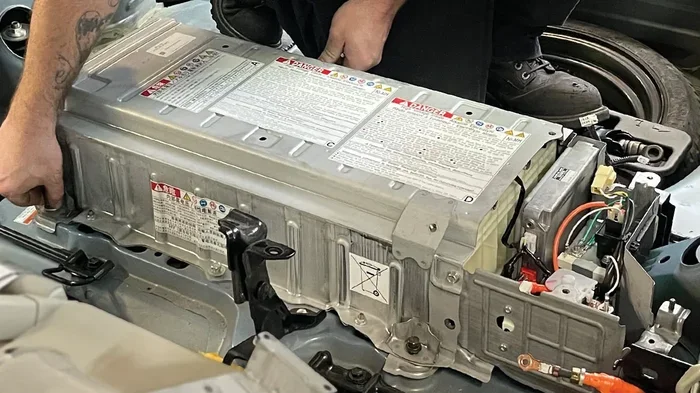
At What Mileage Do Prius Batteries Need to Be Replaced
Most Prius batteries need replacement between 100,000 and 150,000 miles, though some owners push well past 200,000 miles with proper care. The exact mileage depends on your model year, driving habits, and climate conditions. This guide covers everything you need to know about Prius battery replacement mileage, warning signs, costs, and how to maximize battery life.
Toyota Prius owners often ask one question more than any other: at what mileage do Prius batteries need to be replaced? The answer is not as simple as a single number. Your battery life depends on several factors, including your driving style, the climate you live in, and which generation Prius you own.
The good news is that Prius batteries are built to last. Many owners report their hybrid battery pack going strong well beyond 150,000 miles. But understanding when and why batteries degrade helps you plan ahead and avoid surprises. Let us walk through everything you need to know about Prius battery replacement mileage and how to keep your car running strong for years to come.
If you are curious about whether owning a hybrid actually saves you money at the pump, check out our article on Do You Really Save On Gas With A Hybrid. It covers the real-world fuel savings you can expect from your Toyota hybrid.
Key Takeaways
- Typical Replacement Range: Most Prius batteries last 100,000 to 150,000 miles before needing full replacement.
- Early Models Degrade Faster: First-generation Prius batteries (1997-2003) often show wear sooner than newer versions.
- Warning Signs Matter: Reduced fuel economy and dashboard alerts are clear indicators of battery trouble.
- Cost Varies Widely: Replacement costs range from $2,000 to $6,000 depending on the route you take.
- Maintenance Helps: Simple habits like avoiding extreme temperatures and keeping battery modules clean can add years of life.
- Warranty Coverage Exists: Toyota offers an 8-year/100,000-mile hybrid battery warranty in many states.
- Refurbished Options Save Money: A rebuilt battery pack can cost 30-50% less than a brand-new one.
📑 Table of Contents
- Understanding Your Prius Battery
- At What Mileage Do Prius Batteries Need to Be Replaced
- Signs Your Prius Battery Is Failing
- How Much Does Prius Battery Replacement Cost
- Tips to Extend Your Prius Battery Life
- When to Replace vs. When to Repair
- Common Mistakes Prius Owners Make With Battery Maintenance
- Expert Insights on Prius Battery Longevity
- Final Thoughts
Understanding Your Prius Battery
Before we talk about replacement mileage, it helps to understand what is inside your Prius and how it works. The battery in a Toyota Prius is not like the standard car battery under your hood. It is a large, complex pack made up of many smaller modules working together.
What Type of Battery Does a Prius Use
Most Prius models use a nickel-metal hydride battery pack. This technology has been around for decades and is known for reliability. The battery stores energy recovered through regenerative braking and delivers it to the electric motor. Together, the electric motor and gas engine create the hybrid powertrain that makes the Prius so efficient.
Newer Prius models, especially the fourth generation introduced in 2016, use a lithium-ion battery. Lithium-ion packs are lighter and more energy-dense. They also tend to hold up better over time. However, they come with their own set of maintenance considerations.
How the Hybrid Battery Works
Your Prius battery works hand in hand with the gas engine. At low speeds, the electric motor handles the work. When you accelerate harder or reach higher speeds, the gas engine kicks in. At what speed does a hybrid switch from electric to gas? Usually around 15 to 25 mph under light load. The transition is smooth and seamless for most drivers.
Regenerative braking plays a huge role in keeping your battery healthy. Every time you slow down, the electric motor acts as a generator. It captures energy that would normally be lost as heat and sends it back to the battery. This cycle of charging and discharging happens thousands of times during normal driving.
If you want to learn more about how your hybrid system manages power, read our guide on At What Speed Does A Hybrid Switch From Electric To Gas. It explains the switching process in detail.
At What Mileage Do Prius Batteries Need to Be Replaced
This is the big question. The truth is that there is no single magic number. Different Prius generations and different driving conditions lead to different outcomes. However, we can give you a solid range based on real-world data and manufacturer guidelines.
First Generation Prius Battery Life (1997-2003)
The original Toyota Prius set the standard for hybrid cars. But the first-generation battery technology was less advanced than what we have today. Many first-gen Prius owners report noticeable battery degradation around the 100,000-mile mark. Some need replacement as early as 80,000 miles, especially in hot climates.
The battery capacity loss in first-generation models tends to happen gradually. You might notice your fuel economy dropping by a few miles per gallon at first. Over time, the decline becomes more obvious. If you own or are considering a first-gen Prius, budgeting for a battery replacement around the 100,000- to 120,000-mile range is a smart move.
Second and Third Generation Battery Performance (2004-2015)
Toyota made significant improvements in the second and third generations. The 2004 to 2009 models (NHW20) and the 2010 to 2015 models (NHW21) both showed much better battery longevity. Most owners of these generations reach 150,000 miles without any major battery issues.
The hybrid battery warranty for these models covers 8 years or 100,000 miles in states that follow federal emissions standards. In California and other CARB states, the warranty extends to 10 years or 150,000 miles. This gives you a strong safety net if something goes wrong early.
That said, high-mileage Prius owners should keep an eye on battery health as they approach the 150,000-mile mark. Regular checkups with a trusted mechanic can catch early signs of battery degradation before they become costly problems.
Fourth Generation and Newer Models (2016 and Beyond)
The latest Prius models benefit from lithium-ion technology and improved thermal management. Toyota engineered these battery packs to last the lifetime of the vehicle. Many owners of 2016 and newer Prius models are still running on their original battery well past 200,000 miles.
Does this mean you will never need a replacement? Not necessarily. All batteries eventually degrade. But the timeline has shifted significantly. If you buy a new Prius today, you can reasonably expect the battery to last at least 150,000 to 200,000 miles with proper care.
Signs Your Prius Battery Is Failing
Catching battery problems early can save you thousands of dollars. The key is knowing what to look for. Here are the most common signs that your Prius battery is wearing out.
Warning Lights and Dashboard Alerts
The first thing most owners notice is the check engine light or a specific hybrid system warning on the dashboard. These lights mean your car has detected an issue with the battery or the hybrid control system. Do not ignore these warnings. They often appear well before a complete battery failure.
Some Prius models also display a battery health indicator on the information screen. If you see the charge level dropping faster than normal or the system showing reduced capacity, it is time to investigate further.
Drop in Fuel Efficiency
A telltale sign of a weakening Prius battery is a noticeable drop in fuel economy. If you are filling up more often than usual and your driving habits have not changed, the battery may be the culprit. The hybrid system relies on the battery to assist the gas engine. When the battery weakens, the gas engine works harder, and your miles per gallon suffer.
Do hybrids really save gas if the battery is failing? Not as much as they should. A healthy hybrid battery is the key to unlocking the fuel efficiency that makes these cars so appealing. If you want to understand the full picture, read our article on Do Hybrids Really Save Gas for a deep dive into real-world hybrid fuel savings.
Reduced Electric-Only Driving Range
One of the best features of a Prius is the ability to drive on electric power alone at low speeds. When the battery weakens, this electric-only mode becomes limited or disappears entirely. You might notice the gas engine kicking in sooner during city driving. This is a clear indicator that the battery can no longer hold enough charge to support electric-only operation.
How Much Does Prius Battery Replacement Cost
The cost of replacing a Prius battery is one of the biggest concerns for owners. The good news is that you have options, and the price has come down significantly over the years.
Dealer vs. Independent Shop Costs
Going to a Toyota dealer for battery replacement gives you peace of mind and warranty coverage. However, dealer prices are typically higher. A brand-new battery pack from the dealer can cost between $4,000 and $6,000 installed. This price includes the battery, labor, and any necessary programming or calibration.
Independent shops and specialty hybrid repair centers often offer lower prices. A new OEM battery from an independent source might cost $2,500 to $4,000 installed. The savings can be significant, but make sure you choose a reputable shop with experience working on Toyota hybrids.
Refurbished vs. New Battery Options
Refurbished or rebuilt battery packs are a popular middle-ground option. These batteries have been disassembled, tested, and rebuilt with new modules as needed. A refurbished Prius battery typically costs between $1,500 and $3,000. The quality can be excellent, and many refurbished packs come with their own warranty.
Another option is replacing individual bad modules rather than the entire pack. Some shops can test each module and replace only the ones that have failed. This approach can cost as little as $500 to $1,500. However, it is not always a permanent fix, especially if multiple modules are degraded.
DIY Replacement Considerations
Some experienced DIYers choose to replace the battery themselves. The cost of an aftermarket battery pack can be as low as $1,000 to $2,000. But this route requires technical knowledge, the right tools, and comfort working with high-voltage electrical systems. Safety should always come first. If you are not experienced with hybrid systems, it is best to leave this job to the professionals.
Tips to Extend Your Prius Battery Life
Want to get the most miles out of your Prius battery? Simple maintenance habits can make a big difference. Here are proven tips to help your battery last longer.
- Avoid Extreme Temperatures: Both extreme heat and extreme cold accelerate battery degradation. Park in a garage or shaded area whenever possible. In very cold climates, consider a battery blanket or insulated cover.
- Drive Gently: Aggressive driving puts more strain on the battery. Smooth acceleration and gentle braking help the battery maintain a healthy charge cycle.
- Keep the Battery Clean: Dirt and debris can trap heat around the battery pack. Regularly clean the area around the battery in the trunk or under the rear seat.
- Avoid Deep Discharges: Try not to let the battery drain to very low levels regularly. The hybrid system manages this automatically in most cases, but avoiding fully depleting the battery helps preserve its overall health.
- Follow the Maintenance Schedule: Toyota recommends regular hybrid system checks. Staying on top of scheduled maintenance helps catch small issues before they become big problems.
For owners who want to keep their hybrid in top shape, regular maintenance goes a long way. If you are also wondering about other aspects of hybrid ownership, our guide on Can I Charge My Hybrid Car At Home covers everything you need to know about keeping your battery charged and healthy.
When to Replace vs. When to Repair
Not every battery issue requires a full replacement. Knowing the difference between a repairable problem and a failing battery saves you money and frustration.
Minor issues like a faulty sensor, a loose connection, or a single bad module often do not require a full pack replacement. A qualified technician can diagnose the exact problem and recommend the most cost-effective fix. In many cases, a repair costs a fraction of what a full replacement would run.
However, if multiple modules are failing or the overall battery capacity has dropped significantly, a full replacement makes more sense. Continuing to drive with a severely degraded battery can damage other components of the hybrid system, leading to even more expensive repairs down the road.
A good rule of thumb: if your fuel economy has dropped by more than 20% and you are seeing warning lights, it is time to get a professional diagnosis. Early intervention is always cheaper than waiting for a complete failure.
Common Mistakes Prius Owners Make With Battery Maintenance
Avoiding these common mistakes can help you get more life out of your Prius battery and avoid unnecessary expenses.
- Ignoring Warning Signs: Many owners brush off early symptoms like slight drops in fuel economy or occasional warning lights. These small signs often point to bigger problems developing inside the battery.
- Skipping Regular Maintenance: Skipping scheduled hybrid system checks means you miss opportunities to catch battery issues early. Routine inspections are cheap insurance against expensive repairs.
- Using the Wrong Replacement Battery: Not all replacement batteries are created equal. Using a non-OEM or incompatible battery can void your warranty and cause additional problems with the hybrid system.
- Overcharging or Undercharging: Modern Prius models manage charging automatically, but older models may need more attention. Letting the battery sit at a very low charge for extended periods can cause permanent damage.
- Neglecting Cooling System Maintenance: The battery thermal management system relies on proper cooling. Neglecting coolant changes or cooling fan maintenance can lead to overheating and accelerated battery wear.
Expert Insights on Prius Battery Longevity
Toyota engineers designed the Prius battery system with longevity in mind. The company has collected extensive data on battery performance across different climates, driving styles, and mileage ranges. According to Toyota’s own reliability studies, the average hybrid battery lasts well beyond the warranty period in most cases.
Hybrid vehicle maintenance experts agree that the biggest factor in battery longevity is consistent use. Prius batteries that sit unused for long periods tend to degrade faster than those driven regularly. The charge-discharge cycle keeps the battery cells balanced and healthy.
Climate also plays a significant role. Owners in very hot regions like Arizona or Nevada may see faster battery degradation than those in milder climates. This is because high temperatures accelerate the chemical reactions inside the battery that cause capacity loss over time.
The takeaway is clear: if you want your Prius battery to last as long as possible, keep the car in a moderate climate when possible, drive it regularly, and stay on top of maintenance. These simple steps add years of reliable service to your hybrid battery pack.
Final Thoughts
So, at what mileage do Prius batteries need to be replaced? For most owners, the answer falls somewhere between 100,000 and 150,000 miles. But with proper care and maintenance, many Prius batteries go well beyond that range without any issues.
Your Prius battery is one of the most durable components in the car. Toyota engineered it to handle years of daily driving, regenerative charging cycles, and varying climate conditions. By understanding the signs of battery wear, staying on top of maintenance, and knowing your replacement options, you can enjoy your Prius for many miles to come.
Remember, a little attention goes a long way. Check your battery health regularly, address warning signs promptly, and choose the right replacement option when the time comes. Your wallet and your Prius will thank you for it.
Frequently Asked Questions
What is the average lifespan of a Prius battery?
The average Prius battery lasts between 100,000 and 150,000 miles. However, many owners report their batteries lasting well beyond 200,000 miles with proper maintenance and care. The exact lifespan depends on your driving habits, climate, and which Prius generation you own.
How do I know if my Prius battery needs replacement?
Common signs include a significant drop in fuel economy, dashboard warning lights, reduced electric-only driving range, and difficulty holding a charge. If you notice any of these symptoms, have a qualified technician inspect your battery as soon as possible.
Is it worth replacing a Prius battery?
Yes, in most cases. A new or refurbished battery can restore your fuel economy and extend the life of your vehicle by many years. The cost of replacement typically ranges from $2,000 to $6,000, which is far less than the cost of replacing the entire vehicle.
Can I drive my Prius with a bad battery?
You can drive a Prius with a degraded battery, but it will not perform well. The gas engine will work harder, fuel economy will drop, and you may experience sluggish acceleration. Continuing to drive with a severely damaged battery can cause further damage to the hybrid system.
Does Toyota cover battery replacement under warranty?
Yes, Toyota covers hybrid batteries under an 8-year or 100,000-mile warranty in most states. In California and other CARB states, the warranty extends to 10 years or 150,000 miles. Check your specific warranty terms for full coverage details.
Can I replace just one module in my Prius battery pack?
Yes, in many cases a technician can replace individual bad modules instead of the entire pack. This is a more affordable option, but it only works if the rest of the battery is still in good condition. A professional diagnosis will determine whether module-level repair is a viable solution.
=== CONCLUSION ===
Knowing at what mileage Prius batteries need to be replaced helps you plan ahead and avoid unexpected breakdowns. Most batteries last between 100,000 and 150,000 miles, but with proper care, you can push that limit even further. Watch for warning signs, keep up with maintenance, and explore all your replacement options when the time comes. Your Prius battery is built to last, and with the right approach, it will keep your hybrid running strong for years to come.