Can You Still Drive a Hybrid If the Battery Dies Now
Yes, you can often still drive a hybrid if the battery dies, but it depends on the type of hybrid and which battery has failed. Most hybrids have two separate battery systems, and the gas engine can sometimes keep the car running even when the high-voltage hybrid battery dies. However, driving on a dead hybrid battery is not recommended and can cause further damage to your vehicle.
Have you ever been driving your hybrid car and suddenly seen a scary warning light on the dashboard? Maybe the battery indicator started flashing, and your mind immediately raced to the worst-case scenario. Can you still drive a hybrid if the battery dies? This is a question many hybrid owners worry about, and the answer might surprise you.
The short answer is yes, in most cases you can still drive a hybrid even if the battery dies, but there are important catches. Your hybrid vehicle has two separate battery systems, and understanding how they work can save you from a lot of stress on the road. Driving a hybrid with a dead battery is possible in many situations, but it should only be done as a temporary measure until you can get proper repairs.
Hybrid cars have become incredibly popular over the past decade. People love the fuel savings, the reduced emissions, and the smooth driving experience. But when something goes wrong with the battery system, many owners feel lost and confused. This guide will walk you through everything you need to know about what happens when your hybrid battery dies, whether you can keep driving, and what steps to take next.
Key Takeaways
- Dual Battery Systems: Hybrids have both a high-voltage battery and a 12-volt battery, and they can fail independently.
- Limited Driving Possible: Some hybrids can run on gas alone if the hybrid battery dies, but performance and safety are compromised.
- Warning Signs Exist: Diminished fuel economy, strange noises, and warning lights often signal a failing hybrid battery before it dies completely.
- Replacement Costs Vary: Hybrid battery replacement can range from $1,000 to over $8,000 depending on the vehicle model and battery type.
- Prevention Is Key: Regular maintenance and smart driving habits can significantly extend your hybrid battery life.
- Professional Help Matters: Always consult a certified technician for hybrid battery issues rather than attempting DIY fixes.
📑 Table of Contents
- Understanding the Two Battery Systems in Your Hybrid
- Can You Still Drive a Hybrid If the Battery Dies?
- Warning Signs That Your Hybrid Battery Is Failing
- What To Do When Your Hybrid Battery Dies
- The Cost of Hybrid Battery Replacement
- How to Extend Your Hybrid Battery Life
- Can You Jump Start a Hybrid With a Dead Battery?
- How Long Do Hybrid Batteries Typically Last?
- Conclusion
Understanding the Two Battery Systems in Your Hybrid
Before diving into what happens when a battery dies, you need to understand that your hybrid car has two completely different battery systems. This is something many people do not realize until they run into a problem. Each battery serves a unique purpose, and knowing the difference can help you troubleshoot issues more effectively.
The High-Voltage Hybrid Battery
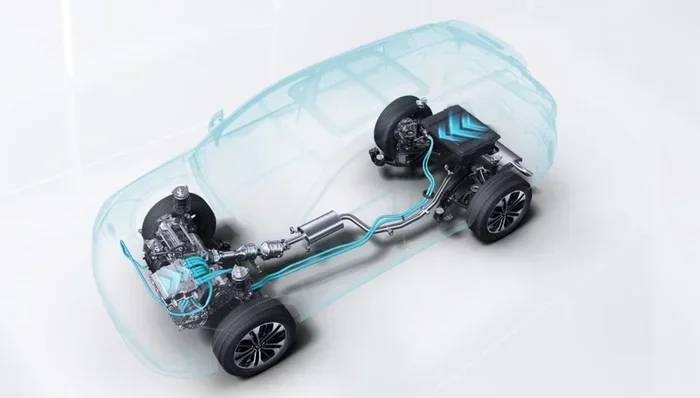
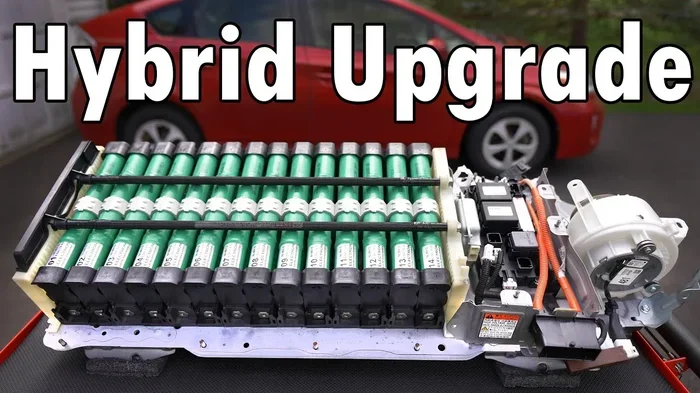
The high-voltage battery is the big one. This is the battery pack that powers the electric motor and works alongside the gas engine. It is usually located in the trunk or under the rear seats. This battery is what makes your car a hybrid in the first place. It stores energy recovered through regenerative braking and uses it to assist the gas engine during acceleration.
A high-voltage hybrid battery typically operates at several hundred volts. This is a serious piece of equipment, and it requires specialized knowledge to service. When people talk about a hybrid battery dying, they are usually referring to this high-voltage pack. It is also the most expensive component to replace.
The 12-Volt Auxiliary Battery
The second battery is a standard 12-volt battery, just like the one in a regular gas-powered car. This small battery powers the car’s computer systems, lights, radio, and other electronics. It also starts the hybrid system when you turn the key or press the start button. Many hybrid owners overlook this battery because it is the same type used in conventional vehicles.
Here is an important distinction: if your 12-volt battery dies, your hybrid will not start at all. But if your high-voltage hybrid battery fails, you may still be able to drive on gas power alone. This difference matters a lot when figuring out your next steps.
Can You Still Drive a Hybrid If the Battery Dies?
Now for the big question. Can you still drive a hybrid if the battery dies? The answer depends on which battery has failed and what type of hybrid system your car uses. Let us break this down into different scenarios so you know exactly what to expect.
When the High-Voltage Battery Dies but the Gas Engine Still Works
In many hybrid designs, if the high-voltage battery dies, the gas engine can still power the car. This is because most hybrids are built with a parallel or series-parallel powertrain that allows the gas engine to work independently. You will lose all electric assist, which means acceleration will feel sluggish and less responsive. Your fuel economy will also drop significantly since you are no longer getting any electric support.
Some hybrids are designed to shut down completely if the high-voltage battery fails. This is a safety feature built into the car’s computer system. The vehicle detects a fault in the hybrid system and prevents you from driving to avoid causing further damage. In these cases, you will need a tow truck and professional repairs before you can drive again.
If your hybrid can still run on gas alone after the battery dies, you should treat it as a temporary solution only. Driving long distances without a functioning hybrid battery can strain the gas engine and lead to additional repairs. It is always best to get your vehicle inspected by a professional as soon as possible.
When Both the High-Voltage and 12-Volt Batteries Fail
This is the worst-case scenario. If both batteries have failed, your hybrid car will not start or move. You will need a jump start or a replacement battery before the car can operate again. In this situation, you should call a roadside assistance service or a qualified mechanic who has experience with hybrid vehicles.
It is worth noting that a dead 12-volt battery is much more common than a dead high-voltage battery. Many hybrid owners have experienced the frustration of a dead auxiliary battery, especially in older vehicles or after extended periods of inactivity. This is an easy fix and does not mean your hybrid system is broken.
Hybrid Models That Can Run on Gas Only
Some hybrid models handle battery failure better than others. Certain full hybrids can switch to gas-only mode seamlessly when the battery dies. Mild hybrids, on the other hand, rely more heavily on the electric motor and may not run at all if the battery fails. Plug-in hybrids fall somewhere in between, and their behavior depends on the specific design and manufacturer.
If you are curious about how different hybrid systems handle running on gas alone, you can check out our guide on can you drive a hybrid on gas only. It covers the details of hybrid operation in gas-only mode across different vehicle types.
Warning Signs That Your Hybrid Battery Is Failing
The good news is that hybrid batteries rarely die without warning. Your car gives you plenty of signals that something is wrong long before the battery completely fails. Learning to recognize these signs early can save you from getting stranded and help you avoid costly repairs.
Decreased Fuel Economy
One of the first signs of a failing hybrid battery is a noticeable drop in fuel economy. If you find yourself visiting the gas station more often than usual, your hybrid battery may not be holding a charge properly. The electric motor is not assisting the gas engine as it should, which means your gas engine has to work harder.
Keep track of your fuel economy over time. Most hybrids display real-time and average fuel economy on the dashboard. If you see a consistent downward trend, it is worth getting the battery system checked.
Unusual Warning Lights on the Dashboard
Your hybrid car has a sophisticated diagnostic system that monitors the battery and powertrain. If something goes wrong, warning lights will appear on your dashboard. The check engine light, the hybrid system warning light, or a battery icon may illuminate. Do not ignore these lights. They are your car’s way of telling you something needs attention.
Some hybrids also display a reduced power mode. This limits your vehicle’s performance to protect the drivetrain from further damage. If you see this message, pull over safely and contact a mechanic.
Strange Noises or Vibrations
A healthy hybrid operates quietly and smoothly. If you start hearing unusual sounds from the powertrain area, such as grinding, whining, or clicking noises, it could indicate a failing battery or motor. Vibrations during acceleration or at idle are also red flags that should not be ignored.
Battery Won’t Hold a Charge
If your hybrid battery keeps losing its charge even after driving for a while, the battery cells may be degrading. A healthy hybrid battery should maintain its charge through normal driving and regenerative braking. A battery that constantly needs recharging or shows low charge levels even after extended driving is a clear sign of deterioration.
What To Do When Your Hybrid Battery Dies
So your hybrid battery has died. Now what? The steps you take next matter a lot for both your safety and your wallet. Here is a practical guide on how to handle this situation calmly and effectively.
Step 1: Pull Over Safely
If you are driving and suddenly lose power or see multiple warning lights, pull over to a safe location. Turn on your hazard lights and assess the situation. Do not try to force the car to keep driving if it feels like it is struggling. Safety always comes first.
Step 2: Check the 12-Volt Battery
Before assuming the worst, check the 12-volt auxiliary battery. Sometimes the problem is as simple as a dead auxiliary battery preventing the hybrid system from starting. You can use a multimeter to check the voltage, or you can try jump-starting the car. If you are not familiar with this process, call for roadside assistance.
For information about jump-starting procedures specific to hybrids, check out our article on can you jump start a hybrid. It provides step-by-step guidance for safely jump-starting different hybrid models.
Step 3: Call for Professional Help
If the high-voltage hybrid battery has failed, you need professional assistance. Do not attempt to open or repair the high-voltage battery yourself. The electrical system in a hybrid operates at very high voltages that can be extremely dangerous without proper training and equipment. Call a certified hybrid mechanic or a roadside assistance service that handles hybrid vehicles.
Step 4: Arrange for Towing if Needed
If your car cannot be driven at all, arrange for a flatbed tow truck. Do not tow a hybrid by the front wheels on a conventional tow dolly, as this can damage the electric motor and transmission. Always use a flatbed or follow the manufacturer’s recommended towing procedures.
Step 5: Get a Diagnostic Check
Once your car is at the repair shop, have the technician run a full diagnostic check. This will identify exactly which component has failed and whether it is the battery, the inverter, the motor, or another part of the hybrid system. A proper diagnosis ensures you do not spend money on unnecessary repairs.
The Cost of Hybrid Battery Replacement
One of the biggest concerns for hybrid owners is the cost of replacing a dead battery. Hybrid battery replacement can be expensive, but the exact cost varies widely depending on several factors. Understanding what drives the price can help you make informed decisions about repair versus replacement.
Average Replacement Costs
On average, a hybrid battery replacement costs between $2,000 and $8,000. The wide range depends on the make and model of your vehicle, the type of battery technology used, and whether you choose a new or refurbished battery. Some luxury hybrids with larger battery packs can cost even more to replace.
Here are some rough estimates for popular hybrid models:
- Toyota Prius: $2,000 to $4,500
- Toyota Camry Hybrid: $2,500 to $5,000
- Ford Escape Hybrid: $3,000 to $6,000
- Chevrolet Volt: $3,500 to $7,000
- Lexus Hybrid Models: $4,000 to $8,000
Factors That Affect the Price
Several factors influence the final cost of a hybrid battery replacement. The age and mileage of your vehicle play a big role. Older vehicles with higher mileage may need additional repairs that add to the overall cost. The type of battery chemistry also matters. Nickel-metal hydride batteries tend to be less expensive than lithium-ion packs, but they are also heavier and less efficient.
Labor costs vary by region and shop. Hybrid battery replacement requires specialized tools and trained technicians, which can drive up labor charges. Some dealerships charge more than independent shops, but they may offer warranties on the replacement work.
Refurbished vs. New Batteries
You do not always have to buy a brand-new battery. Refurbished or rebuilt hybrid batteries can cost 30 to 50 percent less than new ones. These batteries have been tested, repaired, and certified to work reliably. However, the warranty on a refurbished battery is usually shorter than on a new one, so weigh your options carefully.
Can You Replace Just One Module?
In some cases, you do not need to replace the entire battery pack. Hybrid battery packs are made up of individual modules, and sometimes only one or two modules have failed. A technician may be able to replace just the faulty modules, which can save you hundreds or even thousands of dollars. Ask your mechanic about this option before committing to a full replacement.
How to Extend Your Hybrid Battery Life
The best way to deal with a dead hybrid battery is to prevent it from happening in the first place. Hybrid batteries are designed to last a long time, but poor maintenance and bad driving habits can shorten their lifespan significantly. Here are practical tips to keep your hybrid battery healthy for years to come.
Follow the Manufacturer’s Maintenance Schedule
Every hybrid vehicle comes with a recommended maintenance schedule. This includes regular inspections of the battery system, cooling system checks, and software updates for the hybrid control module. Following this schedule ensures small issues are caught before they become big problems.
Keep the Cooling System in Good Shape
Hybrid batteries generate heat during operation, and the cooling system keeps them at the right temperature. If the cooling system fails or becomes weak, the battery can overheat, which accelerates degradation. Have the coolant flushed and the cooling system inspected regularly as part of your hybrid maintenance routine.
Drive Smoothly and Avoid Extreme Temperatures
Aggressive driving, such as rapid acceleration and hard braking, puts extra stress on the hybrid battery. Smooth, steady driving is easier on all components of your hybrid system. Extreme heat and cold also affect battery performance. If possible, park your hybrid in a garage or shaded area to protect the battery from temperature extremes.
Keep the Battery Charged
For plug-in hybrids, keeping the battery charged within the recommended range is important. Letting the battery sit completely discharged for extended periods can cause permanent damage. For conventional hybrids, normal driving will keep the battery charged through regenerative braking, but avoid leaving your car unused for weeks at a time.
Address Warning Signs Immediately
Do not wait for a warning sign to become a full-blown problem. If you notice decreased fuel economy, strange noises, or dashboard warning lights, have your hybrid inspected right away. Early intervention can often prevent a complete battery failure and save you thousands of dollars in repair costs.
Can You Jump Start a Hybrid With a Dead Battery?
Jump-starting a hybrid is possible in certain situations, but it requires caution and the right approach. If your 12-volt auxiliary battery is dead, you can jump-start it just like a conventional car. However, jump-starting the high-voltage hybrid battery is a different story and should only be done by professionals.
Always refer to your owner’s manual for the correct jump-starting procedure. Using the wrong cables or connecting them incorrectly can damage the hybrid system or cause injury. If you are unsure about the process, it is always safer to call for professional assistance.
For more details on using jumper cables with hybrid vehicles, check out our article on can jumper cables be used on a hybrid. It covers the safety precautions and step-by-step instructions you need to know.
How Long Do Hybrid Batteries Typically Last?
Hybrid batteries are built to last, and most manufacturers estimate a lifespan of 8 to 15 years or 100,000 to 200,000 miles. However, actual battery life depends on driving habits, climate, maintenance, and the quality of the battery cells. Some hybrid owners have reported their batteries lasting well beyond 200,000 miles with proper care.
If you are considering buying a used hybrid, do not assume the battery is near the end of its life. Many used hybrids still have plenty of battery life remaining, especially if they were well-maintained by previous owners. You can request a battery health report from a mechanic before purchasing a used hybrid vehicle.
For more information about the long-term durability of hybrid vehicles, you might find our article on can a hybrid car last 10 years helpful. It dives deep into the longevity of hybrid systems and what owners can expect over time.
Conclusion
So, can you still drive a hybrid if the battery dies? The answer is yes, in many cases you can, but with important limitations. Most hybrids can run on gas power alone if the high-voltage battery fails, but you should treat this as a temporary solution. Always get professional help as soon as possible to diagnose and fix the problem properly.
Understanding your hybrid vehicle’s battery systems, recognizing warning signs early, and following a good maintenance routine can help you avoid the stress and expense of a dead battery. Hybrid cars are designed to be reliable and efficient, and with proper care, they can serve you well for many years.
Do not let the fear of a dead battery stop you from enjoying the benefits of hybrid ownership. Stay informed, stay proactive, and remember that help is always available when you need it. Your hybrid is a smart investment, and taking care of the battery is one of the best ways to protect that investment for the long haul.
Frequently Asked Questions
What happens if my hybrid battery dies while driving?
If your high-voltage hybrid battery dies while driving, the gas engine may continue to power the car, but you will lose electric assist and fuel economy will drop. In some models, the car may shut down completely for safety. Pull over safely and contact a professional mechanic for assistance.
How much does it cost to replace a hybrid battery?
Hybrid battery replacement costs typically range from $2,000 to $8,000 depending on the vehicle make and model, battery type, and whether you choose a new or refurbished battery. Labor costs and regional pricing also affect the final cost.
Can I drive my hybrid on gas only if the battery is dead?
Many full hybrids can operate on gas power alone if the hybrid battery fails. However, this is not recommended for long distances as it puts extra strain on the gas engine. It should only be used to reach a repair shop or safe location.
How do I know if my hybrid battery is dying?
Common signs of a dying hybrid battery include decreased fuel economy, dashboard warning lights, unusual noises from the powertrain, reduced power mode, and the battery not holding a charge. If you notice any of these symptoms, have your hybrid inspected promptly.
Can a dead 12-volt battery cause hybrid problems?
Yes, a dead 12-volt auxiliary battery can prevent your hybrid from starting entirely. This battery powers the car’s computer systems and starts the hybrid system. A dead 12-volt battery is more common and easier to fix than a high-voltage battery failure.
Is it worth replacing a hybrid battery or buying a new car?
It depends on the age and condition of your vehicle. If your hybrid is otherwise in good shape and the battery replacement cost is reasonable, it is usually worth replacing the battery. A new battery can add several more years of reliable service to your hybrid car.