Can You Put Too Much Oil in Your Car And Why It Matters
Yes, you can put too much oil in your car, and it can cause serious engine problems. When oil levels exceed the recommended capacity, it creates excess pressure, causes foaming, and can lead to engine misfires, oil leaks, and even catalytic converter failure. Understanding the right oil level and recognizing the signs of overfilling can save you from costly repairs.
You just finished an oil change, and something feels off. Maybe you added a little extra, or maybe the quick-lube tech went a bit heavy. Now you are wondering — can you put too much oil in your car? The short answer is yes, and doing so can lead to some serious engine trouble if you do not fix it quickly.
Oil is the lifeblood of your engine. It keeps everything lubricated, cool, and running smoothly. But like anything else, more is not always better. When oil levels exceed what your engine needs, the consequences can range from minor annoyances to major repairs. In this guide, we will walk through exactly what happens when you overfill your engine, how to spot the warning signs, and what you can do to fix it.
Whether you are a DIY mechanic or someone who just wants to understand their vehicle better, this article covers everything you need to know about overfilled engine oil. Let us get into it.
Key Takeaways
- Overfilling oil causes foaming: Excess oil churns with the crankshaft, creating air bubbles that reduce lubrication.
- Engine damage is a real risk: Too much oil can increase pressure, damage seals, and harm internal components.
- Warning signs are easy to spot: Blue smoke, oil pressure warnings, and unusual engine noises all point to overfilling.
- Fixing it is straightforward: Draining excess oil or visiting a mechanic resolves the issue quickly.
- Prevention is simple: Always check your dipstick and follow your owner’s manual for the correct oil capacity.
- Oil type matters: Using the right viscosity, like 5W-20 instead of 0W-20, helps maintain proper engine function.
- Act fast if overfilled: Driving with too much oil for extended periods can cause engine overheating and permanent damage.
📑 Table of Contents
- What Happens When You Put Too Much Oil in Your Car
- Signs Your Engine Oil Is Overfilled
- How Much Oil Does Your Car Actually Need
- Can Too Much Oil Cause a Car to Overheat?
- What to Do If You Overfill Your Engine Oil
- Preventing Oil Overfills in the Future
- How Oil Viscosity Relates to Overfilling
- Can Overfilled Oil Cause a Check Engine Light?
- Long-Term Effects of Driving with Too Much Oil
- Expert Insight: Why Mechanics Always Check Oil Levels Twice
- Conclusion
What Happens When You Put Too Much Oil in Your Car
Your engine has a specific oil capacity. This number is carefully calculated by the manufacturer based on the engine’s design, tolerances, and operating conditions. When you exceed that capacity, a chain of problems starts to develop. Here is a closer look at what goes wrong.
Oil Foaming and Loss of Lubrication
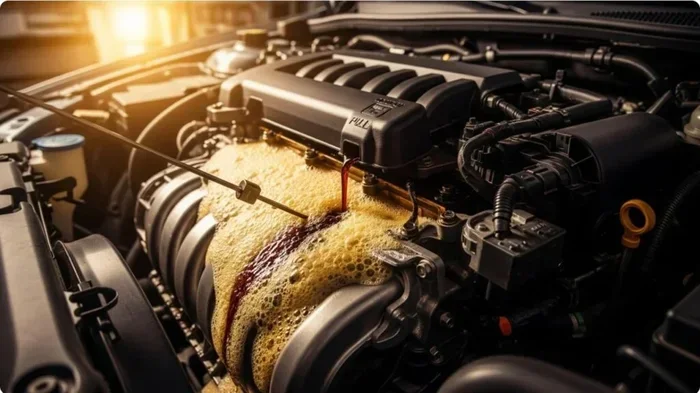
This is the biggest danger of overfilling. When there is too much oil in the crankcase, the rotating crankshaft starts churning through the excess liquid. This creates tiny air bubbles, essentially turning your oil into a foamy mixture. Foam cannot lubricate the way liquid oil does.
Without proper lubrication, metal parts inside your engine start grinding against each other. Over time, this leads to increased wear on bearings, pistons, and cylinder walls. The damage happens gradually, which makes it easy to overlook until it becomes a serious problem.
Increased Oil Pressure
Too much oil means increased pressure inside the engine crankcase. This extra pressure can push oil past seals and gaskets that are not designed to handle it. The result is often oil leaks around the engine bay, oil pan gasket, or valve cover gasket.
High oil pressure can also damage the oil pump and force oil into places it does not belong, such as the combustion chamber. This leads to burning oil, blue exhaust smoke, and poor engine performance.
Damage to the Catalytic Converter
When excess oil enters the combustion chamber and burns, it creates soot and residue. This residue travels into the exhaust system and can clog or damage the catalytic converter. Replacing a catalytic converter is expensive, often costing several hundred dollars or more.
So that small overfill you ignored could turn into a big repair bill. It is worth paying attention to your oil levels and taking action quickly if something seems off.
Signs Your Engine Oil Is Overfilled
The good news is that overfilled oil gives you plenty of warning signs. The key is knowing what to look for. Here are the most common indicators that your oil level is too high.
Blue or White Smoke From the Exhaust
If you notice blue or white smoke coming from your tailpipe, excess oil burning in the combustion chamber is a likely culprit. This happens when oil overflows into areas where it should not be, such as the cylinders. The smoke may be especially noticeable when you first start the engine or during idle.
Do not confuse this with normal condensation in cold weather. Blue smoke that persists is a clear signal that something is wrong with your oil level.
Oil Pressure Warning Light
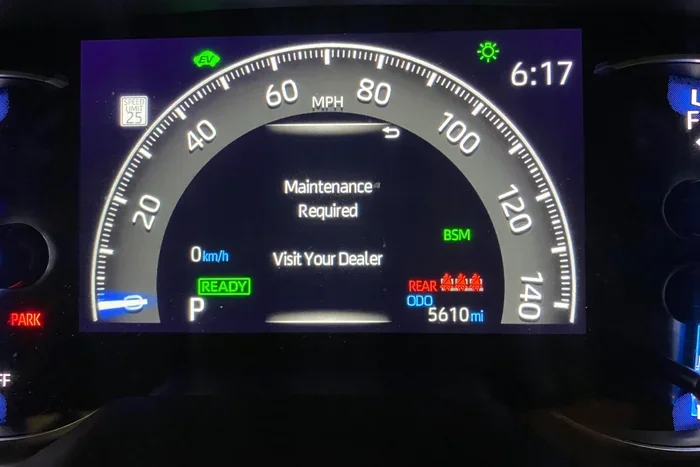
Your dashboard oil pressure light exists for a reason. When oil levels are too high, the pressure inside the system can spike, triggering this warning. If you see the oil pressure light on your dash, pull over safely and check your oil level with the dipstick.
Ignoring this warning can lead to severe engine damage. It is always better to stop and check than to keep driving and risk a breakdown.
Unusual Engine Noises
A foaming, churning sound from the engine bay can indicate that excess oil is being splashed around by the crankshaft. You might hear a gurgling or sloshing noise that was not there before your oil change. These sounds mean the oil is not flowing properly and lubrication is compromised.
Oil Leaks
Increased pressure from overfilled oil can force its way past seals and gaskets. If you notice fresh oil spots under your parked car or oil residue around the engine, overfilling could be the cause. Check your oil level and look for any wet areas around the engine bay.
Reduced Engine Performance
Too much oil can cause your engine to feel sluggish or unresponsive. You might notice rough idling, hesitation during acceleration, or a general lack of power. These symptoms occur because the foaming oil is not providing consistent lubrication to critical engine parts.
In some cases, overfilling can even trigger an engine misfire. If you experience misfiring alongside any of the other symptoms on this list, check your oil level immediately. Driving with a misfire can cause further damage to your engine and exhaust system.
How Much Oil Does Your Car Actually Need
Every vehicle has a specific oil capacity, and it varies from car to car. The easiest way to find your car’s exact oil capacity is to check the owner’s manual. This document provides the manufacturer’s recommended oil type and volume for your specific engine.
As a general rule, most passenger cars require between 4 and 6 quarts of oil. However, larger engines, turbocharged engines, and diesel engines may need more. The key is to never guess — always refer to your manual or the oil fill cap on the engine, which often lists the capacity.
How to Check Your Oil Level Correctly
Checking your oil level is simple, but doing it incorrectly can give you a false reading. Follow these steps:
- Park on level ground. This ensures the oil settles evenly in the oil pan.
- Turn off the engine and wait a few minutes. This gives the oil time to drain back into the pan.
- Pull out the dipstick, wipe it clean, reinsert it, then pull it out again. This gives you the most accurate reading.
- Check the markings on the dipstick. The oil should fall between the minimum and maximum marks. Ideally, it should be close to the maximum line but not above it.
If the oil level is above the maximum mark, you have too much oil. Even a small overfill of half a quart can cause problems over time, so it is worth correcting it right away.
Common Oil Capacity Reference
Here is a general comparison of oil capacities for common engine types. Keep in mind that these are estimates and your vehicle may differ.
- Small 4-cylinder engines: 3.5 to 5 quarts
- Medium 6-cylinder engines: 5 to 7 quarts
- Large V8 engines: 6 to 8 quarts
- Turbocharged engines: Varies widely, often 5 to 8 quarts
Always double-check with your owner’s manual for the exact capacity. Adding oil beyond the recommended amount does not provide extra protection — it only creates problems.
Can Too Much Oil Cause a Car to Overheat?
You might be wondering whether overfilled oil can cause your engine to overheat. The answer is yes, indirectly. When excess oil foams and loses its lubricating properties, increased friction between engine parts generates extra heat. This can raise your engine temperature beyond normal operating levels.
Additionally, if oil leaks past seals and enters the combustion chamber, it burns and creates residue that can affect cooling efficiency. While overfilling is not the most common cause of engine overheating, it is a contributing factor that is easy to avoid.
If you have been dealing with overheating issues, it is worth checking your oil level alongside other potential causes. Sometimes multiple small issues combine to create a bigger problem, and overfilled oil could be one of them.
What to Do If You Overfill Your Engine Oil
Discovering that you have put too much oil in your car can be stressful, but the fix is usually straightforward. Here is what you should do.
Step 1: Do Not Panic
A slight overfill is not an emergency. If you are only half a quart above the maximum mark, the risk of immediate damage is low. However, you should still address it promptly.
Step 2: Check the Oil Level Again
Use the dipstick method described earlier to confirm the overfill. Sometimes oil needs time to settle, especially if you just added it. Wait a few minutes after parking on level ground before checking again.
Step 3: Drain the Excess Oil
If the oil level is clearly above the maximum mark, you have two options:
- Drain it yourself: If you have basic tools and a safe place to work, you can loosen the oil drain plug and remove the excess. Be careful not to drain too much — you want the level to fall between the minimum and maximum marks on the dipstick.
- Visit a mechanic: If you are not comfortable doing this yourself, a quick trip to a mechanic or oil change shop will take care of it. Most shops can drain a small amount of oil quickly and at a reasonable cost.
Step 4: Monitor Your Engine
After correcting the oil level, keep an eye on your engine for the next few days. Watch for warning lights, unusual noises, or smoke from the exhaust. If symptoms persist even after the oil level is corrected, it is a good idea to have a professional inspect your engine for any damage caused by the overfill.
Prevention is always better than cure. Going forward, measure your oil carefully and add it gradually, checking the dipstick frequently as you go.
Preventing Oil Overfills in the Future
The best way to deal with overfilled oil is to avoid it in the first place. Here are some practical tips to keep your oil levels exactly where they should be.
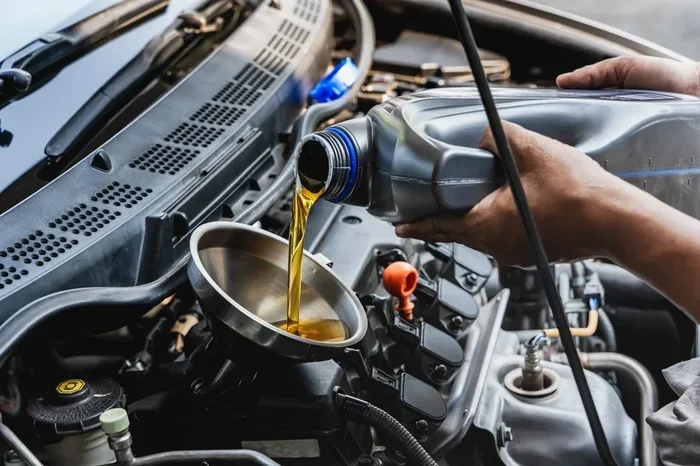
- Add oil in small amounts. Do not pour in a full quart without checking the level first. Add a half quart at a time and recheck.
- Use the right oil type. Make sure you are using the viscosity and specification recommended by your manufacturer. Using the wrong oil can affect how the engine handles oil levels.
- Keep track of your oil changes. Staying on top of regular maintenance helps you catch issues early. If you change your own oil, measure carefully and record the amount used.
- Do not trust the quick-lube estimate. Some quick-change shops add oil without checking your specific vehicle’s capacity. Always verify the level yourself afterward.
- Store your oil properly. Keep oil containers sealed and in a cool, dry place. Contaminated or old oil can affect engine performance.
Taking these simple precautions can save you from the hassle and expense of dealing with an overfilled engine. A few extra minutes of care during an oil change can protect your engine for thousands of miles.
How Oil Viscosity Relates to Overfilling
Oil viscosity — the thickness or thinness of your oil — plays a role in how your engine handles oil levels. Thicker oils like 10W-30 or 10W-40 are more resistant to foaming than thinner oils like 5W-20 or 0W-20. This means that if you accidentally overfill slightly, a higher viscosity oil may cause fewer immediate problems.
That said, viscosity is not a reason to overfill. Every engine is designed for a specific oil type, and deviating from the recommendation can cause its own set of problems. If you are unsure about which oil to use, consult your owner’s manual or a trusted mechanic.
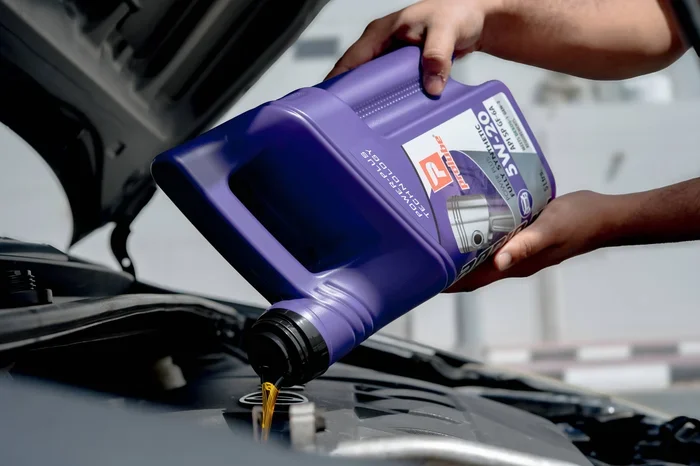
For example, if your vehicle recommends 5W-20, using a different viscosity can affect oil flow, lubrication, and overall engine health. The right oil at the right level is the best combination for long engine life.
Can Overfilled Oil Cause a Check Engine Light?
Yes, overfilled oil can trigger your check engine light. When excess oil causes increased pressure, foaming, or oil to enter the combustion chamber, sensors in your engine can detect the abnormality and illuminate the warning light. A check engine light should never be ignored, as it can indicate a range of issues from minor to serious.
If your check engine light comes on after an oil change, check your oil level first. If the level is correct, the light may be caused by something else, and you should have the codes read by a diagnostic tool to identify the exact issue.
Long-Term Effects of Driving with Too Much Oil
Driving with overfilled oil for a short period is unlikely to cause catastrophic damage. But making a habit of it — or ignoring the problem for weeks or months — can lead to serious long-term consequences. Here is what can happen over time:
- Worn engine bearings: Foaming oil cannot properly lubricate bearings, leading to premature wear and potential failure.
- Damured head gaskets: Increased crankcase pressure can push past the head gasket, causing coolant mixing with oil and further engine damage.
- Catalytic converter failure: Burning excess oil creates soot that clogs the catalytic converter, reducing fuel efficiency and increasing emissions.
- Increased oil consumption: An overfilled engine may burn through oil faster, requiring more frequent top-offs and oil changes.
- Reduced fuel economy: Foaming and poor lubrication make your engine work harder, which burns more fuel.
The cumulative cost of these issues far exceeds the simple fix of draining excess oil. A few minutes of attention to your oil level can save you hundreds or even thousands of dollars in repairs down the road.
Expert Insight: Why Mechanics Always Check Oil Levels Twice
Experienced mechanics will tell you that checking the oil level twice is standard practice. After adding oil, they wait a few minutes for it to settle, then check the dipstick again. This ensures the level is accurate and prevents overfilling.
This simple habit is one of the easiest ways to protect your engine. Whether you are changing your own oil or having someone else do it, always verify the final level yourself. It takes less than a minute and gives you peace of mind.
Conclusion
So, can you put too much oil in your car? Absolutely, and it is more than just a minor inconvenience. Overfilling your engine oil can lead to foaming, increased pressure, oil leaks, engine misfires, and even catalytic converter damage. The warning signs are there — blue smoke, oil pressure warnings, unusual noises — if you know what to look for.
The good news is that preventing and fixing an overfill is simple. Check your oil level carefully, add oil in small amounts, and correct any overfill as soon as you notice it. Your engine works hard for you every day. Giving it the right amount of oil is one of the easiest ways to return the favor and keep your car running smoothly for years to come.
Take a moment today to check your dipstick. It is a small habit that makes a big difference. Your engine — and your wallet — will thank you.
Frequently Asked Questions
Can overfilling oil cause engine damage?
Yes, overfilling oil can cause significant engine damage. Excess oil creates foam, increases crankcase pressure, and can lead to oil leaks, bearing wear, and catalytic converter failure. Even a small overfill should be corrected promptly to avoid long-term problems.
How do you remove excess oil from a car?
You can remove excess oil by draining it through the oil drain plug or having a mechanic do it for you. Simply loosen the drain plug slightly, remove the excess oil, and recheck the level with the dipstick until it falls within the correct range.
What happens if you overfill oil by one quart?
Overfilling by one quart can cause foaming, increased oil pressure, and potential leaks. While a single quart overfill may not cause immediate catastrophic damage, it should still be corrected to protect your engine from unnecessary wear and stress.
Can too much oil cause blue smoke from the exhaust?
Yes, blue smoke from the exhaust is a common sign of overfilled oil. When excess oil enters the combustion chamber, it burns and produces blue or blue-white smoke. If you notice this symptom, check your oil level right away.
Is it safe to drive with too much oil in the car?
Driving with slightly overfilled oil for a short distance is generally not dangerous, but it is not recommended. Extended driving with too much oil increases the risk of engine damage, oil leaks, and performance issues. Correct the oil level as soon as possible.
How often should I check my oil level?
You should check your oil level at least once a month and before any long road trips. Regular checks help you catch overfills, leaks, and low oil levels early, keeping your engine healthy and preventing costly repairs.