Can Too Much Coolant Cause Overheating and Engine Issues
Yes, too much coolant can absolutely cause overheating and engine damage. When the coolant level exceeds the recommended mark, it creates excess pressure, blocks airflow, and prevents proper expansion. Understanding your cooling system is the first step to avoiding costly repairs and keeping your engine running safely.
You might think adding more coolant to your car is always a good idea. After all, coolant keeps your engine from overheating, right? Well, yes — but only in the right amount. Too much coolant can actually cause the very problem you are trying to prevent. It sounds backwards, but it is true. When your cooling system has more fluid than it needs, things can go wrong fast.
In this article, we will walk you through everything you need to know about overfilling coolant. You will learn what happens when there is too much fluid, how to spot the warning signs, and what to do if you have already made the mistake. Whether you are a DIY mechanic or just someone who wants to keep their car running right, this guide has you covered. Let us dive in and talk about why more is not always better when it comes to your coolant level.
Key Takeaways
- Overfilling coolant causes pressure buildup: Excess fluid has nowhere to go and can push past seals and gaskets.
- Engine overheating is a real risk: Too much coolant blocks the radiator and disrupts the thermoregulation cycle.
- Symptoms are easy to spot: Watch for steam, high temperature gauges, coolant leaks, and a sweet smell under the hood.
- Prevention is simple: Stick to the manufacturer’s fill line and check your coolant level regularly.
- Fix it fast: If you suspect overfilling, drain the excess immediately to avoid engine damage.
📑 Table of Contents
- What Happens When You Put Too Much Coolant In Your Engine?
- Common Symptoms of Too Much Coolant
- Can Too Much Coolant Actually Damage Your Engine?
- How to Check and Fix Your Coolant Level the Right Way
- Quick Tips to Prevent Coolant Overfill Problems
- How Does Coolant Overfill Compare to Other Overheating Causes?
- When Should You See a Mechanic?
- Final Thoughts on Too Much Coolant and Engine Health
What Happens When You Put Too Much Coolant In Your Engine?
Your car’s cooling system is designed to work with a specific amount of coolant. Every vehicle has a recommended fill line, and that line exists for a reason. When you exceed it, the system cannot function the way it should. Here is what goes wrong.
Pressure Builds Up Inside the System
Coolant expands when it heats up. That is normal and expected. But when there is too much fluid in the system, there is no room for expansion. The extra fluid pushes against the walls of the hoses, the radiator, and the coolant reservoir. Over time, this pressure can cause hoses to crack, connections to leak, and seals to fail.
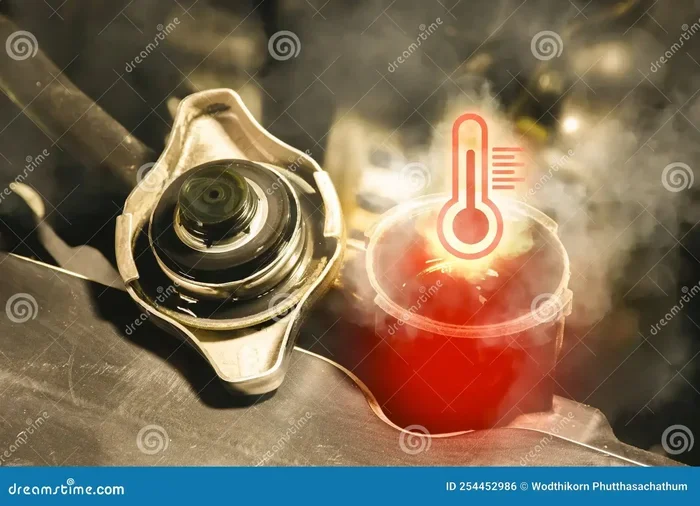
The radiator cap plays a key role here. It is designed to release excess pressure through a small valve. But when the system is overfilled, even the cap cannot handle the strain. You may notice coolant dripping from the overflow tube or even spraying out from under the hood. This is not just messy — it is dangerous for your engine.
Air Pockets Form in the Cooling System
This is one of the most overlooked problems. When you overfill coolant, the air that should be in the system gets pushed out. But it does not always leave cleanly. Instead, air pockets get trapped in the hoses and around the water pump. These air pockets block the flow of coolant and create hot spots inside the engine. The result? Localized overheating that can warp metal and crack components.
Think of it like trying to drink a thick milkshake through a straw with an air bubble stuck in it. The flow gets interrupted. Your engine feels the same way when air pockets block the circulation.
The Thermostat Gets Confused
Your thermostat regulates the flow of coolant based on engine temperature. It opens and closes at specific temperatures to keep things balanced. When the system is overfilled, the thermostat may not seat properly. It can stay stuck open or closed, which throws off the entire engine temperature regulation process. A stuck thermostat is one of the most common causes of engine overheating, and overfilling coolant is an easy way to trigger it.
Common Symptoms of Too Much Coolant
The good news is that overfilling coolant does not happen silently. Your car gives you plenty of warning signs. The trick is knowing what to look for.
Steam or Coolant Leaks Under the Hood
If you see steam coming from under your hood after driving, that is a red flag. It usually means excess coolant is being pushed out through the overflow hose. You might also notice puddles of coolant under your parked car. The fluid is typically bright green, orange, or pink, depending on the type you use. A coolant leak like this should never be ignored.
High Temperature Gauge Readings
Your temperature gauge should sit comfortably in the middle of the dial. If it starts climbing toward the hot zone, something is wrong. Overfilling coolant can cause the gauge to read higher than normal because the system is not cycling properly. If the needle goes into the red, pull over safely and let the engine cool down.
A Sweet Smell Inside or Outside the Car
Coolant has a distinct sweet smell that is hard to miss. If you notice this smell inside the cabin or under the hood, you may have a coolant leak caused by excess pressure. This is also a health hazard — coolant is toxic to humans and animals. Clean it up quickly and keep pets and children away from any puddles.
Engine Misfires or Rough Running
In some cases, too much coolant can seep into places it should not be. If coolant leaks past a worn seal and enters the combustion chamber, it can cause misfires. A rough idle, stumbling acceleration, or loss of power can all point to coolant contamination. If you experience any of these symptoms, get your car inspected right away.
If you are wondering whether your symptoms might be related to other overheating causes, check out our guide on Can A Car Overheat In The Winter for more insights into what triggers engine temperature problems.
Can Too Much Coolant Actually Damage Your Engine?
The short answer is yes. Overfilling coolant can lead to serious and expensive damage over time. Here is how it happens.
Blown Head Gasket
The head gasket sits between the engine block and the cylinder head. It keeps coolant, oil, and combustion gases in their proper places. When excess pressure builds up from overfilled coolant, it can push past the gasket and cause it to fail. A blown head gasket is one of the most expensive repairs a car owner can face. It often requires thousands of dollars and extensive labor to fix.
Cracked Engine Block or Cylinder Head
Extreme pressure and heat can cause the engine block or cylinder head to crack. Once cracked, your engine loses compression, leaks coolant into the oil passages, and may seize entirely. In severe cases, a cracked engine block means the engine needs to be replaced. This is every car owner’s nightmare scenario.
Corrosion and Rust Inside the Cooling System
When coolant sits at too high a level for too long, it can overflow into areas that are not designed to handle it. This includes wiring harnesses, sensors, and metal brackets. Over time, the coolant causes corrosion and rust in these components. Electrical failures, sensor malfunctions, and weakened structural parts can all result from prolonged exposure to excess coolant.
It is worth noting that electric vehicles also rely on cooling systems, though they work differently. If you want to learn more about how overheating affects electric cars, read our article on Can An Electric Car Overheat.
How to Check and Fix Your Coolant Level the Right Way
Preventing overfilling is much easier than fixing the damage it causes. Here is how to do it right.
Step 1: Let the Engine Cool Completely
Never check or add coolant when the engine is hot. The system is under pressure, and opening it can cause hot fluid to spray out and burn you. Wait at least 30 minutes after driving, or better yet, check your coolant first thing in the morning before you start the car.
Step 2: Locate the Coolant Reservoir
Open your hood and find the coolant reservoir. It is usually a translucent plastic tank near the radiator. You will see minimum and maximum fill lines on the side. The coolant should sit between these two lines when the engine is cold.
Step 3: Use the Right Coolant Mix
Most cars use a 50/50 mix of coolant and water. Some vehicles require a different ratio, so always check your owner’s manual. Using the wrong mixture can affect how well the coolant protects your engine from freezing and boiling over. If you are unsure about what to use, you can also look at Can You Put Regular Gas In A Hybrid for related fuel and fluid guidance.
Step 4: Add Coolant Slowly
Pour coolant into the reservoir slowly and in small amounts. Stop frequently to check the level. It is much better to add a little at a time than to pour too much and have to drain it out. If you accidentally overfill, do not panic. You can drain the excess through the drain valve at the bottom of the radiator or take your car to a mechanic.
Step 5: Bleed the System
After adding coolant, you may need to bleed air out of the system. Many modern cars have a bleed screw or a specific procedure outlined in the owner’s manual. Bleeding the system ensures there are no air pockets and that coolant flows freely through the engine and radiator.
Quick Tips to Prevent Coolant Overfill Problems
- Always check the coolant level when the engine is cold. Hot readings are inaccurate and dangerous.
- Use a funnel when adding coolant. This gives you control and helps you avoid spills and overfilling.
- Keep a log of your coolant checks. Write down the date and level each time you check. This helps you spot trends and catch leaks early.
- Replace your coolant on schedule. Old coolant loses its effectiveness and can cause buildup in the system. A regular coolant flush keeps everything running smoothly.
- Inspect hoses and connections regularly. Look for cracks, swelling, or wet spots. Catching a weak hose early can save you from a major coolant leak.
- Never mix different types of coolant. Different formulations can react badly and create sludge that clogs the system.
How Does Coolant Overfill Compare to Other Overheating Causes?
Overfilling coolant is just one of many reasons an engine can overheat. Understanding how it compares to other causes helps you diagnose problems faster and make smarter decisions.
| Cause | Symptom | Severity | Fix Difficulty |
|---|---|---|---|
| Too much coolant | Pressure leaks, steam, high gauge | Moderate to high | Easy — drain excess |
| Low coolant | Overheating gauge, steam, sweet smell | High | Easy — refill and find leak |
| Broken thermostat | Gauge fluctuates, heater not working | Moderate | Moderate — replace part |
| Water pump failure | Coolant not circulating, overheating | High | Moderate to hard — replace pump |
| Radiator fan failure | Overheating at idle or low speed | Moderate to high | Moderate — replace fan or relay |
| Head gasket leak | White smoke, milky oil, overheating | Very high | Hard — major engine repair |
As you can see, overfilling coolant sits in the moderate range for severity. It is not the worst thing that can happen, but it is far from harmless. The best approach is prevention. Check your levels regularly, follow the manufacturer’s guidelines, and address any issues before they snowball.
Sometimes overheating problems are linked to other vehicle systems or driving habits. For example, if you are dealing with a car that runs hot, you might also want to check whether certain driving behaviors contribute. You can read more about driving-related questions in our article on Can A Person With Vertigo Drive A Car for a broader look at how physical conditions and vehicle conditions intersect.
When Should You See a Mechanic?
Not every coolant problem is a DIY fix. Here are the situations where you should call in a professional:
- You see white smoke from the exhaust. This could mean coolant has entered the combustion chamber. A mechanic needs to check for a head gasket leak or a cracked head.
- The temperature gauge keeps climbing. Even after you have cooled the engine and checked the coolant level, persistent overheating signals a deeper problem.
- You notice coolant in your oil. If your oil looks milky or frothy, coolant has mixed with the oil. This is a serious issue that requires immediate attention.
- You have repeatedly overfilled the system. If you keep accidentally putting in too much coolant, a mechanic can show you the proper technique and check for any damage that may have already occurred.
- You hear grinding or knocking noises. These sounds can indicate that the engine is overheating internally, which may be related to a cooling system failure.
A qualified mechanic can perform a pressure test on your cooling system to find hidden leaks and confirm that everything is working correctly. This is a quick and affordable diagnostic step that can save you thousands in the long run.
Final Thoughts on Too Much Coolant and Engine Health
So, can too much coolant cause overheating? The answer is a clear yes. Overfilling your cooling system creates pressure, traps air, disrupts flow, and can lead to expensive damage like blown head gaskets and cracked engine blocks. The good news is that this problem is entirely preventable. All it takes is a little attention, the right tools, and a willingness to follow the manufacturer’s guidelines.
Your cooling system is one of the most important systems in your entire vehicle. It works hard every time you turn the key. Treat it well by keeping the coolant level at the proper mark, replacing the fluid on schedule, and watching for warning signs. A few minutes of maintenance now can save you hours of frustration — and thousands of dollars — down the road.
If you have ever dealt with an overfilled cooling system or have questions about engine maintenance, we would love to hear from you. Share your experience in the comments below, and let us help each other keep our cars running strong for years to come. Stay cool out there, and keep your engine happy.
Frequently Asked Questions
Can too much coolant cause overheating?
Yes, overfilling coolant can lead to overheating. Excess fluid creates pressure, blocks proper expansion, and traps air pockets that disrupt coolant flow. All of these issues can cause your engine temperature to rise beyond safe levels.
What are the signs of too much coolant in a car?
Common signs include steam or leaks under the hood, a high temperature gauge reading, a sweet smell from the engine area, and coolant dripping from the overflow hose. You may also notice rough running or misfires if coolant enters the combustion chamber.
How do I fix an overfilled coolant system?
Let the engine cool completely, then open the drain valve at the bottom of the radiator to release excess fluid. Alternatively, use a suction tool to remove the extra coolant from the reservoir. If you are unsure, take your car to a mechanic who can safely drain and bleed the system.
Can overfilling coolant damage the engine?
Yes, it can. Over time, excess pressure from overfilled coolant can blow the head gasket, crack the engine block, or cause corrosion in electrical components. These are serious and expensive repairs that can be avoided with proper maintenance.
How often should I check my coolant level?
It is a good habit to check your coolant level at least once a month and before any long road trips. Always check when the engine is cold for an accurate reading. This simple routine can catch leaks and prevent overfilling problems before they cause damage.
Is it safe to drive with too much coolant?
It is not recommended. While a slight overfill may not cause immediate problems, driving with excess coolant puts unnecessary stress on your cooling system components. Over time, this can lead to leaks, pressure damage, and overheating. If you suspect you have overfilled, drain the excess before driving the car for extended periods.