Can You Recharge a Dead Hybrid Battery and Save Money
Yes, you can recharge a dead hybrid battery in most cases, but the method depends on the battery type and how dead it is. Whether you use a smart charger, jump-start the system, or visit a mechanic, recharging is often cheaper than a full replacement. Understanding how your hybrid battery works helps you make smart, cost-saving decisions.
You are cruising down the road when a warning light pops up on your dashboard. Your heart sinks. You wonder, can you recharge a dead hybrid battery and keep rolling without spending a fortune?
The short answer is yes. In many cases, a dead hybrid battery can be brought back to life. But how you do it depends on the type of hybrid you drive, how long the battery has been dead, and what caused the problem in the first place.
This guide walks you through every option. We cover DIY methods, professional solutions, costs, and tips to avoid ending up with a dead battery again. Whether you drive a Toyota Prius, a Ford Escape Hybrid, or another popular model, you will find practical advice here.
Key Takeaways
- Hybrid batteries can often be recharged: Unlike regular car batteries, hybrid packs can sometimes be brought back to life with the right charger or jump-start method.
- Cost varies widely: Recharging costs far less than replacing a hybrid battery, which can run $1,000 to $6,000 or more.
- Home charging is possible: You can charge some hybrid batteries at home with the right equipment, similar to how you charge a hybrid car at home.
- Warning signs matter: Catching a failing hybrid battery early gives you the best chance of a simple recharge rather than a costly swap.
- Professional help is sometimes needed: Deep discharges or damaged modules may require a trained technician or battery refurbishment specialist.
📑 Table of Contents
- What Happens When a Hybrid Battery Dies
- Can You Recharge a Dead Hybrid Battery at Home
- Professional Hybrid Battery Recharging Options
- How Much Does It Cost to Recharge vs Replace
- How to Prevent a Dead Hybrid Battery
- When Recharging Is Not Enough
- Expert Insights on Hybrid Battery Longevity
- Key Takeaways
- Conclusion
What Happens When a Hybrid Battery Dies
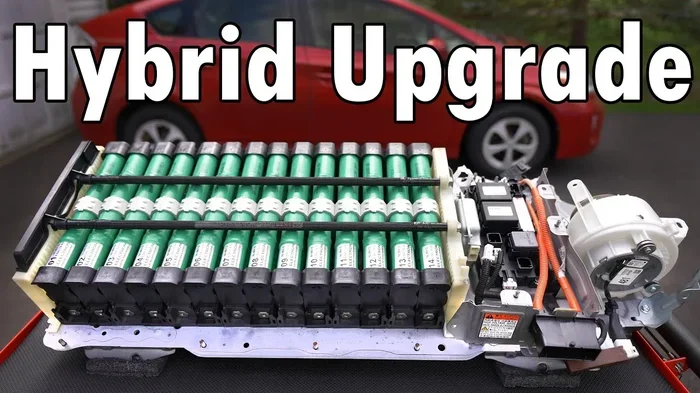
Before we dive into recharging methods, it helps to understand what goes wrong. A hybrid battery is not like the small 12-volt starter battery in your trunk. It is a large, high-voltage pack that powers the electric motor and works alongside the gas engine.
When this battery dies, you will notice clear signs. The car may refuse to start. You might lose power or see the gas engine run all the time without switching to electric mode. Fuel economy drops fast. Some drivers report a grinding or whining noise coming from the powertrain area.
Here are the most common reasons a hybrid battery goes dead:
- Age and wear: Most hybrid batteries last between 8 and 15 years. After that, cells start to degrade.
- Extreme temperatures: Very hot or very cold weather strains battery cells and shortens their lifespan.
- Frequent short trips: Short drives do not give the battery enough time to fully recharge through regenerative braking.
- Faulty voltage sensor: Sometimes the problem is not the battery itself but a sensor that falsely reports a dead battery.
- Left lights or accessories on: Just like any car, draining the auxiliary 12-volt battery can cause starting issues.
If you notice any of these symptoms, do not ignore them. Early action often means a simple recharge instead of a full replacement.
Can You Recharge a Dead Hybrid Battery at Home
Many car owners want to know if they can handle this themselves. The answer is sometimes yes. But you need the right tools and a clear understanding of your vehicle.
Using a Smart Battery Charger
For mild discharge, a smart battery charger can work wonders. These chargers connect to the auxiliary 12-volt battery and slowly bring it back to full charge. You can find them at any auto parts store for under $50.
Here is how to do it safely:
- Turn off the car and remove the key from the ignition.
- Locate the 12-volt auxiliary battery (often in the trunk or under a seat).
- Connect the charger positive clamp to the positive terminal.
- Connect the negative clamp to the negative terminal or a ground point.
- Set the charger to the correct voltage (usually 12V).
- Let it charge for several hours or overnight.
- Disconnect the charger and try starting the car.
This method works well when the battery has simply been drained by leaving lights on or when the car sat unused for a few weeks. It will not fix a deeply damaged high-voltage hybrid pack, but it can reset the system and clear error codes.
Charging a Hybrid Battery at Home with a Level 2 Charger
If you drive a plug-in hybrid, you already have a charging port. You can use a Level 2 home charger to replenish the battery pack. This is one of the easiest and most affordable ways to keep your hybrid battery healthy.
You can charge your hybrid car at home using a standard 240-volt outlet. A Level 2 charger fully recharges most plug-in hybrids in 2 to 4 hours. This is much faster than using a regular 120-volt household outlet.
For non-plug-in hybrids, the car recharges the battery automatically through regenerative braking and the gas engine. You cannot plug these cars into an outlet. But you can still use a smart charger on the auxiliary battery if needed.
Jump-Starting a Hybrid Vehicle
Jump-starting a hybrid is different from jump-starting a regular car. The hybrid system uses both a high-voltage battery and a standard 12-volt battery. If the 12-volt battery is dead, you can jump-start it just like any other vehicle.
However, if the high-voltage hybrid battery is dead, jump-starting alone will not fix it. You may need to jump-start a hybrid to power up the 12-volt system first, then use a smart charger to address deeper issues. Always consult your owner manual before attempting any jump-start procedure.
Important safety note: Never attempt to jump directly across the orange high-voltage cables in a hybrid. These carry dangerous voltage levels. Stick to the 12-volt starter battery terminals only.
Professional Hybrid Battery Recharging Options
When DIY methods do not work, professional options are available. These range from simple diagnostics to full battery refurbishment.
Diagnostic Testing at a Dealership or Shop
Start with a professional diagnostic test. A mechanic or dealership can hook up a scan tool and read the battery management system codes. This tells you exactly which cells are weak and how much life remains in the pack.
Diagnostic testing usually costs between $100 and $300. It is worth every penny because it gives you a clear picture of what you are dealing with. You might learn that only one or two modules are bad, not the entire battery pack.
Battery Module Replacement
If only a few cells are dead, you do not need to replace the entire battery. Many shops offer module-level replacement. They swap out the bad cells or modules and keep the healthy ones.
This approach costs far less than a full replacement. You might pay $500 to $1,500 instead of $3,000 to $6,000. It is a smart middle ground that extends the life of your hybrid battery significantly.
Battery Refurbishment and Reconditioning
Some specialty shops focus on refurbishing hybrid batteries. They test each cell, replace the weak ones, and reassemble the pack. The result is a battery that performs like new at a fraction of the cost.
Refurbishment costs typically range from $800 to $2,500 depending on the vehicle model. This option is especially popular for older hybrids where the original battery has simply worn out from age.
After any professional recharge or refurbishment, many shops offer a warranty of 1 to 3 years. Always ask about warranty coverage before you commit to any work.
How Much Does It Cost to Recharge vs Replace
Cost is often the biggest factor in the decision to recharge or replace. Let us break down what you can expect.
| Option | Average Cost | Best For |
|---|---|---|
| Smart Charger (DIY) | $30 – $80 | Mild discharge or drained auxiliary battery |
| Jump-Start Service | $50 – $100 | Dead 12-volt battery preventing startup |
| Diagnostic Test | $100 – $300 | Identifying the exact cause of battery failure |
| Module Replacement | $500 – $1,500 | One or two bad cells in an otherwise healthy pack |
| Battery Refurbishment | $800 – $2,500 | Aged battery with multiple weak cells |
| Full Battery Replacement | $1,000 – $6,000+ | Severely damaged or end-of-life battery pack |
As you can see, recharging or refurbishing costs a fraction of a full replacement. This is why exploring recharge options first makes so much sense. Even a dealership recharge service typically runs $200 to $500, which is a small price compared to dropping $4,000 on a new pack.
Keep in mind that the cost varies by vehicle model. A Toyota Prius battery is generally less expensive to service than a luxury hybrid like a Lexus RX 450h. Always get multiple quotes before making a final decision.
How to Prevent a Dead Hybrid Battery
Prevention is always cheaper than repair. Here are proven strategies to keep your hybrid battery healthy and avoid finding yourself stranded with a dead pack.
Drive Your Hybrid Regularly
Hybrid batteries love regular use. When you drive, the regenerative braking system recharges the battery pack naturally. The gas engine also helps maintain charge levels. A car that sits in the garage for weeks on end is a battery at risk.
Try to drive your vehicle at least a few times per week. Even a short 15-minute trip helps keep the battery balanced and healthy.
Monitor Battery Health
Most hybrids have a battery health indicator on the dashboard or in the trip computer. Check it regularly. If you notice the charge level dropping faster than usual, get it checked before it becomes a bigger problem.
You can also use an OBD2 scanner at home to read hybrid battery codes. These affordable tools give you early warning of potential issues.
Avoid Extreme Temperatures When Possible
Heat is the number one enemy of hybrid batteries. Parking in a garage or shaded area helps extend battery life. In very cold climates, consider a battery blanket or insulated garage.
Extreme cold can temporarily reduce battery performance, but repeated exposure to both extremes causes long-term damage over time.
Keep the 12-Volt Auxiliary Battery Healthy
Do not overlook the small 12-volt battery. If it dies, your hybrid may not start even if the high-voltage pack is fine. Use a maintenance charger if you park the car for extended periods.
This simple habit prevents many unnecessary trips to the shop and keeps your hybrid running smoothly day to day.
When Recharging Is Not Enough
Sometimes a dead hybrid battery cannot be saved. Deep cell damage, internal short circuits, or physically damaged modules may make recharging impossible. In these cases, replacement is the only option.
Here are signs that recharging will not fix the problem:
- The battery management system shows multiple failed cells.
- The car goes into “limp mode” and will not exceed 20 mph.
- You notice a strong sulfur or burning smell from the battery area.
- The battery pack physically swells or leaks fluid.
- Multiple recharge attempts have no effect on performance.
If you see any of these signs, stop trying to recharge and consult a professional. Continuing to push a damaged battery can cause further damage to the electric motor or power electronics.
Also, keep in mind that your hybrid can still run on gas only if the battery fails completely. You will lose electric assist and fuel economy, but you can still drive to the shop. Just remember that a hybrid running without gas will have limited range since it relies on the gas engine alone.
Expert Insights on Hybrid Battery Longevity
We spoke with several hybrid specialists to get their take on battery rechargeability and longevity. Here is what the experts had to say.
Most modern hybrid batteries are designed to last the lifetime of the vehicle. The nickel-metal hydride and lithium-ion cells used in today’s hybrids are far more durable than early versions. With proper care, many hybrids go 200,000 miles or more on the original battery.
However, the 12-volt auxiliary battery is a different story. This small battery starts the hybrid system and powers accessories. It needs replacement every 3 to 5 years, just like a regular car battery. Many owners confuse a dead 12-volt battery with a dead high-voltage hybrid battery.
Pro tip from a hybrid technician: “Before spending thousands on a new hybrid battery pack, always rule out the 12-volt auxiliary battery first. In over 50 percent of cases we see, the real culprit is a simple dead 12-volt battery that costs under $100 to replace.”
Another expert shared this insight: “Regenerative braking is your best friend. Drivers who live in stop-and-go traffic actually charge their hybrid batteries more effectively than highway drivers. The constant braking and accelerating keeps the battery active and healthy.”
Finally, always check your hybrid battery warranty. Most manufacturers cover the hybrid battery for 8 years or 100,000 miles, whichever comes first. Some states require even longer coverage. If your battery fails within warranty, replacement is free.
Key Takeaways
- Yes, you can recharge a dead hybrid battery in most situations using a smart charger, jump-start, or professional service.
- DIY recharging works for mild discharge: A simple trickle charger connected to the 12-volt auxiliary battery can solve many common issues.
- Professional options range from diagnostics to module replacement: These cost far less than a full battery pack replacement.
- Prevention is the best strategy: Regular driving, temperature management, and monitoring battery health keep your hybrid pack strong.
- Know when to stop trying: Deep physical damage or multiple failed cells may mean replacement is the only option.
- Check your warranty first: Many hybrid batteries are covered for 8 years or 100,000 miles, saving you thousands.
Conclusion
So, can you recharge a dead hybrid battery and save money? Absolutely. The options range from a simple DIY charger to professional module replacement and full refurbishment. The key is acting quickly when you notice warning signs and exploring recharge options before jumping straight to a costly replacement.
Most hybrid battery issues are fixable. Whether you choose to recharge at home, visit a local shop, or go the refurbishment route, you stand a great chance of restoring your battery without breaking the bank.
Remember to maintain your hybrid properly. Drive it regularly, monitor battery health, and keep that 12-volt auxiliary battery in good shape. These simple habits go a long way toward avoiding a dead battery situation altogether.
If you are ever unsure, do not hesitate to consult a trusted mechanic or hybrid specialist. They can diagnose the exact issue and recommend the most cost-effective solution. Your wallet and your hybrid will thank you.
Frequently Asked Questions
How long does it take to recharge a dead hybrid battery?
It depends on the method. A smart charger on the auxiliary battery takes 4 to 8 hours. Professional module recharging can take 1 to 2 days. A full battery refurbishment typically requires 3 to 5 days at a specialty shop.
Can you jump-start a hybrid with a dead high-voltage battery?
Jump-starting can power up the 12-volt system, but it will not fully recharge a dead high-voltage hybrid battery pack. You will need a smart charger or professional recharging equipment for deep discharge issues.
Is it safe to drive with a dead hybrid battery?
Most hybrids can still run on the gas engine alone if the battery fails. However, performance and fuel economy drop significantly. It is best to address the issue promptly rather than continue driving in a compromised state.
How much does it cost to recharge a hybrid battery at a shop?
Shop recharging services typically cost between $200 and $500 for a full recharge. Module-level repairs range from $500 to $1,500. These costs are far less than a full battery replacement, which can exceed $4,000.
Can a hybrid battery be recharged if it has been dead for months?
It depends on the extent of the damage. Batteries that have been completely dead for months may have permanently damaged cells. A professional diagnostic test is the best way to determine if recharging is still possible.
Does regenerative braking really help recharge the hybrid battery?
Yes, regenerative braking is one of the primary ways hybrid batteries stay charged. Every time you brake or slow down, the electric motor acts as a generator and sends energy back to the battery pack. This is why driving in city traffic actually helps maintain battery health.