Can I Put Oil in My Car Until I Get an Oil Change Today
Yes, you can add oil to your car between oil changes, but only as a temporary fix. Topping off your engine oil helps protect your car when the level drops too low. However, it does not replace a full oil change with a fresh filter. Regular oil changes remain the best way to keep your engine healthy and avoid costly repairs.
Every car owner has been there. You’re driving along, and the oil pressure light flickers on. Or maybe you checked your dipstick and saw the oil level is dangerously low. The immediate question is simple: Can I Put Oil in My Car Until I Get an Oil Change? The short answer is yes. But the full story is a bit more involved, and understanding it can save your engine from serious damage.
Adding oil between scheduled oil changes is a common practice. Many drivers do it without a second thought. However, there are right ways and wrong ways to top off your engine. Using the wrong oil type, overfilling, or ignoring the root cause of low oil can lead to expensive repairs. This guide covers everything you need to know about safely adding oil, when it’s appropriate, and why a proper oil change still matters most.
Key Takeaways
- Topping off oil is safe short-term: Adding oil between changes keeps your engine lubricated when levels run low.
- Check your oil level first: Always use the dipstick to confirm the oil is low before adding more.
- Use the right oil type: Match the viscosity and specification listed in your vehicle manual.
- Oil top-offs are not a replacement: A full oil change removes contaminants and replaces the filter.
- Watch for warning signs: Low oil can cause overheating, strange noises, and warning lights on your dashboard.
- Follow your manufacturer’s schedule: Stick to the recommended oil change interval for your specific vehicle.
- Know when to seek help: If you notice persistent low oil, consult a mechanic to check for leaks or engine issues.
📑 Table of Contents
- Why Engine Oil Matters for Your Car
- Can You Add Oil Between Oil Changes?
- How To Safely Add Oil to Your Car
- What Happens If You Don’t Change Your Oil
- How Much Oil Does Your Car Need?
- Choosing the Right Oil for Your Vehicle
- Common Mistakes When Adding Oil
- Expert Tips for Maintaining Healthy Oil Levels
- How Oil Changes Protect Your Engine Long-Term
- Final Thoughts
Why Engine Oil Matters for Your Car
Engine oil is the lifeblood of your vehicle. It lubricates hundreds of moving parts inside your engine. Without enough oil, metal components grind against each other. This creates friction, heat, and eventually catastrophic engine failure.
Clean oil also carries heat away from the combustion chamber. It traps dirt, metal particles, and combustion byproducts. Over time, oil breaks down and loses its effectiveness. That is why regular oil changes are essential. They remove dirty oil and replace it with fresh, clean lubricant.
Think of it like changing your engine’s blood supply. Topping off is like a transfusion when you’re losing blood. But a full oil change is like a complete blood donation with fresh, healthy fluid. Both have their place, but they serve different purposes.
The Role of Oil in Engine Performance
Your engine has thousands of tiny parts moving at high speeds. Pistons fire rapidly. Valves open and close. Bearings spin constantly. Oil creates a thin film between these metal surfaces. This film prevents direct metal-to-metal contact.
Without proper lubrication, your engine overheats. Parts warp. Seals crack. The result can be a seized engine that needs a full replacement. This is why checking your engine oil level regularly is so important. A few minutes with a dipstick can save you thousands of dollars.
Can You Add Oil Between Oil Changes?
The short answer is yes. You can add oil to your car between oil changes. Most manufacturers recommend checking your oil level at least once a month. If the level is low, topping it off is perfectly fine and often necessary.
However, there are important caveats. Adding oil is a temporary fix. It does not replace the cleaning and filtering action of a full oil change. Old oil still contains contaminants. The oil filter is still clogged with debris. You are simply adding volume to a system that needs a complete refresh.
Many drivers ask, Can I Put Oil in My Car Until I Get an Oil Change Today? Yes, you can. But make sure you do it correctly. Use the right oil type. Don’t overfill. And schedule that oil change as soon as possible.
When Topping Off Is Appropriate
Topping off is fine in these situations:
- Your oil level is slightly below the minimum mark on the dipstick.
- You are driving to a nearby auto shop for an oil change.
- You notice the oil pressure warning light is on.
- You have a long commute or road trip coming up.
- Your vehicle has a known minor oil consumption issue.
In all these cases, adding a small amount of the correct oil helps protect your engine. Just don’t make it a habit to skip oil changes entirely.
When Topping Off Is Not Enough
Sometimes, low oil signals a bigger problem. You should not just top off if you notice any of these signs:
- Your oil level drops significantly within a short period.
- You see blue or gray smoke from the exhaust.
- Your engine makes knocking or ticking sounds.
- You find oil puddles under your parked car.
- The oil looks very dark, gritty, or smells burnt.
These symptoms could indicate an oil leak, worn engine seals, or internal engine damage. In these cases, a simple top-off won’t fix the problem. You need a professional inspection.
How To Safely Add Oil to Your Car
Adding oil is straightforward, but doing it wrong can cause problems. Follow these steps to ensure you top off safely and correctly.
Step 1: Gather the Right Oil
Check your vehicle owner’s manual for the recommended oil type and viscosity. Most modern cars use 5W-30 or 5W-20. Some vehicles require synthetic oil. Others work fine with conventional oil. Using the wrong oil can reduce engine performance and cause damage over time.
Look at the oil container label to confirm the viscosity rating. It should match what your manual specifies. If you are unsure, ask the staff at your local auto parts store. They can help you find the right product for your vehicle.
Step 2: Let the Engine Cool
Wait at least 10 to 15 minutes after turning off the engine. Hot oil can cause burns. It also flows more erratically, making it hard to get an accurate reading on the dipstick. A slightly warm engine is fine. A scorching hot engine is not.
Step 3: Locate the Oil Fill Cap
Open the hood and find the oil fill cap. It usually has an oil can icon on it. Remove the cap and set it aside. You will see the opening to the oil reservoir. This is where you pour the new oil.
Step 4: Check the Current Oil Level
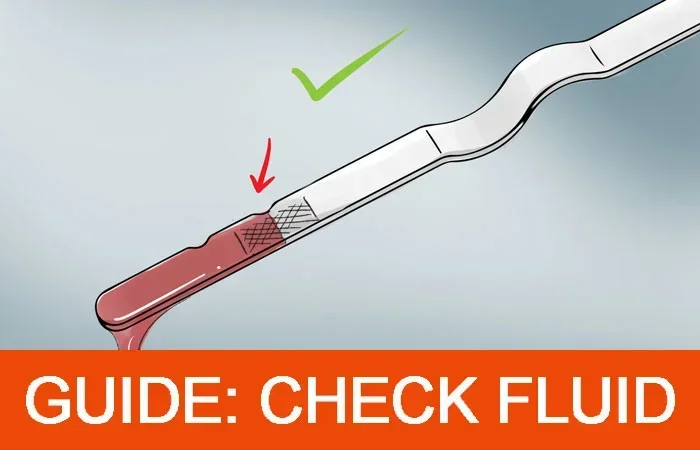
Before adding oil, pull the dipstick, wipe it clean, reinsert it fully, then pull it out again. Look at the oil level markings. Most dipsticks have two lines or holes. The oil should fall between them.
If the oil is below the lower mark, you need to add some. If it is above the upper mark, do not add more. Overfilling can cause pressure buildup and oil leaks.
Step 5: Add Oil Gradually
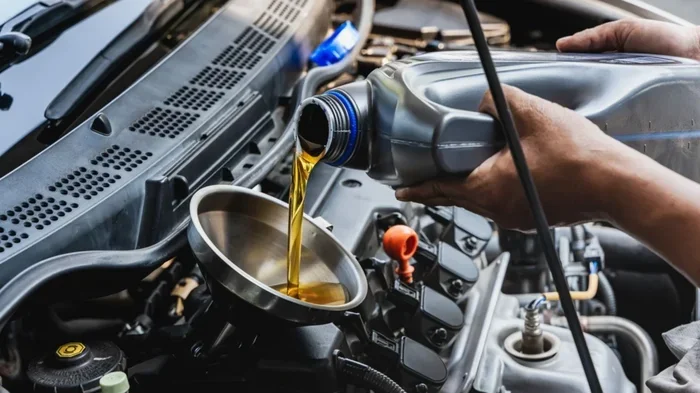
Use a funnel to pour oil into the fill opening. Add small amounts at a time, about a quarter of a quart. Wait a minute, then recheck the dipstick. Keep adding until the level falls between the minimum and maximum marks.
Do not overfill. Too much oil can foam, reducing its lubricating ability. Excess oil can also push into the crankshaft and cause other issues. A little patience goes a long way here.
Step 6: Check for Leaks and Reset the Monitor
After adding oil, replace the fill cap securely. Start the engine and let it run for a minute. Check underneath the car for any leaks. Turn off the engine and recheck the dipstick one more time.
Some vehicles have an oil change reminder system. You may need to reset it after adding oil. Refer to your owner’s manual for instructions on how to do this.
What Happens If You Don’t Change Your Oil
Topping off is a band-aid, not a cure. If you skip oil changes entirely, your engine will suffer. Here is what happens over time when old oil is not replaced.
Oil Breaks Down and Loses Effectiveness
Engine oil degrades with heat and use. It loses its viscosity and lubricating properties. Dirty oil becomes abrasive. It no longer flows smoothly through the engine passages. Instead, it leaves behind sludge and deposits that clog vital pathways.
Contaminants Build Up
Oil captures dirt, carbon, and metal particles as it circulates. Over time, the oil filter becomes saturated and can no longer trap contaminants. Dirty oil flows past the filter and causes wear on engine surfaces. This accelerates the aging of your engine.
Overheating Becomes a Real Risk
Oil helps regulate engine temperature. When oil breaks down, it cannot carry heat away efficiently. Your engine may start to overheat. If you have ever wondered, Can I Drive My Car After It Overheats, the answer is usually no. Driving an overheating car can cause permanent engine damage. The same principle applies when low or dirty oil fails to cool the engine properly.
Reduced Fuel Efficiency
Clean oil reduces friction inside the engine. Less friction means better fuel economy. Dirty oil increases resistance. Your engine works harder, burns more fuel, and produces more emissions. Simply keeping up with oil changes can save you money at the pump over time.
How Much Oil Does Your Car Need?
Every vehicle has a specific oil capacity. This is listed in your owner’s manual. Common passenger cars hold between 4 and 6 quarts of oil. Larger engines, like those in trucks and SUVs, may hold 8 quarts or more.
Always check the dipstick after adding oil. Do not rely on how much oil you poured. The dipstick reading is the only accurate way to know your level. If you accidentally add too much, drain the excess. You can usually do this by removing the drain plug briefly or using a suction tool.
If your car consistently burns through oil, this could indicate a problem. Some oil consumption is normal, especially in older vehicles. But excessive consumption warrants a visit to a mechanic. It could point to worn piston rings, valve seals, or other internal issues.
Seasonal Considerations for Oil Levels
Cold weather can affect your oil level readings. In winter, oil thickens and may not settle properly in the oil pan. Wait until the engine has reached normal operating temperature before checking the level. Also, Can A Car Overheat In The Winter? Yes, it can, especially if the oil is old or insufficient. Cold weather puts extra strain on your engine, making proper oil levels even more critical.
Choosing the Right Oil for Your Vehicle
Not all motor oil is the same. Understanding the differences helps you make the best choice for your engine.
Conventional Oil
Conventional oil is the most basic type. It is refined from crude oil and works well for standard driving conditions. It is affordable and widely available. Most vehicles with lower mileage and standard use perform fine with conventional oil.
Synthetic Oil
Synthetic oil is chemically engineered for superior performance. It resists breakdown at high temperatures. It flows smoothly in cold weather. Synthetic oil lasts longer between changes, often up to 10,000 or 15,000 miles. It costs more than conventional oil, but many drivers find the extra protection worth it.
Synthetic Blend Oil
A synthetic blend combines conventional and synthetic oils. It offers better protection than conventional oil at a lower price than full synthetic. This is a popular choice for drivers who want a balance of performance and affordability.
High-Mileage Oil
If your vehicle has over 75,000 miles, consider high-mileage oil. It contains additives that help condition seals and reduce oil consumption. It can also reduce leaks and smoke in older engines.
Common Mistakes When Adding Oil
Even experienced drivers make mistakes when topping off oil. Avoid these common errors to keep your engine in top shape.
Using the Wrong Oil Type
Not all oil is interchangeable. Using the wrong viscosity can lead to poor lubrication. Always match the oil type specified in your owner’s manual. If you are unsure, check the oil cap under your hood. It often lists the recommended oil weight.
Overfilling the Oil
More oil is not better. Overfilling causes excess pressure inside the engine. Oil can enter the combustion chamber and cause blue smoke. It can also foam, losing its ability to lubricate properly. Stick to the recommended level and no higher.
Ignoring the Oil Filter
When you add oil between changes, the oil filter stays the same. A clogged filter restricts oil flow. This reduces the effectiveness of even fresh oil. During a proper oil change, the filter is replaced along with the oil. This is something a top-off cannot accomplish.
Skipping Regular Oil Changes
This is the biggest mistake of all. Topping off should be an occasional emergency measure, not a routine practice. Skipping oil changes allows contaminants to build up and accelerates engine wear. Set a reminder on your phone or calendar to stay on schedule.
Expert Tips for Maintaining Healthy Oil Levels
Follow these simple tips to keep your engine oil in great shape between oil changes.
- Check your oil monthly: Make it a habit. A few minutes each month can prevent serious problems.
- Keep a spare bottle of oil: Store a quart of the correct oil in your trunk. You never know when you will need it.
- Track your oil consumption: Note how much oil you add between changes. If you are adding more than a quart, see a mechanic.
- Watch for warning lights: The oil pressure light and check engine light should never be ignored.
- Follow the manufacturer’s schedule: Your owner’s manual has the recommended oil change interval. Stick to it.
- Do not ignore oil leaks: If you see oil spots under your car, get it checked promptly.
If your oil pressure warning light comes on, take it seriously. Driving with low oil pressure can destroy your engine in minutes. If you are unsure whether it is safe to continue driving, pull over and call for assistance. Similarly, if you have a trac off light on, it may be related to your vehicle stability system rather than oil, but any warning light deserves attention. You can learn more about driving with various warning lights on by checking our article on Can I Drive My Car With The Trac Off Light On.
How Oil Changes Protect Your Engine Long-Term
A proper oil change does far more than just add fresh fluid. It is a complete maintenance service that protects your engine for thousands of miles.
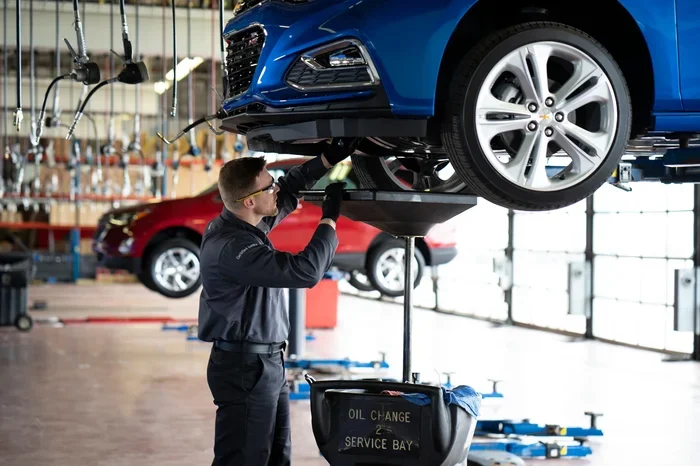
During an oil change, a technician drains all the old oil. This removes contaminants, sludge, and metal particles. They replace the oil filter with a new one. The filter traps debris and keeps your clean oil flowing freely. Then they add the correct amount of fresh oil to the proper level.
Regular oil changes also give mechanics a chance to inspect your vehicle. They can spot early signs of leaks, worn components, or other issues before they become major repairs. Think of an oil change as a preventive health check for your car.
If you are ever unsure about your car’s maintenance needs, trust a professional. Regular engine maintenance saves money in the long run. It keeps your car reliable and your engine running strong for years to come.
Final Thoughts
So, Can I Put Oil in My Car Until I Get an Oil Change? Absolutely. Topping off your oil is a quick and effective way to protect your engine when levels run low. Just remember that it is a temporary measure, not a substitute for a proper oil change.
Use the right oil type. Check your level with the dipstick. Add oil gradually and never overfill. And most importantly, keep up with your scheduled oil changes. Your engine works hard for you every day. Give it the care it deserves.
Regular maintenance, including timely oil changes, is the best investment you can make in your vehicle. It extends engine life, improves fuel efficiency, and gives you peace of mind on the road. A few simple habits today can prevent major headaches tomorrow.
Stay proactive about your car’s health. Check your oil, follow your maintenance schedule, and never ignore warning signs. Your future self, and your wallet, will thank you.
Frequently Asked Questions
How much oil should I add between oil changes?
Only add enough to bring the level between the minimum and maximum marks on your dipstick. Most cars need about one quart. Check your owner’s manual for the exact oil capacity. Do not overfill, as excess oil can cause engine problems.
Can I use a different brand of oil between oil changes?
Yes, you can switch brands as long as the oil type and viscosity match your vehicle’s requirements. The key is the specification, not the brand. Look for the API certification and the viscosity rating listed in your owner’s manual.
How do I know if my oil is low?
Check the dipstick with the engine off and cool. Pull it out, wipe it clean, reinsert it, and pull it out again. Look at the oil level against the markings. If it is below the minimum line, you need to add oil. You may also notice the oil pressure warning light on your dashboard.
What happens if I overfill my engine with oil?
Overfilling causes excess pressure inside the engine. Oil can foam and lose its lubricating ability. It may leak past seals and gaskets. In severe cases, oil can enter the combustion chamber and cause blue smoke or damage the catalytic converter.
Should I check my oil when the engine is hot or cold?
Wait at least 10 to 15 minutes after turning off the engine. A slightly warm engine gives the most accurate reading. Checking immediately after driving can give a false high reading because the oil has not settled back into the oil pan yet.
Can I drive my car with the oil change light on?
You can drive a short distance, but do not delay your oil change. The oil change light means your oil has reached the end of its useful life. Continuing to drive with old oil increases engine wear. If you are concerned about driving conditions, you can learn more about driving with warning lights in our guide on Can I Drive My Car After It Overheats.
=== CONCLUSION ===
Knowing you can put oil in your car until you get an oil change gives you confidence and flexibility as a driver. Topping off is a smart, safe practice when done correctly. It bridges the gap between oil changes and keeps your engine protected.
But remember, topping off is just that, a temporary fix. A full oil change with a fresh filter is the only way to truly care for your engine. Stick to your maintenance schedule, use the right oil, and pay attention to warning signs. These simple habits keep your car running smoothly and save you from costly repairs down the road.
Take charge of your car’s maintenance today. Check your oil level regularly, add oil when needed, and never skip an oil change. Your engine will reward you with years of reliable performance.