Can You Drive Without a Cabin Air Filter and Why It Matters
Yes, you can technically drive without a cabin air filter, but it is not a good idea. Your car will still run, yet the air inside your cabin can become filled with dust, pollen, and harmful particles. This small filter plays a big role in keeping your air clean and your HVAC system working right.
This is a comprehensive guide about Can You Drive Without a Cabin Air Filter.
Key Takeaways
- You can drive without one: Your car will still operate, but the air quality inside drops significantly.
- Health risks increase: Without filtration, dust, pollen, and allergens enter the cabin freely.
- HVAC performance suffers: A missing filter can reduce airflow and strain your heating and cooling system.
- Replacement is easy and cheap: Most cabin air filters cost under $30 and take minutes to swap out.
- Check your owner’s manual: Every vehicle has a recommended replacement schedule for this part.
- Driving without it long term causes damage: Debris can build up in your HVAC system and lead to costly repairs.
[FEATURED_IMAGE_PLACEHOLDER]
Have you ever wondered what happens when you remove the cabin air filter from your car? Maybe you noticed a strange smell, or your mechanic mentioned it needs replacing and you just ignored it. The truth is, you can drive without a cabin air filter, but doing so comes with real consequences. Your car might keep rolling down the road, but the air you and your passengers breathe every day could be full of dust, pollen, and even harmful pollutants. This small, often overlooked part does a big job. In this guide, we will walk through everything you need to know about driving without a cabin air filter and why it matters more than you think.
Whether you are dealing with a broken filter, a missing one, or you are simply curious about what this part does, you are in the right place. We will cover what the cabin air filter does, what happens when you skip it, and how to keep your car’s air clean and healthy. Let us get into it.
What Is a Cabin Air Filter and What Does It Do?
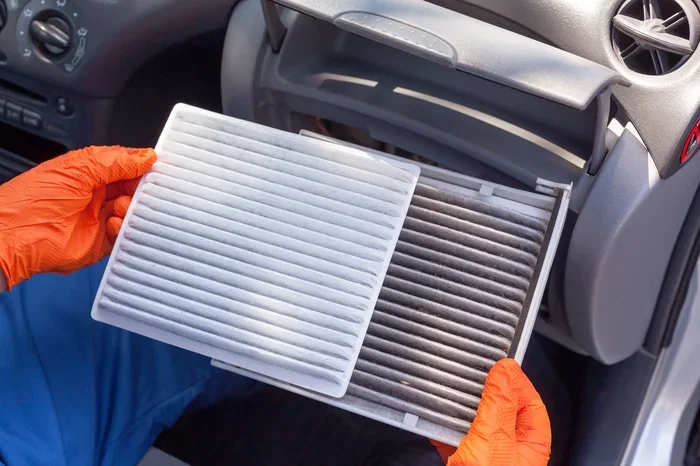
Before we answer the big question, let us talk about what the cabin air filter actually does. Think of it as a nose for your car. Just like your nose filters the air you breathe, the cabin air filter catches dust, pollen, dirt, and other particles before they enter the passenger cabin. It is a simple but essential part of your car’s HVAC system.
Most cabin air filters are made of layered paper or fibrous material. They trap airborne debris and allow only clean air to flow through your vents. Some higher-end filters even include activated charcoal layers that help absorb odors and harmful gases. This is especially useful if you drive in areas with heavy pollution or traffic fumes.
Where Is the Cabin Air Filter Located?
The location varies by vehicle, but most cabin air filters sit behind the glove box or under the dashboard near the base of the windshield. Some vehicles have them under the hood instead. Checking your owner’s manual will tell you exactly where yours is located. In most cases, accessing it is straightforward and does not require a mechanic.
Cabin Air Filter vs Engine Air Filter
It is easy to confuse the cabin air filter with the engine air filter, but they serve completely different purposes. The engine air filter cleans the air that goes into the engine for combustion. The cabin air filter cleans the air you breathe inside the car. Both matter, but they protect different systems. Skipping the engine air filter can hurt performance, and skipping the cabin air filter hurts your health and comfort.
Can You Drive Without a Cabin Air Filter?
Here is the short answer: yes, you can. Your car does not need the cabin air filter to run. The engine will start, the wheels will turn, and you can reach your destination. However, just because you can does not mean you should. Think of it like driving without shoes. You can do it, but it is not comfortable or safe.
When you remove the cabin air filter, unfiltered air flows directly into your car’s interior. That means every breath you take inside the vehicle carries whatever is floating outside. On a dry, dusty road, that might mean a cloud of fine particles every time you hit the vents. On a pollen-heavy spring day, it could mean sneezing fits for everyone in the car.
If you have ever driven behind a truck kicking up gravel and noticed debris in your vents, that is what happens without a filter. Over time, this debris builds up inside your HVAC system. It can clog components, reduce airflow, and even cause unpleasant odors. Some people notice a musty or dusty smell when the filter is missing or dirty. That smell is trapped moisture and debris sitting in your ventilation system.
Interestingly, driving without certain car components is a common question among vehicle owners. For example, many people ask can you drive a car without steering assist, and the answer is similar. The car runs, but it is not ideal. The same applies here. Your car works, but it is not performing at its best.
What Happens When You Drive Without a Cabin Air Filter?
Driving without a cabin air filter affects more than just the air you breathe. It impacts your comfort, your health, and even the longevity of your car’s systems. Let us break down the real consequences.
Reduced Air Quality Inside the Cabin
This is the most obvious effect. Without a filter, there is nothing stopping pollutants from entering your car. Dust, soot, pollen, mold spores, and even insect parts can flow freely through your vents. For people with allergies or asthma, this can be a serious problem. Even if you do not have respiratory issues, breathing in polluted air over long periods can cause irritation and fatigue.
Children and elderly passengers are especially vulnerable to poor air quality inside a vehicle. If you frequently carpool with kids or older family members, keeping the cabin air filter in good shape is even more important.
Strain on the HVAC System
Your car’s heating, ventilation, and air conditioning system relies on proper airflow. The cabin air filter helps regulate this airflow by trapping particles before they reach the blower motor and evaporator core. Without it, debris can coat these components and reduce their efficiency.
Over time, this strain leads to higher energy consumption, weaker airflow from vents, and eventually costly repairs. A clogged or missing filter forces the blower motor to work harder, which can shorten its lifespan. Replacing a blower motor costs far more than a simple cabin air filter swap.
Unpleasant Odors
A missing cabin air filter often leads to musty or stale smells inside the car. Moisture from the air conditioning system can collect debris and create a breeding ground for mold and bacteria. Without the filter to catch these particles, the odors spread every time you turn on the fan.
If you have ever noticed a foul smell when you first start your car or turn on the AC, a dirty or missing cabin filter is a common culprit. Replacing it often solves the problem immediately.
Increased Maintenance Costs
Skipping the cabin air filter might save you a few dollars now, but it can lead to bigger expenses later. Debris buildup in the HVAC system can cause blockages, reduce cooling and heating performance, and lead to component failure. A simple $15 to $30 filter replacement can prevent hundreds of dollars in repairs down the road.
Some drivers notice that their air conditioning does not blow as cold as it used to and blame the refrigerant. Often, the real issue is a clogged or missing cabin filter restricting airflow over the evaporator. Checking the filter first can save you from an unnecessary recharge or service visit.
How Often Should You Replace Your Cabin Air Filter?
Most manufacturers recommend replacing the cabin air filter every 12,000 to 15,000 miles, or once a year. However, driving conditions matter a lot. If you frequently drive on dirt roads, in heavy traffic, or in areas with high pollen counts, you may need to replace it more often.
Here are some signs that your cabin air filter needs attention:
- Reduced airflow from the vents: You notice weaker air coming from your dashboard or floor vents.
- Unusual smells: A dusty, musty, or musty odor when the fan is running.
- Increased allergy symptoms: Sneezing, itchy eyes, or congestion inside the car.
- Visible debris around the vents: You can see dust or particles coming out of the vents.
- Whistling sounds: Air escaping around the filter housing suggests a poor fit or missing filter.
If you have ever dealt with a warning light on your dashboard and wondered if it is safe to keep driving, you are not alone. Many people ask can I drive my car with the trac off light on, and the answer depends on the situation. Similarly, driving without a cabin air filter is generally safe in the short term, but you should not make it a habit.
Can You Clean a Cabin Air Filter Instead of Replacing It?
Some reusable cabin air filters can be cleaned and reinstalled. These are typically made of washable fabric or foam materials. You rinse them with water, let them dry completely, and put them back. However, most cabin air filters are disposable and should be replaced rather than cleaned. Trying to clean a paper filter often damages the material and reduces its effectiveness.
If you are unsure which type your vehicle has, check your owner’s manual or look at the filter itself. Disposable filters have a paper-like texture, while reusable ones feel more like a dense foam or fabric.
How to Replace a Cabin Air Filter
Replacing a cabin air filter is one of the easiest maintenance tasks you can do at home. Most vehicles make it accessible without any special tools. Here is a basic overview of the process:
- Locate the cabin air filter housing. Check your owner’s manual for the exact spot.
- Open the housing cover. This may involve removing screws, clips, or a simple latch.
- Slide out the old filter and note the airflow direction arrow printed on it.
- Insert the new filter, making sure the arrow points in the correct direction.
- Close the housing and secure it properly.
Most cabin air filters cost between $10 and $30 at auto parts stores. If you prefer not to do it yourself, a quick trip to any mechanic or dealership will handle it in minutes.
Why People Skip Cabin Air Filter Replacement
There are several reasons people neglect cabin air filter replacement. Understanding these can help you avoid the same mistakes.
They Do Not Know It Exists
Many drivers simply do not realize their car has a cabin air filter. Unlike the engine air filter, which is often visible and easy to check, the cabin filter hides behind the dashboard or glove box. Some older vehicles do not even have one, so drivers of newer cars may not be aware of this maintenance item.
They Underestimate the Impact
Because the cabin air filter does not affect engine performance directly, many people assume it is not important. They might prioritize oil changes and tire rotations but skip the cabin filter. The truth is, the air quality inside your car directly affects your health, comfort, and focus while driving.
They Think It Costs Too Much
A cabin air filter is one of the least expensive maintenance items on any vehicle. At $10 to $30 for the part and minimal labor if you do it yourself, the cost is negligible compared to the benefits. Skipping it to save a few dollars can lead to much larger expenses later.
Signs Your Cabin Air Filter Needs Immediate Attention
Sometimes the problem is not gradual. Here are clear signs that your cabin air filter is failing or missing and needs immediate action:
- Sudden drop in airflow: The vents barely push air even on the highest setting.
- Strong musty odor: A persistent smell that does not go away with vent cleaning.
- Visible dirt around vents: Dust accumulating quickly on the dashboard near the vents.
- Worsening allergy symptoms: You or your passengers experience more sneezing or irritation inside the car.
- HVAC system makes unusual noises: A rattling or whistling sound from the ventilation system.
If you notice any of these signs, check your cabin air filter right away. In the meantime, you can crack a window to improve airflow, but this is not a long-term solution.
Common Mistakes People Make With Cabin Air Filters
Even when people do pay attention to their cabin air filter, they sometimes make mistakes that reduce its effectiveness.
Installing the Filter Backwards
Every cabin air filter has an airflow direction arrow. Installing it backwards restricts airflow and reduces filtration. Always check the arrow before inserting the new filter. If you are unsure, take a photo of the old filter orientation before removing it.
Using the Wrong Filter Size
Not all cabin air filters are universal. Each vehicle model requires a specific size and shape. Using the wrong filter can leave gaps that let unfiltered air bypass the filtration material. Always verify the correct part number for your make and model before purchasing.
Ignoring the Filter Until There Is a Problem
Waiting until you notice reduced airflow or bad smells means the filter has already been compromised for a while. Following the replacement schedule in your owner’s manual prevents problems before they start. Think of it like brushing your teeth. You do not wait until you feel pain.
Does a Cabin Air Filter Affect Fuel Economy?
While the cabin air filter does not directly affect fuel economy the way an engine air filter does, there is an indirect connection. A clogged or missing cabin filter can strain the blower motor and reduce HVAC efficiency. In extreme cases, this can cause the system to draw more electrical power, which on hybrid and electric vehicles may slightly affect range.
However, the fuel economy impact from a cabin air filter is minimal compared to other factors like driving habits, tire pressure, and engine maintenance. The bigger concern with a missing cabin filter is air quality and HVAC longevity, not gas mileage.
Driving Without Car Components: A Broader Perspective
Driving without a cabin air filter is just one example of operating a vehicle with a missing or broken component. Vehicle owners often face similar questions about other parts. For instance, some drivers wonder if they can keep driving when the engine is running rough or misfiring. Ignoring a misfire can cause serious engine damage over time. The same principle applies to the cabin air filter. Just because the car moves does not mean you should ignore the problem.
Every component in your vehicle serves a purpose. Some parts are safety-critical, while others affect comfort and long-term reliability. The cabin air filter falls into the comfort and reliability category. It does not make your car unsafe to drive, but it does make the driving experience better and protects the systems that keep you comfortable on the road.
Final Thoughts: Should You Drive Without a Cabin Air Filter?
The answer is clear. You can drive without a cabin air filter, but you should not. This small, inexpensive part does a lot of work. It keeps the air inside your car clean, protects your HVAC system from debris, and contributes to a more comfortable driving experience for you and your passengers.
If your cabin air filter is missing, damaged, or overdue for replacement, make it a priority to fix it. The cost is minimal, the process is simple, and the benefits are immediate. You will notice better airflow, cleaner air, and fewer odors inside your car right away.
Think of the cabin air filter as a small investment in your health and your vehicle’s longevity. A few dollars and a few minutes of your time can save you from bigger problems down the road. Keep your filter clean, keep your air fresh, and keep enjoying the drive.
Frequently Asked Questions
Is it safe to drive without a cabin air filter?
Yes, it is safe in the short term. Your car will still run and drive normally. However, driving without one exposes you to dust, pollen, and other airborne particles, which can affect your health and comfort over time.
How long can you drive without a cabin air filter?
You can drive indefinitely without one, but it is not recommended. The longer you go without it, the more debris builds up inside your HVAC system, which can lead to reduced airflow and potential damage over time.
What happens if you never replace your cabin air filter?
Over time, a neglected cabin air filter becomes clogged with dust and debris. This reduces airflow from your vents, causes unpleasant odors, strains your blower motor, and can lead to more expensive HVAC repairs down the road.
Can a missing cabin air filter cause AC problems?
Yes, it can. Without the filter, debris can coat the evaporator core and restrict airflow. This makes your air conditioning less efficient and can cause the system to work harder, leading to premature wear.
How much does a cabin air filter cost to replace?
A cabin air filter typically costs between $10 and $30 for the part. If you replace it yourself, the only cost is the filter. If you have a mechanic do it, labor is usually minimal since it is a quick and simple job.
Can a dirty cabin air filter affect your health?
Absolutely. A dirty or missing cabin air filter allows pollen, dust, mold spores, and other pollutants to circulate inside your car. This can trigger allergies, worsen asthma symptoms, and cause irritation of the eyes, nose, and throat.