Can a Car Still Run Without That Catalytic Converter
Yes, a car can technically run without a catalytic converter, but it comes with serious consequences for your engine, your wallet, and the environment. Removing this small exhaust component might seem harmless, but it triggers warning lights, reduces engine performance, and can land you in legal trouble. In this guide, we break down exactly what happens, why you should never remove it, and what to do if yours gets stolen.
You might have heard rumors floating around that removing your catalytic converter can improve performance or even save gas. Maybe someone told you their car runs fine without one. The truth is, yes, a car can technically run without a catalytic converter. But “can it” and “should it” are two completely different things.
Your catalytic converter plays a vital role in your vehicle’s exhaust system. It cleans up harmful gases before they leave your tailpipe. Without it, your car might keep running, but it will run dirty, loud, and inefficient. Think of it like running your body without a liver. Technically possible? Sure. Healthy? Absolutely not.
In this article, we will walk through everything you need to know about driving without a catalytic converter. We will cover what this part does, what happens when it is removed, the legal implications, and what to do if yours gets stolen. Whether you are dealing with a bad converter or just curious, this guide has you covered.
Key Takeaways
- A car can run without a catalytic converter, but it is not recommended and can cause long-term damage.
- Engine performance drops significantly without a functioning converter, affecting fuel efficiency and power.
- Removing the catalytic converter is illegal in most places and will cause your car to fail emissions testing.
- Catalytic converter theft has been rising, so knowing the signs of theft is important for every car owner.
- The catalytic converter replacement cost varies, but early detection of problems can save you hundreds of dollars.
- Common symptoms of a bad converter include a check engine light, rough idling, and reduced acceleration.
📑 Table of Contents
- What Does a Catalytic Converter Do?
- Can a Car Run Without a Catalytic Converter?
- Why You Should Never Remove Your Catalytic Converter
- Signs Your Catalytic Converter Is Failing
- What to Do If Your Catalytic Converter Gets Stolen
- Can You Drive a Car Without a Catalytic Converter Long-Term?
- Common Mistakes Car Owners Make With Catalytic Converters
- How to Protect Your Catalytic Converter
- Conclusion
What Does a Catalytic Converter Do?
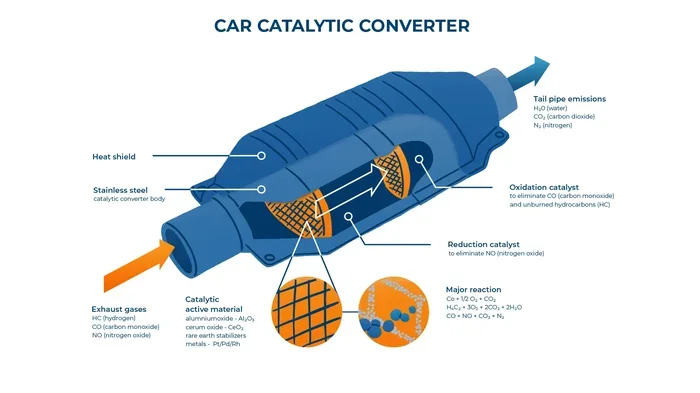
Before we dive into what happens without one, let us understand what this part actually does. The catalytic converter sits between your exhaust manifold and your exhaust pipe. It is part of your vehicle’s emissions control system. Its job is to convert harmful gases into less harmful ones before they exit your car.
Here is a simple breakdown of the process:
- Carbon monoxide gets converted into carbon dioxide.
- Hydrocarbons get converted into water and carbon dioxide.
- Nitrogen oxides get converted into nitrogen and oxygen.
Inside the converter, you will find precious metals like platinum, palladium, and rhodium. These metals act as catalysts that speed up chemical reactions. They break down toxic fumes into safer substances. This is why catalytic converters are expensive and also why catalytic converter theft has become so common.
Your oxygen sensor works hand in hand with the converter. It monitors the oxygen levels in your exhaust and sends data to your car’s computer. Together, these parts keep your engine running smoothly and your air quality clean. When either one fails, you will notice problems fast.
Can a Car Run Without a Catalytic Converter?
The short answer is yes. A car can run without a catalytic converter because the converter is not part of the combustion process itself. Your engine does not need the converter to ignite fuel or move the pistons. So technically, you can remove it and drive away.
But here is the catch. Your car will not run the same way it was designed to. The exhaust system is a carefully balanced system. Removing one part affects everything else. Think of it like removing a filter from your home HVAC system. The air will still flow, but the air quality will drop, and the system will work harder.
What Happens When You Remove It?
When you take out the catalytic converter, several things change immediately. Your exhaust gases flow faster because there is less restriction. Some people mistake this for a performance boost. But that is not what is really happening.
Here is what you can expect:
- Louder exhaust noise. Without the converter, your car sounds like a race car. The muffler alone cannot quiet things down.
- Rotten egg smell. Sulfur compounds that the converter would normally neutralize now escape through your tailpipe.
- Check engine light turns on. Your car’s computer detects the missing part and triggers a fault code. You might see an OBD-II code related to catalyst efficiency.
- Reduced fuel efficiency. Without proper back pressure, your engine runs rich, meaning it burns more gas than needed.
- Engine misfires become more likely. The oxygen sensor readings get thrown off, which affects combustion timing.
Many people also notice their car fails a vehicle emissions test within seconds of going to the inspection station. Without the converter, your exhaust is full of pollutants that would normally be filtered out. This is illegal in all 50 states for vehicles that require testing.
Why You Should Never Remove Your Catalytic Converter
Some car owners consider removing their catalytic converter to gain a few extra horsepower or to fix a rattling noise. This is a bad idea for several reasons. Let us walk through them.
It Is Illegal
In the United States, removing or disabling your catalytic converter violates the Clean Air Act. The Environmental Protection Agency (EPA) enforces strict rules about vehicle emissions. If you get caught, you could face heavy fines. Some states even impound vehicles with removed converters.
Even if you live in a state that does not require annual emissions testing, it is still illegal to remove this part. Law enforcement can pull you over and issue a citation. Do not risk it.
It Damages Your Engine
Your engine relies on proper back pressure to run efficiently. The catalytic converter creates a small amount of resistance that helps the engine breathe correctly. Without it, your engine performance suffers over time.
Here are some long-term effects of running without a converter:
- Engine overheating. Unfiltered exhaust gases can cause excessive heat in the exhaust system, which may damage surrounding components.
- Oxygen sensor failure. The sensors get confused by the change in exhaust flow and may need replacement sooner.
- Catalytic converter damage to other parts. The extra heat and vibration can harm your exhaust manifold and gaskets.
- Increased wear on your engine. Running rich (too much fuel) fouls spark plugs and damages the oxygen sensor over time.
If you are already dealing with a bad converter, replacing it is always better than removing it. The catalytic converter replacement cost can range from $500 to $2,500 depending on your vehicle. That might sound steep, but it is far cheaper than repairing engine damage caused by running without one.
It Hurts the Environment
Your catalytic converter reduces harmful pollutants by up to 90 percent. Without it, your car pumps out toxic fumes that contribute to smog, acid rain, and respiratory problems. Every car on the road plays a role in keeping our air quality safe. Removing your converter does your part to make things worse.
If everyone removed their converters, the cumulative effect on emissions would be devastating. This is why regulations exist in the first place. Protecting the environment starts with each individual vehicle owner doing their part.
Signs Your Catalytic Converter Is Failing
Sometimes a converter goes bad and needs to be replaced rather than removed. Recognizing the warning signs early can save you from bigger problems down the road. Here are the most common symptoms to watch for.
Check Engine Light
The most obvious sign is a glowing check engine light on your dashboard. Your car’s computer runs constant diagnostics on your exhaust system. When it detects that the catalytic converter is not working properly, it stores a trouble code and illuminates the light. You can get the code read with an OBD-II scanner. Common codes include P0420 and P0430, which indicate catalyst efficiency below threshold.
Rotten Egg Smell
A healthy converter converts sulfur into odorless sulfur dioxide. When the converter fails, sulfur passes through unchanged. The result is a strong rotten egg smell coming from your exhaust. If you notice this odor, get your converter checked immediately.
Reduced Engine Performance
A clogged or damaged converter restricts exhaust flow. This causes your engine to feel sluggish, especially during acceleration. You might notice your car struggles to maintain speed or feels like it is laboring. If this happens, do not ignore it. A blocked converter can eventually cause your engine to stall.
Dark Exhaust Smoke
Normal exhaust should be mostly invisible or slightly translucent. If you see dark smoke, it could mean your converter is not processing gases correctly. Black smoke often indicates rich fuel mixture, while blue smoke suggests oil burning. Either way, a failing converter may be contributing to the problem.
Rattling Noise
Inside the converter, the honeycomb structure can break apart over time. When this happens, you will hear a rattling sound, especially when starting the car or idling. This rattling gets worse as the pieces break off further. A converter with a broken internal structure usually needs full replacement.
What to Do If Your Catalytic Converter Gets Stolen
Catalytic converter theft has surged in recent years. The precious metals inside are valuable on the black market. Thieves can crawl under your car and cut out the converter in minutes. It is a frustrating and expensive problem that many car owners face.
If you come out to your car and hear a loud rattling or roaring noise when you start the engine, your converter may be missing. Here is what you should do:
- Do not drive the car without it. Even though your car can run, driving without the converter is illegal and harmful.
- Call your insurance company. Many comprehensive insurance policies cover catalytic converter theft. Document the damage and file a claim.
- Contact the police. File a police report. This documentation is essential for your insurance claim.
- Get a replacement installed. Take your car to a trusted mechanic. Ask about catalytic converter replacement cost and whether your insurance will cover the repair.
- Consider anti-theft devices. Products like converter shields, etching, and tracking devices can deter future theft.
Some insurance companies now offer specific endorsements for converter theft. If you live in an area where theft is common, this is worth looking into. Prevention is always cheaper than repair.
Can You Drive a Car Without a Catalytic Converter Long-Term?
You can drive short distances without a converter, but long-term use causes serious problems. Your engine performance will degrade, your fuel economy will drop, and you risk damaging other expensive components. The oxygen sensor and exhaust manifold are particularly vulnerable.
Also, remember that your car needs to pass a vehicle emissions test in most states. Without a converter, you will fail immediately. This means you cannot legally register your vehicle or drive it on public roads in many areas.
If you are currently without a converter, the best move is to get it replaced as soon as possible. Even a used or aftermarket converter is better than none at all. Your car will run cleaner, quieter, and more efficiently with a properly functioning converter installed.
Common Mistakes Car Owners Make With Catalytic Converters
There are several mistakes that car owners make when it comes to their catalytic converters. Avoiding these can save you time, money, and headaches.
- Ignoring the check engine light. Many people ignore a glowing check engine light for weeks or months. By the time they finally get it checked, a minor issue has turned into a costly repair.
- Using the wrong fuel. Using incorrect fuel octane or mixing ethanol and non-ethanol gas can damage your converter over time. Always use the fuel grade recommended by your manufacturer.
- Neglecting regular maintenance. Skipping oil changes and spark plug replacements can cause unburned fuel to enter the exhaust system and damage the converter.
- Ignoring exhaust leaks. A small leak in your exhaust system can throw off oxygen sensor readings and stress the converter. Fix small problems before they become big ones.
- Removing the converter to pass emissions. Some people remove the converter thinking it will make their car run better. This is illegal and actually makes performance worse over time.
How to Protect Your Catalytic Converter
Taking care of your catalytic converter extends its life and keeps your car running well. Here are some practical tips:
- Stick to your recommended car maintenance schedule. Change oil and spark plugs on time.
- Use the correct fuel grade for your vehicle.
- Address engine misfires promptly. A misfiring engine sends unburned fuel into the converter, which can cause it to overheat and fail.
- Install an anti-theft device if you park in public areas frequently.
- Get your emissions system inspected regularly, especially if you notice any warning signs.
- Avoid driving over rough terrain or speed bumps at high speeds, which can damage the converter underneath your car.
Following these simple steps keeps your converter healthy and your car running smoothly for years to come. A little prevention goes a long way toward avoiding expensive repairs.
Conclusion
So, can a car run without a catalytic converter? Yes, it can. But the real question is whether it should. The answer is a clear no. Removing or driving without a catalytic converter harms your engine, wastes fuel, pollutes the air, and breaks the law. The risks far outweigh any perceived benefits.
If your converter is failing, get it repaired or replaced. If it has been stolen, file a claim and get a new one installed quickly. Taking care of your exhaust system is one of the simplest ways to keep your car reliable, legal, and efficient on the road.
Your catalytic converter might be small, but it plays a huge role in how your car runs. Treat it well, and it will take care of you for the long haul.
Frequently Asked Questions
How long can you drive a car without a catalytic converter?
You can drive short distances without a catalytic converter, but it is not recommended for long-term use. Driving without one causes engine damage, reduced fuel efficiency, and failed emissions tests. Get your converter replaced as soon as possible to avoid costly repairs.
What happens if you remove a catalytic converter?
Removing the catalytic converter triggers your check engine light, reduces engine performance, and increases harmful emissions. Your car will also fail any emissions testing and is illegal to drive on public roads in most areas. The louder exhaust noise is also a dead giveaway that something has been removed.
Can a stolen catalytic converter cause engine damage?
Yes, driving without a converter can cause engine damage over time. The lack of proper back pressure affects combustion timing, and unfiltered exhaust gases can harm the oxygen sensor and exhaust manifold. Always replace a stolen converter promptly to protect your engine.
How much does it cost to replace a catalytic converter?
The catalytic converter replacement cost typically ranges from $500 to $2,500, depending on your vehicle make and model. Luxury vehicles and trucks tend to cost more. Some insurance policies cover theft-related replacement, so check with your provider if your converter was stolen.
Can a bad catalytic converter cause a car to stall?
Yes, a severely clogged catalytic converter can restrict exhaust flow enough to cause your engine to stall. This usually happens during acceleration or at higher speeds. If your car stalls and you have other symptoms like reduced power and a check engine light, the converter may be the culprit.
Is it legal to drive a car without a catalytic converter?
No, it is illegal in all 50 states under the Clean Air Act. Removing or disabling your catalytic converter violates federal emissions regulations. Even in states without annual inspections, driving without a converter can result in fines and citations from law enforcement.