Can an Alternator Really Last 200K Miles Without Failing
Yes, an alternator can last 200K miles, but it depends on your vehicle, driving habits, and maintenance routine. Most stock alternators are designed to last between 100K and 150K miles, so reaching the 200K mark requires some extra care and favorable conditions. Understanding how your charging system works and knowing the early warning signs can help you avoid unexpected breakdowns and costly repairs.
Here is a question every car owner eventually faces. Can an alternator last 200K miles without giving up? It sounds almost too good to be true. After all, most car parts wear out eventually, and the alternator is no exception.
But the truth might surprise you. Many drivers have pushed their alternators well past the 200,000-mile mark and never had a single issue. The key is understanding what your alternator does, how long it is supposed to last, and what you can do to help it survive the long haul.
This guide breaks down everything you need to know about alternator lifespan. We will cover the signs of a failing unit, maintenance tips, common mistakes, and real-world expectations. Whether you drive a daily commuter or a high-mileage work vehicle, this information will help you stay ahead of electrical problems.
Key Takeaways
- 200K miles is achievable: With proper care and good driving conditions, many alternators can reach or exceed 200,000 miles.
- Watch for warning signs: Dimming headlights, dashboard warnings, and strange noises are early signals of alternator trouble.
- Maintenance matters: Regular belt inspections, battery health checks, and clean connections significantly extend alternator life.
- Driving habits play a role: Short trips and extreme temperatures put extra strain on your electrical system.
- Upgrades can help: Higher-quality or heavy-duty alternators offer better longevity for high-mileage vehicles.
- Cost awareness is key: Knowing the average alternator replacement cost helps you plan and budget ahead of time.
📑 Table of Contents
- What Does an Alternator Do and Why Does It Matter?
- So, Can an Alternator Really Last 200K Miles?
- Signs Your Alternator Is Failing
- How to Extend Your Alternator’s Life
- Common Mistakes That Shorten Alternator Life
- Alternator Replacement: What to Expect
- When to Replace vs. When to Repair
- Real-World Alternator Longevity Stories
- Final Thoughts on Alternator Longevity
What Does an Alternator Do and Why Does It Matter?
Your alternator is the unsung hero of your vehicle’s electrical system. While the battery gets all the attention, the alternator does the heavy lifting. It generates electricity every time your engine runs. This power keeps your battery charged and feeds energy to lights, the ignition system, and all your electronic accessories.
Without a working alternator, your car would run on battery power alone. That battery would drain within minutes. You would be stranded on the side of the road with a dead vehicle and no way to restart it.
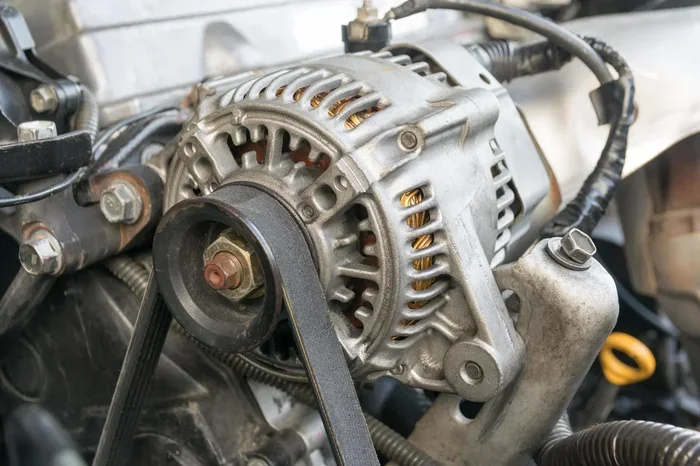
The alternator connects to the engine through a serpentine belt. As the engine turns, the belt spins the alternator’s rotor. This motion creates electrical current. It is a simple but brilliant design that has remained largely unchanged for decades.
How the Charging System Works Together
Your car’s charging system involves three main components. The battery provides the initial power to start the engine. The alternator generates electricity while the engine runs. And the voltage regulator controls the flow of power to protect both the battery and electrical components.
All three parts depend on each other. If one fails, the others suffer. This is why diagnosing electrical issues requires looking at the whole system, not just one piece.
So, Can an Alternator Really Last 200K Miles?
The short answer is yes. The longer answer is that it depends on several factors. Most manufacturers design alternators to last between 100,000 and 150,000 miles. But that is just an average. Many alternators go well beyond that range.
Reaching 200,000 miles is absolutely possible. Some drivers report their original alternator lasting 250,000 miles or more. These cases usually involve a combination of good maintenance, favorable driving conditions, and a bit of luck.
Here is what influences whether your alternator can make it to 200K miles:
- Vehicle make and model: Some brands use higher-quality alternators that are built to last longer.
- Driving conditions: Highway driving is easier on the alternator than constant stop-and-go traffic.
- Electrical load: Vehicles with lots of aftermarket electronics put more strain on the charging system.
- Climate: Extreme heat and extreme cold both shorten electrical component life.
- Maintenance habits: Regular inspections and timely belt replacements make a big difference.
Think of it this way. Your alternator is like the engine of your electrical system. Treat it well, and it will serve you faithfully for a very long time.
Comparing Alternator Lifespan Across Vehicle Types
Not all vehicles are created equal when it comes to alternator longevity. Here is a general comparison of what you can expect from different types of vehicles.
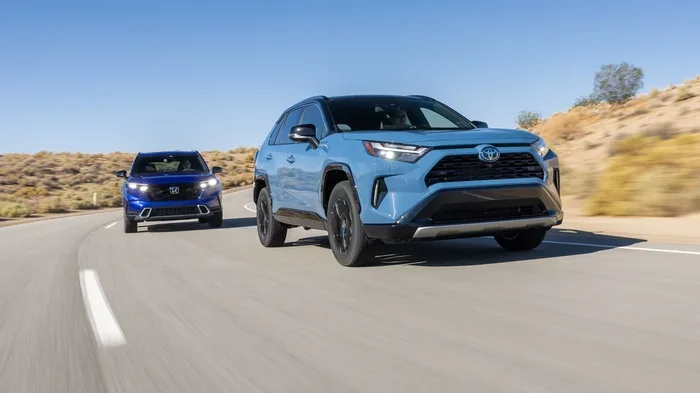
Passenger sedans and light trucks typically see alternators last between 120,000 and 180,000 miles. Hybrid vehicles have a unique advantage because the electric motor assists the alternator and reduces the overall workload. Some hybrid owners report their charging systems lasting well over 200,000 miles. If you are curious about how long hybrid cars last in general, you can check out our article on Can a Hybrid Car Last 10 Years for more insights on vehicle longevity.
Performance vehicles and trucks with heavy towing loads tend to see shorter alternator lifespans. The extra electrical demand and engine stress wear out components faster. Vintage cars present another challenge. Older alternators were simpler but also less efficient, which can lead to earlier failures.
Signs Your Alternator Is Failing
Catching alternator problems early can save you from a roadside breakdown. The warning signs usually appear gradually. Here are the most common symptoms to watch for.
Dashboard Warning Lights
The battery-shaped warning light on your dashboard is the most obvious signal. This light, often labeled “ALT” or “GEN,” illuminates when the charging system detects a problem. Do not ignore it. If this light comes on, get your vehicle inspected as soon as possible.
Dimming or Flickering Lights
Are your headlights getting dimmer when you idle? Do your dashboard lights flicker at night? These are classic signs of a weak alternator. The unit is struggling to produce enough electricity to keep everything running at full brightness.
Strange Noises
A whining or grinding sound coming from the engine area can indicate alternator trouble. These noises often mean the internal bearings are wearing out. Ignoring them can lead to a complete alternator failure.
Electrical Accessories Acting Up
Power windows slowing down, the radio cutting out, or your phone charger not working properly can all point to a failing alternator. When the charging system cannot keep up, it prioritizes essential systems. Your entertainment and convenience features are the first to go.
Dead Battery After Sitting
If your car starts fine but the battery dies after a few days of sitting, the alternator is likely not charging properly. A healthy alternator should keep the battery topped off even during periods of inactivity.
Burning Smell
A burning rubber or electrical smell near the engine bay is a serious warning sign. This could indicate a slipping serpentine belt or overheating alternator wiring. Pull over safely and get your vehicle towed to a mechanic.
How to Extend Your Alternator’s Life
Want to help your alternator reach or even exceed 200,000 miles? These practical tips can make a real difference. Most of them are simple and cost nothing or very little.
Inspect the Serpentine Belt Regularly
The serpentine belt drives your alternator. A cracked, glazed, or loose belt puts extra strain on the alternator bearings. Check the belt every few months for signs of wear. Replace it at the first sign of cracking or fraying. This is one of the easiest and most effective things you can do.
Keep the Battery Healthy
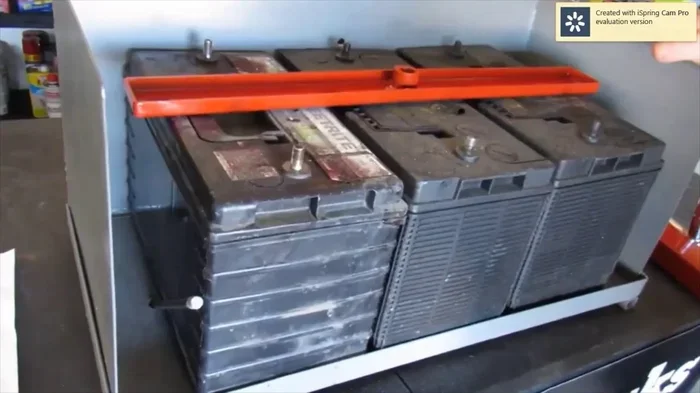
A weak battery forces the alternator to work harder. This extra workload shortens the alternator’s lifespan. Test your battery at least once a year, especially as it ages. Replace it when it starts to weaken. Think of the battery and alternator as partners. When one is struggling, the other suffers.
Clean Electrical Connections
Corroded battery terminals and loose wiring connections create resistance in the electrical system. This resistance makes the alternator work harder to deliver the same amount of power. A simple cleaning with a wire brush and some baking soda can make a big difference.
Avoid Overloading the Electrical System
Adding lots of aftermarket electronics can push your alternator beyond its limits. High-powered sound systems, additional lighting, and winches all draw significant power. If you have added accessories, consider upgrading to a higher-output alternator to handle the extra demand.
Drive at Steady Speeds When Possible
Constant stop-and-go city driving creates more electrical demand than steady highway cruising. Your alternator has to work harder to keep up with the frequent engine speed changes. Whenever you can, mix in some highway driving to give your charging system a break.
Address Overheating Issues Promptly
Excessive engine heat damages electrical components over time. If your vehicle runs hot, get the cooling system checked. An overheating engine can silently destroy your alternator long before you notice any symptoms.
Common Mistakes That Shorten Alternator Life
Some habits quietly damage your alternator without you even realizing it. Here are the most common mistakes drivers make.
- Ignoring warning signs: Dismissing a flickering dashboard light or a faint whining noise leads to bigger problems down the road.
- Delaying belt replacements: A worn serpentine belt is the number one killer of alternators. It puts unnecessary stress on the unit.
- Jump-starting incorrectly: Reversing jumper cable connections can fry the alternator’s voltage regulator. Always follow the correct jump-start procedure.
- Neglecting battery maintenance: A failing battery forces the alternator to compensate. This extra work wears out the alternator prematurely.
- Using cheap replacement parts: Budget alternators often use lower-quality components that fail sooner. Investing in a quality unit pays off in the long run.
One mistake that catches many drivers off guard is assuming a dead battery is always the culprit. Sometimes the alternator is the real problem. If you replace your battery and it dies again within a few days, have your alternator checked before buying another battery.
Alternator Replacement: What to Expect
Even with the best care, alternators eventually fail. Knowing what to expect during replacement helps you make informed decisions and avoid getting overcharged.
Average Replacement Cost
The cost to replace an alternator typically ranges from $300 to $800, depending on your vehicle and the type of alternator you choose. The part itself costs between $100 and $400. Labor usually runs between $200 and $400. Luxury vehicles and trucks with difficult engine access can cost more.
OEM vs. Aftermarket Parts
OEM (Original Equipment Manufacturer) alternators are made by the same company that supplied your vehicle. They match the original specifications exactly. Aftermarket alternators come from third-party manufacturers. Quality varies widely. Stick with reputable brands and read reviews carefully.
DIY vs. Professional Installation
If you have basic mechanical skills, replacing an alternator yourself is doable. It usually involves removing the serpentine belt, unbolting the old unit, and installing the new one. However, incorrect installation can damage the new alternator or other engine components. If you are unsure, it is worth paying a professional for the job.
One thing to keep in mind. If your vehicle has a timing chain that is also approaching high mileage, you may want to address both issues at the same time. For more information on timing chain longevity, check out our article on Can a Timing Chain Last 300,000 Miles. Addressing multiple maintenance items together can save you time and money.
When to Replace vs. When to Repair
Not every alternator problem requires a full replacement. Sometimes a simpler fix can restore proper function. Here is how to decide.
Small issues like a loose connection, a worn belt tensioner, or a faulty voltage regulator can often be repaired without replacing the entire alternator. These fixes are much cheaper and can extend the life of your existing unit by tens of thousands of miles.
However, if the internal bearings are grinding, the stator is burned out, or the rotor is damaged, replacement is usually the only option. Attempting to repair severe internal damage often costs more than a new unit and provides no guarantee of long-term reliability.
A good mechanic will diagnose the problem thoroughly before recommending a full replacement. Do not be afraid to ask questions and understand exactly what is wrong and why a particular solution is recommended.
Real-World Alternator Longevity Stories
Numbers and specifications are helpful, but real-world stories bring the topic to life. Many drivers have shared experiences of their alternators lasting well past 200,000 miles.
One common theme among these long-lasting alternators is consistent, gentle driving. Highway commuters who avoid extreme temperatures and keep up with basic maintenance tend to see the best results. Another factor is vehicle choice. Some brands and models are simply built with more durable electrical components.
On the other hand, vehicles that are driven primarily for short trips in harsh climates tend to see alternator failures much earlier. Short trips do not give the alternator enough time to fully recharge the battery. This creates a cycle of partial charging that gradually wears out the unit.
If you are curious about how different driving conditions affect overall vehicle longevity, our article on Can You Drive a Car With a Misfire explores how engine problems and electrical issues interact during extended driving.
The bottom line is clear. With the right care and attention, your alternator can absolutely last 200,000 miles. It just requires awareness, preventive maintenance, and a willingness to address small problems before they become big ones.
Final Thoughts on Alternator Longevity
Can an alternator last 200K miles without failing? The evidence says yes, it is entirely possible. But it is not automatic. It takes the right vehicle, good driving habits, and consistent maintenance to push an alternator that far.
The most important thing you can do is stay attentive. Listen to your car. Watch for warning signs. Keep up with scheduled maintenance. These simple habits will protect your alternator and your entire electrical system for years to come.
Remember, your alternator works hard every single time you turn the key. It deserves your attention and care. Treat it well, and it will keep your lights on, your engine running, and your wheels rolling for hundreds of thousands of miles.
Do not wait for something to break before you pay attention. Start today. Inspect your belt. Check your battery. Listen for unusual sounds. These small actions add up to big savings and peace of mind on the road ahead.
Frequently Asked Questions
What is the average lifespan of an alternator?
Most alternators are designed to last between 100,000 and 150,000 miles. However, with proper maintenance and favorable driving conditions, many alternators can reach 200,000 miles or more. The key factors include regular belt inspections, battery health, and avoiding electrical overloads.
How do I know if my alternator is going bad?
Common signs include a dashboard battery warning light, dimming headlights, strange whining or grinding noises, flickering dashboard lights, and electrical accessories working intermittently. A dead battery that keeps dying after sitting is also a strong indicator. If you notice any of these symptoms, have your charging system tested right away.
Can a bad alternator damage the battery?
Yes, absolutely. A failing alternator cannot properly charge the battery, which causes the battery to work harder and drain faster. Over time, this cycle of undercharging can permanently damage the battery. Replacing a battery without fixing the underlying alternator problem is a waste of money.
Is it safe to drive with a failing alternator?
It is not recommended. A failing alternator means your vehicle is running solely on battery power. Once the battery drains, your car will stall and will not restart. If you notice alternator symptoms, get your vehicle inspected and repaired as soon as possible to avoid being stranded.
Can I replace the alternator myself?
Yes, if you have basic mechanical skills and the right tools. The process typically involves removing the serpentine belt, unbolting the old alternator, and installing the new one. However, incorrect installation can cause further damage. If you are not confident, it is best to have a professional handle the job.
How much does it cost to replace an alternator?
Alternator replacement costs typically range from $300 to $800, depending on your vehicle make and model. The part costs between $100 and $400, and labor runs between $200 and $400. Luxury vehicles and trucks with difficult engine access may cost more. Always get a detailed estimate before approving any repair work.
=== CONCLUSION ===
Can an alternator last 200K miles? Yes, it can. But it takes the right combination of vehicle quality, driving conditions, and consistent maintenance to get there. The alternator is a hardworking component that keeps your entire electrical system running. Treating it with care through regular inspections, timely belt replacements, and healthy battery maintenance will pay off in the long run.
Watch for the warning signs of alternator failure. Do not ignore dashboard lights or unusual noises. Address small electrical issues before they become big problems. And when the time comes for a replacement, choose quality parts and professional installation.
Your alternator is one of those parts you never think about until it stops working. Keep it in good shape now, and it will keep your vehicle running reliably for miles and miles to come. Start today by giving your charging system a quick visual inspection. You will be glad you did.