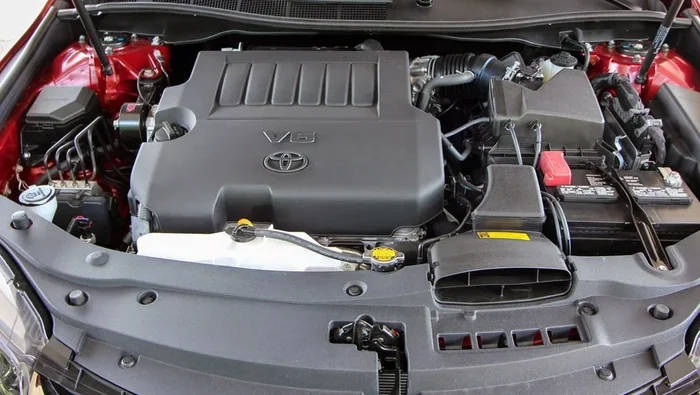
Does a 2001 Toyota Camry Have a Timing Belt or Chain
The 2001 Toyota Camry uses a timing belt, not a timing chain, in its 1MZ-FE V6 engine. Understanding whether your Camry has a belt or chain matters for maintenance, cost, and engine longevity. This guide covers everything you need to know about the 2001 Toyota Camry timing system, including replacement intervals, warning signs, and expert tips.
Key Takeaways
- The 2001 Camry uses a timing belt: The 1MZ-FE engine in this model relies on a belt, not a chain.
- Replacement is essential: A broken timing belt can cause catastrophic engine damage in an interference engine.
- Follow the maintenance schedule: Toyota recommends replacing the timing belt around 60,000 to 90,000 miles.
- Watch for warning signs: Ticking noises, misfires, and difficulty starting are red flags.
- Cost varies: Expect to pay between $300 and $700 for a full timing belt replacement.
- Change the water pump too: Since the water pump is often driven by the timing belt, replacing both at once saves money.
📑 Table of Contents
- The Short Answer: Does a 2001 Toyota Camry Have a Timing Belt or Chain
- Understanding the 2001 Toyota Camry Engine
- Timing Belt vs Timing Chain: What Is the Difference
- Signs Your 2001 Camry Timing Belt Needs Attention
- Replacement Cost and Maintenance Schedule
- Common Mistakes and Expert Tips
- How the Timing System Works in the 2001 Camry
- What Happens If the Timing Belt Breaks
- Conclusion
The Short Answer: Does a 2001 Toyota Camry Have a Timing Belt or Chain
The 2001 Toyota Camry equipped with the 1MZ-FE V6 engine uses a timing belt. This is an important detail for any Camry owner or anyone considering buying one. Unlike some newer Toyota models that switched to timing chains, the 2001 Camry relies on a belt-driven system to keep your engine running smoothly.
Knowing whether your vehicle has a belt or a chain affects your maintenance routine, your budget, and even your engine’s lifespan. A timing belt is a rubber component with teeth that synchronizes the crankshaft and camshaft. A timing chain is a metal loop that does the same job but tends to last longer. The 2001 Camry falls into the belt category, which means it needs regular attention.
In this article, we will walk you through everything you need to know. We will cover how the timing system works, what happens when it fails, replacement costs, and how to spot trouble before it becomes a major problem. Whether you are a DIY mechanic or just want to stay informed, this guide has you covered.
Understanding the 2001 Toyota Camry Engine
The 2001 Toyota Camry came with two engine options. The most common was the 1MZ-FE 3.0-liter V6. This engine is well-known for its reliability and smooth power delivery. But it also has a specific maintenance need: the timing belt.
The 1MZ-FE engine is what engineers call an interference engine. This means the pistons and valves share the same space in the cylinder at different times. The timing belt keeps everything in sync. If the belt breaks, the pistons can collide with the valves. That leads to expensive damage.
Toyota designed the 1MZ-FE with a timing belt rather than a chain. Some people prefer chains because they last longer. But Toyota’s belt design has proven reliable for decades when maintained properly. The key is staying on top of replacement intervals.
Why the 1MZ-FE Engine Matters
The 1MZ-FE engine powered the Camry from 1993 to 2004. It earned a reputation for durability. But that durability depends on regular maintenance. The timing belt is one component that cannot be ignored. Unlike a serpentine belt that you can see and inspect easily, the timing belt sits hidden inside the engine cover.
Many Camry owners forget about the timing belt until it is too late. This is a common mistake. The belt does not give you much warning before it fails. That is why following the maintenance schedule is so critical.
Timing Belt vs Timing Chain: What Is the Difference
It helps to understand the difference between a timing belt and a timing chain. Both components do the same job. They keep the crankshaft and camshaft rotating in perfect sync. But they are made of different materials and have different lifespans.
A timing belt is made of reinforced rubber with teeth on the inside. It runs quietly and is cheaper to replace. A timing chain is made of metal links. It is louder but tends to last much longer. Some engines use chains, and others use belts. The 2001 Camry uses a belt.
You might wonder if a timing chain would have been better for the Camry. Some people think chains are superior because they last longer. And that is true in many cases. But Toyota chose a belt for the 1MZ-FE engine. The belt operates more quietly and costs less to replace. As long as you change it on schedule, it works great.
If you are curious about how long a chain can last, you might find it interesting that a timing chain can last 300,000 miles or more when properly maintained. But that does not apply to the 2001 Camry, which uses a belt instead.
Signs Your 2001 Camry Timing Belt Needs Attention
A timing belt does not just snap one day without any warning. There are usually signs that it is wearing out. Catching these signs early can save you from a broken engine.
Here are the most common symptoms of a failing timing belt in a 2001 Camry:
- Ticking or clicking noise from the engine: This is often the first sign. The noise comes from the belt tensioner or the belt itself skipping teeth.
- Engine misfires: If the belt is slipping, the camshaft timing gets off. This causes the engine to run rough or misfire.
- Difficulty starting the engine: A worn belt may not turn the camshaft fast enough. This can make your Camry hard to start.
- Oil leaks near the engine: The timing belt cover has a seal that can wear out. Oil leaking from this area is a red flag.
- Check engine light: A slipping belt can trigger the check engine light. The engine control module detects timing irregularities.
If you notice any of these symptoms, get your Camry to a mechanic right away. Driving with a worn timing belt is risky. The last thing you want is for the belt to break while you are driving.
Can a Failing Timing Belt Cause Overheating
Yes, it can. Many people ask, can a car overheat in the winter, and the answer is yes. A broken timing belt can stop the water pump from working. The water pump on the 1MZ-FE engine is driven by the timing belt. Without it, the engine has no coolant circulation. This can cause overheating even on a cold day.
This is one reason why replacing the water pump at the same time as the timing belt makes so much sense. You are already paying for labor. Adding the water pump during the same service saves you money and prevents future problems.
Replacement Cost and Maintenance Schedule
So how much does it cost to replace the timing belt on a 2001 Toyota Camry? The answer depends on a few factors. The most important ones are labor rates in your area and whether you replace just the belt or also the water pump and tensioner.
On average, you can expect to pay between $300 and $700 for a full timing belt replacement. Here is a rough breakdown:
- Timing belt only: $200 to $400
- Timing belt plus water pump: $350 to $600
- Timing belt plus water pump and tensioner: $400 to $700
Toyota recommends replacing the timing belt every 60,000 miles or 72 months, whichever comes first. Some mechanics suggest replacing it closer to 90,000 miles if the belt shows no signs of wear. But sticking with the factory recommendation is the safest approach.
Do mechanics do a lot of math when figuring out your replacement interval? They sure do. They look at your mileage, your driving conditions, and the manufacturer’s guidelines. If you drive in stop-and-go traffic or extreme temperatures, the belt may wear faster.
Tips to Save Money on Replacement
Replacing a timing belt is not cheap. But there are ways to manage the cost:
- Replace the water pump at the same time: The labor is already paid for. Adding the water pump costs extra parts but saves on labor later.
- Get multiple quotes: Shop around. Independent shops often charge less than dealerships.
- Ask about the tensioner and idler pulleys: These are cheap parts that should be replaced with the belt. They are not expensive and prevent future problems.
- Consider the belt kit: Many shops sell a complete timing belt kit that includes the belt, tensioner, idler pulleys, and seals. It is often cheaper than buying each part separately.
Common Mistakes and Expert Tips
Timing belt maintenance is not complicated, but people do make mistakes. Here are some common ones to avoid:
Mistake 1: Ignoring the maintenance schedule. Many owners skip the timing belt replacement because they do not see any visible problems. The belt is hidden inside the engine. By the time you notice symptoms, it may already be too late.
Mistake 2: Not replacing the water pump. As we mentioned, the water pump is driven by the timing belt on the 1MZ-FE engine. Replacing both at once is the smart move.
Mistake 3: Using a non-OEM belt. Aftermarket belts can save money, but they may not last as long. Stick with OEM or high-quality aftermarket parts for peace of mind.
Expert Tip: When your timing belt is replaced, also inspect the camshaft position sensor and crankshaft position sensor. These sensors work closely with the timing system and can cause similar symptoms if they fail.
Expert Tip: Keep a record of your timing belt replacement. This helps you track when the next replacement is due. It also adds value if you ever decide to sell your Camry.
How the Timing System Works in the 2001 Camry
The timing system in the 1MZ-FE engine is straightforward. The crankshaft turns the timing belt at the bottom of the engine. The belt then drives the camshafts at the top. This ensures that the intake and exhaust valves open and close at exactly the right time.
The system includes several key components:
- Timing belt: The rubber belt with teeth that connects the crankshaft to the camshafts.
- Timing belt tensioner: Keeps the belt tight so it does not slip.
- Idler pulleys: Guide the belt through the engine.
- Water pump: Driven by the belt, it circulates coolant through the engine.
- Camshaft and crankshaft sensors: Monitor the position of each shaft for the engine control module.
All of these components work together. If one fails, the whole system suffers. That is why a full inspection during replacement is so important.
The 2001 Toyota Camry timing system is designed to be reliable. But like any rubber component, the belt degrades over time. Heat, oil exposure, and mileage all take a toll. Staying ahead of the replacement schedule is the best thing you can do for your engine.
What Happens If the Timing Belt Breaks
If the timing belt breaks while the engine is running, the results can be devastating. Since the 1MZ-FE is an interference engine, the pistons and valves will collide. Bent valves, damaged pistons, and potentially a cracked engine block can result.
A broken timing belt is a serious repair. In many cases, the engine needs to be rebuilt or replaced. The cost can easily exceed $3,000 to $5,000. Compare that to the $300 to $700 for a preventive belt replacement. The math is clear.
This is why no Camry owner should ignore the timing belt. It is one of the most important maintenance items on your vehicle. Staying on top of it protects your engine and your wallet.
Regular maintenance also helps you avoid situations where your car might not start or where you might be stranded. Taking care of the timing belt is one of those things that seems small but makes a huge difference in the long run.
Conclusion
The 2001 Toyota Camry has a timing belt, not a timing chain. The 1MZ-FE V6 engine relies on this belt to keep everything in sync. Replacing it on schedule is one of the most important things you can do for your Camry.
Watch for warning signs like ticking noises, misfires, and difficulty starting. Budget for replacement every 60,000 miles. And always replace the water pump at the same time to save money in the long run.
Whether you are a hands-on DIYer or you trust a professional, understanding your Camry’s timing system gives you confidence. You will know exactly what your car needs and when it needs it. A well-maintained 2001 Camry can easily reach 200,000 miles or more with proper care. The timing belt is a small part of that equation, but it is a critical one.
Frequently Asked Questions
What engine does the 2001 Toyota Camry use?
The most common engine in the 2001 Toyota Camry is the 1MZ-FE 3.0-liter V6. Some models also came with a 2.2-liter 5S-FE four-cylinder. The 1MZ-FE uses a timing belt to synchronize the crankshaft and camshafts.
How often should I replace the timing belt on a 2001 Camry?
Toyota recommends replacing the timing belt every 60,000 miles or 72 months, whichever comes first. Sticking to this schedule helps prevent unexpected belt failure and costly engine damage.
Can I drive my 2001 Camry if I suspect the timing belt is worn?
It is not recommended. A worn timing belt can break at any time, causing catastrophic engine damage in an interference engine. If you suspect the belt is worn, have it inspected immediately.
Is it worth replacing the water pump with the timing belt?
Yes, absolutely. The water pump on the 1MZ-FE engine is driven by the timing belt. Replacing both at the same time saves you labor costs and prevents the water pump from failing later.
How can I tell if my Camry has a timing belt or chain?
The 2001 Toyota Camry with the 1MZ-FE V6 engine has a timing belt. You can confirm this by checking your owner’s manual or looking under the timing cover. The belt will be a rubber component with teeth, unlike a metal chain.
What is the average cost of a timing belt replacement for a 2001 Camry?
The average cost ranges from $300 to $700 depending on your location and what additional components are replaced. Getting quotes from multiple shops can help you find the best price.