Car Gel Number Plates Everything You Need to Know About
Car gel number plates are a stylish upgrade for any vehicle, offering a sleek, 3D raised finish that standard plates simply cannot match. These plates use a special resin gel layer to create a durable, glossy, and eye-catching look that turns heads on the road. In this guide, you will learn how they are made, why they are so popular, how to install them, and whether they are legal in your area. Whether you are a car enthusiast or just looking to personalise your ride, this guide covers everything you need to know about car gel number plates.
If you have ever walked past a car with plates that seem to glow or pop off the surface, you have probably noticed car gel number plates. These plates have taken the automotive world by storm, and for good reason. They look incredible, they feel premium to the touch, and they give any vehicle a custom look that standard plates just cannot match.
But what exactly are gel number plates? How do they work? And more importantly, are they right for your car? Whether you are a car enthusiast who loves styling your ride or someone who simply wants to add a personal touch to your vehicle, this guide has you covered. We will walk you through everything from how they are made to how to care for them properly.
Car gel number plates are not just a trend. They represent a real shift in how people think about vehicle identification and car personalisation. With so many options available today, there has never been a better time to explore this exciting accessory. Let us dive in.
Key Takeaways
- Unique 3D Finish: Car gel number plates feature a raised resin layer that gives them a premium, glossy look unlike any standard plate.
- Easy Installation: Most gel number plates come with adhesive backing, making DIY installation simple and quick.
- Durable and Weather-Resistant: The gel coating protects plates from UV rays, rain, dirt, and minor scratches.
- Legal Considerations Matter: Always check local regulations before installing custom gel plates to avoid fines or penalties.
- Wide Range of Designs: From carbon fibre textures to chrome effects, car gel number plates offer endless customisation options.
- Simple Maintenance: Regular cleaning with mild soap and water keeps gel plates looking brand new for years.
- Great for Gifts and Personalisation: Gel plates make excellent gifts and are a popular choice for car shows and events.
📑 Table of Contents
- What Are Car Gel Number Plates?
- Why Are Car Gel Number Plates So Popular?
- How Are Car Gel Number Plates Made?
- Benefits of Car Gel Number Plates
- How to Install Car Gel Number Plates
- Are Car Gel Number Plates Legal?
- How to Care for Your Car Gel Number Plates
- Where to Buy Car Gel Number Plates
- Final Thoughts
What Are Car Gel Number Plates?
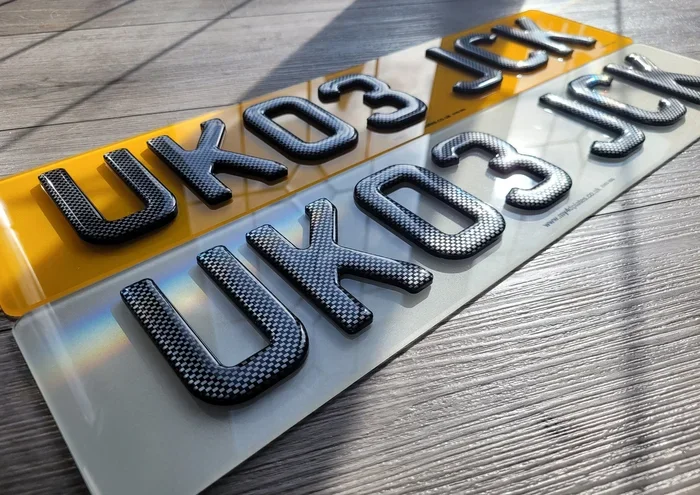
Car gel number plates are vehicle registration plates that feature a layer of clear gel resin applied over the printed surface. This gel layer creates a raised, three-dimensional effect that gives the plates a distinctive look and feel. Unlike traditional flat plates, gel plates have a shiny, almost glass-like finish that catches the light beautifully.
The gel layer is typically made from acrylic resin or polyurethane. It is applied over the printed number and letter design, then cured to create a hard, durable surface. The result is a plate that looks high-end and feels smooth to the touch.
How Do Gel Number Plates Differ from Standard Plates?
Standard vehicle registration plates are flat and printed directly onto metal or acrylic. They use reflective sheeting to make the characters visible at night. While these plates serve their purpose, they lack any visual depth or texture.
Gel number plates, on the other hand, add a physical layer on top of the printed design. This creates a 3D effect that makes the characters appear to float above the plate surface. The finish is also much glossier and more vibrant than standard plates.
Here is a quick comparison:
| Feature | Standard Plates | Car Gel Number Plates |
|---|---|---|
| Surface Finish | Flat and matte or semi-gloss | Raised, glossy, 3D effect |
| Durability | Moderate | High, gel layer protects against scratches |
| Visual Impact | Standard reflective look | Premium, eye-catching shine |
| Customisation Options | Limited | Wide range of gel colours and textures |
| Price | Budget-friendly | Mid to premium range |
| Weight | Light | Slightly heavier due to gel layer |
Why Are Car Gel Number Plates So Popular?
The rise in popularity of car gel number plates is no accident. Several factors have driven this trend in the automotive accessories market.
1. The Rise of Car Personalisation
Car owners today want their vehicles to stand out. From custom wraps to upgraded interiors, personalisation is a huge trend. Gel number plates offer an easy and affordable way to transform the look of a car without major modifications. A set of custom gel plates can completely change the appearance of a vehicle’s front and rear.
2. Social Media and Car Culture
Platforms like Instagram, TikTok, and YouTube have fueled interest in car styling. When people see stunning vehicles with custom car plates featuring gel finishes, they want the same look. This social media exposure has made gel plates a must-have accessory for many car owners.
3. Affordable Luxury
You do not need to spend thousands on a body kit or custom paint job to make your car look premium. A set of car gel number plates can give your vehicle a luxury feel at a fraction of the cost. This affordability has made them accessible to a wide range of car owners.
4. Gift Potential
Gel plates also make excellent gifts. Whether it is for a birthday, anniversary, or car enthusiast in your life, a set of custom gel number plates is a unique and thoughtful present. Many retailers offer personalised options where you can choose the text and design.
How Are Car Gel Number Plates Made?
Understanding how car gel number plates are made helps you appreciate the craftsmanship behind them. The process is surprisingly straightforward but requires precision and quality materials.
Step 1: Designing the Plate
The process starts with the design. The numbers and letters are created digitally using specialised software. The design must meet all regulatory requirements for character spacing, font, and size. Once the design is approved, it is printed onto a high-quality vinyl or acrylic sheet using UV-resistant inks.
Step 2: Applying the Gel Layer
Next, the clear gel resin is carefully applied over the printed surface. This is done using a dispensing tool that ensures an even layer across the entire plate. The thickness of the gel can vary, but most gel number plates have a layer between 1mm and 3mm thick. This creates the signature raised 3D effect.
Step 3: Curing the Gel
After the gel is applied, the plates go through a curing process. This can involve UV light exposure or air drying, depending on the type of resin used. Curing hardens the gel and ensures it bonds securely to the plate surface. Once cured, the gel layer is rock hard and highly durable.
Step 4: Quality Control and Finishing
Each plate is inspected for bubbles, uneven surfaces, or defects. The edges are trimmed cleanly, and any necessary mounting holes are drilled. The finished gel plate design is then packaged and shipped to the customer or retailer.
Quick Tips for Choosing Quality Gel Plates
- Look for plates made with UV-resistant gel to prevent yellowing over time.
- Choose plates with a uniform gel thickness for a smooth, even finish.
- Check that the gel layer is fully cured before purchasing to avoid soft spots.
- Opt for reputable sellers who use high-quality printing inks for long-lasting colour.
Benefits of Car Gel Number Plates
There are many reasons to consider car gel number plates for your vehicle. Let us look at the key benefits in detail.
Enhanced Visual Appeal
The most obvious benefit is the stunning visual impact. The 3D raised gel finish makes your plates look premium and distinctive. Whether your car is a daily driver or a show piece, gel plates add a level of sophistication that turns heads.
Improved Durability
The gel layer acts as a protective shield for the printed design underneath. It guards against scratches, UV damage, rain, dirt, and general wear and tear. This means your gel number plates will look great for years, not just weeks.
Easy to Clean
Thanks to the smooth, glossy gel surface, dirt and grime do not stick easily. A quick wipe with a soft cloth and mild soap is usually all it takes to keep your plates looking pristine. The non-porous surface of the gel also prevents stains from setting in.
Versatile Customisation
With car gel number plates, you are not limited to a standard clear finish. Many suppliers offer gel layers in different colours, including tinted, smoked, chrome, and even glitter options. You can also choose from various plate backgrounds, such as carbon fibre, brushed metal, or matte black.
Quick and Simple Installation
Most gel plates come with a strong adhesive backing. This means you can install them yourself in minutes. No special tools or mechanical skills are needed. Simply clean the mounting area, peel off the backing, and press the plates into place.
Common Mistakes to Avoid
- Skipping surface preparation: Always clean the mounting surface thoroughly before applying gel plates. Dirt or grease can prevent the adhesive from bonding properly.
- Applying plates in direct sunlight: Heat can soften the adhesive and cause the plates to shift. Install them in a shaded or cool area.
- Using harsh cleaners: Avoid abrasive chemicals or rough cloths when cleaning your gel plates. These can scratch the gel surface and dull the finish.
- Ignoring local regulations: Not all gel plates meet legal requirements. Always verify that your plates comply with local laws before driving.
How to Install Car Gel Number Plates
Installing car gel number plates is one of the easiest car upgrades you can do. Most kits come with everything you need, including the plates, adhesive pads, and simple instructions. Here is a step-by-step guide to help you get it right.
What You Will Need
- Your new gel number plates
- Isopropyl alcohol or plate-safe cleaner
- Microfibre cloth
- Rubbing alcohol wipes (usually included in the kit)
- A flat, dry surface for working
Step-by-Step Installation Process
- Clean the mounting surface. Use the isopropyl alcohol and microfibre cloth to thoroughly clean the area where the plates will be attached. Remove any dirt, grease, or old adhesive residue.
- Peel the adhesive backing. Carefully remove the protective film from the adhesive side of the plate. Do this slowly to avoid stretching or misaligning the plate.
- Align the plate. Hold the plate against the vehicle in the correct position. Use a ruler or measuring tape to ensure it is centred and level.
- Press firmly. Once aligned, press the plate firmly onto the surface. Apply even pressure across the entire plate to ensure a strong bond.
- Check the alignment. Step back and check that the plate is straight and properly positioned. Make any adjustments within the first few minutes while the adhesive is still tacky.
- Let it set. Allow the adhesive to cure for at least 24 hours before driving. Avoid washing the car or exposing the plates to heavy rain during this time.
Expert Insight: Getting the Perfect Fit
Professional installers recommend using a level or measuring tape during installation. Even a slight misalignment can make the plates look off. Take your time with this step, and do not rush the process. A little patience goes a long way with gel plate installation.
Are Car Gel Number Plates Legal?
This is one of the most important questions anyone considering car gel number plates should ask. The legality of gel plates depends on where you live and the specific regulations in your area.
UK Regulations
In the United Kingdom, vehicle registration plates must comply with strict standards set by the Driver and Vehicle Licensing Agency (DVLA). The key requirements include:
- Plates must use the approved British Standard font (BS AU 145e).
- Characters must be a specific size, spacing, and colour.
- The plate surface must be reflective.
- The gel layer must not obscure or alter the characters in a way that makes them unreadable.
As long as your car gel number plates meet these requirements, they are generally legal. Many reputable suppliers ensure their plates comply with DVLA standards. However, always double-check before purchasing.
Other Countries
Regulations vary significantly from country to country. In some places, any modification to standard plates is strictly prohibited. In others, there is more flexibility. If you are unsure, check with your local vehicle registration authority or consult a trusted automotive specialist.
Common Legal Mistakes
- Using plates that are too reflective or too dark: This can make characters unreadable in certain lighting conditions and may result in fines.
- Altering the font or spacing: Customising the character style beyond what is legally permitted is a common mistake that can lead to penalties.
- Ignoring the reflective requirement: Some gel plates may reduce the reflectivity of the plate surface. Make sure your plates meet the required standard.
How to Care for Your Car Gel Number Plates
Taking care of your car gel number plates is simple and helps them look fantastic for years. The good news is that gel plates require very little maintenance compared to other car accessories.
Daily Care
Wipe your plates with a soft microfibre cloth during regular car washes. This removes dust, bugs, and road grime that can build up over time. Use lukewarm water and a mild car soap. Avoid high-pressure washers directed directly at the plates, as the force can sometimes push water under the edges of the gel layer.
Dealing with Stubborn Dirt
If your plates have stubborn stains or tar spots, apply a small amount of plate-safe cleaner to a soft cloth and gently rub the affected area. Do not use abrasive sponges, steel wool, or harsh chemical cleaners. These can scratch or damage the gel surface.
Protecting the Gel Finish
While the gel layer is naturally resistant to UV damage, applying a thin coat of plate-safe sealant can add extra protection. This is especially useful if you live in a sunny or coastal area where salt air and intense sunlight can accelerate wear.
Quick Care Tips
- Clean your gel plates at least once a month to maintain their shine.
- Avoid automatic car washes with rotating brushes, as these can scratch the gel surface.
- Inspect the edges of your plates regularly for any lifting or peeling.
- Store a small bottle of plate-safe cleaner in your car for quick touch-ups.
Where to Buy Car Gel Number Plates
There are many places to buy car gel number plates today. From online retailers to specialist automotive shops, options are plentiful. Here are some tips to help you find the right supplier.
- Online marketplaces: Websites like Amazon, eBay, and specialist plate retailers offer a wide range of gel number plate kits at competitive prices.
- Specialist plate shops: Local number plate providers often carry gel plate options and can advise on legal compliance.
- Custom plate manufacturers: For the most unique designs, look for manufacturers that offer fully custom gel plate design options.
When shopping, always check reviews, confirm legal compliance, and ask about warranty or return policies. A reputable supplier will be transparent about the materials used and the durability of their product.
Final Thoughts
Car gel number plates are a fantastic way to elevate the look of your vehicle. They offer a premium 3D finish, excellent durability, and easy installation that makes them accessible to almost any car owner. Whether you want to personalise your daily driver, prepare a car for a show, or give a unique gift, gel plates deliver outstanding results.
The key is to choose quality plates from a trusted supplier, ensure they meet legal requirements, and take simple steps to care for them over time. With the right car gel number plates, your vehicle will look sharper and more distinctive than ever before.
So why wait? Explore the world of gel number plates today and give your car the upgrade it deserves. A small change like this can make a big difference in how your vehicle looks and feels every time you get behind the wheel.
Frequently Asked Questions
Are car gel number plates legal?
In most regions, including the UK, car gel number plates are legal as long as they meet the required standards for character font, size, spacing, and reflectivity. Always verify that your plates comply with local regulations before driving.
How long do gel number plates last?
With proper care, high-quality car gel number plates can last anywhere from five to ten years. The gel layer is highly durable and resistant to UV damage, rain, and minor scratches. Regular cleaning helps extend their lifespan significantly.
Can I wash my car with gel number plates installed?
Yes, you can wash your car normally. However, it is best to avoid directing high-pressure washers directly at the plate edges, as this can push water underneath the adhesive. Gentle hand washing is the safest approach for maintaining gel plates.
Do gel number plates affect the reflectivity of the plate?
Most quality gel plates maintain the required reflectivity for legal compliance. However, some tinted or heavily textured gel finishes may reduce reflectivity. Always check that your plates meet the standards set by your local vehicle registration authority.
Can I install car gel number plates myself?
Absolutely. Most gel number plates come with adhesive backing and simple installation instructions. The process is straightforward and requires no special tools. Just make sure to clean the mounting surface thoroughly and press the plates firmly into place.
What is the cost of car gel number plates?
The price of car gel number plates varies depending on the design, material quality, and supplier. On average, a set of gel plates costs between £30 and £100. Custom designs and premium finishes may cost more, but they are still an affordable way to upgrade your vehicle’s appearance.