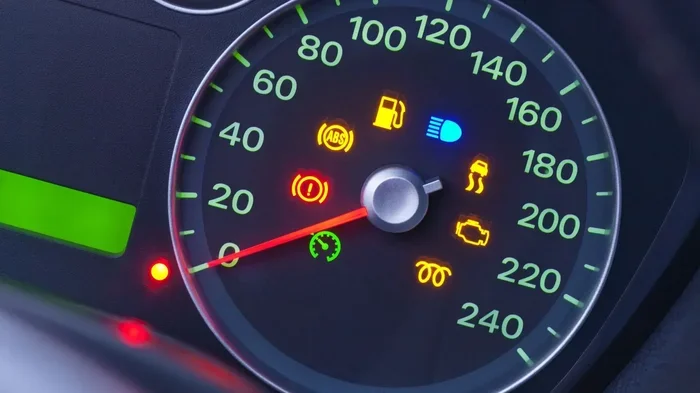
Can I Still Drive My Car With the TRAC Off Light On
The TRAC off light means your traction control system is deactivated. You can drive short distances carefully, but ignoring it reduces safety on wet roads. This article explains what the TRAC off light means, common causes, and how to fix the issue.
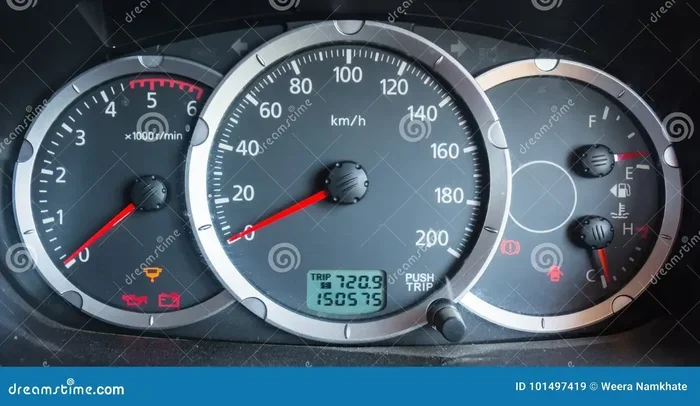
You’re cruising down the road when a yellow warning light pops up on your dashboard. It says TRAC OFF. Your heart sinks a little. Can I still drive my car with the TRAC off light on? The short answer is yes, but with caution. The TRAC off light tells you that your traction control system is turned off or has a fault. This system helps prevent wheel spin when you accelerate. Without it, your tires can slip more easily, especially on wet or icy pavement.
Many drivers see this light and panic. They wonder if the car is about to break down. The truth is, your engine and transmission will still work normally. You can keep driving to the nearest safe spot. However, you should treat this warning seriously. The TRAC off light often points to a deeper issue in the braking or stability system. Ignoring it can put you at risk. In this guide, we’ll explain exactly what the light means, when it’s safe to drive, and how to fix the problem.
Key Takeaways
- TRAC off light means traction control is disabled: Your car can still move, but you lose anti-slip protection.
- Short, careful driving is usually okay: Avoid wet or icy roads until the issue is fixed.
- Common causes include faulty wheel speed sensors: These sensors monitor wheel rotation and trigger the light when they fail.
- ABS problems often accompany the TRAC off light: Both systems share components, so a brake issue can cause both warnings.
- You can diagnose the problem with an OBD-II scanner: Read the trouble codes to pinpoint the exact cause.
- Ignoring the light risks loss of control: Especially on slippery surfaces, the absence of traction control can lead to accidents.
- Regular maintenance prevents the light: Clean sensors and check brake fluid during routine service.
📑 Table of Contents
What Does the TRAC Off Light Mean?
The TRAC off light is part of your car’s stability and traction control system. TRAC stands for Traction Control. It’s a feature that monitors wheel speed using sensors. When a wheel starts to spin faster than the others, the system reduces engine power or applies the brakes. This keeps the car stable during acceleration. The light comes on when the system is manually turned off or when a sensor detects a problem.
On many Toyota and Lexus vehicles, the TRAC off button lets you disable the system. You might do this when stuck in snow or mud. But if the light stays on without you pressing the button, something is wrong. The TRAC off light often appears alongside the VSC off light or the ABS light. These systems work together to keep you safe.
How the TRAC System Works
Your car uses a network of sensors to track wheel speed, steering angle, and yaw rate. The traction control module reads this data in real time. If it senses a loss of grip, it intervenes instantly. This happens faster than a human reaction. The system can cut throttle or pulse the brakes on a slipping wheel. This is why the TRAC off light matters so much. When it’s on, that protective layer is gone.
Modern stability control systems also use the same sensors. They help prevent skidding during sharp turns. So a TRAC off light can affect both straight-line traction and cornering stability. The light is a clear signal that your vehicle’s electronic safety net has a gap.
TRAC Off vs. VSC Off vs. ABS Light
It’s easy to confuse these warnings. TRAC off means traction control is disabled. VSC off means Vehicle Stability Control is off. ABS off means the Anti-lock Braking System has a fault. Often, a single problem like a bad wheel speed sensor can trigger all three lights at once. Understanding this helps you diagnose the issue faster.
Quick Tip: If the TRAC off light and ABS light come on together, check your brake fluid level first. Low fluid can disable both systems. This is a simple fix that many drivers overlook.
Common Mistake: Many people assume the TRAC off light is just a cosmetic dashboard glitch. They ignore it for weeks. This can lead to unsafe driving conditions, especially during rain or winter weather.
Can You Still Drive Your Car With the TRAC Off Light On?
Yes, you can drive a short distance with the TRAC off light on. Your car’s engine, transmission, and regular brakes will still function. You can steer and stop normally. However, you lose the extra safety net that traction control provides. This means wheel spin is more likely when you hit the gas. On a dry highway, this might not cause immediate trouble. On a wet on-ramp or a gravel road, it can be dangerous.
Think of the TRAC off light as a yellow alert, not a red emergency. It’s like driving with the check engine light on. The car still runs, but you should get it checked soon. If the light is steady, you can usually drive to a repair shop. If the light flashes or you notice a loss of power, pull over safely and turn off the engine.
Short-Term Driving: Is It Safe?
Driving a few miles to get off a busy road or to reach a mechanic is generally safe. You just need to adjust your driving style. Avoid sudden acceleration. Ease onto the gas pedal gently. This reduces the chance of wheel spin. Also, increase your following distance. Without traction control, your car may take longer to stop on slippery surfaces. The ABS system may also be affected if the root cause is shared.
Expert Insight: “A steady TRAC off light usually points to a sensor issue, not a catastrophic failure. Drivers can reach a service center safely if they drive smoothly and avoid harsh conditions,” says a certified automotive technician.
When You Should Stop Immediately
There are times when you should not keep driving. If the TRAC off light comes with the red brake warning light, stop and check your brake fluid. If you hear grinding or feel a spongy pedal, the braking system may be compromised. Also, if the car enters limp mode and limits your speed, find a safe place to park. Continuing to drive in limp mode can damage the transmission.
Another red flag is a burning smell or visible smoke. These signs indicate a serious electrical or mechanical problem. Turn off the engine and call for roadside assistance. The TRAC off light alone is rarely an emergency, but combined with other warnings, it demands immediate attention.
Common Causes of the TRAC Off Light
Understanding why the TRAC off light appears helps you take the right action. The causes range from simple button presses to serious sensor failures. Below are the most common reasons. Each one can trigger the light and disable your traction control system.
| Cause | Severity | Driving Impact | Fix |
|---|---|---|---|
| Manual TRAC button pressed | Low | No stability aid; drive carefully | Press TRAC button to reactivate |
| Faulty wheel speed sensor | Medium | Traction control and ABS may fail | Replace or clean sensor |
| ABS module malfunction | High | Loss of anti-lock braking and traction control | Professional diagnosis and repair |
| Low brake fluid | Medium | Braking performance reduced; TRAC off | Top off fluid and check for leaks |
| Steering angle sensor misalignment | Medium | Stability control receives wrong data | Recalibrate sensor with scan tool |
| Wiring or connector damage | Medium to High | Intermittent or permanent light | Repair wiring harness or connector |
| Yaw rate sensor failure | High | Stability control completely disabled | Replace sensor; professional install |
Faulty Wheel Speed Sensors
This is the number one cause of the TRAC off light. Each wheel has a speed sensor that reads its rotation rate. The sensors send data to the traction control and ABS modules. When a sensor gets dirty, damaged, or fails, it sends incorrect signals. The system then disables TRAC to prevent errors. You might notice the light flickering on bumpy roads before it stays on.
Wheel speed sensors are relatively inexpensive to replace. However, diagnosing which one is bad requires an OBD-II scanner. The scanner will show a specific trouble code, such as C0035 for a left front wheel speed sensor issue. Clearing the code and test-driving the car can confirm the fix.
ABS System Malfunction
The Anti-lock Braking System shares many components with traction control. If the ABS module detects a fault, it often triggers the TRAC off light too. A failing ABS pump, a worn hydraulic unit, or a damaged ABS ring can cause this. You might feel a slight vibration in the brake pedal when the ABS activates normally. If the ABS light also comes on, the problem is likely in the shared braking system.
Common Mistake: Many drivers assume the TRAC off light means the brakes are fine because the regular brakes still work. In reality, the ABS function may be compromised. This means your wheels can lock up during hard braking, especially on wet roads. Always treat the TRAC off light as a potential brake system warning.
Steering Angle Sensor Issues
The steering angle sensor tells the car how much you are turning the wheel. The stability control system uses this data to compare your intended direction with the car’s actual movement. If the sensor is out of alignment or fails, the TRAC off light can appear. This often happens after a steering column repair or a wheel alignment. A simple recalibration with a diagnostic tool usually fixes it.
Low Brake Fluid or Brake Switch Problems
Brake fluid plays a big role in the stability control system. The system uses hydraulic pressure to apply individual brakes. Low fluid means the system can’t build enough pressure. The TRAC off light will turn on as a safety measure. Check your brake fluid reservoir under the hood. If it’s low, top it up and look for leaks around the wheels or brake lines.
The brake light switch, which turns on your brake lights, also feeds data to the traction control module. A faulty switch can cause the TRAC off light to illuminate. This is a small part, but it’s easy to replace and often overlooked.
How to Diagnose and Fix the TRAC Off Light
Fixing the TRAC off light starts with finding the root cause. You don’t need to be a mechanic, but you do need the right tools and a bit of patience. Here’s a step-by-step approach that works for most vehicles.
Using an OBD-II Scanner
An OBD-II scanner is the best friend of any car owner. Plug it into the diagnostic port under your steering column. Turn the ignition to the ON position. The scanner will read the stored trouble codes. A code starting with C usually refers to the chassis or braking system. For example, C1215 often points to an ABS wheel speed sensor circuit issue.
Write down all the codes. You can look them up online or ask a parts store to read them for free. The code tells you exactly which sensor or system is failing. This saves time and money at the repair shop. Once you know the code, you can decide if it’s a DIY fix or a job for a professional.
DIY Checks You Can Do
Before you buy parts, do a few simple checks. Start with the TRAC off button. Some cars have a dedicated button on the console or steering wheel. Press it once to see if the light turns off. If it does, the system was manually disabled. If the light stays on, move to the next step.
Check your brake fluid level. The reservoir is usually near the back of the engine bay. The fluid should be between the MIN and MAX marks. If it’s low, add the correct DOT fluid for your car. Then inspect the area around the wheels for wet spots or fluid drips. Brake fluid leaks are serious and need immediate attention.
Next, inspect the wheel speed sensors. These are located near the brake rotors or inside the wheel hub. Look for metal debris, dirt, or damaged wiring. Clean the sensor tip with a soft cloth. Sometimes, a simple cleaning restores the signal and turns off the TRAC off light. If the sensor is cracked or the wiring is frayed, replacement is the safest choice.
Quick Tip: When cleaning wheel speed sensors, use a gentle brake cleaner spray. Avoid high-pressure washers that can push dirt into the sensor tip. Keeping the sensors clean during every tire rotation helps prevent the TRAC off light from returning.
When to Visit a Mechanic
If the OBD-II scanner shows a code related to the ABS module or yaw rate sensor, it’s time for professional help. These components require specialized tools for diagnosis and replacement. A mechanic can also check the wiring harness for corrosion, especially in older cars. Trying to repair an ABS module yourself can be dangerous and may void your warranty.
Expert Insight: “I see the TRAC off light daily in the shop. About 70% of the time, it’s a dirty or failed wheel speed sensor. The remaining 30% involves ABS module issues or wiring problems. Always start with the simplest fix first,” shares a master technician with over 15 years of experience.
The Risks of Ignoring the TRAC Off Light
It’s tempting to ignore the TRAC off light if the car seems to drive fine. After all, the engine starts and the transmission shifts smoothly. But traction control is a critical safety feature. It works hand-in-hand with the anti-lock braking system and electronic stability control. When TRAC is off, you lose a layer of protection that can save your life in an emergency.
Reduced Traction on Wet Roads
Without traction control, your rear wheels can spin when you accelerate on a wet road. This is especially true for front-wheel-drive cars. The spinning wheels reduce your ability to steer. You might find the car sliding sideways during a turn. The TRAC off light means you won’t get the automatic power reduction that prevents this. You have to rely entirely on your driving skill to avoid wheel spin.
In rain or snow, this risk multiplies. Even a light drizzle can create a thin film of water on the pavement. Hydroplaning becomes more likely when the tires can’t maintain grip. The traction control system normally helps by modulating brake pressure to individual wheels. With it disabled, the car feels less stable and more unpredictable.
Potential Damage to Other Systems
Ignoring the TRAC off light can lead to secondary damage. If the cause is a failing wheel speed sensor, the ABS system will also be compromised. The ABS relies on the same sensor data to prevent wheel lock-up during hard braking. A sensor failure can cause the ABS to malfunction, increasing your stopping distance on wet roads.
Furthermore, the stability control module continuously monitors the entire system. When it detects a persistent fault, it may put the car into a protective limp mode. This can limit engine power and top speed. The longer you ignore the light, the more likely you are to face a costly repair that could have been a simple sensor replacement.
Preventing the TRAC Off Light from Coming Back
Once you’ve fixed the TRAC off light, you want to keep it off. Prevention is always easier than repair. Regular maintenance and smart driving habits go a long way in protecting your traction control system.
Regular Maintenance Tips
- Clean wheel speed sensors during tire rotations: Brake dust and road grime build up over time. A quick wipe with a cloth can keep the sensors reading accurately.
- Check brake fluid every 6 months: Low fluid is a common trigger. Top it off and inspect for leaks if it drops quickly.
- Inspect wiring harnesses near the wheels: These cables move with the suspension and can rub against sharp edges. Protect them with loom or tape.
- Keep ABS rings clean: The toothed ring near the wheel bearing can collect metal debris. A buildup can confuse the speed sensor.
- Follow the manufacturer’s service schedule: Regular diagnostics can catch a failing sensor before it triggers the TRAC off light.
Driving Habits That Help
Your driving style affects the longevity of the traction control system. Avoid harsh acceleration on loose surfaces. If you get stuck in snow, use a gentle rocking motion rather than spinning the wheels aggressively. Spinning wheels can damage the ABS ring and overheat the brakes. Also, drive smoothly over potholes and speed bumps. Sudden impacts can knock a wheel speed sensor out of alignment or damage its wiring.
Expert Insight: “I tell my customers to treat the TRAC off light like a check engine light. It’s a warning, not a death sentence. Address it early and you’ll save money and stay safe,” advises a longtime service advisor at a major dealership.
The TRAC off light is your car’s way of telling you something needs attention. By understanding what it means and acting quickly, you keep both your safety and your vehicle’s resale value intact. Never ignore a dashboard warning that affects your ability to control the car in tricky conditions.
In summary, you can drive with the TRAC off light on, but only if you exercise extreme care. The light signals that your traction control is inactive, which means you’re more vulnerable to wheel slip and loss of stability. Common causes like dirty wheel speed sensors or low brake fluid are often easy to fix. Use an OBD-II scanner to read the codes, perform basic checks, and visit a mechanic when needed. The key takeaway is simple: don’t delay. The TRAC off light might seem minor, but it protects you every time you step on the gas. Address it promptly, and you’ll enjoy safer, more confident driving in all conditions.
Frequently Asked Questions
Can I drive with the TRAC off light on in the rain?
It’s not recommended. Without traction control, your wheels are more likely to spin on wet roads. If you must drive, do so slowly and avoid sudden acceleration. The TRAC off light means you’ve lost a key safety feature that helps maintain grip in rainy conditions.
What does TRAC off mean on a Toyota?
On Toyota and Lexus models, TRAC stands for Traction Control. The TRAC off light indicates the system is either manually disabled or has a detected fault. It often works alongside the VSC (Vehicle Stability Control) system to keep the car stable.
How much does it cost to fix the TRAC off light?
The cost depends on the cause. Cleaning a dirty wheel speed sensor costs little to nothing if you do it yourself. Replacing a wheel speed sensor typically ranges from $100 to $300. ABS module repairs can be more expensive, often $400 to $1,000 or more, depending on the vehicle.
Will the TRAC off light affect my insurance?
The light itself doesn’t directly impact your insurance. However, if an accident occurs and the investigation shows you ignored a known safety system fault, it could affect a claim. Always address warning lights promptly to maintain safe driving conditions.
Can a dead battery cause the TRAC off light?
Yes, a weak or dead battery can cause electrical glitches that trigger the TRAC off light. When the battery voltage drops, sensors and modules can lose power temporarily. After a jump start or battery replacement, the light may stay on until you clear the codes with a scanner.
Is it safe to drive with TRAC off on the highway?
Driving on a dry highway with TRAC off is generally safe in the short term. However, you lose the system’s intervention during sudden acceleration or slippery patches. If the highway is wet or the light is accompanied by other warnings, it’s best to exit and seek service.