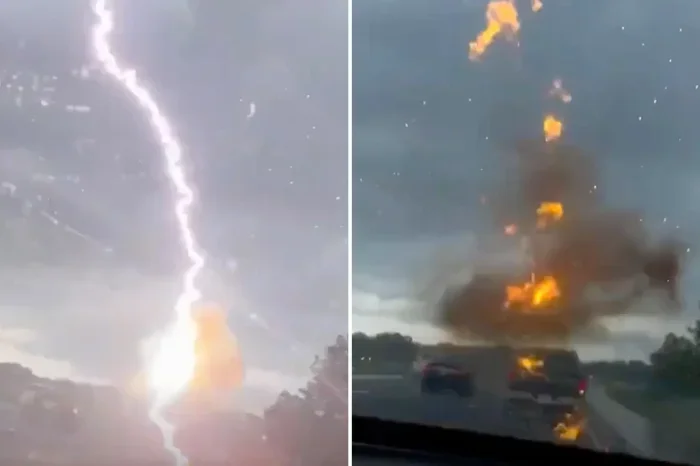
Can You Get Electrocuted in a Car Heres the Truth
Can You Get Electrocuted in a Car? The answer is yes, but the real risk is lower than most people think. Everyday driving is safe because your car’s electrical system is designed with multiple layers of protection. However, specific situations like downed power lines, flooded vehicles, and severe accidents can create genuine electrical hazards in vehicles. Understanding these risks helps you stay safe on the road.
Most people never think about electricity inside their car. You drive around every day. You touch the steering wheel. You plug in your phone charger. And yet, the idea of getting shocked or electrocuted inside a vehicle feels almost impossible. But can you get electrocuted in a car? The short answer is yes. The full story, however, is more nuanced than most people realize.
Understanding the risks of electrocution in a car matters for every driver and passenger. Whether you drive a traditional gasoline vehicle or a modern electric vehicle, electrical systems are at work inside your car. Most of the time, these systems are perfectly safe. But certain situations can create real danger. This guide breaks down everything you need to know about electrical safety in vehicles. We will cover common scenarios, popular myths, and practical tips that could genuinely save your life.
By the end of this article, you will have a clear picture of what can go wrong and how to protect yourself. You will learn about car battery safety, the risks associated with hybrid vehicle batteries, and what to do after an accident involving electricity. Let us dive into the truth about getting electrocuted in a car and separate fact from fiction.
Key Takeaways
- Cars are generally safe from electrocution: The metal frame acts as a Faraday cage, directing electricity around you rather than through your body.
- Downed power lines are the biggest danger: If a car hits a utility pole, stay inside and call for help immediately.
- Hybrid and electric vehicles add new considerations: Their high-voltage systems require special caution after accidents.
- Flooded cars pose serious electrical risks: Water can energize a vehicle’s electrical system and create shock hazards.
- Rubber tires do not fully protect you: They offer some insulation, but they are not reliable protection against electrocution.
- Knowing what to do after an accident matters: Quick, correct actions can prevent electrocution injuries.
- Myths about car electrocution can be dangerous: Many people believe false things that could lead to bad decisions.
📑 Table of Contents
- What Happens When Electricity Meets a Car
- Common Scenarios Where Electrocution Can Occur
- Electric and Hybrid Vehicles: What You Need to Know
- Myths vs. Facts About Getting Electrocuted in a Car
- How to Stay Safe After a Car Accident Involving Electricity
- Expert Tips for Electrical Safety in and Around Vehicles
- Conclusion
What Happens When Electricity Meets a Car
Understanding Your Car’s Electrical System
Every car has an electrical system. Even a basic sedan has a battery, wiring, fuses, and alternator. A traditional car battery operates at 12 volts. That is enough to start your engine and power your lights. But 12 volts is generally not enough to cause a harmful shock.
The real danger comes from higher voltage systems. Hybrid and electric vehicles use batteries that operate at hundreds of volts. A Tesla electric shock, for example, can come from a battery pack rated at 300 to 400 volts. That level of voltage can cause serious injury or even death under the right conditions.
Your car also has an alternator that generates electricity while you drive. This powers your radio, air conditioning, and other electronics. The car electrical system is designed with safety in mind. Fuses blow before wires overheat. Grounding paths direct current away from passengers. These built-in protections make daily driving very safe.
The Role of Rubber Tires and Grounding
Many people believe rubber tires protect them from electrocution. This is only partially true. Rubber is an insulator, meaning it does not conduct electricity well. Your tires can provide a small layer of protection against low-voltage shocks.
However, tires are not perfect insulators. They can become damp. They can wear down over time. And in high-voltage situations, like a downed power lines car scenario, tires simply cannot protect you. The electricity can arc through the air or travel through the wet ground. The protection your tires offer is limited and should never be relied upon in an emergency.
The metal frame of your car actually plays a bigger role in your safety. In most cases, electricity travels through the metal shell and grounds into the earth. This is called the Faraday cage effect. It means the electrical current flows around the outside of the car and away from the passengers inside. This is why sitting inside a car during a lightning storm is generally safe.
Common Scenarios Where Electrocution Can Occur
Downed Power Lines and Vehicle Contact
This is the most dangerous scenario related to electrocution in a car. If your vehicle hits a utility pole or a downed power line lands on your car, you are in a high-risk situation. A downed power line can carry thousands of volts. The electricity can energize your entire vehicle in seconds.
If this happens, your first instinct might be to jump out. Do not do that. When you jump, your two feet land at different distances from the car. This creates a voltage difference between your feet. Electricity can flow through your body. This is called a step potential, and it kills people every year.
The safest action is to stay inside the vehicle. Honk your horn to warn others. Call emergency services immediately. Wait for trained professionals to disconnect the power. Only exit the vehicle if it is on fire or there is no other option. If you must exit, jump clear without touching the car and the ground at the same time. Land with your feet together and shuffle away without lifting your feet.
Flooded Cars and Electrical Hazards
Flooding creates serious electrical hazards in vehicles. When water enters your car, it can contact the electrical system. Standing water can become energized if it touches a live wire or a downed power line. This is especially common after heavy storms and hurricanes.
If your car has been flooded, do not attempt to start it. Water can short-circuit the electrical system. It can also damage the car battery in ways that are not immediately visible. A damaged battery can leak chemicals or create sparks. In extreme cases, a flooded hybrid car electrocution risk increases because the high-voltage battery may be compromised.
Always have a flooded vehicle inspected by a professional before driving it again. Do not sit in a flooded car with the engine running. The risk of electric shock in vehicle scenarios increases dramatically when water is present.
Car Accidents That Damage Electrical Systems
Severe collisions can damage a car’s electrical system in multiple ways. A car accident electricity risk increases when wiring gets severed, batteries rupture, or airbag sensors short out. Modern cars have dozens of sensors and wires running throughout the cabin.
After a serious accident, you may smell burning plastic or see sparks. These are warning signs of an electrical hazard in car situations. If you see smoke or fire coming from the engine compartment, get out of the vehicle immediately. Post-accident electrical safety should always be your priority.
Airbag deployment can also damage the car voltage system. The impact can sever wires or puncture the battery housing. Even if the car looks drivable, hidden electrical damage can create risks hours or days later. Always get a professional inspection after a serious collision.
Electric and Hybrid Vehicles: What You Need to Know
How Hybrid and Electric Cars Handle Voltage
Electric and hybrid vehicles have come a long way in terms of electric vehicle safety. Manufacturers design these cars with multiple safety layers. The high-voltage battery is enclosed in a sealed casing. Bright orange cables mark the high-voltage wiring. The system automatically disconnects the battery during a collision.
Still, the hybrid vehicle battery operates at much higher voltages than a traditional car. A Tesla electric shock scenario, while rare, can happen if the battery housing is damaged in an accident. The voltage levels in these vehicles range from 200 to 400 volts or more. That is enough to cause severe injury or death.
If you own or drive an electric or hybrid car, it is important to understand the risks. Never attempt to repair high-voltage components yourself. Always have a certified technician work on the electrical system. After an accident, wait for emergency responders to disable the power system before exiting the vehicle.
Tesla Electric Shock and Other EV Incidents
Tesla vehicles and other EVs have received attention for electrical risks after crashes. The high-voltage battery can become a hazard if punctured or submerged in water. There have been reported cases of Tesla electric shock incidents where damaged battery packs created shock risks for first responders and occupants.
However, it is important to put this in perspective. The number of electrocution incidents involving EVs is extremely low compared to the millions of electric vehicles on the road. Manufacturers continue to improve safety features with each new model. Battery management systems have become more sophisticated. The car electrical fire risk exists but is comparable to or lower than gasoline vehicle fires.
What matters most is how you respond after an accident involving an EV. Treat every damaged electric vehicle as a potential electrical hazard. Keep your distance from the vehicle if you see smoke or hear hissing sounds. These can be signs of battery damage.
Myths vs. Facts About Getting Electrocuted in a Car
There are many myths surrounding electrocution in cars. Some of these myths can actually put you in more danger. Let us clear up the most common misconceptions.
Myth 1: Rubber tires will protect you from electrocution. As we discussed earlier, tires offer limited protection. They are not designed to insulate you from high-voltage electrical sources. Do not rely on your tires for safety during an electrical emergency.
Myth 2: You should always get out of your car immediately after an accident. This is not true if there is an electrical hazard. Exiting a vehicle that is in contact with a downed power line can be fatal. Stay inside unless there is an immediate fire risk.
Myth 3: Only electric cars pose electrocution risks. Any car with an electrical system can pose a risk in certain situations. Traditional cars have 12-volt batteries, but damaged wiring, flooded conditions, and power line contact can create danger in any vehicle.
Myth 4: You can tell if a car is electrified by looking at it. Damaged high-voltage systems may not show visible signs. Even if the car looks fine on the outside, internal damage can create shock risks. Always treat a damaged vehicle as a potential electrical hazard.
Myth 5: Water always makes electrocution worse. While water does increase conductivity, the real danger comes from the source of the electricity. A car sitting in water with no electrical source nearby is less dangerous than a car on dry ground touching a live power line.
| Myth | Fact |
|---|---|
| Rubber tires fully protect you from electrocution | Tires offer limited insulation and cannot protect against high voltage |
| Only electric cars pose electrocution risks | Any car with an electrical system can be a hazard in certain situations |
| You should always exit your car after an accident | Stay inside if there is an electrical hazard like a downed power line |
| Visible damage always indicates electrical risk | Hidden internal damage can create shock risks even in undamaged-looking cars |
| Water always increases electrocution danger | The electrical source matters more than the presence of water |
How to Stay Safe After a Car Accident Involving Electricity
Knowing what to do after an accident can mean the difference between life and death. Post-accident electrical safety is a critical skill every driver should learn.
Step 1: Stay calm and stay in your car if you suspect an electrical hazard. Do not touch any metal parts inside the vehicle if you see sparks or smell burning.
Step 2: Call 911 or your local emergency number immediately. Tell them your vehicle may be energized. They will dispatch the utility company to shut off power if needed.
Step 3: Warn others to stay away. Electricity can travel through the ground and through puddles. Other people approaching your vehicle could be at risk. Use your horn or shout to keep people back.
Step 4: If you must exit due to fire, jump out with both feet together. Do not touch the car and the ground at the same time. Once you are on the ground, shuffle away with your feet together. Do not run. Running creates the same voltage difference that jumping does.
Step 5: Do not return to your vehicle until emergency responders confirm it is safe. Even if the car looks fine, hidden electrical damage can persist.
Quick Tips for Electrical Safety
- Keep a fire extinguisher in your car at all times.
- Never attempt to move a downed power line yourself.
- Teach children to stay away from accident scenes involving vehicles.
- Keep your phone charged so you can call for help when needed.
- Know your local emergency number and keep it saved in your contacts.
Expert Tips for Electrical Safety in and Around Vehicles
We spoke with automotive safety experts to get their top recommendations for electrical hazard in car prevention. Here is what they had to say.
Tip 1: Get your electrical system inspected regularly. A certified mechanic can check your wiring, battery, and grounding system for wear and damage. This is especially important for older vehicles and hybrid cars.
Tip 2: Never modify your car’s electrical system. Aftermarket wiring jobs can create dangerous short circuits. If you want to add accessories like extra lights or a sound system, have a professional do the installation.
Tip 3: Drive carefully around storm debris. After a storm, downed power lines and standing water are common hazards. Always assume a downed line is live. Stay at least 30 feet away from any downed wire.
Tip 4: Know the warning signs of electrical problems. Flickering lights, strange smells, blown fuses that keep blowing, or buzzing sounds from the dashboard all indicate potential electrical issues. Address these problems quickly before they become dangerous.
Tip 5: Keep a basic emergency kit in your car. Include rubber gloves, a flashlight, and a first aid kit. If you ever need to help someone around an energized vehicle, rubber gloves can provide some protection.
Expert Insight
According to the National Fire Protection Association, electrical vehicle fires and electrocution incidents are rare but require specialized response. The best thing any driver can do is stay informed and avoid panic. Your car’s safety systems are designed to protect you in most situations. Trust them, but also know their limits.
Common Mistakes People Make Around Electrical Hazards in Cars
Mistake 1: Assuming the car is de-energized after a minor accident. Even a fender bender can damage electrical components. Always treat a damaged vehicle with caution.
Mistake 2: Using water to put out an electrical fire. Water conducts electricity and can make an electrical fire worse. Use a Class C fire extinguisher instead.
Mistake 3: Ignoring warning signs. Many people dismiss flickering lights or unusual smells. These are your car’s way of telling you something is wrong. Listen to them.
Mistake 4: Touching a flooded car without checking for power sources. If floodwater is near electrical infrastructure, the water itself may be energized. Never wade into floodwater near a car or any electrical equipment.
Mistake 5: Trying to rescue someone from an energized vehicle without calling for help first. You could become a second victim. Always call emergency services before attempting a rescue.
Conclusion
So, can you get electrocuted in a car? Yes, it is possible. But the truth is that everyday driving is remarkably safe when it comes to electrical risks. Your car is designed with multiple layers of protection. The metal frame directs current away from you. Fuses and circuit breakers prevent overloads. And modern safety systems disconnect power during collisions.
The real dangers come from specific situations. Downed power lines, flooded vehicles, severe accidents, and damaged high-voltage systems in hybrid and electric cars can all create electrocution risks. But with the right knowledge, you can navigate these situations safely.
Remember to stay inside your car if it contacts a power line. Never drive through flooded water near electrical sources. Get professional inspections after accidents. And always respect the electrical systems in your vehicle. Can You Get Electrocuted in a Car is a question with a nuanced answer. Now you have the facts to make smart, safe decisions every time you get behind the wheel.
Stay informed. Stay cautious. And most importantly, stay safe on the road.
Frequently Asked Questions
Can rubber tires protect you from electrocution in a car?
Rubber tires provide a small amount of insulation, but they are not reliable protection against electrocution. In high-voltage situations like a downed power line, tires cannot prevent electricity from reaching you. The Faraday cage effect of the car’s metal frame is what really protects you inside the vehicle.
What should you do if your car hits a downed power line?
Stay inside your vehicle and call 911 immediately. Do not step out of the car. Electricity can travel through the ground and through your body if you create a voltage difference between your feet. Only exit if the car is on fire, and then jump clear without touching the car and the ground at the same time.
Are electric cars more dangerous than gas cars when it comes to electrocution?
Electric cars operate at higher voltages, but they are engineered with multiple safety systems. The risk of electrocution in an electric car is low when the vehicle is intact. The danger increases after a collision or if the battery is damaged. Always treat a damaged EV as a potential electrical hazard.
Can water cause electrocution in a car?
Yes, water can create electrocution risks in a car. Floodwater can contact live wires or become energized by a downed power line. If your car has been flooded, do not start it or sit in it until a professional has inspected the electrical system. Water significantly increases the risk of electric shock in vehicle scenarios.
Is it safe to touch a car battery?
A standard car battery at 12 volts is generally safe to touch. The voltage is too low to cause a harmful shock under normal conditions. However, a damaged or leaking battery can release dangerous chemicals. Always wear gloves when handling a battery and inspect it for cracks or corrosion.
What are the warning signs of electrical problems in a car?
Warning signs include flickering lights, a burning smell, blown fuses that keep blowing, buzzing sounds from the dashboard, or sparks from the engine compartment. If you notice any of these signs, have your car inspected by a qualified mechanic immediately. Ignoring these warnings can lead to electrical fires or shock hazards.
=== CONCLUSION ===
Can You Get Electrocuted in a Car? The answer is yes, but the risk is manageable with the right knowledge. Most of the time, your car’s electrical system keeps you safe. The dangers come from specific, avoidable situations like downed power lines, flooding, and severe accidents. By understanding the risks, debunking myths, and following safety protocols, you protect yourself and your passengers. Share this information with friends and family. Electrical safety awareness saves lives.