Can a Hybrid Run Without Gas and What You Need to Know
Can a hybrid run without gas? Yes, but only partially. Plug-in hybrids can drive 20 to 50 miles on electric motor power alone, while full hybrids use electric assist for short distances. Every hybrid still needs gasoline for extended driving and to keep the hybrid battery charged.
Key Takeaways
- Hybrids can run without gas temporarily: Most hybrids switch to electric-only mode for short distances, but they still need gasoline for longer drives and to recharge the battery.
- Plug-in hybrids go furthest on electric power: PHEVs can travel 20 to 50 miles without using any gasoline at all, making them ideal for daily commutes.
- Running out of gas damages the hybrid system: Without fuel, the hybrid battery drains quickly and the combustion engine cannot recharge it, potentially causing costly repairs.
- Regenerative braking helps extend electric range: This energy recovery feature captures energy during braking to recharge the battery and boost fuel economy.
- Regular maintenance matters: Keeping your hybrid battery, fuel system, and electric motor in good shape ensures optimal performance and longevity.
- Not all hybrids are the same: Mild hybrids, full hybrids, and plug-in hybrids each have different gas-free capabilities and driving ranges.
- Driving habits affect electric range: Smooth acceleration, steady speeds, and smart use of EV mode all help you maximize your driving range on battery power.
📑 Table of Contents
- What Is a Hybrid Car and How Does It Work?
- Can a Hybrid Run Without Gas? The Answer Explained
- What Happens When You Run Out of Gas in a Hybrid?
- Types of Hybrid Vehicles and Their Electric Capabilities
- Tips to Maximize Your Hybrid’s Electric-Only Range
- Common Mistakes Hybrid Owners Make
- The Future of Hybrid Technology
- Conclusion
What Is a Hybrid Car and How Does It Work?
Before we dive into whether Can a Hybrid Run Without Gas, let us first understand what a hybrid car actually is. A hybrid vehicle combines two power sources: a traditional gas engine and an electric motor. Together, these two systems work side by side to move the car forward. The result is a vehicle that uses less fuel and produces fewer emissions than a conventional car.
The hybrid battery stores energy that powers the electric motor. This battery is not like the small battery in your phone. It is a much larger, more advanced pack that can store enough energy to propel the car for short distances. The gas engine takes over when you need more power, such as during highway driving or when the battery runs low.
How Hybrid Technology Combines Power Sources
Hybrid technology is smarter than most people realize. The car’s powertrain automatically decides when to use the electric motor, when to use the gas engine, and when to use both together. This decision happens in milliseconds, and you barely notice it. The goal is simple: use the least amount of gasoline possible while still delivering a smooth driving experience.
One of the key features of hybrid technology is regenerative braking. When you lift your foot off the accelerator or press the brake pedal, the electric motor reverses its role and becomes a generator. It captures energy that would otherwise be lost as heat and feeds it back into the hybrid battery. This process is called energy recovery, and it is one of the main reasons hybrids are so efficient.
The Role of the Electric Motor and Gas Engine
The electric motor handles low-speed driving, such as pulling out of a parking space or creeping through traffic. It delivers instant torque, which means the car accelerates smoothly and quietly. The gas engine kicks in when you need more power, such as merging onto a highway or climbing a hill.
Together, these two power sources give you the best of both worlds. You get the zero emissions benefit of electric driving and the long driving range of a gasoline car. This is why hybrid vehicles have become so popular among drivers who want to save on fuel without the range anxiety that comes with fully electric cars.
Can a Hybrid Run Without Gas? The Answer Explained
Can a Hybrid Run Without Gas? The answer depends on the type of hybrid you drive and how much charge is left in the battery. In general, a hybrid can run on electric motor power alone for short distances and at low speeds. But it cannot run forever without gasoline. The gas engine is always there as a backup, and in most cases, it is needed to keep the system running properly.
When you start your car, the hybrid system often uses electric power first. This is why hybrids are so quiet when you pull out of your driveway. As you accelerate or when the battery charge drops, the gas engine automatically starts up. Some hybrids can even cruise at low speeds on battery power alone, which is a great way to save fuel in stop-and-go traffic.
It Depends on the Type of Hybrid You Drive
Not all hybrids are created equal. The ability to run without gas varies widely depending on the type of hybrid vehicle you own. Here is a quick look at the three main types:
- Plug-in hybrids (PHEVs): These have larger batteries that you can charge from an outlet. They can travel 20 to 50 miles on electric-only mode before the gas engine kicks in.
- Full hybrids (HEVs): These have smaller batteries that recharge through regenerative braking and the gas engine. They can run on electric power for short bursts, usually only a mile or two at low speeds.
- Mild hybrids: These use the electric motor mainly as an assist to the gas engine. They cannot run on electric power alone at all.
If your goal is to drive without using any gasoline, a plug-in hybrid is your best bet. A full hybrid gives you some electric-only capability, but it is limited. A mild hybrid essentially always needs gas to move.
Full Hybrids vs. Mild Hybrids vs. Plug-In Hybrids
Understanding the differences between these three types is essential if you want to know how far you can push your car on electric power alone. Each type has a different hybrid battery size, a different electric motor setup, and a different approach to fuel economy.
Plug-in hybrids offer the most gas-free driving because you can plug them in and charge the battery overnight. Full hybrids are more self-sufficient because they recharge their own batteries while you drive. Mild hybrids are the least capable of running without gas because the electric motor is only there to help the gas engine work more efficiently.
| Feature | Plug-in Hybrid (PHEV) | Full Hybrid (HEV) | Mild Hybrid |
|---|---|---|---|
| Electric-only range | 20 to 50 miles | 1 to 3 miles | 0 miles |
| Can run without gas? | Yes, for short trips | Briefly, at low speeds | No |
| Battery size | Large | Medium | Small |
| Charging method | Plug-in outlet | Regenerative braking + gas engine | Regenerative braking + gas engine |
| Fuel economy | Excellent | Very good | Good |
| Price | Higher | Moderate | Lower |
What Happens When You Run Out of Gas in a Hybrid?
Running out of gas in a hybrid car is a different experience than running out of fuel in a regular car. When the fuel tank empties, the hybrid system tries to keep running on battery power alone. But here is the catch: the hybrid battery is not designed to power the car for long distances. It will drain quickly, and the car will eventually stop.
This is why Can a Hybrid Run Without Gas is a question with a very important caveat. Yes, it can run for a short while on battery alone, but it is not a sustainable way to drive. And running your hybrid on empty for too long can actually cause damage to the hybrid battery and other components.
Warning Signs Before You Stall
Most hybrids give you plenty of warning before you run out of fuel. The dashboard display shows your remaining fuel level and estimated driving range. Many hybrids also have a low-fuel warning light that comes on well before the tank is empty. Some models even show you how many miles you have left based on your current fuel level.
Pay attention to these warnings. If you ignore them and push the car too far, you risk stalling in an unsafe location. It is always better to refuel early rather than late. Keep your fuel tank at least a quarter full at all times, especially if you rely on electric-only mode for part of your driving.
How Hybrid Systems Protect Themselves
Modern hybrid vehicles have built-in protections to prevent severe damage when fuel levels drop very low. The hybrid system will reduce power output and limit your speed to encourage you to refuel. Some models will automatically switch to the gas engine even if the battery has charge, simply to prevent the battery from draining completely.
However, these protections are not foolproof. If you regularly run your hybrid on empty, you can shorten the lifespan of the hybrid battery and reduce overall fuel economy. The combustion engine needs fuel to generate electricity and recharge the battery. Without it, the system cannot function as designed.
Quick Tip: If you ever find yourself low on fuel, drive at a steady speed and avoid hard acceleration. This conserves both gasoline and battery power, giving you more distance before you need to refuel.
Types of Hybrid Vehicles and Their Electric Capabilities
Not every hybrid is built the same way. Understanding the different types of hybrid vehicles helps you answer the question Can a Hybrid Run Without Gas more accurately. Each type has its own strengths, weaknesses, and ideal use cases.
Plug-In Hybrids (PHEVs)
Plug-in hybrids are the closest thing to a fully electric car that still has a gas engine. They have larger batteries that you can charge by plugging them into a wall outlet or charging station. A fully charged PHEV can typically travel 20 to 50 miles on electric motor power alone, depending on the model and driving conditions.
This makes PHEVs perfect for people with short daily commutes. If your round-trip drive is under 40 miles and you charge your car every night, you might rarely use any gasoline at all. The gas engine only kicks in for longer trips or when the battery runs low. This is the best answer to Can a Hybrid Run Without Gas for daily driving.
PHEVs also qualify for federal and state tax credits in many regions, which makes them an attractive option for budget-conscious buyers. Just keep in mind that you need access to a charging outlet at home or work to get the most benefit from a plug-in hybrid.
Full Hybrids (HEVs)
Full hybrids are the most common type of hybrid vehicle. They cannot be plugged in. Instead, the hybrid battery recharges itself through regenerative braking and the gas engine. Full hybrids can run on electric-only mode for short distances, usually at low speeds and for one to three miles at most.
These cars are excellent for improving fuel economy without any lifestyle changes. You do not need to plug anything in or change your driving habits. The car handles everything automatically. If you are asking Can a Hybrid Run Without Gas and you own a full hybrid, the answer is: briefly and at low speeds, yes.
Popular full hybrids include the Toyota Prius, Honda Accord Hybrid, and Ford Escape Hybrid. These vehicles are known for their reliability and strong miles per gallon ratings.
Mild Hybrids
Mild hybrids are the most basic type of hybrid system. The electric motor is small and cannot power the car on its own. Instead, it assists the gas engine during acceleration and helps power accessories like the air conditioning and stereo.
Mild hybrids cannot run without gas. Ever. The electric motor is simply not powerful enough to move the car on its own. However, mild hybrids do offer a small boost in fuel economy and smoother acceleration compared to non-hybrid versions of the same car.
If your main goal is to drive without using any gasoline, a mild hybrid will not help you. But if you want a simple and affordable way to improve fuel economy, a mild hybrid is a solid choice.
Tips to Maximize Your Hybrid’s Electric-Only Range
Want to get the most out of your hybrid’s ability to run without gas? There are several practical steps you can take to extend your electric-only mode driving and improve overall fuel economy. These tips work for all types of hybrids, from plug-in models to full hybrids.
Charge Your Battery Regularly
If you drive a plug-in hybrid, make charging a part of your daily routine. Plug your car in every night, just like you charge your phone. A fully charged battery gives you the maximum electric-only range and reduces your reliance on gasoline. Even if you only have access to a standard wall outlet, overnight charging is enough to top up the battery.
For full hybrids, the battery recharges itself, so you do not need to plug in. But you can still help the battery stay healthy by driving smoothly and avoiding aggressive acceleration. Gentle driving reduces the strain on the hybrid battery and helps it maintain a good charge level.
Use EV Mode Wisely
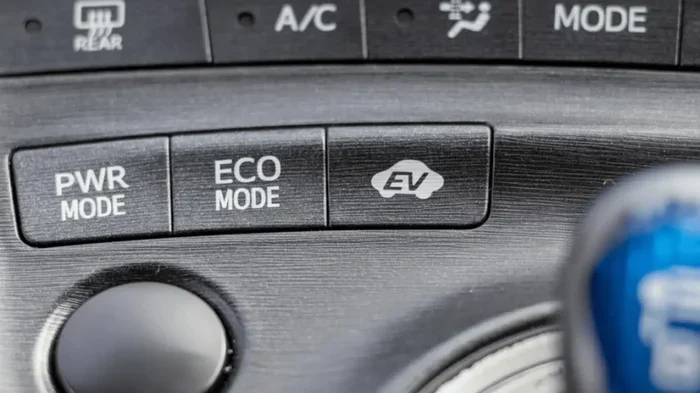
Most hybrids have an EV mode button that lets you drive on electric motor power alone. Use this mode in situations where it makes sense, such as driving through residential neighborhoods, parking garages, or busy city streets. EV mode is quiet, produces zero emissions, and uses no gasoline at all.
However, do not rely on EV mode for highway driving. The electric motor does not have enough power to maintain high speeds for long periods, and it will drain the battery quickly. Save EV mode for low-speed, short-distance driving where it can make the biggest difference.
Master Regenerative Braking
Regenerative braking is one of the most powerful features of any hybrid vehicle. When you lift your foot off the accelerator or apply the brakes, the electric motor captures energy and sends it back to the hybrid battery. The more you use regenerative braking, the more charge you put back into the battery.
You can maximize this effect by coasting to a stop instead of braking hard at the last second. Look ahead at traffic and ease off the accelerator early. This not only recharges the battery but also reduces wear on your brake pads. It is a win-win for your car and your wallet.
Quick Tip: Many hybrids offer different levels of regenerative braking strength. Try adjusting the setting to find the level that feels most natural. A higher regen setting can significantly extend your electric-only range and improve overall fuel economy.
Keep Your Tires Properly Inflated
This is a simple tip that many drivers overlook. Underinflated tires create more rolling resistance, which means the gas engine and electric motor have to work harder. This reduces fuel economy and drains the battery faster. Check your tire pressure at least once a month and keep it at the level recommended by the manufacturer.
Common Mistakes Hybrid Owners Make
Owning a hybrid comes with its own set of responsibilities. Avoiding common mistakes can help you get the most out of your vehicle and keep it running smoothly for years to come.
Ignoring the Gas Tank
The biggest mistake hybrid owners make is assuming they never need to fill up. This is simply not true. Even the best plug-in hybrids need gasoline eventually. If you let the fuel tank run too low too often, you risk damaging the hybrid system and reducing the lifespan of the hybrid battery.
Make it a habit to check your fuel level at least once a week. Keep your tank at least a quarter full at all times. This ensures the gas engine can kick in when needed and keeps the fuel system clean and functioning properly.
Overlooking Maintenance
Hybrids need regular maintenance just like any other car. The hybrid battery, electric motor, fuel system, and brakes all require attention over time. Skipping oil changes, brake inspections, or battery checks can lead to bigger problems down the road.
Find a mechanic who is experienced with hybrid vehicles. Not all repair shops are equipped to handle hybrid car maintenance. A qualified technician will know how to work safely with the high-voltage hybrid battery and can spot potential issues before they become expensive repairs.
Expert Insight: According to automotive specialists, most hybrid batteries last between 80,000 and 150,000 miles with proper care. Regular maintenance and smart driving habits are the key factors that determine how long your hybrid battery will last.
Driving Aggressively
Hard acceleration and speeding drain both the hybrid battery and the fuel tank faster than almost anything else. If you want to maximize your fuel economy and electric-only range, drive smoothly and at steady speeds. Aggressive driving not only wastes fuel but also puts extra stress on the electric motor and brake system.
Use cruise control on highways to maintain a constant speed. Avoid rapid starts and hard stops. These simple changes can improve your miles per gallon by 10 to 20 percent, which adds up to significant savings over time.
The Future of Hybrid Technology
The hybrid vehicle market is evolving rapidly. Automakers are investing heavily in hybrid technology to meet stricter emissions regulations and consumer demand for more efficient cars. The next generation of hybrids will feature even larger batteries, more powerful electric motors, and longer electric-only ranges.
In the near future, we can expect to see hybrids that can travel 60 to 100 miles on battery power alone. Some manufacturers are also working on range extenders, which are small gas engines that generate electricity to recharge the battery while you drive. These innovations will make the question Can a Hybrid Run Without Gas even more relevant, as more drivers will be able to go longer distances without touching a fuel station.
The shift toward hybrid technology is also being driven by advances in battery technology. Solid-state batteries, for example, promise to be lighter, more energy-dense, and longer-lasting than the lithium-ion batteries used in today’s hybrids. These breakthroughs could transform the hybrid vehicle landscape within the next decade.
As zero emissions vehicles become more common, hybrids will play an important role in the transition from gasoline to electric transportation. They offer a practical middle ground that gives drivers the flexibility of a gas engine and the efficiency of an electric motor. Whether you are looking to save money on fuel, reduce your carbon footprint, or simply enjoy a smoother driving experience, a hybrid is a smart choice.
Conclusion
Can a Hybrid Run Without Gas? Yes, but with important limitations. The answer depends on your hybrid type, battery charge level, and driving conditions. Plug-in hybrids can travel 20 to 50 miles on electric-only mode, making them ideal for short daily trips. Full hybrids offer brief electric-only capability at low speeds. And mild hybrids essentially always need gas to operate.
Understanding how your hybrid works is the first step toward getting the most out of it. Use EV mode wisely, charge your battery regularly, practice smooth driving habits, and never ignore your fuel gauge. These simple steps will help you maximize fuel economy, extend your driving range, and keep your hybrid vehicle running strong for years to come.
The beauty of hybrid technology is that it gives you options. You can choose when to use gasoline and when to rely on battery power. This flexibility is what makes hybrids so appealing to a wide range of drivers. So the next time someone asks you Can a Hybrid Run Without Gas, you will have all the answers you need.
Frequently Asked Questions
Can a hybrid car run on electricity alone?
Yes, most hybrids can run on electricity alone for short distances. Plug-in hybrids can travel 20 to 50 miles on battery power, while full hybrids can manage one to three miles at low speeds. However, no hybrid can run on electricity alone indefinitely. The gas engine will eventually need to kick in to keep the system running.
What happens if you drive a hybrid with no gas?
If you drive a hybrid with an empty fuel tank, the car will try to run on battery power alone. But the hybrid battery is not designed for long-distance driving. It will drain quickly, and the car will eventually stall. Running on empty repeatedly can also damage the hybrid battery and other components.
How far can a plug-in hybrid go without gas?
A plug-in hybrid can typically travel 20 to 50 miles on electric power alone, depending on the model, battery size, and driving conditions. Factors like speed, temperature, and use of accessories like air conditioning can affect this range. For best results, keep your battery fully charged.
Do hybrids save money on fuel?
Yes, hybrids generally save money on fuel because they use less gasoline than conventional cars. The electric motor assists the gas engine, which reduces overall fuel consumption. Plug-in hybrids can save even more money if you charge them regularly and do most of your driving on electric power.
Is hybrid car maintenance expensive?
Hybrid maintenance costs are generally comparable to regular car maintenance. The main difference is the hybrid battery, which may need replacement after 80,000 to 150,000 miles. However, many hybrid batteries come with long warranties, and regenerative braking reduces wear on brake pads, saving money over time.
Can you plug in a full hybrid?
No, full hybrids cannot be plugged in. They recharge their batteries through regenerative braking and the gas engine. If you want a hybrid that you can plug in, you need a plug-in hybrid (PHEV). PHEVs have larger batteries and can be charged from a wall outlet or charging station.
=== CONCLUSION ===
Can a Hybrid Run Without Gas is a question that deserves a nuanced answer. The truth is that every hybrid has some ability to drive on electric power, but none can do it forever. The key is understanding your specific hybrid type, using it wisely, and maintaining it properly. Whether you drive a plug-in hybrid, a full hybrid, or a mild hybrid, following the tips in this guide will help you get the most out of your vehicle. Embrace the benefits of hybrid technology, enjoy better fuel economy, and drive with confidence knowing you are making a smarter choice for your wallet and the planet.