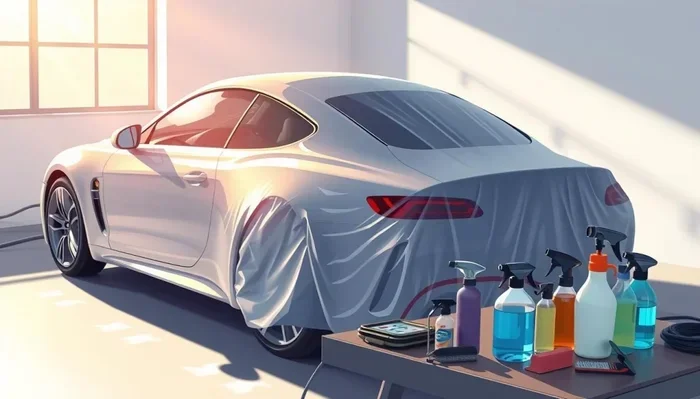
Can a Wrapped Car Go Through a Carwash Without Damage
Yes, a wrapped car can go through a carwash, but you need to choose the right type of wash and follow a few simple precautions. Vinyl wraps are durable, but improper car wash methods can cause peeling, lifting, or premature wear. This guide covers everything you need to know about washing a wrapped car safely, including which car wash types to avoid and how to extend the life of your vehicle wrap.
You just spent hundreds or even thousands of dollars on a car wrap. Maybe it was a bold matte black finish, a stunning chrome look, or a custom design that turns heads everywhere you go. Either way, you want that wrap to last. So when you pull up to a car wash, a single question pops into your head: can a wrapped car go through a carwash without damage?
The short answer is yes. But the longer answer depends on the type of car wash, the quality of your wrap, and how well you prepare. A wrapped car needs special care, and not every wash method treats it kindly. In this guide, we break down everything you need to know about washing a car with a vinyl wrap. We cover which washes are safe, which ones to avoid, and simple steps you can take to protect your investment.
Whether you are a first-time wrap owner or have been running wrapped vehicles for years, this article gives you practical, actionable advice. Let us dive in and make sure your vehicle wrap stays in perfect condition wash after wash.
Key Takeaways
- Touchless car washes are the safest option for vehicles with vinyl wraps, as they avoid physical contact and abrasive damage.
- Avoid brush-based automatic car washes, which can scratch, peel, or lift the edges of your car wrap.
- Hand washing is the gold standard for maintaining wrap integrity and extending its lifespan significantly.
- Check your wrap adhesive quality before washing, as poor installation increases the risk of water damage.
- Dry your wrapped car gently after washing to prevent water spots and preserve the vinyl coating.
- Avoid high-pressure washes near edges and seams, where the wrap is most vulnerable to lifting.
- Regular maintenance and proper care can help a vehicle wrap last five to seven years or longer.
📑 Table of Contents
- What Is a Car Wrap and Why Does It Matter?
- Can a Wrapped Car Safely Go Through a Carwash?
- Types of Car Washes and Their Impact on Wraps
- Comparison: Car Wash Types for Wrapped Cars
- How to Protect Your Wrap at the Carwash
- Common Mistakes People Make with Wrapped Cars
- Expert Tips for Long-Lasting Wrap Protection
- Key Takeaways
- Conclusion
What Is a Car Wrap and Why Does It Matter?
A car wrap is a large vinyl film that adheres directly to your vehicle’s exterior. It changes the color, finish, or appearance of your car without permanent alterations. People use vehicle wrapping for advertising, personal style, or to protect the original paint underneath.
Modern vinyl wraps are surprisingly durable. They resist UV rays, minor scratches, and everyday wear. But they are not indestructible. The adhesive bond between the vinyl and your car’s surface matters a lot. If that bond weakens, water can seep underneath and cause bubbling or peeling.
Understanding how a wrap works helps you understand why washing matters. The surface of a vinyl wrap has a special clear coat. This layer protects the design and gives the wrap its glossy or matte finish. When you use the wrong wash method, you risk damaging that clear coat. Over time, this leads to fading, cloudiness, or even complete wrap failure.
How Long Does a Car Wrap Last?
A quality car wrap installation typically lasts between five and seven years. But that number changes based on how well you maintain it. Regular car wrap maintenance includes proper washing techniques and avoiding harsh conditions. If you neglect care, you might need a replacement much sooner.
Can a Wrapped Car Safely Go Through a Carwash?
The big question everyone asks: can a wrapped car go through a carwash? The answer is not a simple yes or no. It depends entirely on the type of car wash you use. Some methods are perfectly safe. Others can cause serious damage to your vinyl coating.
Here is the core issue. Car washes use different levels of pressure, friction, and chemicals. A gentle, touchless wash poses very little risk. A high-pressure brush wash can be a disaster for your vehicle wrap. The friction from brushes can scratch the vinyl surface. The pressure can push water under the edges of the wrap. Once water gets under there, you are looking at peeling and adhesive failure.
The Science Behind Wrap Adhesion and Water Exposure
Car wrap adhesive is designed to bond tightly to clean, smooth surfaces. When water gets forced under the edges, it weakens that bond. Over time, the wrap adhesive breaks down. Edges start to lift. Dirt and moisture get trapped underneath. This creates an ugly and potentially costly problem.
Heat also plays a role. Some car washes use hot water or high-heat drying. Excessive heat can soften the vinyl and cause it to conform poorly to curves and contours of the vehicle. This is especially true for wraps installed on complex body shapes.
Types of Car Washes and Their Impact on Wraps
Not all car washes are created equal. Some are safe for wrapped vehicles. Others should be avoided at all costs. Let us look at the most common types and how they affect your car wrap.
Touchless Car Washes
Touchless car washes use high-pressure water jets and specialized detergents. There are no brushes or physical contact. This makes them the safest option for wrapped cars. The water pressure can be strong, but without abrasive contact, the risk of damage is minimal.
However, even touchless washes have a small risk. If the pressure is extremely high, it can push water under wrap edges. To minimize this risk, make sure your wrap edges are properly sealed. A quality wrap installation includes heat-sealing the edges, which adds an extra layer of protection.
Brush-Based Automatic Car Washes
This is the type of car wash you want to avoid. Automatic brush car washes use spinning cloth or bristle brushes to scrub your vehicle. These brushes create friction against the wrap surface. That friction can scratch the vinyl, dull the finish, and even peel the edges.
Over time, repeated brush washing causes visible wear. The design on your wrap fades. The clear coat becomes cloudy. You might even notice small tears or pulls in the vinyl. For these reasons, most wrap professionals strongly advise against brush-based car washes.
Hand Washing
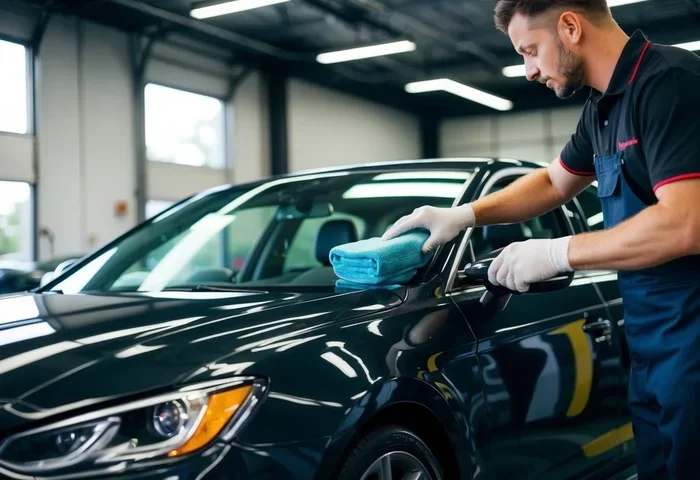
Hand washing is the gold standard for wrapped vehicles. It gives you complete control over pressure, water temperature, and cleaning products. You can gently clean every surface without risking damage.
Use a soft microfiber mitt and a pH-neutral car wash soap. Avoid high-pressure hoses directly on the edges. Dry the vehicle with a clean, soft cloth or air dry in a shaded area. Hand washing takes a bit more time, but it is the best way to keep your vinyl wrap looking brand new.
High-Pressure Touch Washes
Some car washes fall between touchless and brush-based. They use high-pressure water without brushes. These can be okay if the pressure is moderate. But if the pressure is too strong, it can still push water under the wrap edges. When in doubt, choose a true touchless wash or stick with hand washing.
Comparison: Car Wash Types for Wrapped Cars
| Car Wash Type | Safe for Wraps? | Risk Level | Best For |
|---|---|---|---|
| Touchless Car Wash | Yes | Low | Quick, routine washes |
| Brush-Based Automatic | No | High | Not recommended for wraps |
| Hand Washing | Yes | Very Low | Deep cleaning and maintenance |
| High-Pressure Touch Wash | Sometimes | Medium | Moderate-pressure systems only |
| Self-Service Bay | Yes (carefully) | Low to Medium | Controlled pressure and soap |
How to Protect Your Wrap at the Carwash
Protecting your car wrap at the carwash is easier than you think. A few simple precautions can make a huge difference. Here is what you should do before, during, and after every wash.
Before the Wash
- Inspect your wrap for any loose edges, bubbles, or peeling. Address small issues before they become big problems.
- Close all doors, windows, and the trunk tightly. This prevents water from entering the vehicle and reaching the wrap edges from the inside.
- Choose the right wash type based on the guidelines above. When possible, opt for touchless or hand wash.
- Avoid washing in direct sunlight. Heat can soften the vinyl and make it more vulnerable to damage.
During the Wash
- Keep the pressure moderate if using a self-service bay. Do not aim the pressure washer directly at wrap edges or seams.
- Use wrap-safe cleaning products. Avoid harsh chemicals, degreasers, or abrasive cleaners. Stick with pH-neutral soaps designed for vinyl wrap care.
- Do not scrub aggressively. Gentle wiping is all you need to remove dirt and grime.
After the Wash
- Dry your vehicle thoroughly with a soft microfiber towel or let it air dry in a shaded area.
- Check the edges of the wrap for any signs of water intrusion. If you see lifting, apply a small amount of wrap-safe adhesive.
- Apply a wrap sealant every few washes. This adds an extra layer of protection against UV rays, water, and dirt.
Quick Tips for Car Wash Day
Here are some fast tips to keep in mind every time you wash your wrapped car:
- Always use lukewarm water. Hot water can weaken the adhesive bond over time.
- Avoid car washes with undercarriage sprayers that blast water upward against the bottom edges of your wrap.
- Skip the wax. Wax can build up on the vinyl surface and cause the wrap to look dull. Use a wrap-specific cleaner instead.
- Keep a small repair kit in your trunk for touch-ups on the go.
Common Mistakes People Make with Wrapped Cars
Even well-meaning wrap owners make mistakes that shorten the life of their vehicle wrap. Here are the most common errors and how to avoid them.
Using the Wrong Car Wash
The biggest mistake is using a brush-based automatic car wash. It feels convenient, but it is one of the fastest ways to ruin a car wrap. The abrasive brushes scratch the surface and peel the edges. Always check the wash type before you pull in.
Ignoring Small Damage
A small bubble or a tiny edge lift might seem harmless. But water will find its way in. Over time, that small issue becomes a large bubble or a peeled section. Fix small problems immediately to prevent bigger damage.
Washing Too Frequently or Too Infrequently
There is a balance. Washing too often with the wrong products can wear down the vinyl coating. But letting dirt and grime sit too long can stain the wrap and eat into the adhesive. Wash your wrapped car every one to two weeks, depending on driving conditions.
Using Household Cleaners
Do not use household cleaners, dish soap, or all-purpose sprays on your wrap. These products are too harsh for vinyl. They strip the protective clear coat and cause fading. Always use products specifically formulated for car wrap maintenance.
Skipping Edge Sealant
The edges of your wrap are the most vulnerable areas. If your installer did not apply a sealant to the edges, consider having it done. This simple step adds significant protection against water intrusion and edge lifting.
Expert Tips for Long-Lasting Wrap Protection
Want your vinyl wrap to look amazing for years? Follow these expert-backed tips for long-lasting protection.
Invest in Quality Installation
The lifespan of your wrap starts with the installation. A professional wrap installation uses high-quality vinyl, proper surface preparation, and precise heat application. Cheap or DIY installations often fail within months. Always choose an experienced, reputable wrap shop.
Keep the Wrap Clean
Dirt and debris trapped against the wrap act like sandpaper over time. Regular car detailing keeps the surface clean and the adhesive strong. A clean wrap also looks better and retains its color longer.
Protect Against UV Exposure
Sun exposure is one of the biggest enemies of vinyl wraps. UV rays fade the colors and weaken the vinyl over time. Park in the shade when possible. Consider applying a UV-protective wrap sealant for extra defense.
Avoid Automated Car Washes with Brushes
We have said this before because it is that important. Brush car washes and wrapped vehicles do not mix. The mechanical friction causes micro-scratches that accumulate over time. These scratches dull the finish and compromise the vinyl integrity.
Schedule Regular Professional Inspections
Every six months, have a professional inspect your wrap. They can spot early signs of wear, edge lifting, or adhesive failure. Catching these issues early saves you money and extends the life of your vehicle wrap.
Be Careful with Fuel and Chemicals
If you have a wrap that extends around the fuel door or wheel wells, be extra careful. Fuel spills and harsh chemicals can damage the vinyl. Wipe up spills immediately and avoid parking near chemical spills or industrial areas.
Key Takeaways
- Touchless car washes are the safest option for vehicles with vinyl wraps, as they avoid physical contact and abrasive damage.
- Avoid brush-based automatic car washes, which can scratch, peel, or lift the edges of your car wrap.
- Hand washing is the gold standard for maintaining wrap integrity and extending its lifespan significantly.
- Check your wrap adhesive quality before washing, as poor installation increases the risk of water damage.
- Dry your wrapped car gently after washing to prevent water spots and preserve the vinyl coating.
- Avoid high-pressure washes near edges and seams, where the wrap is most vulnerable to lifting.
- Regular maintenance and proper care can help a vehicle wrap last five to seven years or longer.
Conclusion
So, can a wrapped car go through a carwash? Absolutely. But the key is choosing the right wash method and taking proper precautions. A touchless car wash or a careful hand wash will keep your vinyl wrap looking fantastic for years. Avoid brush-based automatic washes at all costs. They are the number one enemy of vehicle wraps.
Your car wrap is an investment. Whether it is for style, advertising, or paint protection, you want it to last. By following the tips in this guide, you protect that investment and get the most value out of your car wrapping experience. Take care of your wrap, and it will take care of you.
Remember, a little effort goes a long way. Inspect your wrap regularly, wash it with care, and address small issues before they grow. With the right approach, your vehicle wrap will continue to turn heads for years to come.
Can a Wrapped Car Go Through a Carwash?
Yes, a wrapped car can go through a carwash safely if you choose the right type of wash. Touchless car washes and hand washing are the best options for vinyl wraps. Avoid brush-based automatic washes, as they can scratch, peel, and damage the wrap surface.
Will a Car Wash Ruin My Vinyl Wrap?
A car wash will not ruin your vinyl wrap if you use a gentle, touchless method. High-pressure brush washes are the main cause of wrap damage. They create friction that scratches the vinyl and can push water under the edges, causing peeling.
How Often Should I Wash a Wrapped Car?
Wash your wrapped car every one to two weeks, depending on driving conditions. Regular washing removes dirt and grime that can degrade the vinyl over time. Always use pH-neutral soap and soft materials to avoid scratching the surface.
Can I Use a Pressure Washer on a Wrapped Car?
You can use a pressure washer on a wrapped car, but keep the pressure moderate. Never aim the nozzle directly at wrap edges, seams, or corners. High pressure near these areas can force water under the wrap and weaken the adhesive bond.
What Type of Car Wash Is Best for a Wrapped Car?
A touchless car wash is the best option for wrapped vehicles. Hand washing is even better if you have the time. Both methods avoid the abrasive friction that damages vinyl wraps. Always use wrap-safe cleaning products and gentle drying techniques.
How Do I Maintain My Car Wrap After a Car Wash?
After washing, dry your wrapped car thoroughly with a soft microfiber towel. Check the edges for any signs of lifting or water intrusion. Apply a wrap-specific sealant every few washes to protect against UV rays, water, and dirt buildup.