Car Wont Start Then Starts Later And How To Fix It
When your car wont start then starts later, it can be frustrating and confusing. This common problem usually points to a failing battery, starter motor, fuel pump, or ignition switch. Understanding the root cause helps you fix the issue quickly and avoid costly repairs. This guide covers every major reason your engine cranks but won’t start, then starts on its own. You will learn practical fixes, expert tips, and warning signs to watch for.
There is nothing worse than turning your key or pressing the start button, and nothing happens. You wait a few minutes, try again, and the engine fires right up like nothing ever happened. This maddening experience is more common than you think, and it has a name: intermittent starting failure.
When your car wont start then starts later, the problem usually lies somewhere in the starting system, fuel system, or electrical network. The good news is that most causes are diagnosable and fixable without a trip to the mechanic. In this article, we will walk through every major reason this happens and show you exactly how to fix it yourself.
Whether you drive a sedan, truck, or SUV, the principles are the same. A car that cranks but wont start has a different cause than one that makes no sound at all. We will cover both scenarios in detail. By the end of this guide, you will know what to check, what parts to replace, and when it is time to call a professional.
Key Takeaways
- Battery Issues Are the #1 Culprit: Corrosion, weak charge, or a dying battery often causes intermittent starting failures.
- Starter Motor Problems Are Common: A worn starter solenoid or bad starter can cause your engine to crank slowly or not at all.
- Fuel Pump Failure Leads to No-Start Conditions: A failing fuel pump may work intermittently, causing your car to start after cooling down.
- Ignition Switch Wear Causes Intermittent Failures: The ignition switch has internal contacts that degrade over time.
- Electrical Connections Matter: Loose or corroded wiring and ground straps can interrupt your starting system.
- You Can Diagnose Many Causes at Home: Simple tests with a multimeter and visual inspection can reveal the problem.
- Know When to Call a Pro: Some issues like a bad crankshaft position sensor need professional diagnosis and tools.
📑 Table of Contents
- Why Your Car Wont Start Then Starts Later
- How to Diagnose the Problem Yourself
- Common Mistakes People Make When Their Car Wont Start
- When to Call a Professional Mechanic
- Prevention Tips to Avoid Future Starting Problems
- How Long Does It Take to Fix a Car That Wont Start?
- Final Thoughts on Fixing a Car That Wont Start Then Starts Later
Why Your Car Wont Start Then Starts Later
Intermittent starting problems are tricky because the car works fine sometimes. This makes it hard to pin down the exact cause. The engine needs three things to start: fuel, spark, and compression. If any one of these fails, your car will not start. Here are the most common reasons your car wont start then starts later.
1. A Weak or Failing Battery
The battery is the heart of your starting system. When you turn the key, the battery sends a surge of power to the starter motor. If the battery is weak, it cannot deliver enough power to crank the engine. Here is the tricky part: a weak battery might have just enough charge to start the car after it rests for a few minutes.
Battery corrosion is another sneaky problem. White or greenish buildup on the terminals blocks the electrical connection. You might wiggle the cables and the car starts, making you think it was a fluke. But the real issue is the corroded terminal.
Signs your battery is the problem:
- Slow cranking when you turn the key
- Dashboard lights dim when you try to start
- The car starts fine after sitting for 10-15 minutes
- Battery age is over three years
- Corrosion visible on the terminals
2. Starter Motor or Solenoid Failure
The starter motor is what actually cranks your engine. Inside the starter, a solenoid engages the flywheel to turn the engine over. When the starter motor or solenoid begins to fail, it can work intermittently. You might get a single click, no sound at all, or grinding noises.
A bad starter often works when the engine is cold and fails when it is hot. Heat expands metal parts, and a worn starter motor can seize up when hot. After the engine cools down, the starter works again. This is why many people experience their car wont start then starts later pattern.
Starter motors typically last 100,000 to 150,000 miles. If your car has high mileage, the starter is a prime suspect. Replacing a starter motor costs between $300 and $500 at most shops, and you can do it yourself if you have basic tools.
3. Fuel Pump Problems
Your fuel pump sends gasoline from the tank to the engine. When the pump starts to fail, it may not deliver enough fuel pressure to start the car. But here is the key detail: a failing fuel pump often works again after it cools down.
Fuel pumps are electric and generate heat during operation. When the pump overheats, it stops working. After it cools for 10 to 20 minutes, it may function again. This is why your car wont start then starts later pattern is so common with fuel pump issues.
Other signs of a failing fuel pump:
- Whining noise from the fuel tank area
- Engine sputtering at high speeds
- Loss of power under heavy load
- Car stalls unexpectedly
- Difficulty starting after driving for a long time
4. Ignition Switch Wear and Tear
The ignition switch is the electrical component you interact with every time you turn your key or press the start button. Inside the switch, small metal contacts carry electrical current to the starter motor, ignition system, and fuel system. Over years of use, these contacts wear out.
Worn ignition switch contacts can fail intermittently. You might notice that the car does not start on the first try but works on the second or third attempt. Some drivers report that wiggling the key in the ignition helps the car start. This is a clear sign of a failing ignition switch.
Replacing an ignition switch is relatively inexpensive, usually between $100 and $250 for parts and labor. The repair is straightforward for most mechanics and DIY enthusiasts alike.
5. Crankshaft Position Sensor Failure
The crankshaft position sensor tells your engine computer (ECU) the exact position and speed of the crankshaft. This information is critical for timing fuel injection and spark delivery. When the sensor fails, the engine suddenly stops cranking or will not start at all.
Like many electrical sensors, the crankshaft position sensor can fail intermittently. Heat is a common trigger. The sensor works fine when cold but fails when hot. After the engine cools down, the sensor works again and the car starts normally.
This is one of the most common reasons a car wont start then starts later in modern vehicles. A mechanic can read the diagnostic trouble codes to confirm this issue. Replacement cost is typically between $150 and $250.
6. Bad Ignition Coil or Spark Plugs
Your engine needs a strong spark to ignite the fuel-air mixture. The ignition coil generates the high voltage needed for the spark plugs to fire. When a coil begins to fail, it may produce a weak or inconsistent spark.
Spark plugs also wear out over time. Old spark plugs may fire fine when cold but fail when the engine is hot. This is called thermal breakdown, and it causes intermittent no-start conditions.
If your car cranks but will not start, and you notice rough idling or misfires at other times, the ignition coil or spark plugs could be the culprit. Replacing spark plugs is an easy DIY job, and ignition coils are relatively affordable.
7. Neutral Safety Switch Issues
The neutral safety switch prevents your car from starting when the transmission is in gear. It ensures the engine only starts when the gear selector is in Park or Neutral. When this switch fails, your car may not start even when it is in the correct position.
A faulty neutral safety switch often works intermittently. You might notice that the car starts sometimes and not others. Shifting the gear selector back and forth between Park and Neutral might get the car to start. This is a telltale sign of a bad neutral safety switch.
Replacing a neutral safety switch is a moderately easy repair. The part itself is inexpensive, but the labor depends on your vehicle’s transmission type.
8. Engine Flooding
Engine flooding happens when too much fuel enters the combustion chambers. This is especially common in older cars with carburetors, but modern fuel-injected engines can flood too. When the engine is flooded, the spark plugs are soaked in fuel and cannot create a spark.
The fix is simple: hold the accelerator pedal to the floor and crank the engine for 10 seconds. This pushes out the excess fuel. Wait a minute and try again. The car should start normally after the fuel clears out.
Engine flooding often happens when you accidentally hold the gas pedal while cranking, or when the fuel pressure regulator is failing. If your car floods frequently, get the fuel system checked.
How to Diagnose the Problem Yourself
You do not need to be a professional mechanic to diagnose most starting problems. With a few basic tools and some patience, you can narrow down the cause of your car wont start then starts later issue. Here is a step-by-step approach.
Step 1: Check the Battery
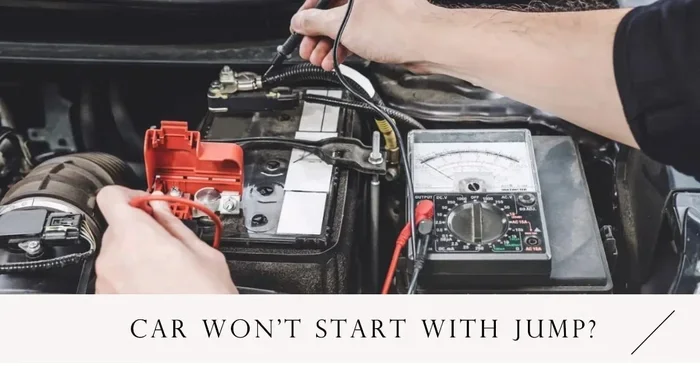
Start with the battery because it is the easiest and most common cause. Look at the battery terminals for any white or greenish buildup. Use a multimeter to test the voltage. A healthy battery should read 12.6 volts or higher when the engine is off.
If the voltage drops below 10 volts when you try to start the car, the battery is weak. Clean the terminals with a wire brush and a baking soda solution. Make sure the cable connections are tight. If the battery is more than three years old, consider replacing it.
Step 2: Listen for the Starter
When you turn the key, pay close attention to what you hear. A single click usually means the solenoid is engaging but the starter motor is not turning. No sound at all could mean a bad starter, a dead battery, or a faulty ignition switch.
If the engine cranks slowly, the battery or starter is likely the issue. A fast, strong crank means the starting system is working, and the problem is probably in the fuel or ignition system.
Step 3: Check for Fuel Delivery
Turn the ignition key to the “ON” position without starting the engine. You should hear a brief humming sound from the back of the car near the fuel tank. This is the fuel pump priming the system. If you do not hear this hum, the fuel pump or its relay could be bad.
You can also check the fuel pressure with a fuel pressure gauge. Low fuel pressure points to a failing pump or a clogged fuel filter. Replace the fuel filter if it has not been changed in the last 30,000 miles.
Step 4: Scan for Error Codes
Modern cars have an onboard diagnostic system that stores error codes when something goes wrong. You can buy an OBD2 scanner for under $30 or borrow one from most auto parts stores. Plug it in and read the codes.
Codes related to the crankshaft position sensor, camshaft position sensor, or fuel system will give you strong clues about what is causing your car wont start then starts later problem. Write down the codes and look them up online or ask an auto parts store associate for help.
Step 5: Inspect the Ignition System
Remove a spark plug and inspect it for wear, carbon buildup, or fuel soaking. A wet spark plug means the engine is flooding or the coil is not firing properly. Replace worn spark plugs and test the ignition coil with an ignition coil tester.
Common Mistakes People Make When Their Car Wont Start
When your car refuses to start, it is easy to panic and make mistakes. Here are the most common errors people make and how to avoid them.
Jump-Starting a Car That Does Not Need It
Many people immediately reach for jumper cables when the car will not start. But if the problem is a bad starter, fuel pump, or ignition switch, jump-starting will not help. In fact, jump-starting a car with a short circuit or electrical problem can cause more damage.
Before jump-starting, check if the dashboard lights come on when you turn the key to the “ON” position. If the lights are dim or do not come on at all, the battery is likely the issue. If the lights work fine but the engine does not crank, the problem is elsewhere.
Ignoring Warning Signs
Most intermittent starting problems give warning signs before they become total failures. Slow cranking, dimming headlights, and occasional no-starts are all signals that something is wearing out. Ignoring these signs can leave you stranded.
Pay attention to when the problem happens. Does it occur more often in cold weather? After driving for a long time? After the car sits for a few hours? This information helps you and your mechanic diagnose the issue faster.
Replacing Parts Without Diagnosis
It is tempting to just replace the battery or starter when the car will not start. But throwing parts at the problem without proper diagnosis wastes money. A bad battery might be a symptom, not the cause. A parasitic draw from a faulty alternator or interior light could be draining the battery overnight.
Always diagnose the root cause before replacing expensive parts. A simple multimeter test or OBD2 scan can save you hundreds of dollars in unnecessary repairs.
When to Call a Professional Mechanic
While many starting problems can be diagnosed at home, some issues require professional tools and expertise. Here are the situations where you should call a mechanic.
- You get no diagnostic codes: Some intermittent problems only show up under specific conditions and may not store a code.
- The problem involves the engine computer: Issues with the ECU or wiring harness require specialized diagnostic equipment.
- You suspect a fuel pump failure: Replacing a fuel pump requires dropping the tank in many vehicles, which is messy and complex.
- The car starts sometimes but not others: Intermittent electrical issues can be extremely difficult to trace without professional scan tools.
- You have tried the basic checks and the car still will not start: A mechanic can perform a full starting system test and pinpoint the exact fault.
Finding a reliable mechanic is key. Ask friends for recommendations, check online reviews, and look for ASE-certified technicians. A good mechanic will explain the problem clearly and give you a fair estimate before doing any work.
Prevention Tips to Avoid Future Starting Problems
The best way to deal with a car wont start then starts later problem is to prevent it from happening in the first place. Here are simple habits that keep your starting system healthy.
Keep Your Battery Clean and Charged
Inspect your battery terminals every few months. Clean any corrosion with a wire brush and baking soda solution. Make sure the cables are tight and secure. If your battery is more than three years old, have it tested at an auto parts store. Most stores offer free battery testing.
In cold climates, a weak battery is even more likely to fail. Consider upgrading to a higher CCA (cold cranking amps) battery if you live in a cold area. A battery maintainer or trickle charger is a great investment if your car sits for long periods.
Follow Your Maintenance Schedule
Regular maintenance keeps your starting system and fuel system in top shape. Replace spark plugs on schedule, change the fuel filter, and keep the engine tuned. A well-maintained car is far less likely to have intermittent starting problems.
Listen to Your Car
Your car tells you when something is wrong if you pay attention. Listen for unusual sounds when you start the engine. Pay attention to how the engine cranks. If you notice any changes, get it checked before it becomes a total no-start situation.
Keep Your Fuel Tank at Least Half Full
Running on low fuel can cause the fuel pump to overheat. The fuel pump relies on gasoline to cool itself during operation. Keeping your tank at least half full ensures the pump stays cool and lasts longer.
How Long Does It Take to Fix a Car That Wont Start?
The repair time depends entirely on the cause. Battery terminal cleaning takes 10 minutes. Replacing a starter motor takes 1 to 3 hours. Swapping out a fuel pump can take 2 to 4 hours depending on the vehicle. Ignition switch replacement is usually done in under an hour.
Here is a rough breakdown of repair times and costs:
- Battery replacement: 15 minutes, $100 to $250
- Starter motor replacement: 1 to 3 hours, $300 to $500
- Fuel pump replacement: 2 to 4 hours, $400 to $800
- Ignition switch replacement: 30 minutes to 1 hour, $100 to $250
- Crankshaft position sensor: 30 minutes to 1 hour, $150 to $250
- Spark plug replacement: 30 minutes to 1 hour, $50 to $150
These are average costs and can vary based on your vehicle model, location, and the shop you visit. Always get a written estimate before authorizing any repair work.
Final Thoughts on Fixing a Car That Wont Start Then Starts Later
A car wont start then starts later problem is almost always fixable. The key is to diagnose the root cause systematically. Start with the simplest explanations like a weak battery or corroded terminals, and work your way up to more complex issues like a failing fuel pump or crankshaft sensor.
Do not ignore the problem. Intermittent starting issues tend to get worse over time. What starts as an occasional no-start can become a total failure that leaves you stranded. Address the problem early, and you will save money, time, and a lot of frustration.
Use the diagnostic steps in this guide to narrow down the cause. Replace worn parts before they fail completely. And when in doubt, trust a qualified mechanic to get you back on the road safely. Your car depends on a healthy starting system, and a little preventive care goes a long way.
Frequently Asked Questions
Why does my car start fine after sitting for a while?
This is a classic sign of a heat-sensitive component like a fuel pump, starter motor, or crankshaft position sensor. These parts work when cool but fail when hot. Once the engine cools down, they function again and the car starts normally.
Can a bad battery cause a car to start sometimes and not others?
Yes, absolutely. A weak battery may have enough charge to start the car when it is cool but not when it is under load. Corroded battery terminals can also cause intermittent connections that make starting unreliable.
How do I know if my fuel pump is failing?
Listen for a humming sound from the fuel tank when you turn the key to the “ON” position. If you do not hear it, the fuel pump may be dead or dying. Other signs include engine stalling, loss of power, and difficulty starting after driving.
Is it safe to drive a car that has intermittent starting problems?
It can be risky. If the car dies while you are driving, you could lose power steering and power brakes. If you notice starting issues, get the car diagnosed and repaired as soon as possible to avoid being stranded.
What is the most common cause of a car that cranks but will not start?
The most common causes are a failed fuel pump, bad crankshaft position sensor, or ignition system problems like a faulty coil or worn spark plugs. A fuel delivery or spark delivery failure is usually the reason the engine cranks but does not fire up.
Can cold weather make a car that wont start then starts later worse?
Yes, cold weather thickens engine oil and reduces battery performance. A weak battery or marginal starter motor is much more likely to fail in cold conditions. If you notice the problem gets worse in winter, the battery or starter is likely the culprit.
=== CONCLUSION ===
A car wont start then starts later is a problem you can solve with the right knowledge and approach. The most common causes are a weak battery, failing starter motor, bad fuel pump, or worn ignition switch. By following the diagnostic steps in this guide, you can identify the root cause and take the right fix.
Start with the basics: check the battery, inspect the terminals, and listen for the fuel pump priming. Move on to scanning for error codes and inspecting the ignition system. Replace worn parts before they leave you stranded. And when the problem is beyond your comfort level, do not hesitate to call a professional mechanic.
Regular maintenance and preventive care are your best defenses against intermittent starting problems. Keep your battery clean, follow your service schedule, and listen to what your car is telling you. With the tips in this article, you have everything you need to tackle this frustrating issue head-on and get back on the road with confidence.