1980 Cars in India That Defined an Entire Generation
The 1980s marked a golden era for 1980 cars in India, where models like the Maruti 800, Ambassador, and Premier Padmini ruled the roads. These vehicles were more than just transportation — they represented India’s automotive heritage and the dreams of an entire generation. This article dives deep into the vintage Indian cars that still hold a special place in the hearts of classic car enthusiasts today.
Key Takeaways
- The Maruti 800 revolutionized Indian motoring: It was the first affordable, fuel-efficient car for the average Indian family.
- The Ambassador symbolized status and prestige: It remained the go-to choice for politicians and diplomats throughout the decade.
- 1980 cars in India reflected economic changes: Liberalization and new car manufacturers transformed the automotive landscape.
- Classic car culture is thriving today: Retro cars India are being restored and cherished by passionate collectors.
- Fuel efficiency was a major factor: Rising fuel costs made economy cars the top choice for Indian buyers.
- These vehicles shaped Indian road trips and culture: The 1980s car culture India is still celebrated today.
📑 Table of Contents
- 1980 Cars in India: A Look Back at the Vehicles That Shaped a Nation
- The Maruti 800: India’s People’s Car
- The Ambassador: The King of Indian Roads
- Premier Padmini: The Elegant Classic
- The Rise of Car Culture in 1980s India
- Comparing the Iconic 1980 Cars in India
- Why These Cars Still Matter Today
- Common Mistakes People Make When Buying Vintage Indian Cars
- Quick Tips for Preserving Your Classic Indian Car
- Expert Insights: What Makes 1980s Indian Cars Special
- Conclusion
1980 Cars in India: A Look Back at the Vehicles That Shaped a Nation
There was a time when cars in India were not just machines. They were stories waiting to be told. The 1980 cars in India carried the hopes of a young nation that was slowly stepping into modernity. From the bustling streets of Delhi to the coastal roads of Goa, these vehicles left an indelible mark on Indian culture.
When we talk about 1980s Indian automobiles, we are not just talking about metal and rubber. We are talking about memories. The smell of a freshly polished Ambassador interior. The sound of a Maruti 800 engine humming through a quiet neighborhood. These moments defined what it meant to own a car in India during the 1980s.
The decade brought changes that transformed the Indian automotive scene forever. New manufacturers entered the market. Old models got upgrades. And the idea of car ownership shifted from a luxury to a lifestyle. Let us take a trip down memory lane and explore the vintage Indian cars that made the 1980s so special.
The Maruti 800: India’s People’s Car
No discussion about 1980 cars in India is complete without the Maruti 800. Launched in 1983, this little hatchback changed everything. It was the first car that middle-class Indian families could actually afford. Suddenly, owning a car was no longer a distant dream.
Why the Maruti 800 Was a Game Changer
The Maruti 800 was built on a simple idea. Make a small, fuel-efficient car that ordinary Indians could buy and maintain easily. And it worked. The car was lightweight, easy to drive, and incredibly economical. It gave Indian car history its most iconic chapter.
Here is why the Maruti 800 meant so much:
- Affordable pricing: It was priced within reach of the growing middle class.
- Excellent fuel economy: With rising fuel costs, drivers loved its efficiency.
- Easy maintenance: Service centers popped up across the country quickly.
- Compact size: Perfect for navigating crowded Indian city streets.
- Reliable build: It rarely broke down, earning the trust of millions.
The Maruti 800 was more than a car. It was a status symbol for the new India. Young professionals, small business owners, and families all wanted one. It proved that Indian sedans and hatchbacks could compete with anything the world had to offer.
Today, the Maruti 800 is a retro car that collectors cherish. Its simple design and nostalgic appeal make it a favorite among classic car enthusiasts. If you ever spot one on the road, take a moment to appreciate the history it carries.
The Ambassador: The King of Indian Roads
If the Maruti 800 was the people’s car, the Ambassador was the people’s pride. The Hindustan Motors Ambassador had been around since the 1950s, but the 1980s were its golden years. It was the car of choice for politicians, business leaders, and government officials. The Ambassador was everywhere.
A Symbol of Power and Prestige
In the 1980s, seeing an Ambassador on the road meant something. It told you the person inside had arrived. The car had a certain old world charm that no other vehicle could match. Its boxy design, spacious interior, and smooth ride made it the ultimate Indian sedan of the era.
The Ambassador kept evolving during this period. Hindustan Motors introduced updated versions with better engines and improved comfort. But the core identity remained the same. It was a car that said, “I have made it.”
What made the Ambassador so special?
- Spacious cabin: It offered plenty of room for passengers.
- Comfortable ride: The suspension was designed for Indian roads.
- Strong brand identity: It was a symbol of Indian engineering.
- Widespread service network: Parts and repairs were easy to find.
- Cultural icon: It appeared in films and public life constantly.
The Ambassador was not just a vehicle. It was a piece of automotive heritage India. Even today, many people feel a deep connection to this car. It represents an era when things were simpler and cars had character.
Premier Padmini: The Elegant Classic
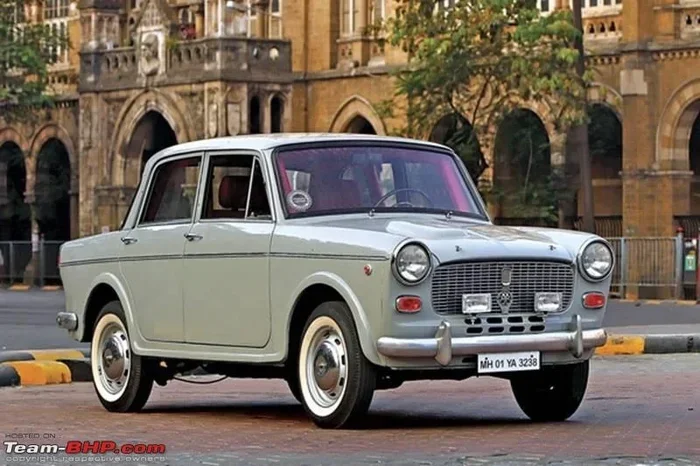
Before the Maruti 800 took over, the Premier Padmini ruled the streets. This vintage Indian car was a favorite among women drivers and families. It was elegant, refined, and distinctly Indian in its approach to motoring.
The Padmini was based on the Fiat 1100, but it felt entirely its own. The 1980s Indian automobiles scene would not have been the same without it. Its polished exterior and comfortable interior made it a joy to drive in city traffic.
Though production slowed in the 1980s, the Padmini left a lasting legacy. It showed that India could build cars with style and grace. Today, it is a rare sight on the roads, which makes it even more precious to classic car enthusiasts.
The Rise of Car Culture in 1980s India
The 1980s did not just bring new cars. It brought a whole new car culture India. People started taking pride in their vehicles. Car shows became popular. And the idea of owning a car became a part of the Indian dream.
Road Trips and Freedom
The 1980s were the era of 1980s road trips India. Families would pack their cars and head to hill stations or beaches. The Ambassador and the Maruti 800 were perfect companions for these journeys. The roads were less crowded, and the adventure felt endless.
These road trips created memories that last a lifetime. The sound of the engine, the wind in your hair, and the beautiful Indian countryside outside the window. This is what old world charm is all about.
New Brands and New Choices
The 1980s also saw the entry of new brands into the Indian market. Maruti Suzuki set the standard, but others soon followed. The competition pushed car makers to build better, more fuel-efficient cars India buyers could afford.
Two-wheelers like the Bajaj Chetak and Royal Enfield motorcycles also played a big role. They complemented the car culture and gave people more options for getting around. Together, these vehicles shaped the transportation landscape of 1980s India.
Comparing the Iconic 1980 Cars in India
Let us take a closer look at how the top 1980 cars in India compared. Each model had its own strengths and appeal.
| Feature | Maruti 800 | Ambassador | Premier Padmini |
|---|---|---|---|
| Launch Year | 1983 | 1958 (updated in 1980s) | 1964 |
| Engine | 800cc | 1500cc | 1100cc |
| Fuel Efficiency | Excellent | Average | Good |
| Price Range | Most Affordable | Premium | Mid-Range |
| Target Audience | Middle Class | Elite & Government | Families & Women Drivers |
| Legacy | People’s Car | National Symbol | Elegant Classic |
Each of these 1980s Indian automobiles served a different purpose. The Maruti 800 was for the masses. The Ambassador was for the elite. And the Padmini was for those who wanted style and comfort. Together, they covered every segment of the Indian market.
Why These Cars Still Matter Today
The 1980 cars in India are more than just history lessons. They are living pieces of Indian automotive heritage that continue to inspire. Across the country, classic car enthusiasts are restoring these vehicles to their former glory.
The Restoration Movement
A growing number of people are investing time and money into restoring retro cars India. They hunt for original parts, refurbish interiors, and bring these classics back to life. This movement is not just about nostalgia. It is about preserving a piece of Indian car history.
Restoration clubs and online communities have popped up all over India. Owners share tips, spare parts, and stories. They keep the spirit of 1980s Indian automobiles alive for future generations.
Lessons from the Past
There is a lot we can learn from the 1980 cars in India. They were designed for simplicity. They were built to last. And they were made to suit Indian conditions. In today’s world of complex modern vehicles, these old cars remind us that less can be more.
The focus on fuel efficiency and practicality is more relevant than ever. As India moves toward electric vehicles, the lessons from the 1980s can guide us. We can build a future that respects the past while embracing innovation.
Common Mistakes People Make When Buying Vintage Indian Cars
If you are thinking about buying a vintage Indian car from the 1980s, there are a few things to keep in mind. Many first-time buyers make avoidable mistakes.
- Skipping the inspection: Always get a thorough check-up from a mechanic who knows old cars.
- Ignoring parts availability: Some retro cars India need rare parts that are hard to find.
- Underestimating restoration costs: Bringing an old car back to life can be expensive.
- Not checking the paperwork: Make sure the registration and ownership documents are in order.
- Buying for looks alone: A beautiful exterior means nothing if the engine is weak.
Take your time. Do your research. And never rush into buying a classic car. The right 1980 car in India will reward you with years of enjoyment.
Quick Tips for Preserving Your Classic Indian Car
If you already own a vintage Indian car from the 1980s, keeping it in good shape is important. Here are some quick tips.
- Store it in a covered area: Protect the car from sun and rain damage.
- Start the engine regularly: Even if you are not driving, let the engine run for a few minutes.
- Use genuine or compatible parts: This keeps the car authentic and reliable.
- Join a car club: Connect with other classic car enthusiasts for advice and support.
- Drive it often: Regular use keeps the mechanical parts in good working condition.
- Keep records: Document every repair and service for future reference.
These simple steps can help your 1980s Indian automobile stay road-ready for decades to come. A well-maintained classic car only gets better with age.
Expert Insights: What Makes 1980s Indian Cars Special
Classic car experts agree that the 1980s was a transformative decade for Indian motoring. The combination of affordability, simplicity, and character made these vehicles stand out in ways that modern cars often do not.
“The cars from this era were designed with the Indian driver in mind,” says Rajesh Mehta, a vintage Indian car collector from Mumbai. “They were built to handle our roads, our weather, and our fuel quality. That kind of engineering thoughtfulness is rare today.”
The old world charm of these vehicles is something you cannot replicate. Every scratch tells a story. Every creak in the door is a memory. This is what makes 1980 cars in India so special and so deeply loved.
Conclusion
The 1980 cars in India were more than just vehicles. They were companions on life’s journey. They carried families to vacations, workers to offices, and dreams to reality. The Maruti 800, the Ambassador, and the Premier Padmini each played a unique role in shaping Indian car history.
Today, these classic cars India continues to inspire. They remind us of a time when things were simpler and more connected. Whether you are a classic car enthusiast or just someone who appreciates automotive heritage India, the 1980s have something to offer everyone.
So the next time you see a vintage Ambassador or a well-preserved Maruti 800 on the road, smile. You are looking at a piece of history. A piece of India. And that is something truly worth celebrating.
Frequently Asked Questions
What were the most popular 1980 cars in India?
The Maruti 800, Ambassador, and Premier Padmini were the most popular 1980 cars in India. Each catered to a different segment of the market and became a cultural icon in its own right.
Why is the Maruti 800 considered a landmark vehicle in Indian automotive history?
The Maruti 800 was the first affordable, fuel-efficient car for the average Indian family. It democratized car ownership and set the standard for fuel-efficient cars India buyers expected from domestic manufacturers.
Are vintage Indian cars from the 1980s still roadworthy today?
Yes, many vintage Indian cars from the 1980s are still roadworthy. With proper maintenance and regular use, these vehicles can continue to run smoothly. However, finding original parts can sometimes be a challenge.
How can I start collecting classic cars from 1980s India?
Start by researching the models that interest you. Join online forums and local classic car enthusiasts groups. Inspect any car thoroughly before buying, and always budget for potential restoration costs.
What makes 1980s Indian cars different from modern vehicles?
1980s Indian automobiles were simpler in design, easier to maintain, and built specifically for Indian road conditions. They had a distinct old world charm that modern cars often lack, and they carry deep cultural significance.
Where can I find restoration services for retro cars in India?
Major cities like Delhi, Mumbai, and Bangalore have specialized workshops for retro cars India. You can also connect with online communities and car clubs that recommend trusted restorers who understand vintage Indian cars inside and out.