How to Determine the Actual Cash Value of Your Vehicle
Knowing the actual cash value of your car is essential whether you are selling, trading in, or filing an insurance claim. This guide walks you through every method, factor, and resource you need to calculate a fair and accurate number. You will learn how insurance companies assess your vehicle, which tools give the best estimates, and what to do when the offer you receive does not seem right.
Your car is one of the biggest investments you will ever make. But here is the thing — it starts losing value the moment you drive it off the lot. That is where actual cash value comes in. Whether you are thinking about selling your vehicle, trading it in for a new one, or dealing with an insurance claim after an accident, knowing your car’s actual cash value puts you in a much stronger position.
Actual cash value is not just some number an insurance adjuster pulls out of thin air. It is a calculated estimate based on several real-world factors. In this guide, we will break down exactly how actual cash value works, show you the best tools to estimate it, and give you practical steps to make sure you get a fair deal. Let us dive in.
Key Takeaways
- Actual cash value reflects your car’s market worth: It accounts for depreciation, condition, and local demand.
- Insurance companies use specific formulas: Understanding these helps you negotiate a better payout.
- Free online tools provide solid starting points: Resources like Kelley Blue Book and NADA Guides are reliable.
- Multiple factors influence your car’s worth: Mileage, trim level, maintenance history, and local market trends all matter.
- Disputing an ACV offer is possible: You can provide evidence and counter-offers to reach a fair settlement.
- Keeping good records boosts your value: Maintenance logs and vehicle history reports strengthen your case.
📑 Table of Contents
- What Is Actual Cash Value and Why Does It Matter?
- How Insurance Companies Calculate Actual Cash Value
- Tools and Resources to Estimate Your Car’s Value
- Factors That Affect Your Vehicle’s Cash Value
- Step-by-Step: How to Determine the Actual Cash Value of Your Car
- What to Do If You Disagree With the Actual Cash Value Offered
- Conclusion
What Is Actual Cash Value and Why Does It Matter?
When people talk about the actual cash value of a car, they mean the amount a vehicle would sell for in today’s fair market value. Think of it as what a willing buyer would pay a willing seller for your specific car on any given day. It is not what you originally paid. It is not what you still owe. It is what the car is truly worth right now.
Car depreciation plays a huge role here. New vehicles lose roughly 15% to 25% of their value in the first year alone. Over five years, many cars drop to 40% or less of their original price. This steady decline is why actual cash value matters so much. If your car gets totaled or stolen, your insurance company will base your payout on the actual cash value, not what you paid at the dealership.
Understanding actual cash value also helps you make smarter decisions when buying or selling. If you know what your car is worth, you can negotiate better trade-in deals, set realistic asking prices, and avoid being underpaid. It is one of those pieces of knowledge that always works in your favor.
How Actual Cash Value Differs from Market Value and Replacement Cost
People often confuse actual cash value with other valuation terms. Let us clear that up quickly. Market value is very similar to actual cash value and the two terms are often used interchangeably. However, replacement cost is different. Replacement cost refers to how much it would cost to buy a brand-new version of your car today, without deducting for depreciation.
Insurance policies typically pay out actual cash value unless you have a special endorsement that covers replacement cost. This is a key distinction. If you want full protection, you should check your policy and understand which type of coverage you have. Gap insurance can also help bridge the difference between what you owe and what your car is actually worth.
How Insurance Companies Calculate Actual Cash Value
When you file a claim for a totaled car, the insurance company does not just guess. They follow a structured process to determine the actual cash value. Understanding this process helps you know what to expect and how to prepare.
The Role of Depreciation in ACV Calculations
Insurance adjusters start by looking at the vehicle age and the mileage on your odometer. These two factors have the biggest impact on car depreciation. A three-year-old car with low mileage will have a higher actual cash value than the same car with high mileage. The adjuster will estimate the depreciation rate based on industry standards and your specific vehicle.
They will also consider the trim level of your car. A base model and a luxury trim of the same year and make can have very different values. Features like leather seats, a sunroof, or advanced safety packages all add to the actual cash value.
Comparable Sales and Local Market Analysis
Next, the adjuster looks at comparable sales in your area. This means they find recently sold vehicles that are similar to yours in terms of year, make, model, mileage, and condition. These comparable sales give them a real-world benchmark for what buyers are actually paying.
Local market conditions also matter. If you live in a region where trucks and SUVs are in high demand, your actual cash value might be higher than in an area where sedans dominate. Seasonal trends, fuel prices, and even local economic factors can shift the market value of your vehicle.
Condition Assessment and Vehicle Inspection
The adjuster will assess the overall car condition inside and out. They look at the exterior paint, interior wear, mechanical health, and whether there is any prior damage. Vehicles with clean vehicle history reports and well-documented maintenance records tend to have a higher actual cash value.
Here is a quick look at how condition affects the calculation:
- Excellent condition: No visible damage, all features work, clean interior, low mileage.
- Good condition: Minor wear and tear, all major systems function properly, no accidents.
- Fair condition: Noticeable cosmetic issues, some mechanical concerns, but still runs well.
- Poor condition: Significant damage or wear, may need repairs, lower resale value.
Tools and Resources to Estimate Your Car’s Value
You do not need to be a mechanic or a car expert to estimate your actual cash value. There are many free and reliable tools available online that make this process easy. Let us look at the best ones.
Kelley Blue Book (KBB)
Kelley Blue Book is one of the most trusted names in vehicle valuation. Their website lets you enter your car’s details — year, make, model, mileage, and condition — and gives you a range of values. KBB provides the trade-in value, the private party value, and the retail price. These three numbers give you a complete picture of what your car is worth in different selling scenarios.
KBB updates its data regularly to reflect current market value trends. This makes it a great starting point for any vehicle appraisal you want to do on your own.
NADA Guides
NADA Guides are another excellent resource, especially if you are dealing with a car that still has a loan. NADA values are often used by lenders and dealers. They tend to be slightly higher than KBB in some cases because they factor in the wholesale and trade-in value more heavily.
NADA is particularly useful when you want to know the fair market value that a lender would assign to your car. If you are refinancing or trading in, NADA can give you a solid benchmark.
Edmunds and Other Online Valuation Tools
Edmunds is another popular option that provides detailed vehicle appraisal estimates. What sets Edmunds apart is its “True Market Value” pricing, which is based on real transaction data from millions of used car sales. Other tools like Black Book and Manheim Market Report also offer valuable insights, especially for wholesale price estimates.
The best approach is to use at least two or three of these tools and compare the results. If the numbers are close together, you have a reliable range. If they vary widely, you may need to dig deeper into why.
Vehicle History Reports
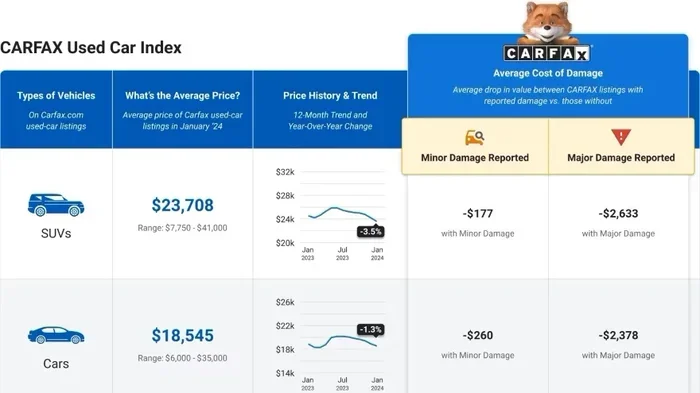
A vehicle history report from services like Carfax or AutoCheck can also support your actual cash value estimate. These reports show accident history, title status, service records, and ownership changes. A clean history report adds credibility and value to your car, while a problematic history can lower it significantly.
Factors That Affect Your Vehicle’s Cash Value
Not all cars of the same year and model are worth the same amount. Several factors come into play when calculating actual cash value. Understanding these factors helps you see why two identical-looking cars might have very different values.
Mileage and Vehicle Age
Mileage and vehicle age are the two biggest depreciating factors. A car with 150,000 miles will almost always be worth less than the same car with 60,000 miles, even if both are the same year. As a general rule, the average American drives about 13,000 to 15,000 miles per year. Cars that fall below that average tend to hold their value better.
Maintenance History and Service Records
Cars with well-documented maintenance records are more valuable. When you can show that oil changes, tire rotations, brake jobs, and other services were done on schedule, buyers and insurers see the car as better cared for. This directly boosts the actual cash value.
On the flip side, if maintenance records are missing or incomplete, the actual cash value may suffer. Buyers and adjusters assume the worst when they cannot verify service history.
Accident History and Structural Damage
Even a minor accident can reduce your car’s actual cash value. Structural damage, airbag deployment, or frame repairs are red flags that significantly lower market value. This is why a clean vehicle history report is so important. If your car has been in an accident, full disclosure is always the best policy — it builds trust and prevents surprises during negotiations.
Aftermarket Modifications and Features
Some aftermarket modifications add value, while others do not. Upgrades like a quality sound system, custom wheels, or a roof rack can increase the actual cash value if they are desirable to buyers. However, custom paint jobs, engine modifications, or lowered suspensions may actually reduce value for the average buyer.
Factory features like navigation, backup cameras, heated seats, and advanced driver-assistance systems generally increase the resale value of a vehicle. These are features that many buyers look for and are willing to pay a premium for.
Local Market Demand and Geographic Location
Where you live can have a surprising impact on your car’s actual cash value. Convertibles sell better in warm climates. Four-wheel-drive trucks command higher prices in snowy mountain regions. Fuel-efficient cars may be more valuable in cities with high gas prices.
These local market conditions are part of what insurance adjusters and dealers consider when calculating fair market value. They know what buyers in your area are willing to pay, and that number directly affects your actual cash value.
Step-by-Step: How to Determine the Actual Cash Value of Your Car
Now that you understand the factors and tools involved, let us walk through the actual process of determining your car’s actual cash value. Follow these steps and you will have a solid, defensible number.
Step 1: Gather Your Vehicle Details
Start by collecting all the key information about your car. You will need the year, make, model, trim level, mileage, and VIN (Vehicle Identification Number). Having your maintenance records and vehicle history report ready also helps you present a strong case for your car’s value.
Step 2: Check Multiple Valuation Sources
Visit at least two or three online valuation tools — Kelley Blue Book, NADA Guides, and Edmunds are excellent choices. Enter your car’s details carefully and record the trade-in value, private party value, and retail price from each source.
Take the middle range from these results as your baseline actual cash value. This gives you a balanced number that accounts for different perspectives.
Step 3: Adjust for Your Car’s Specific Condition
Now, adjust the baseline number based on your car’s actual condition. If your car is in better shape than average, you can bump the value up slightly. If it has cosmetic issues or mechanical concerns, bring the number down. Be honest and realistic during this step.
Quick Tips for Accurate Adjustments:
- Take clear photos of your car from all angles before you start.
- Note any recent repairs or upgrades with receipts.
- Be objective about wear and tear — do not overestimate your car’s condition.
- Compare your car side by side with similar listings on local marketplaces.
Step 4: Research Comparable Sales in Your Area
Search for similar vehicles for sale in your local area. Websites like Autotrader, Cars.com, and Facebook Marketplace are great for this. Look at cars with similar year, mileage, and condition. The prices you see give you a real-world sense of what buyers are paying right now.
This step is especially important for actual cash value because it anchors your estimate in current market demand rather than just algorithms.
Step 5: Get a Professional Appraisal if Needed
If you are preparing for an insurance claim or a major sale, consider getting a professional vehicle appraisal. A certified appraiser will inspect your car and provide an official actual cash value report. This document carries weight in negotiations and can make a significant difference in the outcome.
Professional appraisals typically cost between $100 and $300, but the investment can pay for itself many times over if it helps you secure a higher payout or sale price.
Step 6: Document Everything
Keep records of all your research. Save screenshots of valuation tool results, print out comparable listings, and organize your maintenance records. If you ever need to dispute an actual cash value offer, having this documentation ready puts you in a much stronger position.
What to Do If You Disagree With the Actual Cash Value Offered
Insurance companies and buyers do not always agree on the actual cash value of a vehicle. If you receive an offer that seems too low, do not accept it immediately. You have options.
First, review the adjuster’s breakdown of how they arrived at their number. Ask for the comparable sales they used and the condition ratings they assigned. If you see errors or omissions, point them out politely but firmly.
Next, present your own evidence. Share your online valuation results, comparable listings from local marketplaces, and documentation of your car’s condition and maintenance history. This kind of evidence often leads to a revised and higher actual cash value offer.
If you still cannot reach an agreement, you can request an independent appraisal or invoke the appraisal clause in your insurance policy. Many policies include this provision, which allows both parties to hire separate appraisers and agree on a final number.
Common Mistakes to Avoid:
- Accepting the first offer without questioning it.
- Failing to provide supporting documentation.
- Overestimating your car’s condition.
- Ignoring local market conditions and trends.
- Not understanding the difference between trade-in value and private party value.
Conclusion
Determining the actual cash value of your car does not have to be confusing or intimidating. With the right tools, a clear understanding of the factors involved, and a bit of effort, you can arrive at a number that reflects your vehicle’s true worth. Whether you are selling, trading in, or filing an insurance claim, knowing your actual cash value gives you confidence and leverage.
Use the free online resources available, check comparable sales in your area, and keep thorough records of your car’s history and maintenance. If an offer does not feel right, stand up for yourself with evidence and a clear understanding of how actual cash value is calculated. Your car has value — make sure you get paid what it is truly worth.
Take the time today to run your numbers. A few minutes of research now can save you hundreds or even thousands of dollars down the road. That is a smart move any car owner can appreciate.
Frequently Asked Questions
What does actual cash value mean for a car?
Actual cash value is the amount your vehicle would sell for in its current condition on today’s market. It accounts for depreciation, mileage, age, and overall condition. It is the most common basis for insurance payouts and trade-in offers.
How is actual cash value different from trade-in value?
Actual cash value represents what a private buyer might pay for your car. Trade-in value is what a dealer offers you when you exchange your car toward a new purchase. Trade-in value is typically lower because dealers need to account for reconditioning costs and their profit margin.
Can I negotiate the actual cash value offered by my insurance company?
Yes, absolutely. Insurance companies often start with a low actual cash value estimate. You can negotiate by providing comparable sales data, maintenance records, and evidence of your car’s condition. Being prepared and persistent usually leads to a better offer.
What is the fastest way to estimate my car’s actual cash value?
The fastest method is to use online valuation tools like Kelley Blue Book, NADA Guides, or Edmunds. Enter your car’s details and you will get an instant estimate. For a more accurate number, cross-reference with local comparable listings.
Does gap insurance cover the difference if actual cash value is less than what I owe?
Yes, gap insurance is designed to cover the difference between the actual cash value of your car and the remaining loan balance. This is especially helpful in the first few years of a car loan when depreciation outpaces your payments.
How often does a car’s actual cash value change?
Actual cash value can shift monthly based on market conditions, fuel prices, and supply and demand trends. Major shifts happen when new model years are released or when economic conditions change. Checking your car’s value every few months keeps you informed.