Metallized Auto Tint Explained What You Need to Know
Metallized auto tint is a popular window film that uses tiny metal particles to block heat and UV rays. It keeps your car cooler, protects your interior, and gives your windows a polished, mirror-like look. However, it can interfere with electronic signals and may not be legal everywhere. This guide covers everything from how it works to whether it is the right choice for your vehicle.
If you have ever sat in a hot car and wondered why the seats burn your legs, you are not alone. Metallized auto tint has become one of the most popular solutions for drivers who want comfort, protection, and style. But what exactly is it, and how does it work?
Metallized auto tint is a window film that contains microscopic metal particles. These particles are embedded into a thin layer of film that gets applied to your car’s glass. The result is a window that reflects solar heat, blocks harmful UV rays, and gives your vehicle a sleek, shiny appearance.
People choose this type of tint for many reasons. Some want to keep their car cooler in summer. Others care about protecting their skin from prolonged sun exposure. And many simply love the polished, finished look it gives their car. Whatever your reason, understanding metallized window film before you buy is essential.
In this guide, we will break down everything you need to know. From how it works to its pros and cons, from comparing it to other tint types to helping you decide if it is right for your ride. Let us dive in.
Key Takeaways
- Metallized auto tint uses metal particles embedded in a film to reflect heat and block harmful UV rays from entering your car.
- It offers excellent heat rejection and keeps your vehicle significantly cooler than untinted windows.
- Signal interference is a real concern because the metal layer can disrupt GPS, radio, and phone signals.
- Metallized tint is more durable than dyed alternatives and resists fading over time.
- Laws vary by state and region, so always check local tint regulations before installation.
- It is not the best choice for everyone — ceramic tint may be a better option if signal strength matters to you.
- Professional installation ensures the best results and helps you avoid common mistakes like bubbling or peeling.
📑 Table of Contents
What Is Metallized Auto Tint?
Metallized auto tint is a type of car window tint that uses a layer of metal particles suspended in a polyester film. Unlike dyed tint, which relies on dye to absorb heat, metallized tint reflects heat away from the vehicle. This makes it one of the most effective options for solar heat rejection.
The metal particles are incredibly thin and are distributed evenly throughout the film. You cannot see them with the naked eye, but they do a remarkable job at managing heat and light. The result is a window that looks slightly reflective from the outside, giving your car a polished, premium appearance.
How Is It Made?
The manufacturing process starts with a base layer of polyester. Tiny metal particles — often aluminum, nickel, or copper — are sprayed onto this layer using a vacuum process. The film is then coated with an adhesive on one side so it can stick to your car windows. Some manufacturers also add a scratch-resistant coating on top for extra durability.
The number of metal layers and the type of metal used can vary between brands. Higher-end metallized window film products may use multiple layers of different metals to achieve better performance. This is why you see a wide price range in the market.
What Does It Look Like?
Metallized tint has a distinctive shiny or mirror-like appearance. From the outside, your windows will look reflective, almost like a mirror. From the inside, the tint appears darker and gives your car a sophisticated look. Many people love this aesthetic because it makes any vehicle look more expensive and polished.
The tint comes in various shades, from light to dark. The shade you choose depends on your preference and your local laws. We will cover tint laws in more detail later in this article.
How Does Metallized Auto Tint Work?
Understanding how metallized auto tint works is simple once you know the science behind it. The metal particles in the film act like tiny mirrors. They reflect infrared rays and ultraviolet radiation away from your car instead of letting them pass through the glass.
When sunlight hits your car windows, it carries both visible light and invisible energy in the form of heat. Metallized tint intercepts this energy and bounces it back outward. This means less heat enters your car, and your interior stays cooler.
The Role of Metal Particles
The metal particles are the key players here. They create a barrier that blocks a significant portion of solar energy. The more metal in the film, the higher the heat rejection rate. However, too much metal can cause other issues, which we will discuss in the drawbacks section.
These particles also block up to 99 percent of UV rays. Ultraviolet radiation is harmful to your skin and can cause your car’s interior to fade and crack over time. With metallized tint, you get a double benefit: comfort and protection.
Visible Light Transmission Explained
Every tint has a visible light transmission rating, also known as VLT. This number tells you how much light the film allows to pass through. A lower VLT means a darker tint. Metallized tint typically comes in VLT ranges from 5 to 50 percent, depending on the product and your local regulations.
For example, a 5 percent VLT tint is very dark and lets in only 5 percent of visible light. A 50 percent VLT tint is much lighter and still provides good heat rejection while maintaining clear visibility. Choose your VLT based on your needs and what the law allows.
Benefits of Metallized Auto Tint
There are many reasons why drivers choose metallized auto tint for their vehicles. Let us look at the biggest benefits.
Superior Heat Rejection
This is the number one reason people tint their windows. Metallized tint blocks a large amount of solar heat, keeping your car interior much cooler. On a hot summer day, the difference can be dramatic. Your steering wheel, seats, and dashboard will not feel like they are going to melt.
Studies show that metallized films can reject up to 70 percent or more of total solar energy. That is a significant improvement over untinted windows. You stay more comfortable, and your air conditioning system does not have to work as hard.
UV Protection for Your Skin and Interior
Prolonged exposure to UV radiation can cause skin damage and increase your risk of skin cancer. It also fades your car’s interior — the dashboard, seats, and trim can crack and discolor over time. Metallized auto tint blocks up to 99 percent of UV rays, protecting both you and your car.
This is especially important for people who spend a lot of time driving. Whether you are a daily commuter or a long-haul truck driver, UV protection is a serious health benefit.
Glare Reduction
Driving with too much sunlight or headlights glaring into your eyes is dangerous. Metallized tint reduces glare significantly, making it easier and safer to drive, especially during sunrise and sunset. You will feel less eye strain on long drives, too.
Enhanced Privacy and Security
Because metallized tint darkens your windows, it gives you more privacy. People outside cannot easily see into your car. This is great for keeping valuables out of sight when you park. It also adds a layer of security because broken glass is more likely to hold together if the window is tinted with a privacy tint film.
Durability and Scratch Resistance
Compared to dyed tint, metallized films are much more durable. The metal layer adds strength to the film, making it more resistant to scratches and peeling. A good quality metallized tint can last 10 years or more with proper care.
Aesthetic Appeal
Let us be honest — a shiny, reflective finish looks amazing. Metallized auto tint gives your car a premium, polished look that many people find attractive. It is one of the few car upgrades that improves both function and appearance at the same time.
Drawbacks to Consider
No product is perfect, and metallized tint is no exception. Before you make a decision, you should know about the potential downsides.
Signal Interference
This is the biggest complaint about metallized tint. Because the film contains metal, it can interfere with electronic signals. This includes GPS navigation, radio reception, Bluetooth connectivity, and cell phone signals. If you rely heavily on these technologies, this could be a real problem.
Some people experience mild signal issues, while others notice a significant drop in reception. The severity depends on the thickness of the metal layer and your specific devices. If you live in an area with weak cell signal, metallized tint could make it worse.
Higher Cost
Metallized auto tint is more expensive than dyed tint. The manufacturing process is more complex, and the materials cost more. You can expect to pay more upfront, though many people feel the long-term benefits justify the investment.
Not Always Legal
Tint laws vary widely from state to state and country to country. Some regions have strict rules about how dark your tint can be and how reflective it can look. Metallized tint tends to be more reflective, which can put you on the wrong side of the law if you are not careful.
Difficult to Remove
If you ever want to change or remove your tint, metallized films can be tricky. The metal layer bonds strongly to the adhesive, making removal more difficult than with simpler tint types. Professional removal is usually recommended.
Metallized Auto Tint vs Other Tint Types
The window tint market offers several options, and it can be confusing to compare them. Here is a breakdown of how metallized auto tint stacks up against the most popular alternatives.
Comparison Table
| Feature | Metallized Tint | Dyed Tint | Ceramic Tint | Carbon Tint |
|---|---|---|---|---|
| Heat Rejection | Excellent | Good | Excellent | Very Good |
| UV Protection | Up to 99% | Up to 90% | Up to 99% | Up to 99% |
| Signal Interference | Yes | No | No | No |
| Durability | High | Low | Very High | High |
| Aesthetic Look | Reflective/Metallic | Matte/Dark | Neutral/Matte | Matte/Black |
| Price Range | Mid to High | Low | High | Mid |
| Fade Resistance | Excellent | Poor | Excellent | Very Good |
| Glare Reduction | Excellent | Good | Excellent | Very Good |
Metallized vs Dyed Tint
Dyed tint is the most affordable option. It uses a layer of dye to absorb heat. However, it fades over time and offers less heat rejection than metallized tint. Dyed tint also provides less UV protection. If you are on a tight budget, dyed tint works, but metallized auto tint delivers better long-term value.
Metallized vs Ceramic Tint
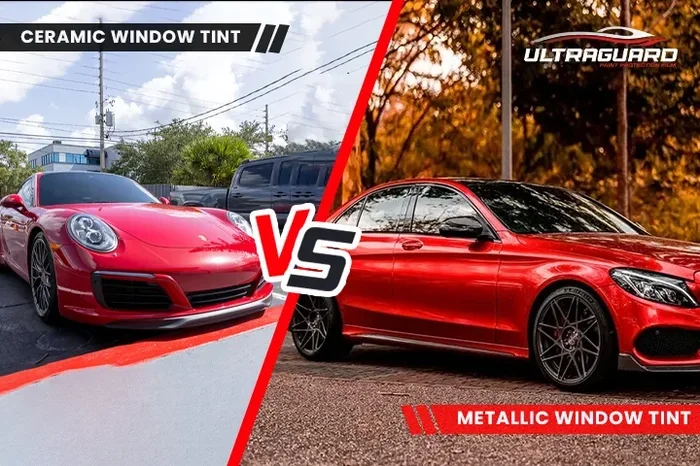
Ceramic tint is the premium option. It uses ceramic nanoparticles to block heat without any metal, so it does not interfere with signals. Ceramic tint offers similar or better heat rejection than metallized tint, but it costs significantly more. If signal interference is a dealbreaker for you, ceramic is the way to go.
Metallized vs Carbon Tint
Carbon tint is a solid middle-ground option. It does not contain metal, so there is no signal interference. Carbon tint looks matte and non-reflective, which many people prefer. Its heat rejection is very good but slightly below metallized tint. Carbon tint also fades less than dyed options.
Quick Tips for Choosing the Right Tint
- Check your local tint laws before buying anything. You do not want to pay for a tint that is illegal on your vehicle.
- Think about your daily tech use. If you rely on GPS, Bluetooth, and cell signal heavily, consider ceramic or carbon tint instead of metallized.
- Set a budget. Metallized tint costs more than dyed but less than ceramic. Know what you are willing to spend.
- Ask for a warranty. Reputable installers offer warranties that cover bubbling, peeling, and fading.
- Choose a professional installer. DIY tint kits often lead to bubbles, scratches, and poor adhesion.
Common Mistakes to Avoid
Even if you know a lot about metallized auto tint, mistakes can still happen. Here are the most common ones and how to avoid them.
Skipping the Research
Many people buy tint based on price alone. This is a mistake. Different brands and films vary widely in quality. Read reviews, compare products, and ask your installer for recommendations. Cheap tint often means poor performance and a shorter lifespan.
Ignoring Local Laws
Every state and country has different rules about window tinting. Some allow very dark tints, while others are strict. Ignoring these laws can lead to fines, failed inspections, and even having to remove your tint. Do your homework first.
Choosing the Wrong Shade
Darker is not always better. A very dark tint can reduce visibility, especially at night. Choose a shade that balances heat rejection with safe driving. Many drivers find that a medium shade works best for daily use.
Opting for the Cheapest Installation
Installation quality matters just as much as the film itself. Poor installation leads to bubbles, peeling, and uneven application. Always choose a reputable, experienced installer even if it costs a bit more.
Forgetting About Aftercare
Your tint needs time to cure properly. Most installers recommend waiting at least 48 hours before rolling down your windows. Avoid using harsh cleaners on your tinted windows for the first few weeks. Proper aftercare extends the life of your tint significantly.
Expert Insights on Metallized Auto Tint
We spoke with several auto tinting professionals to get their take on metallized tint. Here is what they had to say.
“Metallized tint is one of the best options for drivers who want maximum heat rejection without breaking the bank. It is durable, looks great, and performs well in hot climates. The only real downside is signal interference, but most of my customers do not mind it.” — Mark D., Professional Installer with 12 years of experience.
“If a customer comes in and wants the best of both worlds — great heat rejection and no signal issues — I recommend ceramic tint. But for budget-conscious buyers who still want quality, metallized tint is hard to beat.” — Sarah L., Auto Detailing Specialist.
Expert Tips
- Always ask about the VLT rating before purchasing. Make sure it meets your local legal requirements.
- Request a sample piece of the film to see how it looks on your specific car windows.
- Ask about the warranty in detail. Some warranties cover only the film, while others cover installation as well.
- Consider your climate. If you live in a very hot area, prioritize heat rejection. If you live in a cooler climate, you might prioritize UV protection and aesthetics.
- Do not rush the decision. Take your time, compare options, and choose the tint that best fits your needs.
Is Metallized Auto Tint Right for You?
The answer depends on your priorities, budget, and driving habits. If you live in a hot climate and want excellent heat rejection, metallized auto tint is a fantastic choice. It is durable, looks great, and protects your car’s interior from sun damage.
However, if you rely heavily on electronic devices and cannot afford signal issues, you might want to look at ceramic tint or carbon tint instead. These options offer similar benefits without the metal interference.
Budget is another factor. Metallized tint costs more than dyed tint but less than ceramic. If you want a balance between performance and price, it hits a sweet spot that many drivers appreciate.
One thing is for sure: window tinting is an investment that pays off. You will enjoy a cooler car, better UV protection, less glare, and a more polished look. Just make sure you do your research, choose a quality product, and hire a professional installer.
Final Thoughts
Metallized auto tint is a proven, effective solution for drivers who want comfort, protection, and style. It blocks heat, rejects UV rays, reduces glare, and gives your car a sleek, reflective finish. The durability and fade resistance make it a smart long-term investment.
Of course, it is not without drawbacks. Signal interference, higher cost, and legal considerations are all factors you need to weigh. But for most drivers, the benefits far outweigh the downsides.
Now that you know what metallized auto tint is all about, you can make an informed decision. Take your time, compare your options, and choose the tint that best fits your vehicle and your lifestyle. Your car — and your comfort — will thank you.
Frequently Asked Questions
What is metallized auto tint made of?
Metallized auto tint is made of a polyester film base with microscopic metal particles — usually aluminum, nickel, or copper — embedded into it. These particles are applied using a vacuum process and create a reflective layer that blocks heat and UV rays from passing through your car windows.
Does metallized tint block cell phone signals?
Yes, metallized tint can block or weaken cell phone signals, GPS, and Bluetooth because of the metal layer in the film. If you rely heavily on electronic devices, you may want to consider ceramic or carbon tint as alternatives that do not interfere with signals.
How long does metallized auto tint last?
A high-quality metallized tint can last 10 years or more with proper care. The metal particles make the film more durable and resistant to fading compared to dyed tint. However, the lifespan depends on the quality of the film, the installation, and how well you maintain it.
Is metallized tint legal everywhere?
No, tint laws vary by state, province, and country. Some regions restrict how reflective a tint can be, and metallized tint tends to be more reflective than other types. Always check your local regulations before purchasing or installing any window tint.
Can I install metallized tint myself?
While DIY tint kits are available, professional installation is strongly recommended. Metallized films are more difficult to handle and apply correctly. Poor installation can lead to bubbles, peeling, and an uneven finish that ruins the look and performance of the tint.
How much does metallized auto tint cost?
The cost varies depending on the brand, quality, and number of windows. On average, metallized tint costs more than dyed tint but less than ceramic tint. For a full-size car, you can expect to pay between $150 and $400 for professional installation, depending on your location and the film quality.
=== CONCLUSION ===
Metallized auto tint is an excellent choice for drivers who want serious heat rejection, UV protection, and a polished look for their vehicle. It offers strong durability, great glare reduction, and enhanced privacy. While it does come with some drawbacks like signal interference and a higher price tag, the benefits make it a compelling option for most car owners.
By understanding how it works, comparing it to other tint types, and avoiding common mistakes, you can make a confident decision. Choose the right shade, hire a professional installer, and follow proper aftercare to get the most out of your tint.
Take the time to research your options, check your local laws, and invest in quality. Your car and your comfort will be better for it. Metallized auto tint is more than just an upgrade — it is a smart investment in your driving experience.